A bug-out bag is no longer just a collection of random survival items tossed together out of fear or guesswork. It has become a deliberate, well-thought-out system designed for mobility, resilience, and adaptability in a rapidly changing world. I treat mine as a portable safety net, something that supports me through uncertainty rather than weighs me down. The idea is simple: if I need to leave quickly, I already have what matters most within reach, organized in a way that helps me think clearly under pressure.
The Philosophy Behind a Modern Bug-Out Bag
The way I see it, a bug-out bag in 2026 reflects both old-school survival wisdom and modern realities. Climate events are more unpredictable, technology is deeply integrated into daily life, and mobility has become essential. I no longer pack for just one type of emergency but prepare for a range of scenarios that could unfold with little warning.
Balance plays a huge role in how I build my bag. Carrying too much slows me down, while carrying too little leaves dangerous gaps in preparedness. I focus on versatility, making sure every item earns its place by serving multiple purposes. This mindset helps me stay efficient without sacrificing capability.
Another important shift is the focus on mental readiness. A bug-out bag is not just gear; it is peace of mind. Knowing that I have essentials ready allows me to respond calmly instead of reacting impulsively.

The Right Backpack Makes All the Difference
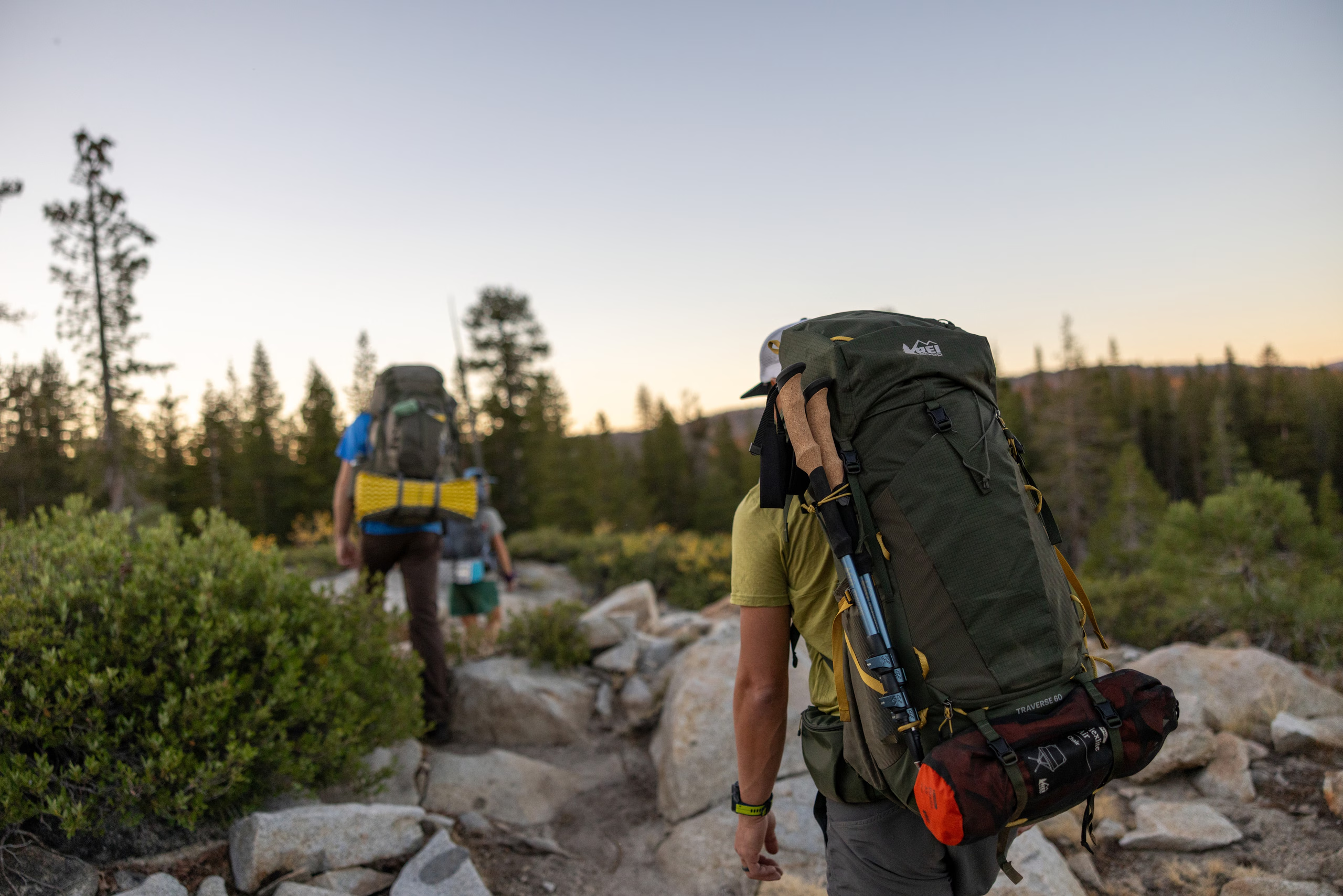
The foundation of everything starts with the backpack itself. I prefer a durable, weather-resistant pack that can handle rough conditions without failing. Comfort matters just as much as strength, so padded straps and proper weight distribution are not optional features.
Size is something I carefully consider. A bag between 30 to 45 liters works best for me because it holds enough without becoming bulky. Going bigger often leads to overpacking, which defeats the purpose of staying mobile.
Organization inside the pack also plays a critical role. I keep items grouped by function so I can find what I need quickly. In a stressful situation, digging through clutter wastes time and energy that I cannot afford to lose.
Water and Hydration Essentials
Water is always my top priority because survival without it becomes difficult within a short period. I carry at least two liters of water along with a reliable filtration system. This combination ensures I am not limited to what I initially pack.
A compact water filter allows me to safely drink from natural sources if needed. I also include purification tablets as a backup because redundancy matters in survival situations. If one method fails, I still have another option.
Hydration is not just about drinking water but managing it wisely. I make it a habit to ration carefully and avoid unnecessary consumption, especially during long periods without resupply.
Food That Fuels Without Slowing Me Down
Food in a bug-out bag is about efficiency rather than comfort. I choose items that are lightweight, calorie-dense, and easy to prepare. Energy bars, dehydrated meals, and nuts are staples that give me sustained energy without taking up too much space.
Preparation time is something I keep minimal. In many situations, I may not have the luxury of cooking elaborate meals. That is why I include ready-to-eat options alongside items that only require hot water.
Rotation is another habit I maintain. I regularly replace food to keep it fresh and avoid spoilage. This simple step ensures that everything in my bag is always ready when needed.
Shelter and Protection From the Elements
Staying protected from the environment can make a life-or-death difference. I pack a lightweight emergency tent or tarp that can be set up quickly in different conditions. It provides basic protection from rain, wind, and extreme sun exposure.
A thermal blanket is another essential that I never leave behind. It helps retain body heat and can be used in multiple ways, including signaling for help if necessary. Small items like this often prove more valuable than expected.
Clothing also plays a role in protection. I include an extra set of weather-appropriate clothes and focus on layering. This approach allows me to adapt to changing temperatures without carrying excessive bulk.
First Aid and Health Supplies
Medical readiness is something I take seriously because injuries can happen at any time. My first aid kit includes bandages, antiseptics, pain relievers, and basic medical tools. I keep it simple but comprehensive enough to handle common issues.
Personal medications are always included and stored in a waterproof container. Missing essential medication during an emergency can create complications that are entirely preventable with proper planning.
Hygiene is another factor that often gets overlooked. Items like wet wipes, hand sanitizer, and a small towel help maintain cleanliness, which reduces the risk of infection and keeps morale up.
Tools That Serve Multiple Purposes
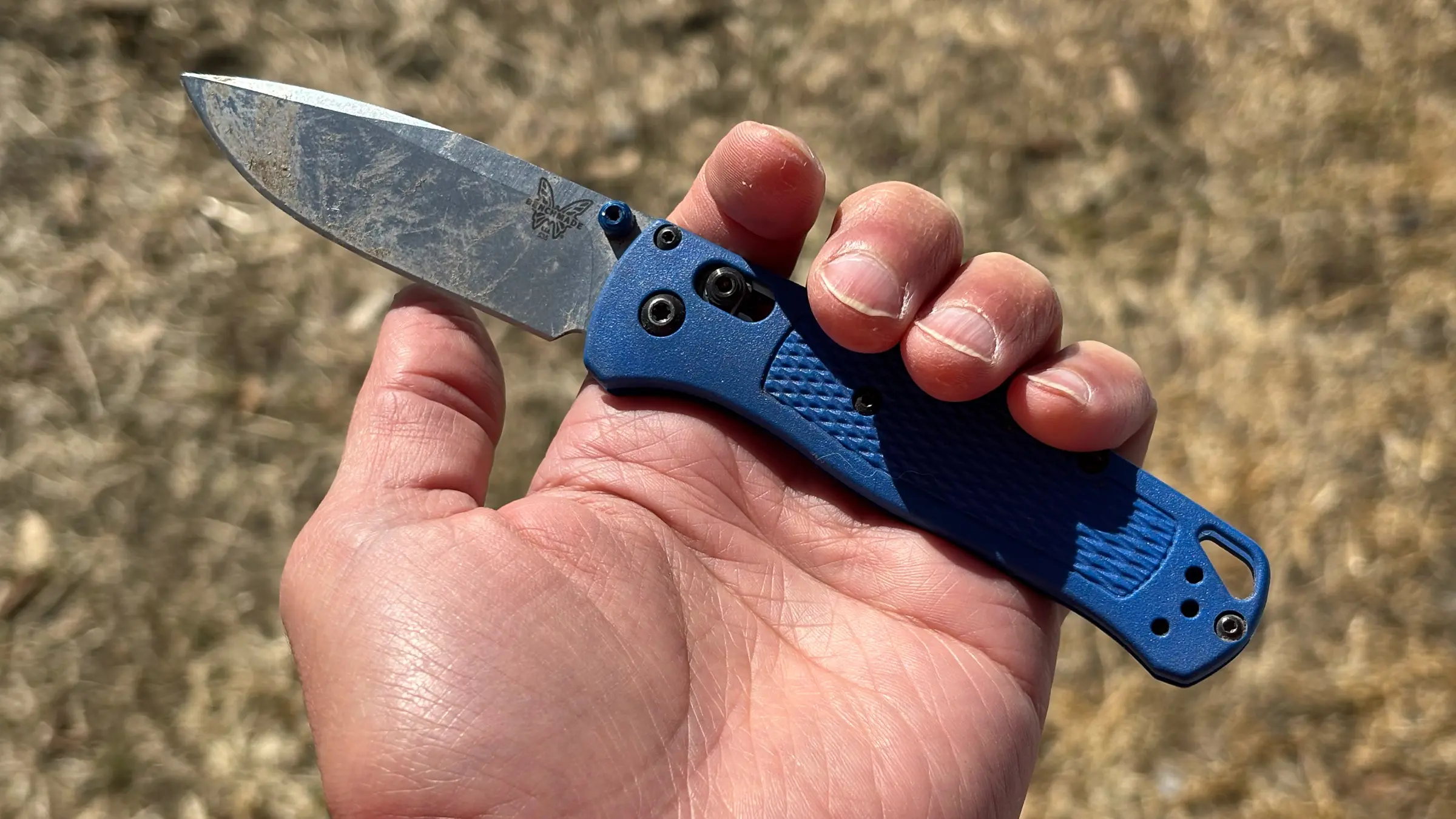
Every tool I carry must justify its weight. A reliable multi-tool is one of the most important items in my bag because it can handle a wide range of tasks. From cutting and repairing to opening and tightening, it becomes indispensable.
A fixed-blade knife adds another layer of capability. It is stronger and more dependable for heavy-duty tasks compared to smaller folding options. I treat it as a core survival tool rather than just an accessory.
Cordage is another item I always include. Paracord can be used for shelter building, repairs, and even emergency situations where improvisation is needed. Its versatility makes it one of the most valuable additions to any kit.
Fire and Light for Survival Situations
Fire provides warmth, light, and a way to cook food. I carry multiple fire-starting methods, including a lighter, waterproof matches, and a ferro rod. Having backups ensures I can start a fire even if conditions are less than ideal.
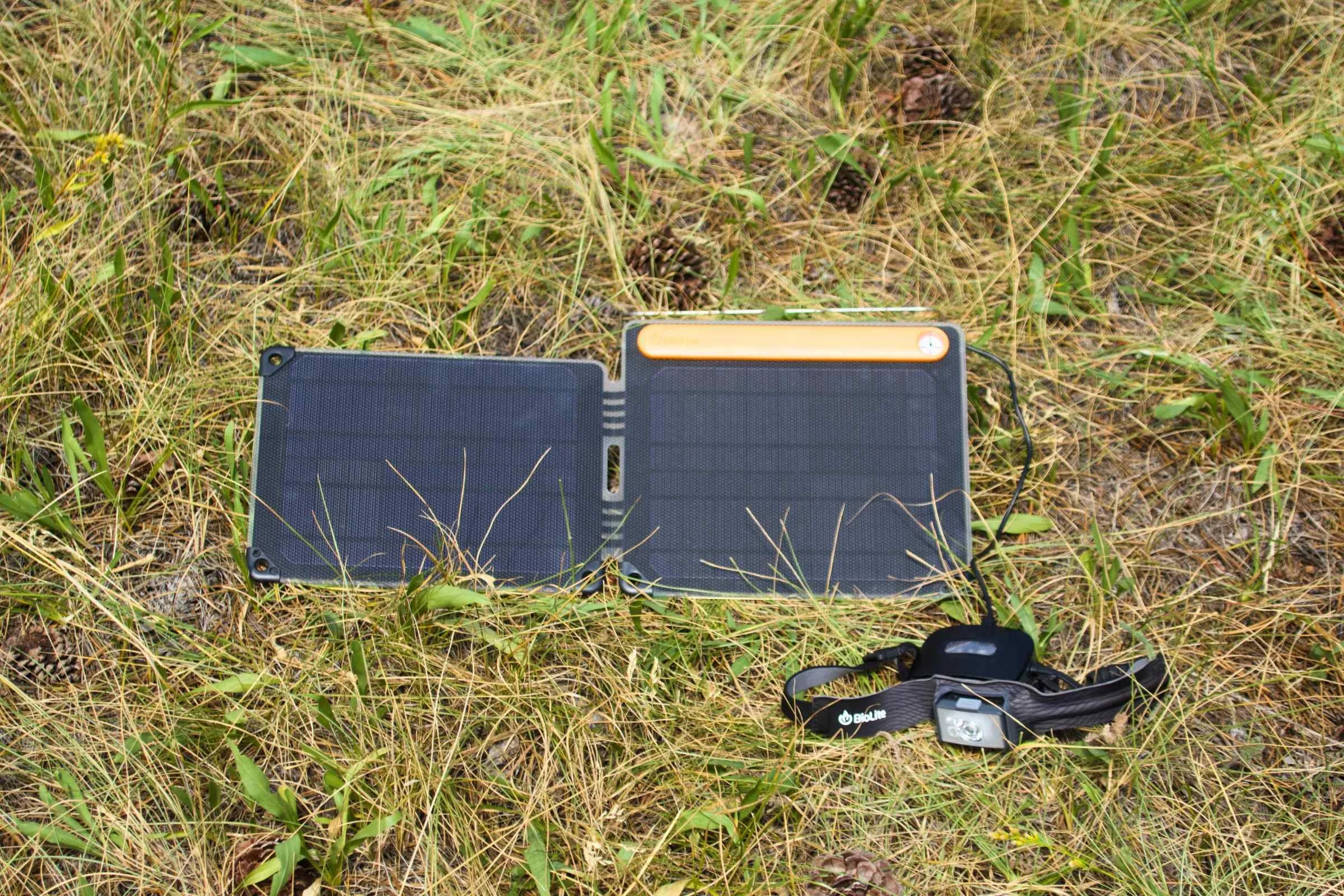
Lighting is just as important, especially at night. A headlamp is my preferred option because it keeps my hands free while providing consistent illumination. I also carry extra batteries to avoid running out of power at the wrong moment.
Managing light sources carefully helps conserve energy. I avoid unnecessary use and rely on natural light whenever possible. This habit extends the lifespan of my equipment.
Communication and Navigation
Staying informed and knowing where I am can make a significant difference in how I respond to emergencies. A portable radio allows me to receive updates even if traditional communication channels are down.
Navigation tools include a map and compass. While digital tools are useful, I never rely on them alone. Batteries can fail, and signals can disappear, so having analog backups is essential.
A fully charged power bank supports my devices when needed. I keep cables organized and ensure everything is ready for use at a moment’s notice. This combination keeps me connected without overdependence on technology.
Personal Documents and Emergency Cash
Important documents are something I always secure in a waterproof pouch. Copies of identification, insurance papers, and emergency contacts can be crucial during evacuations or unexpected situations.
Cash is another item that I make sure to include. In many emergencies, electronic payment systems may not work, and having physical currency provides flexibility. Small denominations are especially useful for quick transactions.
Keeping these items protected and easily accessible helps me avoid unnecessary complications. It also allows me to move more confidently, knowing that I have what I need for identification and basic transactions.
Self-Defense and Safety Awareness
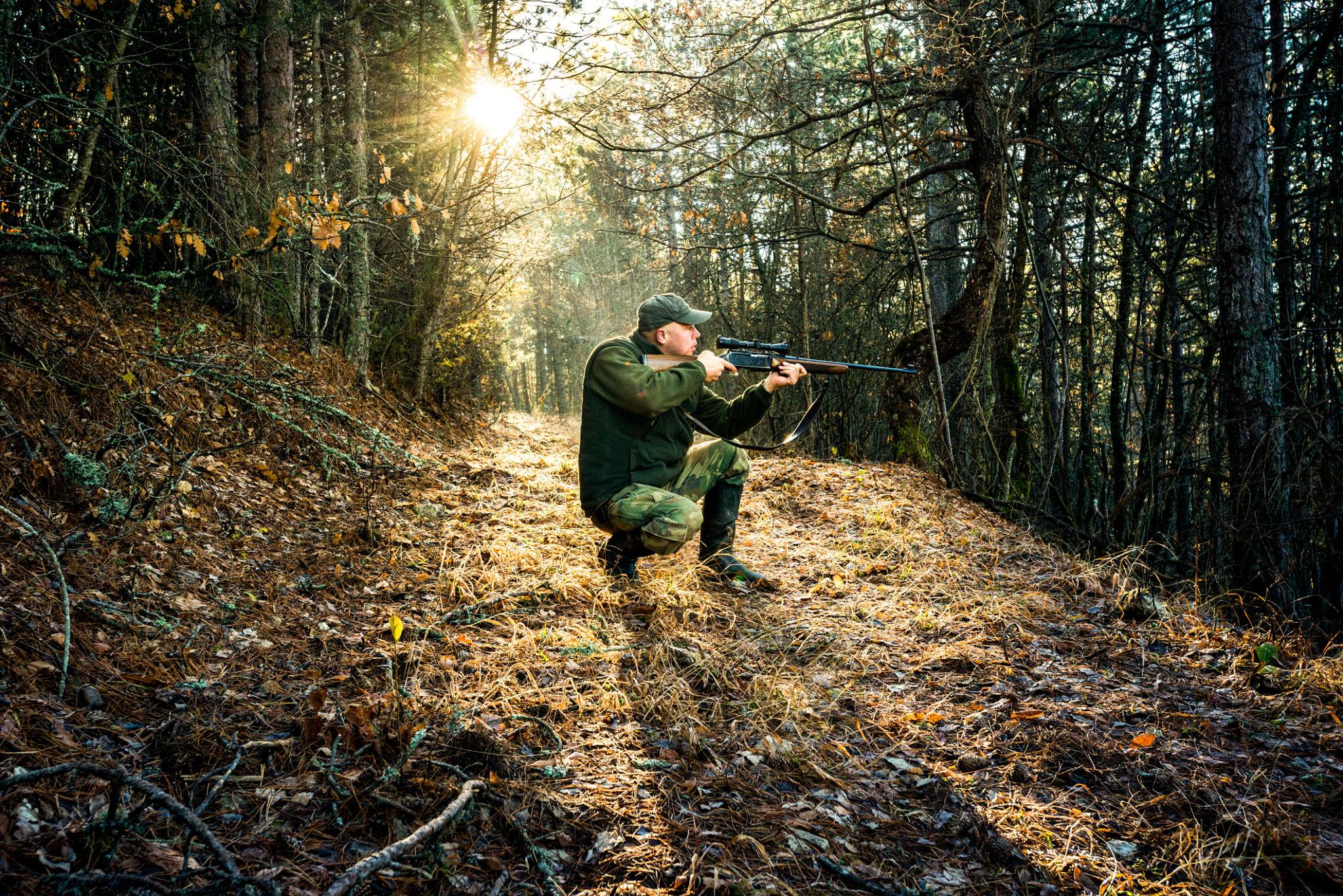
Personal safety is an important consideration that I cannot ignore. I include tools that help me stay aware and protect myself if necessary. This does not mean carrying excessive gear but rather having practical options that align with my environment.
Situational awareness is something I constantly practice. Being alert and observant often prevents problems before they escalate. I treat awareness as my first line of defense rather than relying solely on equipment.
Training also matters more than the tools themselves. Knowing how to use what I carry ensures that I can act effectively when it counts.
Packing Strategy and Weight Management
How I pack my bag is just as important as what I pack. Heavier items go closer to my back to maintain balance and reduce strain. Frequently used items stay within easy reach so I do not waste time searching for them.
Weight control is something I constantly evaluate. If an item does not serve a clear purpose, it does not stay in my bag. This discipline keeps my load manageable and improves mobility.
Regular checks help me stay prepared. I review my bag periodically to replace expired items, adjust for seasonal changes, and refine my setup based on experience.
Adapting to Different Scenarios
No single setup works for every situation, so I adjust my bag based on potential risks. Urban environments require different considerations compared to rural or wilderness settings. I tailor my gear to match the context I am most likely to face.
Weather conditions also influence my choices. Hot climates demand more hydration and sun protection, while colder environments require insulation and heat retention. Flexibility allows me to stay ready without overpacking.
Experience shapes my decisions over time. Each adjustment improves my setup, making it more efficient and reliable with every iteration.
Final Thoughts on Staying Prepared
A perfect bug-out bag is not about perfection but readiness. It evolves as circumstances change and as I learn from experience. What matters most is having a system that supports quick action and clear thinking during uncertain moments.
Preparedness is not driven by fear but by practicality. Having a reliable bug-out bag gives me confidence and control in situations where both can easily slip away. It is not about expecting the worst but being ready for whatever comes next.