Raising kids in today’s world means preparing them for more than just academics and screen time. I’ve come to realize that survival skills are not about fear or expecting the worst, but about building confidence, independence, and calm decision-making. Kids who know how to handle unexpected situations carry themselves differently, and that quiet confidence shows up in everyday life. Teaching these skills has become one of the most meaningful responsibilities I’ve taken on, not as a strict lesson plan, but as a natural part of growing up.
Building Awareness Of Surroundings
I always start with awareness because it is the foundation of every survival skill. Kids often move through the world without paying attention, and that can make them vulnerable in both small and serious situations. I teach them to notice exits, recognize safe adults, and observe what feels normal in their environment. This is not about making them anxious but helping them stay present.
We practice this casually during errands or outings. I ask simple questions like where the nearest exit is or what they would do if we got separated. These small conversations turn into habits over time, and I can see how they begin to think ahead without being prompted. Awareness becomes second nature when it is consistently reinforced.
Basic First Aid Skills
First aid is one of the most practical skills a child can learn, and it gives them a sense of control in emergencies. I make it a point to show them how to clean a wound, apply a bandage, and recognize when something needs adult or medical attention. These are not complicated lessons, but they can make a huge difference when seconds matter.

We practice using real-life scenarios rather than just explaining steps. If someone gets a small cut or scrape, I guide them through what to do instead of stepping in immediately. This hands-on approach helps them remember and builds confidence in their ability to respond. Over time, they stop panicking and start thinking clearly.
Fire Safety And Emergency Response
Fire safety is a topic I never treat lightly, but I also avoid making it overwhelming. Kids need to know what to do without feeling scared of every possible danger. I teach them how to recognize fire hazards, what smoke alarms mean, and how to exit the house safely. Repetition plays a big role here because these actions need to become automatic.
We walk through different scenarios like what to do if a fire starts in the kitchen or if smoke fills a room. Practicing escape routes helps them stay calm and prepared. I also make sure they know how and when to call for help, including memorizing emergency numbers and clearly stating their location.
Navigation And Direction Skills
Navigation is a skill that often gets overlooked because of technology, but I believe it is essential. Kids should not rely entirely on devices to find their way. I teach them how to recognize landmarks, read basic maps, and understand directions like north, south, east, and west.
We turn this into a fun activity during trips or walks. I let them guide the way using simple instructions or landmarks we’ve discussed. This builds both confidence and problem-solving skills, especially when they make mistakes and figure out how to correct them. It becomes less about being perfect and more about being resourceful.
Water Safety And Basic Swimming
Water can be both enjoyable and dangerous, so I make sure my kids respect it. Teaching them how to swim is non-negotiable, but it goes beyond just floating or moving through water. I focus on safety habits like never swimming alone and recognizing unsafe conditions.
We also talk about what to do if they feel tired or caught in a current. These conversations help them stay calm instead of panicking, which is often the biggest risk. Building comfort in the water while reinforcing caution creates a balanced mindset that stays with them.
Self-Defense And Personal Boundaries
Self-defense is not about teaching kids to fight, but about helping them protect themselves and assert boundaries. I emphasize awareness, confidence, and the ability to remove themselves from uncomfortable situations. Knowing when to say no and when to walk away is just as important as physical techniques.
We talk openly about personal space and what feels safe or unsafe. I encourage them to trust their instincts and speak up without hesitation. Practicing simple self-defense moves can also give them confidence, but the real goal is prevention and quick thinking.
Finding Food And Water In Emergencies
Kids do not need to become experts in wilderness survival, but they should have a basic idea of how to find food and water if necessary. I introduce simple concepts like identifying safe water sources and understanding that not everything in nature is safe to eat. These lessons are always guided and supervised.
We sometimes turn this into an outdoor activity, pointing out plants and discussing what is safe and what is not. Even if they never need to rely on these skills, the knowledge builds awareness and respect for their environment. It also encourages curiosity and a deeper connection to nature.
Basic Cooking And Fire Building
Cooking is a survival skill that also translates into everyday independence. I involve my kids in the kitchen early, teaching them how to prepare simple meals and safely use basic tools. This builds both confidence and responsibility.
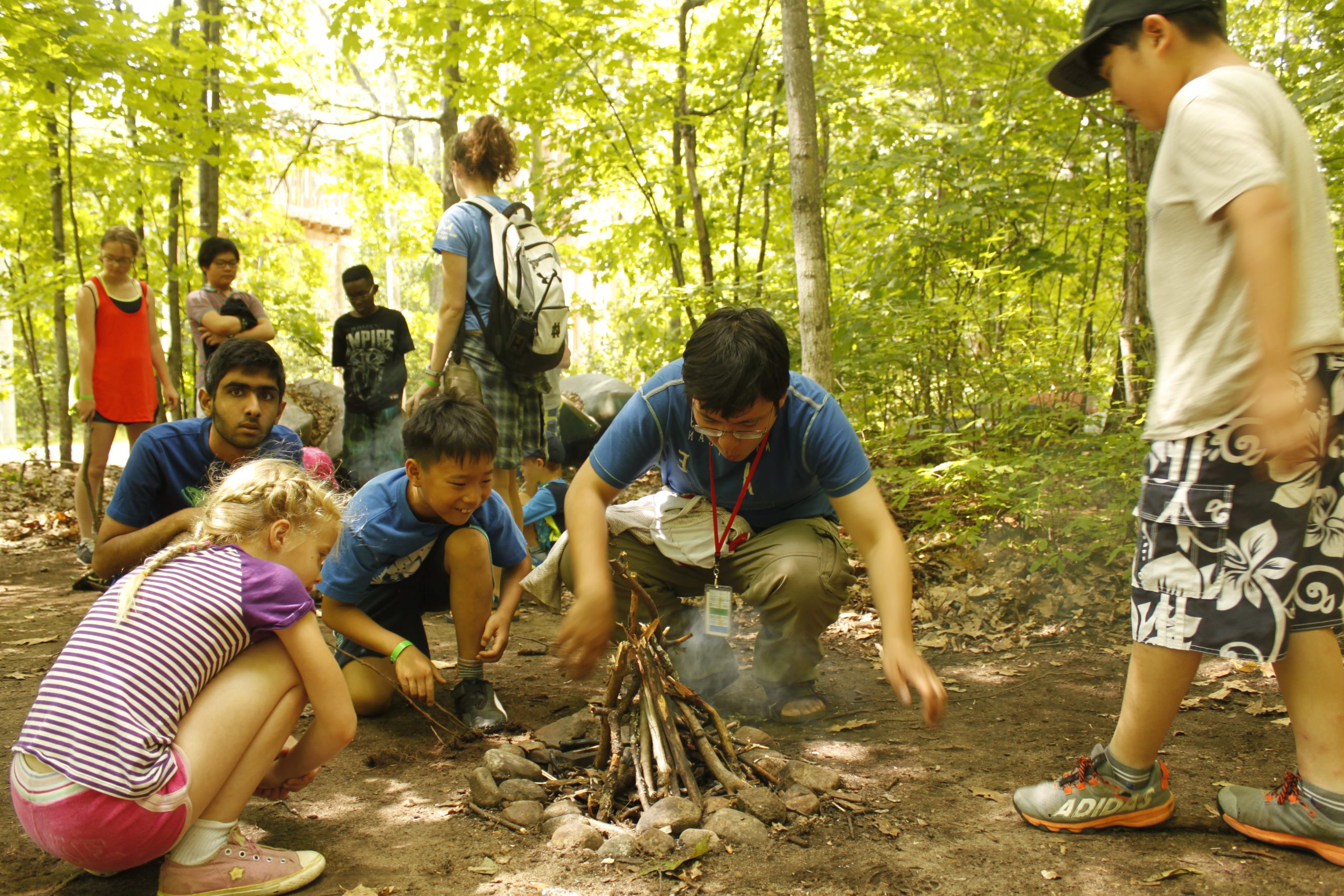
Fire building, on the other hand, is introduced carefully and always under supervision. I explain how fire works, how to control it, and how to put it out properly. These lessons are tied closely to safety, so they understand both the usefulness and the risks involved.
Problem Solving Under Pressure
One of the most important skills I focus on is the ability to think clearly under pressure. Situations do not always go as planned, and kids need to know how to adapt. I create small challenges or scenarios where they have to figure out solutions on their own.
This might be as simple as handling a minor problem without immediate help or thinking through what to do if plans change. Encouraging them to pause, assess, and act builds resilience. Over time, they learn that panic does not help, but clear thinking does.
Communication In Emergencies
Clear communication can make a critical difference in emergencies. I teach my kids how to explain situations calmly and accurately, whether they are speaking to an adult, a stranger in authority, or emergency services. This includes knowing their full name, address, and important contact numbers.
We practice role-playing different scenarios so they feel more comfortable speaking up. These exercises help them stay composed instead of freezing. Being able to communicate effectively gives them a strong sense of control and preparedness.
Emotional Control And Mental Strength
Survival is not just physical, and I make sure my kids understand the importance of emotional control. Fear and stress can cloud judgment, so learning how to manage those feelings is essential. I talk to them about staying calm, taking deep breaths, and focusing on solutions.
We also discuss how it is okay to feel scared, but what matters is how they respond. Encouraging them to face challenges instead of avoiding them builds mental strength. This mindset carries over into all areas of their lives.
Preparing For Real-Life Situations
Teaching survival skills is not about one-time lessons but consistent practice. I integrate these skills into everyday life so they become natural rather than forced. Whether we are at home, outside, or traveling, there is always an opportunity to reinforce what they know.
I also make sure the learning stays engaging and age-appropriate. Kids absorb more when they are interested and involved. By turning lessons into conversations and activities, the skills stick without feeling like a burden.
Passing these skills on to my kids has been one of the most rewarding parts of parenting. It is not about preparing them for worst-case scenarios but equipping them with confidence, awareness, and resilience. These are lessons they will carry for life, shaping how they navigate both challenges and opportunities.