
Life can change in an instant, and the moments that follow an emergency often feel chaotic and overwhelming. I have realized that the difference between panic and control often comes down to preparation, especially when it involves staying connected with family. A solid communication plan is not just a list of phone numbers or a group chat; it is a structured system that helps everyone know what to do, who to contact, and how to reunite safely. Building this plan has given me a sense of clarity and confidence, knowing that even in uncertain situations, my family has a reliable way to stay informed and connected.
Identify The Most Likely Emergencies
I start by thinking about the types of emergencies that are most likely to affect my family. These can include natural disasters like typhoons, earthquakes, or floods, as well as situations such as power outages or sudden evacuations. By narrowing down the most realistic scenarios, I avoid overcomplicating the plan and focus on what truly matters.
Each type of emergency brings its own communication challenges. For example, during a storm, mobile networks may become unreliable, while earthquakes can disrupt infrastructure entirely. I make it a point to consider how communication might fail in each situation and prepare alternatives accordingly.
This step also helps me involve my family in the planning process. We talk about what could happen and how we would respond, which makes the plan feel more real and less like a theoretical exercise. These conversations build awareness and ensure everyone understands why the plan exists.

List All Essential Contacts
A communication plan is only as strong as the information it contains, so I take time to compile a detailed list of essential contacts. This includes immediate family members, close relatives, neighbors, and even local emergency services. I also add contacts for schools, workplaces, and trusted friends who can act as intermediaries.
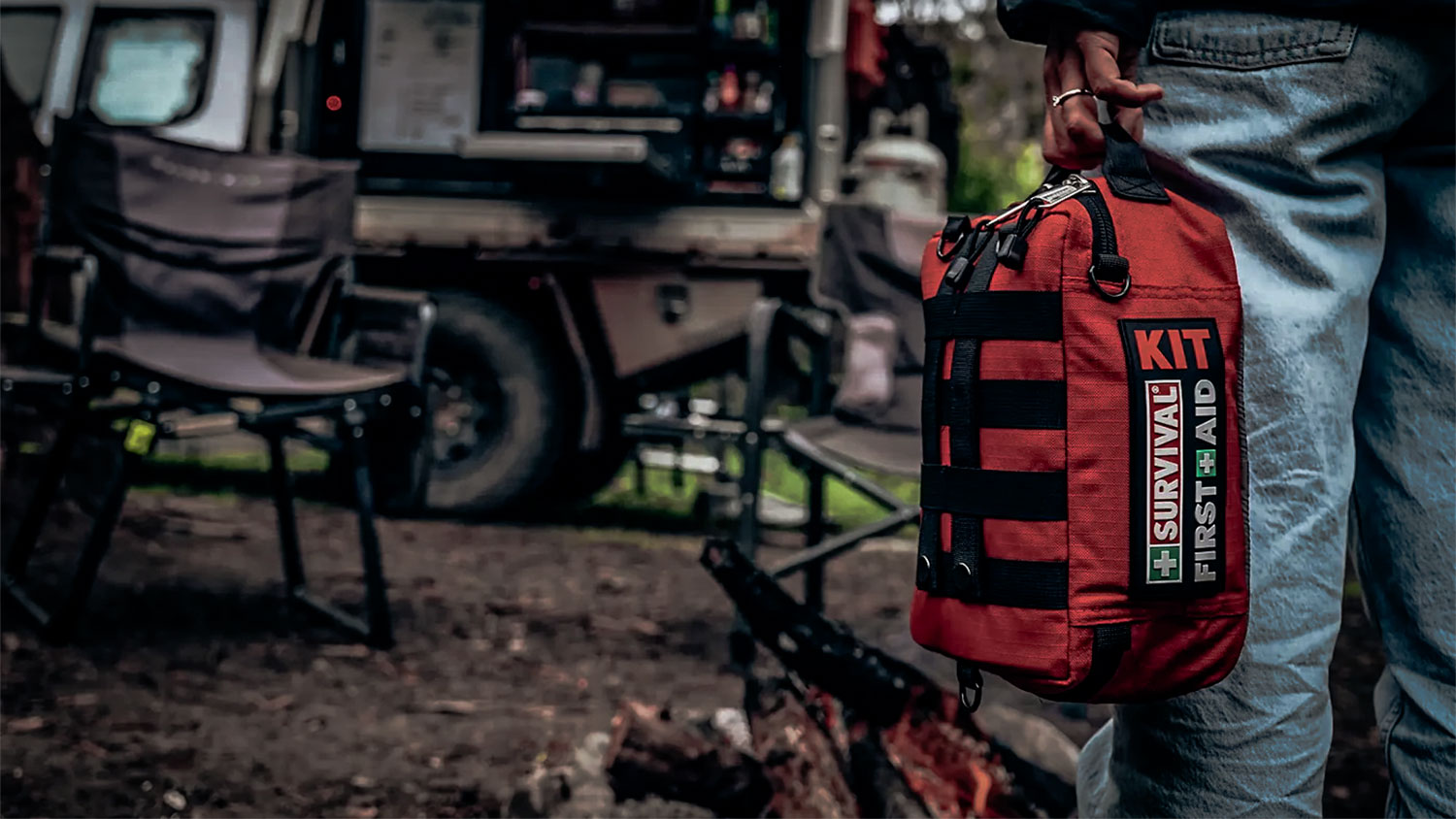
I make sure that each person in my family has access to this list, both digitally and in printed form. Phones can run out of battery or get lost, so having a physical copy ensures that no one is completely cut off. I keep copies in wallets, bags, and even inside emergency kits.
It is also important to include an out-of-town contact. I designate someone who lives outside our immediate area as a central point of communication. In a widespread emergency, local lines may be congested, but long-distance communication can sometimes still work, making this contact a crucial link.
Assign Roles And Responsibilities
Clarity during an emergency can save precious time, so I assign specific roles to each family member. Everyone knows what they are responsible for, whether it is gathering supplies, checking on younger siblings, or contacting relatives. This reduces confusion and prevents multiple people from trying to do the same task.
I make sure that the roles are appropriate for each person’s age and ability. Children are given simple tasks, such as memorizing key phone numbers or knowing where to meet, while adults handle more complex responsibilities. This balance ensures that everyone contributes without feeling overwhelmed.
We also discuss backup roles in case someone is unavailable. Emergencies are unpredictable, and plans need to be flexible. By having a secondary person assigned to each task, we avoid gaps in our response and maintain a sense of order.
Establish Meeting Points
Communication can fail, but having predetermined meeting points gives everyone a clear destination. I set up both a primary and a secondary meeting location, ensuring that there is always an option if one is inaccessible. These locations are chosen based on safety, proximity, and ease of access.
Our primary meeting point is usually close to home, such as a nearby park or a neighbor’s house. The secondary location is farther away, in case evacuation becomes necessary. This dual approach gives us flexibility and ensures that we are not relying on a single option.
I also make sure that everyone knows how to get to these locations without assistance. We practice routes and discuss potential obstacles, which helps build confidence. Familiarity with these meeting points can make a significant difference during a stressful situation.
Choose Communication Methods
Relying on a single method of communication is risky, so I make sure to include multiple options. Mobile phones are the most obvious choice, but I also consider text messages, social media, and messaging apps. Sometimes, a simple text can go through even when calls cannot.
I also look into alternative methods such as two-way radios or whistle signals for immediate, short-range communication. These tools may seem basic, but they can be incredibly effective when technology fails. Having these options adds another layer of reliability to the plan.
It is important that everyone understands how to use each method. I take time to explain and demonstrate, ensuring that no one is left confused. Familiarity with these tools can make communication faster and more efficient during an emergency.
Create A Communication Flow
A structured flow of communication helps prevent information overload and confusion. I decide who contacts whom and in what order, creating a clear chain of communication. This ensures that messages are delivered efficiently and reduces the risk of missed updates.
For example, one person may be responsible for contacting the out-of-town contact, while another updates immediate family members. This division of responsibility keeps communication organized and avoids duplication of effort. It also ensures that important information is not lost in the chaos.
We practice this flow during drills, which helps identify any gaps or inefficiencies. Adjustments are made as needed, ensuring that the system works smoothly. Over time, this process becomes second nature, making it easier to follow during real emergencies.
Prepare Emergency Information Cards
Having quick access to critical information can make a significant difference in an emergency. I create small cards that include important details such as contact numbers, medical information, and meeting points. These cards are easy to carry and can be a lifesaver if someone is separated from the group.
I ensure that each family member carries their card at all times. This simple step adds an extra layer of preparedness and ensures that vital information is always within reach. It also provides peace of mind, knowing that everyone has access to the same details.
These cards are updated regularly to reflect any changes in contact information or medical needs. Keeping them current ensures that they remain useful and reliable. This ongoing maintenance is a small effort that can have a big impact.
Practice The Plan Regularly
A plan is only effective if everyone knows how to execute it. I make it a point to practice our communication plan regularly, turning it into a routine rather than a one-time task. These drills help reinforce roles, responsibilities, and procedures.
During practice, we simulate different scenarios to test our readiness. This helps us identify any weaknesses and make necessary adjustments. It also builds confidence, as everyone becomes more familiar with the plan.
Practicing together also strengthens our sense of teamwork. It reminds us that we are all responsible for each other’s safety and well-being. This shared responsibility creates a stronger, more resilient family unit.
Account For Special Needs
Every family is unique, and I make sure that our communication plan reflects that. This includes considering the needs of children, elderly members, and anyone with medical conditions. These factors can influence how we communicate and respond during an emergency.
For example, younger children may need simpler instructions and additional reassurance. Elderly family members may require assistance with mobility or communication. By addressing these needs מראש, we ensure that no one is left behind.
I also include information about medications and medical conditions in our plan. This ensures that everyone knows what to do in case of a health-related emergency. Being prepared for these situations adds another layer of security.
Review And Update The Plan
A communication plan is not something I create and forget. Life changes, and so should the plan. I review it regularly to ensure that it remains relevant and effective. This includes updating contact information, roles, and meeting points as needed.
I also take feedback from my family into account. Their experiences and insights help improve the plan and make it more practical. This collaborative approach ensures that the plan works for everyone.
Regular updates keep the plan fresh in our minds. They also reinforce its importance, reminding us that preparation is an ongoing process. This commitment to improvement ensures that we are always ready to face unexpected challenges.
Build Confidence Through Preparedness
Having a family emergency communication plan has changed the way I view uncertainty. Instead of feeling overwhelmed, I feel prepared and capable of handling difficult situations. This confidence comes from knowing that we have a clear and reliable system in place.
The process of building and maintaining the plan has also brought my family closer together. It has encouraged open communication and strengthened our sense of responsibility تجاه each other. These benefits extend beyond emergencies and into our everyday lives.
Preparedness is not about eliminating fear but about managing it effectively. By taking proactive steps, I have created a sense of stability that carries through even the most uncertain times. This is what makes a communication plan truly valuable.