Preparedness has always felt like a deeply personal responsibility, one that goes beyond stockpiling supplies or memorizing checklists. It is about making decisions ahead of time that could determine comfort, safety, or even survival during uncertain moments. Among the most debated strategies in this space are bugging in and bugging out, two approaches that often get framed as opposites but are more interconnected than people think. I have spent a considerable amount of time weighing both options, and what stands out is not which one is universally better, but which one fits a specific situation, environment, and mindset.
What Bugging In Really Means
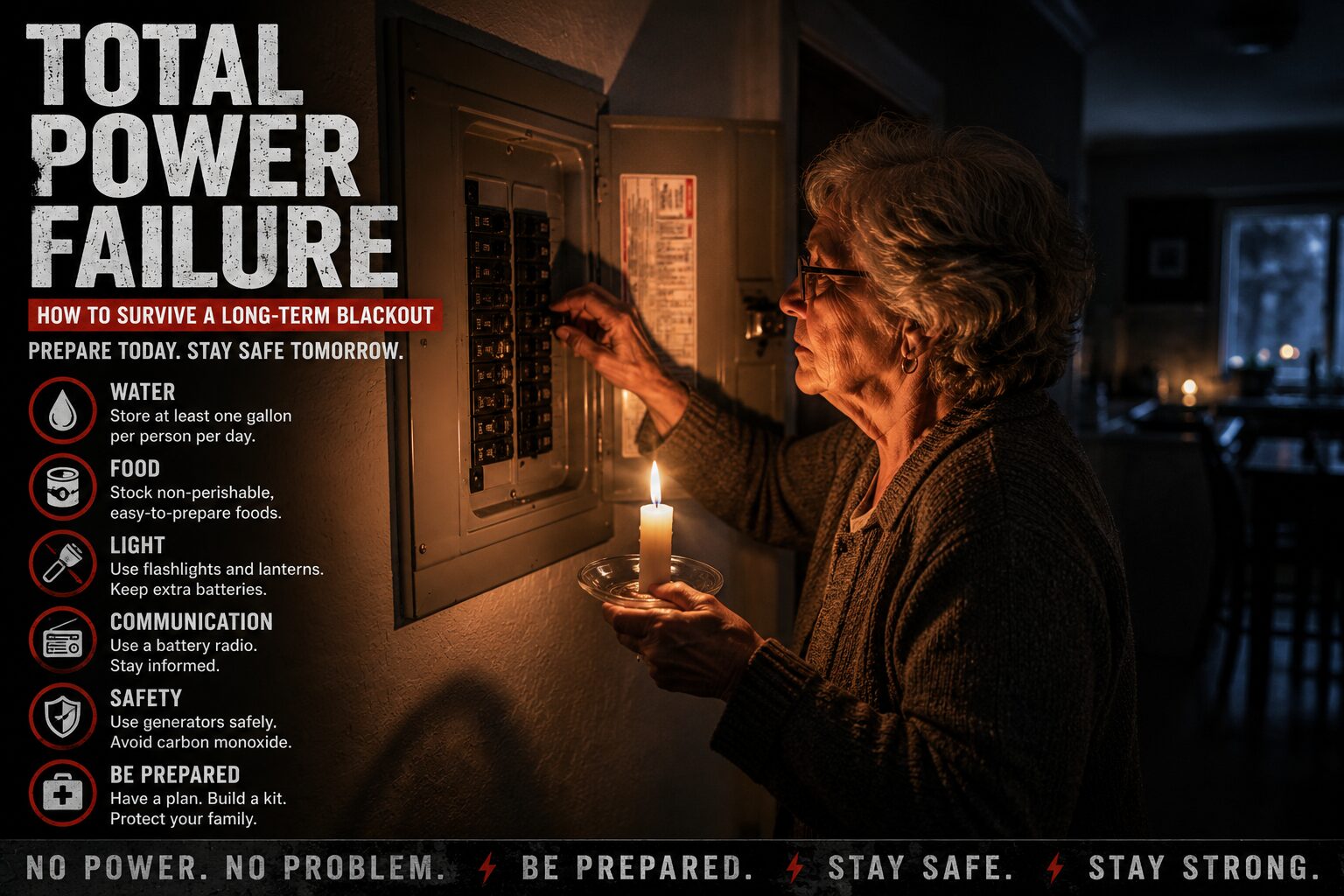
Bugging in refers to staying put during a crisis, relying on the safety and familiarity of your home as your primary shelter. This approach assumes that your home is secure enough and stocked with the essentials needed to ride out disruptions. It also depends heavily on preparation done long before anything actually happens. Food storage, water access, backup power, and home security all play major roles in making this strategy viable.
Staying in place offers a sense of stability that is hard to replicate elsewhere. There is no need to travel through uncertain conditions, no risk of being exposed to hazards on the road, and no scramble to find shelter in unfamiliar territory. Everything you have prepared is within reach, and that familiarity can make a significant difference when stress levels rise. In many scenarios, remaining at home simply reduces the number of variables you need to manage.
That said, bugging in is not a passive choice. It requires discipline and a clear understanding of potential threats. A home that is not properly secured or stocked can quickly become a liability instead of a refuge. The effectiveness of this strategy depends entirely on how well you have planned for extended periods without outside support.

What Bugging Out Looks Like in Practice
Bugging out is the decision to leave your home and relocate to a safer area when staying becomes too dangerous. This could mean heading to a predetermined location, such as a rural property, or even seeking temporary shelter elsewhere. The idea is to remove yourself from immediate danger rather than trying to endure it where you are.
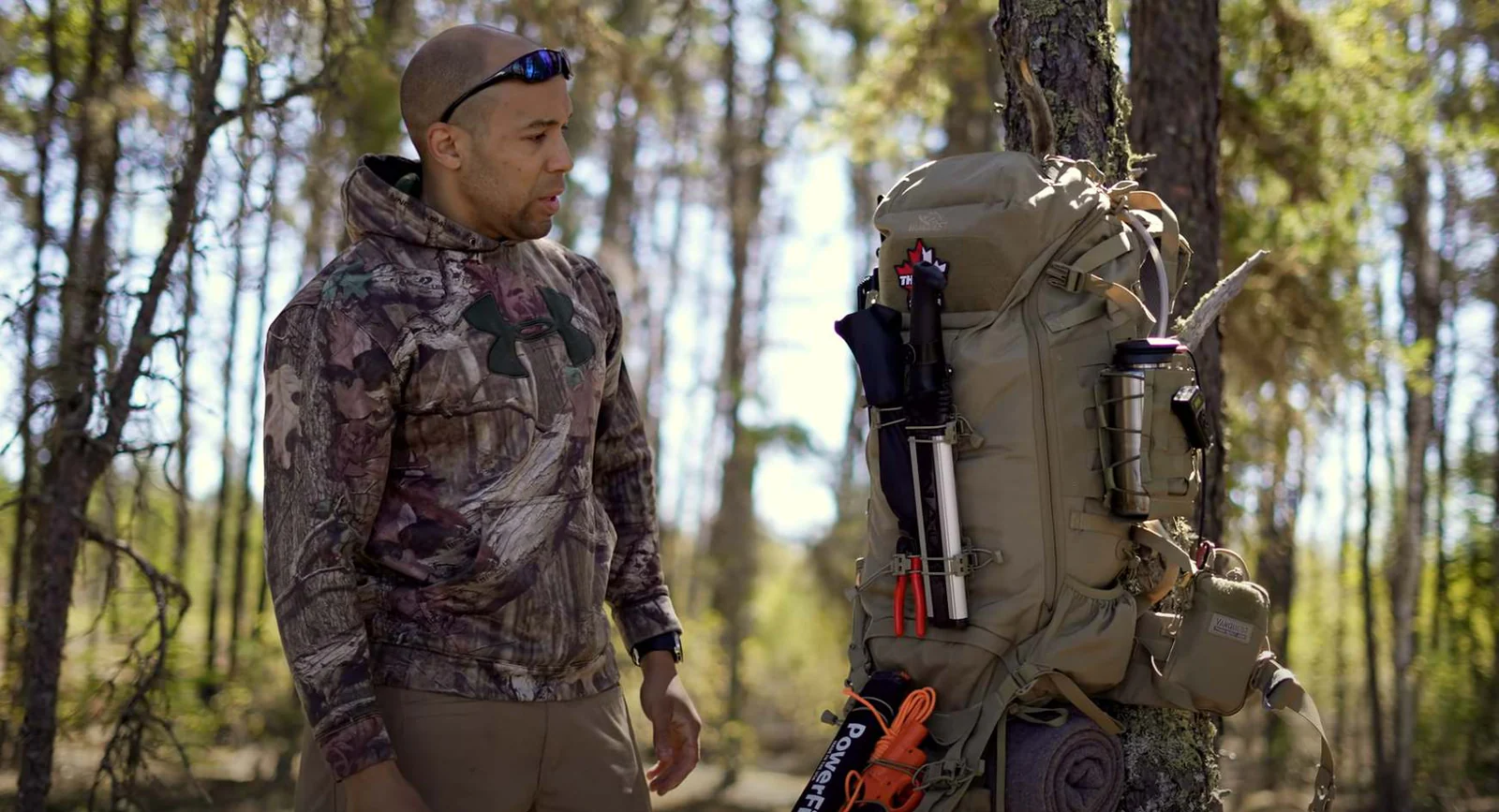
Mobility is the defining feature of this approach. Having a well-prepared bug-out bag, a reliable route, and a destination are critical components. Without those elements in place, bugging out can quickly turn into a chaotic and risky endeavor. Travel during emergencies often comes with obstacles like traffic congestion, limited resources, and unpredictable human behavior.
Despite the risks, there are situations where leaving is the only sensible option. Natural disasters like wildfires, floods, or hurricanes can make staying behind far more dangerous than relocating. In those cases, hesitation can lead to missed opportunities to evacuate safely. Bugging out is not about abandoning preparation, but rather shifting it to support mobility and adaptability.
The Comfort and Limits of Staying Put
Remaining at home offers a level of comfort that cannot be overstated. You know the layout, the resources, and the vulnerabilities of your space better than anywhere else. That familiarity can reduce panic and allow for more deliberate decision-making during stressful events. It also eliminates the physical strain and uncertainty associated with travel.
However, that comfort can also create a false sense of security. Not every crisis can be handled from within the walls of a home. Structural damage, lack of access to clean water, or escalating external threats can quickly turn a safe haven into a trap. Recognizing those limits is essential for anyone relying on a bug-in strategy.
Preparation for staying put must go beyond the basics. It involves reinforcing entry points, maintaining communication options, and planning for extended isolation. Without these measures, the advantages of bugging in can diminish rapidly under pressure.
The Freedom and Risks of Leaving
Leaving offers flexibility and the ability to distance yourself from immediate threats. This can be especially valuable when the danger is localized or expected to worsen over time. Moving to a safer area can provide access to resources that may no longer be available at home, including clean water, medical care, or community support.
At the same time, mobility introduces its own set of challenges. Travel requires fuel, navigation, and the ability to adapt quickly to changing conditions. Roads can become impassable, and destinations may not be as secure as anticipated. The unpredictability of human behavior during emergencies also adds another layer of risk.
A successful bug-out plan requires more than just packing a bag. It demands careful consideration of routes, backup options, and realistic expectations. Without those elements, leaving can create more problems than it solves.
How Environment Shapes the Decision
Where you live plays a major role in determining which strategy makes more sense. Urban areas, for example, often come with higher population density and limited resources during crises. In such environments, bugging out might seem like the better option, especially if unrest or shortages become severe.
Rural settings, on the other hand, may offer more space and access to natural resources, making bugging in a more viable choice. Lower population density can reduce competition for supplies and decrease the likelihood of conflict. However, isolation can also mean limited access to emergency services and support.
Climate and geography also influence the decision. Areas prone to natural disasters may require a stronger emphasis on evacuation planning. In contrast, regions with more stable conditions might allow for a greater focus on staying put. The key is aligning your strategy with the realities of your surroundings.
The Role of Preparation in Both Strategies
Preparation is the common thread that ties both approaches together. Whether staying or leaving, the level of readiness determines how effective your response will be. Stockpiling supplies, maintaining equipment, and developing skills all contribute to resilience in any scenario.
For bugging in, preparation centers on creating a self-sufficient environment. This includes food storage, water purification, and backup energy sources. It also involves securing the home against potential threats and ensuring that everyone in the household knows the plan.
For bugging out, preparation shifts toward portability and efficiency. A well-packed bag, reliable transportation, and clear routes become essential. The goal is to move quickly and safely without being weighed down by unnecessary items. Both strategies demand attention to detail and consistent upkeep.
Psychological Factors That Influence the Choice
Decisions made during emergencies are not purely logical. Emotions, stress, and personal experiences all play a role in how people respond. Some individuals feel more secure staying in a familiar environment, while others prefer the sense of control that comes with taking action and leaving.
Fear can push people toward impulsive decisions, either staying too long in a dangerous situation or leaving without a solid plan. Confidence in your preparation can help counteract that fear, but it requires honest assessment of your capabilities and limitations. Overestimating readiness can be just as dangerous as underestimating it.
Mindset also affects how well a plan is executed. Flexibility and adaptability are crucial, regardless of the chosen strategy. Being willing to reassess and adjust based on changing conditions can make a significant difference in outcomes.
Combining Both Strategies for Better Outcomes
Viewing bugging in and bugging out as mutually exclusive options can be limiting. In reality, the most effective approach often involves elements of both. Having a primary plan to stay and a secondary plan to leave creates a layered response that can adapt to different situations.
This hybrid approach allows for greater flexibility. You can begin by staying put and monitoring conditions, then transition to evacuation if necessary. It also reduces the pressure of making a single irreversible decision under stress. Preparation for both scenarios ensures that you are not caught off guard regardless of how events unfold.
Balancing both strategies requires careful planning. Supplies need to be allocated appropriately, and plans must be clear and accessible. Communication within your household or group becomes even more important to ensure everyone understands when and how to switch strategies.
Common Mistakes That Undermine Preparedness
One of the most common mistakes is relying too heavily on a single plan. Focusing exclusively on either bugging in or bugging out can leave gaps in preparedness. Emergencies are unpredictable, and rigid thinking can limit your ability to respond effectively.
Another issue is neglecting regular maintenance of supplies and equipment. Food can expire, batteries can lose charge, and plans can become outdated as circumstances change. Consistent review and updates are necessary to keep everything functional and relevant.
Underestimating the importance of practice is also a frequent problem. Having a plan on paper is not the same as executing it under pressure. Running drills, testing equipment, and familiarizing yourself with procedures can improve confidence and efficiency when it matters most.
Which Strategy Works Best in Real Life
The question of which strategy is better does not have a simple answer. Each approach has its strengths and weaknesses, and the effectiveness of either depends on the specific situation. What works in one scenario may not be suitable in another.
In many cases, staying put is the safer and more practical option. It minimizes exposure to external risks and allows you to utilize the resources you have already secured. However, there are situations where leaving is the only viable choice, and recognizing those moments is critical.
Ultimately, the best strategy is the one that aligns with your environment, resources, and level of preparation. It is not about picking a side, but about being ready to act based on the circumstances. Having the ability to pivot between staying and leaving provides a level of resilience that neither approach can achieve on its own.
Final Thoughts on Preparedness and Decision-Making
Preparedness is not a one-time effort but an ongoing process that evolves with time and experience. Both bugging in and bugging out offer valuable perspectives on how to handle uncertainty, and each has a place in a well-rounded plan. The goal is not to predict every possible scenario, but to build a foundation that allows for informed and flexible decision-making.
Confidence in your plan comes from understanding its strengths and acknowledging its limitations. That balance creates a sense of readiness that goes beyond physical supplies. It shapes how you think, react, and adapt when faced with the unexpected.
In the end, the real advantage lies in preparation that considers multiple possibilities. Having both strategies at your disposal ensures that you are not locked into a single course of action. That flexibility can make all the difference when conditions change and quick decisions are required.