The wilderness can be one of the most rewarding places on earth, but it can also become dangerous very quickly when simple mistakes are made. Every year, hikers, campers, and outdoor beginners find themselves lost, injured, dehydrated, or stranded because of poor preparation and rushed decisions. The good news is that most survival emergencies are preventable. Whether you are heading out for a short day hike or a multi-day backcountry trip, understanding the most common survival mistakes can dramatically improve your safety and confidence outdoors.
1. Going Into the Wilderness Without a Plan
One of the biggest mistakes beginners make is heading into the woods without telling anyone where they are going. Before any trip, you should always share your route with a trusted friend or family member, set an expected return time, bring a paper map as backup, and check the weather conditions before leaving. Even a short afternoon hike can become dangerous if you get lost, injured, or caught in sudden weather. A simple plan can make rescue much faster if something goes wrong.
2. Underestimating the Weather
Weather changes quickly in the outdoors. Sunny skies in the morning can turn into cold rainstorms by afternoon. Hypothermia does not only happen in snow. Wet clothing combined with wind can lower body temperature rapidly even during mild temperatures. Always carry a waterproof jacket, extra dry socks, lightweight thermal layers, and some form of emergency shelter or tarp. The outdoors rewards preparation, not optimism.
3. Relying Too Much on Technology
GPS apps and smartphones are useful tools, but batteries die and signals disappear. Many survival situations begin when people rely entirely on electronics. Learning basic backup skills such as reading a compass, navigating with landmarks, understanding maps, and identifying cardinal directions can make a major difference in an emergency. Technology should support your skills, not replace them.

4. Ignoring Water Needs
People can survive weeks without food but only a few days without water. Dehydration causes fatigue, poor decision-making, muscle cramps, and dizziness, all of which can quickly become dangerous in a wilderness environment. Always carry more water than you think you will need. If you are traveling far from clean water sources, bring a portable water filter, purification tablets, or a metal container that allows you to boil water safely. Never drink untreated water from streams or lakes unless it has been properly filtered or boiled.
5. Building a Fire Incorrectly
Fire provides warmth, protection, clean water, and morale during survival situations. However, many beginners wait too long before trying to build one. If you are cold, wet, or losing daylight, begin gathering fire materials immediately. A reliable survival fire requires tinder, kindling, and larger fuel wood. Experienced outdoorsmen often carry multiple fire-starting methods such as waterproof matches, ferro rods, lighters, and cotton balls coated in petroleum jelly. The best time to practice fire-building is before you actually need it.
6. Panicking When Lost
Fear causes bad decisions. When people panic, they often move too quickly, waste energy, and travel farther away from safety. Survival experts commonly teach the “STOP” method, which stands for Stop, Think, Observe, and Plan. Staying calm improves your chances of survival dramatically. If rescuers may be searching for you, staying near your last known location is often safer than wandering deeper into unfamiliar terrain.
7. Carrying the Wrong Gear
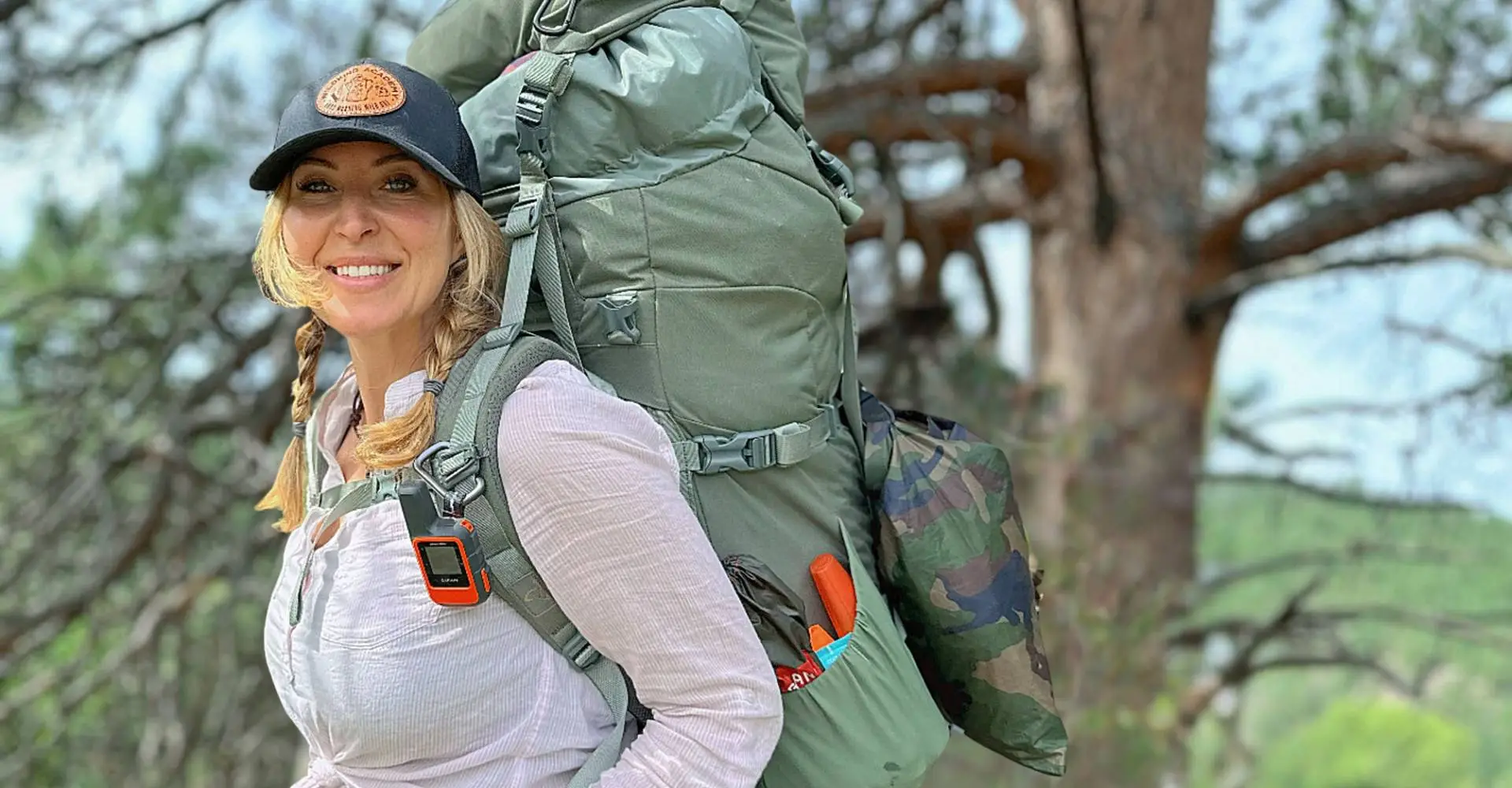
Some beginners carry too much gear while forgetting the essentials. A good survival kit should include practical items like a knife or multitool, fire starter, emergency shelter, water filter, flashlight, compass, first-aid kit, paracord, and emergency food. The goal is not carrying everything possible but carrying the items that matter most. Quality gear paired with practical skills creates real preparedness.
Final Thoughts
Survival rarely comes down to luck. Most wilderness emergencies begin with small mistakes that slowly grow into serious problems. The outdoors rewards preparation, patience, and practical skills. Learning how to stay calm, navigate, build fire, find safe water, and carry the right gear can prevent most dangerous situations before they start.
Start small. Practice often. Respect nature.
Because the best survival story is the one where nothing goes wrong.