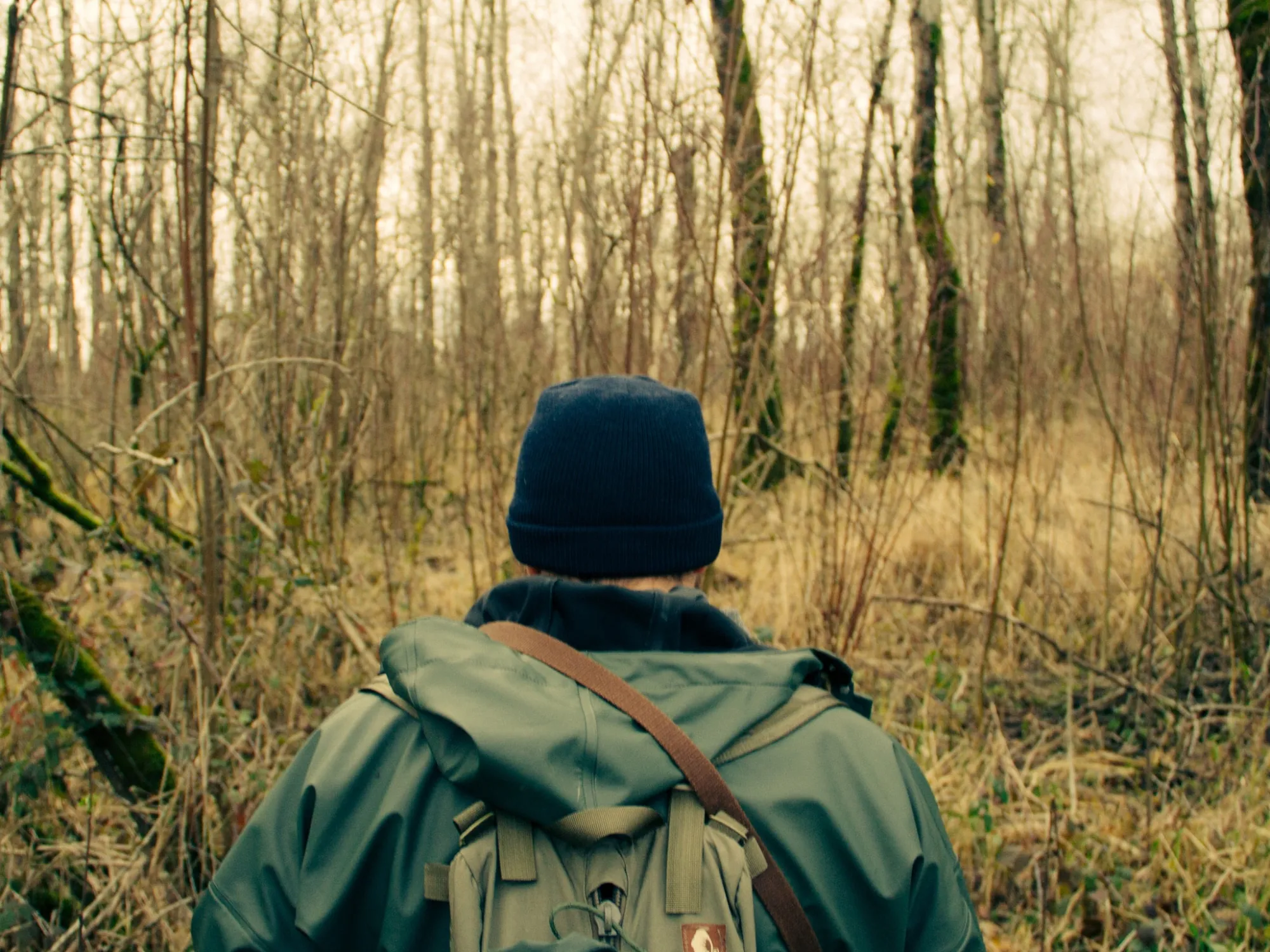
The moment I realized I had no signal and no clear path back, a strange mix of panic and clarity set in. The forest felt bigger, quieter, and more unpredictable than it had just minutes before. Every sound seemed amplified, and every direction looked the same. That feeling can spiral quickly if left unchecked, so the first thing I focused on was regaining control of my thoughts and actions before making any decisions.
Stop Moving and Calm Your Mind
My instinct at first was to keep walking, hoping I would eventually find a trail or something familiar. That urge is powerful, but it can make things worse by leading deeper into unfamiliar territory. I forced myself to stop, take a breath, and sit down for a few minutes to let the initial panic pass. Slowing down helped me think more clearly and prevented me from making careless choices.
I paid attention to my breathing and tried to steady it, counting each inhale and exhale. This simple act grounded me and gave me enough mental space to assess my situation properly. Fear thrives in chaos, and once I brought a bit of calm into the moment, I felt more capable of handling what came next. Staying still for a short time can save hours of wandering later.
Take Stock of What You Have
Once I settled down, I checked everything I had on me. Even without a phone, I found small items that could make a difference, like a water bottle, a jacket, and a few snacks. These things might seem basic, but in a survival situation, they become incredibly valuable. Knowing exactly what I had allowed me to plan more realistically.

I also looked at my surroundings and considered what the forest itself could offer. There were trees for shelter, leaves for insulation, and possibly water sources nearby. By combining what I carried with what nature provided, I started to feel less helpless. The situation didn’t change, but my perspective did, and that shift mattered.
Retrace Your Steps Carefully
Before deciding to move in a new direction, I thought back to how I got there. I tried to remember landmarks, turns, or anything that stood out along the way. Even small details like a fallen tree or a unique rock formation could help guide me back. Memory can be surprisingly useful if I give it time to surface.
Instead of rushing, I moved slowly and deliberately, scanning the area for familiar signs. I paid attention to footprints, disturbed leaves, or broken branches that might indicate my earlier path. If something didn’t feel right, I stopped and reassessed rather than pushing forward blindly. This cautious approach reduced the risk of getting even more lost.
Use Natural Clues to Find Direction
Without a compass or phone, I relied on natural indicators to get a sense of direction. The position of the sun became my primary reference point, helping me estimate east and west throughout the day. Shadows also gave me subtle hints about movement and orientation as time passed.
I noticed that certain sides of trees had more moss, and while it’s not always reliable, it provided additional context when combined with other observations. I also paid attention to the slope of the land and the flow of water, since streams often lead to larger bodies of water or even human settlements. These clues didn’t give me a perfect answer, but they helped me make more informed decisions.
Stay Put If Movement Feels Risky
At some point, I had to consider whether continuing to walk was actually the best option. If I felt unsure about my direction or if the terrain became difficult, staying in one place made more sense. It increased my chances of being found, especially if someone might be looking for me.
I chose a spot that was relatively open and easy to recognize, avoiding dense areas where visibility was limited. Remaining in one place also conserved energy, which is crucial if the situation lasts longer than expected. Sometimes the smartest move is to do less and wait rather than pushing forward without a clear plan.
Build a Simple Shelter
As time passed, I realized I needed to prepare for the possibility of staying overnight. I looked for a location that offered some natural protection, like a cluster of trees or a slight depression in the ground that blocked the wind. Then I used branches and leaves to create a basic shelter.
The goal wasn’t comfort but protection from the elements. I focused on keeping the structure low and stable, using larger branches as a frame and layering smaller materials on top. Even a simple shelter can make a big difference in maintaining body temperature and staying dry. It also gave me a sense of control in an otherwise uncertain situation.
Find and Conserve Water
Thirst can become a serious problem faster than hunger, so I prioritized finding water early on. I listened for the sound of running water and followed it carefully, making sure not to stray too far from my chosen area. Streams and small creeks are often easier to locate than expected if I pay attention.
Once I found water, I used it sparingly and avoided wasting any. If I wasn’t sure about its safety, I took small sips instead of drinking large amounts at once. Conserving what I had and supplementing it with natural sources helped me stay hydrated without taking unnecessary risks.
Signal for Help
Even without a phone, there are ways to make my presence known. I gathered materials to create visible signals, such as arranging rocks or branches in patterns that stand out from above. If I had anything reflective, I used it to catch sunlight and create flashes that could be seen from a distance.
I also made noise at intervals, using my voice or striking objects together. Sound can travel farther than expected in a forest, especially during quieter times of the day. These efforts might seem small, but they increase the chances of being noticed by others.
Manage Energy and Stay Warm
Energy management became one of my main priorities as time went on. I avoided unnecessary movement and focused on conserving strength for essential tasks. Even small actions, repeated over time, can drain energy quickly if I’m not careful.
Staying warm was equally important, especially as temperatures dropped. I used layers of clothing and added leaves or other natural materials for insulation. Keeping my body temperature stable helped prevent fatigue and maintained my ability to think clearly.
Keep a Clear Head Through the Night
Nightfall in the forest can feel overwhelming, with darkness and unfamiliar sounds creating a sense of isolation. I prepared myself mentally for this shift, reminding myself that fear is natural but doesn’t have to control my actions. Staying calm during the night is just as important as any physical preparation.
I stayed close to my shelter and avoided moving around unnecessarily in the dark. Instead, I focused on resting and conserving energy for the next day. Sleep might not come easily, but even short periods of rest can make a difference in how I handle the situation later.
Plan Your Next Move at Daybreak
With daylight, everything became clearer and more manageable. I took time in the morning to reassess my situation and decide on my next steps. The forest looked different in the light, revealing details I couldn’t see before.
If I felt confident about a direction based on new observations, I moved carefully and stayed aware of my surroundings. If not, I remained in my spot and continued signaling for help. Each decision was based on what gave me the best chance of staying safe and eventually being found.
Trust Your Instincts Without Acting on Panic
Throughout the experience, I learned to distinguish between instinct and panic. Instinct can guide me toward safer choices, while panic pushes me into rash decisions. Recognizing the difference allowed me to act more deliberately.
Whenever I felt overwhelmed, I paused and gave myself time to think before doing anything. That simple habit prevented mistakes and helped me stay focused on what mattered most. In a situation like this, patience can be just as valuable as any physical skill.
Stay Positive and Focused
Maintaining a positive mindset wasn’t easy, but it played a crucial role in how I handled being lost. I reminded myself that people have survived situations like this before and that I had the ability to do the same. That belief kept me moving forward without giving in to despair.
I focused on small, manageable tasks instead of the bigger picture. Building shelter, finding water, and staying warm became my priorities, and completing each one gave me a sense of progress. That steady focus helped me stay grounded even when uncertainty lingered.
Learn From the Experience
Once I was safe again, the experience stayed with me in ways I didn’t expect. It changed how I approach outdoor activities and made me more mindful of preparation. Simple things like telling someone my plans or carrying basic tools became non-negotiable.
It also gave me a deeper appreciation for awareness and self-reliance. Being lost without a phone forced me to rely on my instincts, observations, and patience. Those lessons don’t fade easily and can make a difference in many situations beyond the forest.
Final Thoughts on Staying Safe
Getting lost in the forest without a phone is unsettling, but it doesn’t have to end in disaster. The key is to stay calm, think clearly, and make deliberate choices based on what is available. Each small step contributes to a larger sense of control and safety.
The forest can feel intimidating, but it also offers resources and clues that can help guide the way. By paying attention, conserving energy, and staying focused, it’s possible to navigate the situation more effectively. In the end, survival often comes down to mindset as much as it does to action.