The moment the weather turns against you in the wilderness, comfort disappears and every decision starts to matter. I have faced days where rain refused to stop, nights where cold crept into my bones, and scorching afternoons that drained every ounce of energy I had. These experiences taught me that survival is not about strength alone but about preparation, awareness, and the ability to stay calm under pressure. The environment does not adjust for mistakes, so I learned to read it, adapt quickly, and respect its unpredictability.
Reading The Environment Before It Turns Against You
Weather rarely changes without warning, and paying attention to small signals has saved me more than once. Darkening clouds, shifting winds, sudden drops in temperature, or even the silence of wildlife can signal incoming trouble. I have learned to pause and observe rather than push forward blindly, especially when deep in unfamiliar terrain.
Preparation begins long before conditions become extreme. I make it a habit to study forecasts when possible, but I never rely on them completely. Nature often moves differently than predicted, so I always prepare for worse conditions than expected. Carrying the right gear is only part of the equation; knowing when to stop, set up shelter, or change direction makes a much bigger difference.
Recognizing terrain is just as important as reading the sky. Valleys can trap cold air, ridges are exposed to wind, and low areas flood quickly during heavy rain. I constantly assess where I am and where I should be if conditions deteriorate. That awareness helps me avoid turning a manageable situation into a dangerous one.

Staying Dry And Safe During Heavy Rain
Rain may seem less threatening than snow or heat, but prolonged exposure can wear down both body and mind. I have spent hours drenched in the wilderness, and the discomfort alone can lead to poor decisions if not managed properly. Staying dry is always my first priority, even before building a fire or preparing food.
A reliable shelter makes a massive difference. Whether I use a tarp, tent, or improvised structure, I focus on keeping water out and airflow steady. Setting up on slightly elevated ground prevents water from pooling beneath me, while angling the shelter correctly helps rain run off instead of collecting.
Clothing choices also matter more than most people realize. I avoid cotton entirely because it traps moisture and accelerates heat loss. Instead, I rely on materials that dry quickly and retain warmth even when damp. Layering allows me to adjust based on changing conditions, and I always keep a dry set of clothes protected in my pack.
Maintaining body temperature during rain is critical. Even in relatively warm environments, being soaked for hours can lead to hypothermia. I keep moving when necessary, but I also know when to stop and conserve energy. Balancing activity and rest becomes essential when the rain refuses to let up.
Building Effective Shelter In Wet Conditions
Improvising shelter during a storm requires quick thinking and attention to detail. I look for natural features like rock overhangs, dense tree cover, or fallen logs that can serve as a foundation. These elements reduce the amount of work needed and provide immediate protection from rain.
When constructing a shelter, I focus on water flow. Rainwater always finds the lowest point, so I shape the ground slightly if needed to redirect it away from where I will lie down. Even a small trench can prevent water from soaking through and ruining a night’s rest.
Ventilation is another factor that cannot be ignored. Completely sealing off a shelter may keep rain out, but it traps moisture inside. That dampness can be just as uncomfortable and dangerous as direct exposure. I aim for a balance that keeps me dry while allowing air to circulate.
Navigating And Moving Through Rain
Traveling in heavy rain presents its own set of challenges. Trails become slippery, visibility drops, and rivers can swell quickly. I slow my pace and prioritize stability over speed, especially on uneven or muddy terrain.
Crossing water becomes particularly risky. A stream that was easy to step over earlier can transform into a fast-moving obstacle within hours. I never underestimate water flow, and I always look for safer crossing points rather than forcing my way through.
Navigation also becomes harder when landmarks are obscured. I rely more on my compass and map during these times, double-checking my direction regularly. Losing track of where I am during a storm can quickly escalate into a much larger problem.
Managing Cold And Snow Exposure
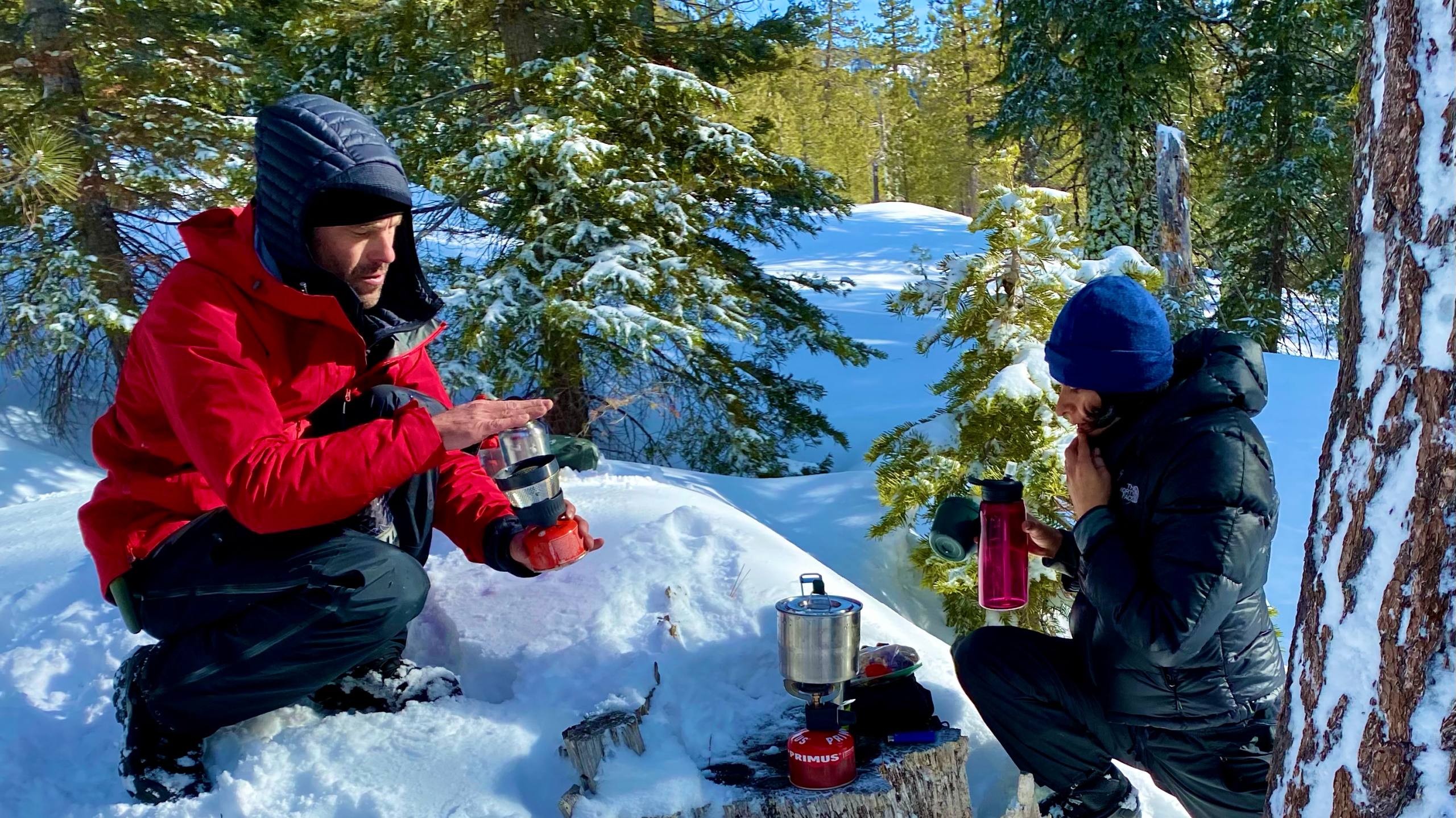
Snow introduces a different kind of danger that is both quiet and relentless. Cold drains energy slowly, and it can be difficult to notice how serious the situation has become until it is too late. I have learned to treat cold weather with constant vigilance, even when conditions seem manageable.
Layering clothing is my primary defense against the cold. I build layers that trap heat while allowing moisture to escape. Sweat can be just as dangerous as external moisture, so I adjust my activity level to avoid overheating and soaking my clothes from the inside.
Protecting extremities is equally important. Fingers, toes, ears, and the nose are particularly vulnerable to frostbite. I check them frequently and keep them covered, even when it feels inconvenient. Small discomforts are easier to handle than permanent damage.
Staying active helps maintain body heat, but overexertion can backfire. I pace myself carefully, conserving energy while generating enough movement to stay warm. That balance is something I have learned through experience rather than theory.
Building Warm Shelter In Snow
Creating a warm shelter in snowy conditions requires both effort and patience. Snow can actually serve as insulation if used correctly, which surprised me the first time I relied on it. Structures like snow trenches or compacted shelters can trap heat effectively.
I start by insulating the ground because direct contact with snow pulls heat away quickly. Using branches, gear, or even packed snow layers helps create a barrier. Elevating my body slightly can make a noticeable difference in comfort and warmth.
Blocking wind is another priority. Wind chill can make temperatures feel far colder than they actually are. Positioning the shelter behind natural barriers or building walls with snow helps reduce exposure and retain heat.
Inside the shelter, I focus on minimizing heat loss. Small adjustments like tightening openings or reinforcing weak spots can improve conditions significantly. Every bit of retained warmth contributes to staying safe through the night.
Fire Management In Cold Conditions
Fire becomes more than a convenience in snowy environments; it becomes a lifeline. Starting a fire in wet or freezing conditions can be difficult, so I always prepare materials in advance when possible. Dry tinder is invaluable, and I keep it protected at all times.
Finding fuel requires patience. Dead branches from standing trees are usually drier than those on the ground, even after snowfall. I gather more wood than I think I need because fires consume fuel quickly in cold conditions.
Maintaining a fire is just as important as starting one. I monitor it closely, ensuring it stays strong and consistent. A weak fire provides little benefit, while a well-maintained one can restore warmth, dry clothing, and boost morale.
Handling Extreme Heat And Sun Exposure
Heat presents challenges that are often underestimated. Dehydration and exhaustion can creep in gradually, making it difficult to recognize danger until it becomes severe. I have learned to respect heat as much as cold because both can be equally unforgiving.
Water management becomes my top priority in hot conditions. I ration carefully but never restrict intake to the point of dehydration. Finding and purifying water sources is essential, and I plan my movements around access to water whenever possible.
Sun exposure adds another layer of risk. I protect my skin with clothing and seek shade whenever I can. Direct sunlight drains energy quickly, so I adjust my schedule to travel during cooler parts of the day.
Resting during peak heat is not a sign of weakness but a strategic decision. I conserve energy and avoid pushing myself beyond safe limits. That discipline helps prevent heat-related illnesses and keeps me functional for longer periods.
Creating Shade And Cooling Strategies
Improvised shade can make a significant difference in extreme heat. I use tarps, natural cover, or even terrain features to create relief from direct sunlight. Staying in the shade reduces water loss and helps regulate body temperature.
Cooling the body involves more than just resting. I take advantage of water sources to lower my temperature when possible, wetting clothing or applying water to pulse points. These small actions can provide noticeable relief.
Ventilation plays a role in staying cool. I avoid enclosed spaces that trap heat and instead choose areas with airflow. Even a light breeze can help dissipate heat and improve comfort.
Managing Energy And Mental Focus
Extreme weather tests not only physical endurance but also mental resilience. I have experienced moments where fatigue and discomfort made it tempting to give up or make careless decisions. Maintaining focus during these times is critical.
Breaking tasks into smaller steps helps me stay organized and avoid feeling overwhelmed. Instead of thinking about the entire situation, I focus on immediate priorities like shelter, water, and safety. This approach keeps my mind clear and my actions deliberate.
Staying calm is not always easy, but it is necessary. Panic leads to mistakes, and mistakes in extreme conditions can be costly. I remind myself to slow down, assess the situation, and act with intention.
Confidence grows with experience, but I never allow it to turn into complacency. Each situation is different, and I treat it with the respect it deserves. That mindset keeps me alert and prepared for whatever comes next.
Preparing Before Entering The Wilderness
Preparation remains the strongest defense against extreme weather. I pack gear that matches the environment and anticipate potential challenges before they arise. Having the right tools can turn a dangerous situation into a manageable one.
I also make sure to inform someone about my plans whenever possible. Letting others know where I am going and when I expect to return adds an extra layer of safety. In case something goes wrong, that information can make a significant difference.
Training and practice are just as important as equipment. Skills like building shelter, starting a fire, and navigating without technology require repetition. I continue to refine these skills so that they become second nature when needed.
Experience has shown me that preparation is not about carrying everything but about carrying the right things and knowing how to use them. That combination creates confidence and increases the chances of staying safe in unpredictable conditions.
Adapting To Changing Conditions
Weather can shift rapidly, and flexibility is essential for survival. I have learned to adjust plans without hesitation when conditions change. Sticking to a rigid plan in the wilderness can lead to unnecessary risks.
Sometimes the best decision is to stop and wait. Pushing forward during a storm or extreme heat can make the situation worse. Knowing when to pause and conserve energy has helped me avoid dangerous scenarios.
Adaptation also involves reassessing priorities. What seemed important earlier may no longer matter when conditions deteriorate. I focus on immediate needs and let go of anything that does not contribute to safety.
Each experience reinforces the importance of staying adaptable. The wilderness does not follow expectations, and the ability to respond effectively makes all the difference.
Final Thoughts On Enduring Extreme Weather
Facing rain, snow, and heat in the wilderness has taught me that survival is a combination of preparation, awareness, and resilience. Each type of weather brings its own challenges, but the principles remain consistent. Stay dry, stay warm or cool, conserve energy, and remain aware of the environment.
Mistakes can happen, but learning from them strengthens future decisions. I carry those lessons with me every time I step into the wilderness, knowing that conditions can change at any moment. Respecting nature and staying prepared allows me to navigate these challenges with confidence.
Survival is not about conquering the environment but about working with it. Adapting to its demands and respecting its power has kept me safe through countless situations. Those experiences continue to shape how I approach every journey into the wild.