Survival situations strip life down to its most basic needs, and food becomes more than comfort—it becomes a lifeline. Hunger sharpens instincts, but it can also cloud judgment, especially when deciding what animals are safe to eat and which ones could make things worse. I’ve spent time studying survival principles and imagining real-world scenarios where these choices matter, and one thing stands out clearly: not all animals are equal when your goal is to stay alive. Knowing what to eat, what to avoid, and why can make the difference between enduring the situation or turning a bad moment into a fatal one.
Why Animal Choice Matters in Survival
Calories are crucial, but they aren’t the only factor to think about. Some animals provide clean, reliable nutrition, while others carry toxins, parasites, or risks that outweigh any benefit. In a survival scenario, the wrong meal can lead to food poisoning, dehydration, or even death, all of which are far more dangerous than temporary hunger.
Energy expenditure also plays a major role. Chasing large animals might sound ideal because of the meat yield, but it often burns more calories than it provides unless you have tools or experience. Smaller, easier-to-catch animals tend to be a smarter choice because they offer a more consistent return on effort.
Risk management becomes the silent rule behind every decision. It’s not just about whether something is edible, but whether it’s worth the danger involved in catching, preparing, and consuming it.

Safe and Reliable Animals to Eat
Small mammals are often the best starting point. Animals like rabbits, squirrels, and rodents are widely available in many environments and are generally safe when cooked properly. They don’t require complex hunting strategies, and simple traps can be enough to catch them with minimal energy.
These animals provide protein and fat, though some, like rabbits, are very lean. Eating only lean meat for extended periods can lead to what’s sometimes called “rabbit starvation,” where the body lacks enough fat to sustain itself. Even so, in the short term, they are a dependable food source.
Birds also fall into the safe category. Ground birds, pigeons, and similar species are relatively easy to catch or trap, and their meat is nutritious. Eggs, when available, are an added bonus because they provide fat and essential nutrients without the need to kill the animal.
Fish are among the most efficient survival foods. They require less energy to catch compared to land animals, especially if you have access to simple fishing methods like lines or improvised nets. Fish provide a balance of protein and fat, and they are usually safe as long as they are cooked thoroughly.
Insects might not be appealing, but they are one of the most reliable survival foods. Grasshoppers, crickets, and certain larvae are rich in protein and widely available. They require almost no effort to gather, and when cooked, they can be surprisingly palatable. Avoid brightly colored insects, as these often signal toxicity.
Animals That Require Caution
Reptiles and amphibians can be a mixed category. Some, like certain snakes and frogs, are edible and even nutritious, but they require careful identification. Not all species are safe, and some carry toxins that cooking will not eliminate.
Snakes, for example, can be a good food source, but venomous species require extra care during preparation. The venom itself is generally harmless when ingested, but the risk lies in handling and killing the animal. Frogs can be edible, but certain species, especially brightly colored ones, are highly toxic.
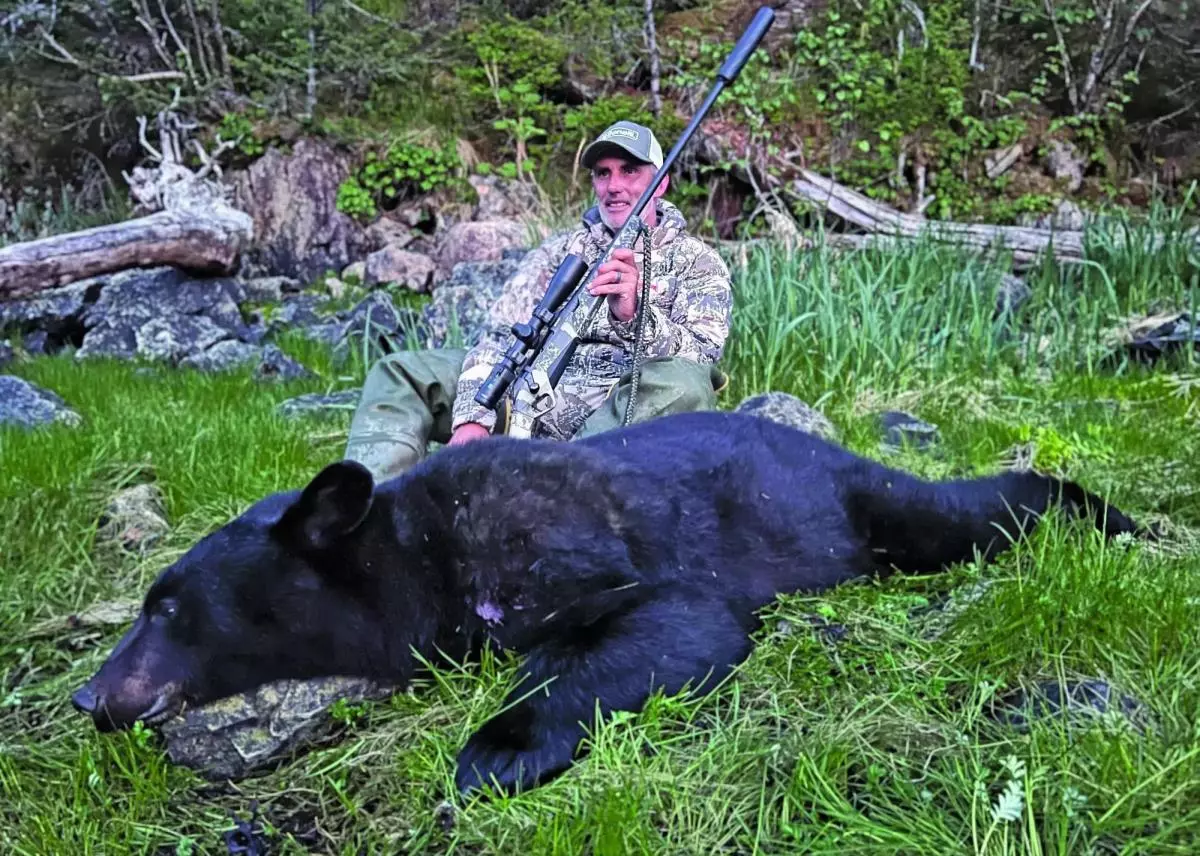
Wild pigs and larger mammals provide substantial meat, but they come with risks. These animals can be dangerous to hunt and often carry parasites. Proper cooking is essential, and without the ability to cook thoroughly, the risk increases significantly.
Scavenger birds and animals also fall into this category. While technically edible, they often feed on carrion, which increases the likelihood of disease. Eating them without proper cooking or preparation can lead to serious illness.
Animals You Should Avoid Completely
Some animals are simply not worth the risk, no matter how desperate the situation feels. Poisonous creatures are at the top of this list. Brightly colored frogs, certain marine animals, and insects with vivid patterns often signal danger.
Marine life presents unique challenges. Pufferfish, for instance, contain potent toxins that can be fatal even in small amounts. Without expert knowledge, attempting to prepare such animals is extremely dangerous.
Predators like large carnivores are also poor choices. Not only are they difficult and dangerous to hunt, but they also tend to carry higher levels of parasites and toxins due to their position in the food chain. The effort and risk involved rarely justify the reward.
Animals found dead should generally be avoided. It might seem like an easy meal, but the cause of death is unknown, and the meat may already be contaminated. Consuming such meat can lead to severe illness, which is far more dangerous than going without food for a while.
Signs an Animal Might Be Unsafe
Nature often provides warning signs if you know what to look for. Bright coloration in animals is frequently a signal of toxicity. This is especially common in insects, amphibians, and some marine species.
Unusual behavior can also be a red flag. Animals that appear sick, sluggish, or disoriented may carry diseases. Consuming them increases the risk of infection, which can quickly become life-threatening in a survival situation.
Strong or unusual odors are another indicator. Fresh meat should not have a foul smell, and any sign of decay means it is unsafe to eat. Trusting your senses is essential, even when hunger is intense.
Preparation Makes the Difference
Even safe animals can become dangerous if not prepared properly. Cooking is one of the most effective ways to eliminate parasites and bacteria. Whenever possible, meat should be cooked thoroughly to reduce health risks.
Removing certain parts of the animal can also improve safety. Organs like the liver can accumulate toxins, especially in larger animals. While they can be nutritious, they should be consumed cautiously and only when you are confident in their safety.
Clean handling is just as important as cooking. Using clean tools and avoiding contamination during preparation can prevent illness. In survival situations, even small mistakes can have serious consequences.
Balancing Effort and Reward
Efficiency becomes a guiding principle when food is scarce. Spending hours chasing a large animal might leave you exhausted with nothing to show for it. On the other hand, setting traps for smaller animals allows you to conserve energy while increasing your chances of success.
Fishing often provides the best balance between effort and reward. Once a line is set, it continues working while you focus on other survival tasks. This passive approach is invaluable when energy needs to be conserved.
Foraging for insects or collecting eggs can supplement your diet without significant effort. These small additions can make a big difference over time, especially when larger food sources are unavailable.
Psychological Barriers to Overcome
Eating animals you would normally avoid can be mentally challenging. Insects, rodents, and other unconventional foods might trigger hesitation or discomfort. Overcoming this barrier is essential in a survival scenario.
Hunger eventually shifts perspective, but waiting until that point can be risky. Accepting early on that survival food is different from everyday meals helps you adapt more quickly. The goal is not enjoyment but sustenance.
Maintaining a clear mindset is just as important as finding food. Panic and desperation can lead to poor decisions, including eating unsafe animals. Staying calm allows you to think critically and make better choices.
Regional Differences in Survival Food
The environment heavily influences what animals are available and safe to eat. In forests, small mammals and birds are often the primary options. Rivers and lakes provide fish, while insects are almost always present.
Deserts present unique challenges, with fewer visible animals and harsher conditions. Reptiles and insects become more important in these environments, but careful identification is crucial.
Coastal areas offer abundant food sources, including fish, shellfish, and certain marine plants. However, the risk of toxic species is higher, making knowledge even more important.
Adapting to your surroundings is key. What works in one environment may not apply in another, and flexibility increases your chances of survival.
Long-Term Survival Considerations
Sustaining yourself over time requires more than just finding food. Nutritional balance becomes important, as relying on a single type of animal can lead to deficiencies. Combining different food sources helps maintain energy and health.
Preservation methods can extend the usefulness of your food. Drying or smoking meat allows you to store it for later, reducing the pressure to find food every day. This can be especially valuable in unpredictable environments.
Building reliable systems, such as trap lines or fishing setups, creates consistency. Instead of constantly searching for food, you establish methods that work over time, freeing up energy for other survival needs.
Final Thoughts
Survival is not about eating anything you can find, but about making informed choices that keep you alive and functional. Some animals offer safe, reliable nutrition, while others pose risks that outweigh their benefits. Recognizing the difference requires awareness, patience, and a willingness to adapt.
Hunger can push you toward desperate decisions, but knowledge acts as a safeguard. Knowing what animals you can eat and which ones to avoid gives you a critical advantage. In the end, survival is not just about enduring the moment, but about making the right decisions that allow you to see another day.