Rain has a way of turning a simple fire into a frustrating battle, especially when everything around feels damp, cold, and uncooperative. I’ve had moments outdoors where even dry-looking wood refused to catch, leaving me with numb fingers and a growing sense of urgency. Over time, I learned that not all fire starters are built the same, and some truly shine when conditions are far from ideal. The difference between a miserable experience and a warm, controlled fire often comes down to preparation and the right tools.
Why Wet Conditions Make Fire Starting Difficult
Moisture is the biggest enemy of fire, and it doesn’t take much to ruin your chances. Even if wood looks dry on the outside, internal moisture can prevent it from igniting properly. I’ve picked up sticks that snapped cleanly, only to find they hissed and smoked without ever catching a steady flame. That’s because water absorbs heat energy that would otherwise fuel combustion.
Humidity also plays a subtle but powerful role in how materials behave. Tinder that works perfectly on a dry day can become stubborn and ineffective when the air is saturated. I’ve noticed that even sparks from a ferro rod seem weaker when everything around is damp, making it harder to sustain ignition. This means your fire starter has to compensate for both wet materials and challenging environmental conditions.
Wind and cold temperatures often come along with rain, adding more layers of difficulty. A weak flame can be extinguished in seconds, and your hands may not cooperate as easily when they’re cold. In those situations, reliable fire starters are not just convenient but essential.

What Makes a Fire Starter Reliable in the Rain
Not all fire starters are built to handle moisture, and I’ve learned that trial and error is often the only way to figure out what truly works. The most reliable ones share a few key traits that make them stand out in wet conditions. One of the most important is the ability to burn hot enough to dry out nearby materials.
Another factor is burn time, which is often overlooked by beginners. A quick spark or short flame may not be enough to ignite damp wood, especially if it takes time to evaporate moisture. I’ve found that longer burn times give me a much better chance of building a sustainable fire, even when everything feels soaked.
Water resistance is equally important, especially for storage and transport. A fire starter that becomes useless after getting wet defeats its own purpose. The best ones either repel water or can still ignite effectively even after exposure to rain.
Ease of ignition also matters more than people think. In wet conditions, I don’t want to struggle with complicated techniques or unreliable sparks. Simple, consistent performance can make all the difference when conditions are working against you.
Ferro Rods and Why I Always Carry One
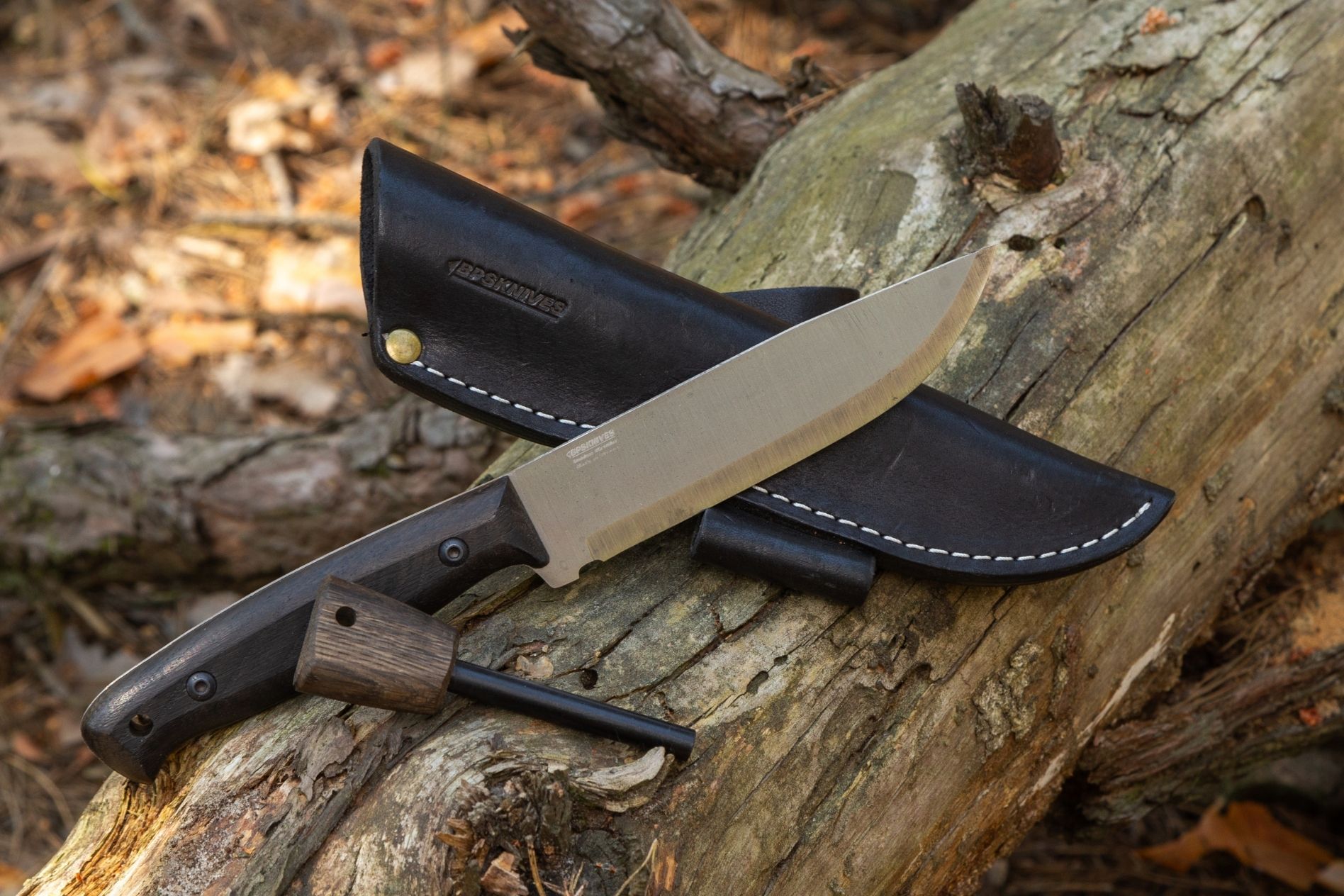
Ferrocerium rods, often called ferro rods, have become one of my go-to tools for starting fires in any weather. They produce extremely hot sparks that can ignite a variety of materials, even when those materials are slightly damp. I’ve used them in light rain and still managed to get a fire going with the right tinder.
What I like most about ferro rods is their durability. Unlike matches or lighters, they don’t rely on fuel that can run out or components that can fail easily. I’ve kept one in my pack for years, and it still performs just as well as when I first got it. That kind of reliability is hard to beat.
That said, ferro rods are only as effective as the tinder you pair them with. I’ve made the mistake of relying on poor-quality tinder, and even the best sparks couldn’t compensate for it. Once I started pairing my ferro rod with dependable tinder, my success rate improved dramatically.
Using a ferro rod does require a bit of practice, especially in wet conditions. I’ve learned to control the angle and pressure of my strikes to produce consistent sparks. With enough experience, it becomes second nature and a dependable part of my fire-starting routine.
Waterproof Matches That Don’t Let Me Down
Waterproof matches have saved me more than once when everything else felt unreliable. These matches are designed to light even after being exposed to water, which makes them incredibly useful in rainy environments. I’ve dropped them in puddles, shaken them off, and still managed to get a strong flame.
One of the advantages of waterproof matches is their simplicity. There’s no technique required beyond striking them, which is a big plus when conditions are harsh. I’ve appreciated that simplicity when my hands were cold or when I needed a quick, reliable flame.
However, I’ve also learned not to rely on them exclusively. They can run out, and losing a match container can leave you without a backup. That’s why I always pair them with another fire-starting method, just to be safe.
Proper storage is key to keeping waterproof matches effective. I keep mine in a sealed container to ensure they stay dry and ready for use. Even though they’re designed to handle moisture, extra protection never hurts.
Cotton Balls and Petroleum Jelly Combo
One of the simplest and most effective fire starters I’ve ever used involves cotton balls coated in petroleum jelly. This combination creates a highly flammable material that burns longer than you might expect. I’ve relied on this method countless times, especially when dealing with damp conditions.
The petroleum jelly acts as a fuel, allowing the cotton to burn slowly and consistently. I’ve found that even a small amount can produce a flame that lasts several minutes. That extra time makes it much easier to ignite damp kindling.
Preparation is straightforward, and I often make these at home before heading out. I store them in a small waterproof container to keep them protected. Having a few of these on hand gives me confidence that I can start a fire even in less-than-ideal conditions.
Lighting them is also easy, whether I’m using a lighter, matches, or a ferro rod. Once ignited, they provide a steady flame that can handle a bit of wind and moisture. It’s a simple solution that consistently delivers results.
Commercial Fire Starters Worth Carrying
Commercial fire starters have come a long way, and some are specifically designed for wet conditions. I’ve tried several types over the years, and the best ones combine long burn times with strong resistance to moisture. These products often outperform improvised solutions, especially in extreme environments.
One type I’ve found particularly effective is solid fuel tabs. They’re compact, lightweight, and burn hot enough to ignite damp wood. I’ve used them in steady rain, and they still managed to produce a reliable flame.
Another option includes wax-based starters, which are designed to repel water and burn for extended periods. I’ve been impressed by how well they perform, even after being exposed to moisture. Their consistency makes them a dependable choice.
The main downside is cost, as commercial options can be more expensive than DIY solutions. Still, I consider them a worthwhile investment for situations where reliability is critical. Having a few in my kit adds an extra layer of security.
Natural Fire Starters I Rely On Outdoors
Even in wet conditions, nature can provide useful materials if you know where to look. I’ve learned to identify certain natural tinders that remain effective despite moisture. Birch bark, for example, contains natural oils that allow it to burn even when damp.
Pine resin is another excellent option that I’ve used with great success. It ignites easily and burns hot, making it ideal for starting fires in challenging conditions. I’ve collected small amounts and stored them for later use, especially when I know I’ll be in wet environments.
Dead branches found under dense tree cover can also be surprisingly dry. I’ve often found usable tinder by breaking apart wood that hasn’t been directly exposed to rain. It takes a bit of effort, but the results are worth it.
Relying on natural materials requires knowledge and observation. I’ve made mistakes in the past by choosing the wrong materials, but experience has helped me improve. Combining natural tinders with reliable fire starters often leads to the best results.
Tips That Help Me Start Fires in Wet Weather
Starting a fire in wet conditions isn’t just about the tools you use. Technique plays a huge role, and I’ve picked up several habits that improve my chances of success. One of the most important is creating a dry base for the fire.
I often use bark, leaves, or even small sticks to elevate my tinder off the wet ground. This prevents moisture from seeping into the materials and makes ignition easier. It’s a simple step that can make a big difference.
Another tip is to split wood whenever possible. The inside of a piece of wood is often drier than the outside, and exposing that inner surface can improve your chances. I’ve relied on this technique many times when surface materials were too damp to use.
Patience is also essential, especially in tough conditions. Rushing the process can lead to wasted materials and frustration. Taking the time to build a proper fire structure and prepare your materials pays off in the end.
Building Confidence Through Practice
Experience is the best teacher when it comes to fire starting, especially in wet environments. I’ve learned more from failed attempts than from easy successes. Each challenge has helped me refine my approach and understand what works best.
Practicing in different conditions has made a noticeable difference in my confidence. I no longer feel the same level of stress when faced with rain or damp surroundings. Instead, I rely on proven methods and tools that I know will perform.
Having multiple fire-starting options is something I always prioritize. Redundancy ensures that I’m not left without a solution if one method fails. It’s a simple strategy that provides peace of mind.
Over time, starting a fire in wet conditions becomes less of a struggle and more of a manageable task. With the right preparation and mindset, it’s entirely possible to stay warm and safe, even when the weather isn’t cooperating.