Cold rain, biting wind, and long nights outdoors quickly reveal how important proper shelter really is. A reliable survival tent or tarp is not just about comfort but about safety, energy conservation, and staying dry when conditions turn against you. I’ve spent enough time outdoors to know that the wrong shelter can turn a manageable situation into a miserable one, while the right setup can make even harsh environments feel controlled. The difference lies in knowing what to look for and how each option fits your specific needs.
Purpose Drives Everything
The first thing I always consider is the purpose behind carrying a shelter. Not every situation calls for the same type of protection, and trying to force one solution into every scenario often leads to frustration. A weekend hiking trip has very different demands compared to a long-term survival situation or emergency evacuation.
For short trips where weight matters, I lean toward lightweight tarps or minimalist tents. These allow for flexibility without adding unnecessary bulk to my pack. In contrast, if I’m planning for extended stays or unpredictable conditions, I prioritize durability and full coverage even if it means carrying extra weight.
Thinking about purpose also helps narrow down features. A shelter for heavy storms needs stronger materials and better waterproofing, while one meant for mild climates can afford to be more breathable and lightweight. This mindset prevents overpacking and ensures I carry exactly what I need.

Tent Versus Tarp Differences
Deciding between a tent and a tarp is one of the biggest choices I make. Both have their place, but they serve very different roles in survival situations. A tent provides enclosed protection, while a tarp offers versatility and adaptability.
Tents are excellent for shielding against insects, wind, and heavy rain. They create a secure environment that requires minimal setup once you’re familiar with the design. I appreciate tents when I need reliable, consistent shelter without having to improvise too much.
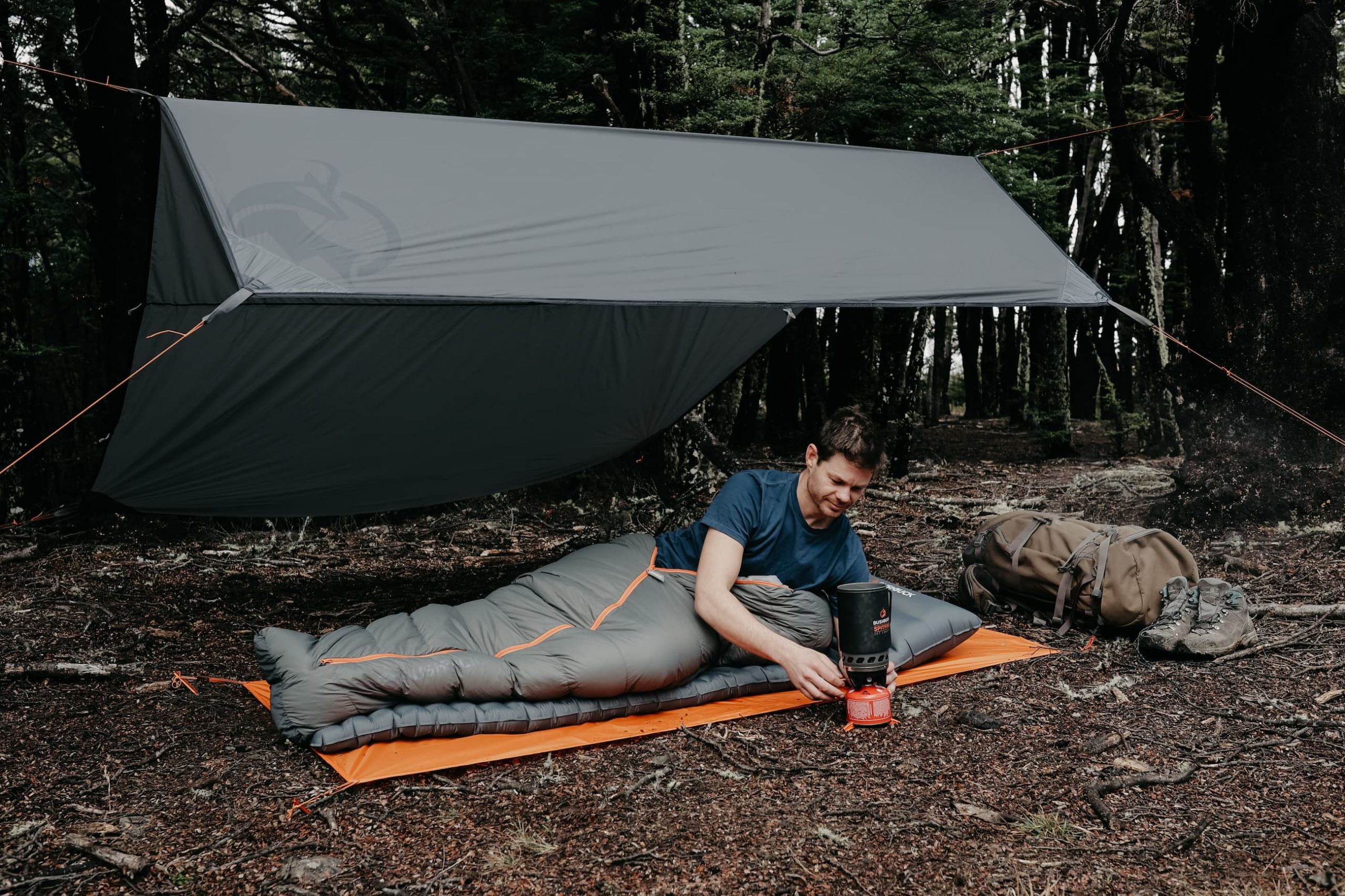
Tarps, on the other hand, give me flexibility that tents simply cannot match. I can configure them in multiple ways depending on terrain, weather, and available anchor points. This adaptability is valuable in survival scenarios where conditions are constantly changing. However, tarps demand more skill and effort to set up effectively.
Weather Resistance Matters
Weather can change quickly, and I’ve learned never to underestimate it. The right shelter should handle rain, wind, and even snow without compromising safety. This is where material quality and design become critical.
Waterproofing is a top priority. I always check the hydrostatic rating or at least ensure the material has a proven water-resistant coating. Staying dry is not just about comfort, as prolonged exposure to moisture can lead to hypothermia and fatigue.
Wind resistance is just as important. A shelter that flaps wildly or collapses under pressure is not something I want to rely on. I look for designs with strong anchoring systems and low profiles that can withstand strong gusts. This becomes especially important in open or elevated terrain.
Weight And Packability
Every ounce matters when I’m carrying gear for long distances. A heavy shelter can drain energy quickly and reduce mobility, which is the last thing I want in a survival situation. That’s why I pay close attention to weight and pack size.
Lightweight tents and tarps are ideal for mobility. They allow me to move faster and conserve energy, which is crucial during emergencies or long treks. However, lighter materials can sometimes mean reduced durability, so I always balance weight with reliability.
Packability is another factor that often gets overlooked. A shelter that folds down compactly fits better in my pack and leaves room for other essentials. Bulky gear can become a burden, especially when space is limited.
Ease Of Setup In Real Conditions
Setting up a shelter in perfect weather is one thing, but doing it in the rain or darkness is another challenge entirely. I always consider how quickly and easily I can pitch a tent or tarp under pressure.
Simple designs with fewer components are usually my preference. Complicated setups increase the risk of mistakes, especially when I’m tired or dealing with bad weather. A shelter that can be pitched quickly gives me a significant advantage.
With tarps, setup skills become even more important. I practice different configurations so I can adapt to various environments. Knowing how to set up a tarp efficiently makes it just as reliable as a tent in many situations.
Durability And Material Strength
Survival gear needs to withstand rough use, and shelters are no exception. I pay close attention to the materials used, as they determine how well the shelter holds up over time.
Ripstop fabrics are a common choice because they prevent small tears from spreading. This is crucial when dealing with sharp branches or rocky ground. Reinforced stitching and strong tie-out points also add to the overall durability.
Poles and stakes in tents should be sturdy enough to handle stress without bending or breaking. For tarps, strong grommets or loops are essential for secure anchoring. These small details often make a big difference in real-world use.
Ventilation And Condensation Control
Staying dry inside a shelter is not just about blocking rain. Condensation can build up quickly, especially in enclosed tents, and create damp conditions that are uncomfortable and potentially dangerous.
Good ventilation helps reduce moisture buildup. I look for tents with mesh panels or adjustable vents that allow airflow without letting in rain. This balance keeps the interior comfortable even during extended use.
Tarps naturally offer better airflow due to their open design. However, they require careful positioning to protect against wind and rain while maintaining ventilation. This is where experience and practice come into play.
Ground Conditions And Terrain
The environment I’m in greatly influences my shelter choice. Rocky ground, dense forests, and open fields all present different challenges that affect setup and stability.
In areas with limited anchor points, freestanding tents are incredibly useful. They don’t rely heavily on stakes and can be set up on hard surfaces. This flexibility is something I value when terrain is unpredictable.
Tarps excel in environments where natural anchors like trees are available. I can use branches, rocks, or even my trekking poles to create a stable setup. This adaptability makes tarps a strong option in wilderness settings.
Multi-Use Versatility
Versatility is one of the biggest advantages I look for in survival gear. A tarp, in particular, can serve multiple purposes beyond shelter. It can be used as a ground cover, rain catcher, or even a makeshift stretcher in emergencies.
This multi-use capability reduces the need to carry additional gear. I find that having equipment that can perform several functions makes my setup more efficient and adaptable. It also saves space and weight in my pack.
While tents are more specialized, some models offer modular features that increase their usefulness. Removable rainflies and adjustable configurations can add flexibility, though not to the same extent as a tarp.
Budget And Long-Term Value
Cost is always a factor, but I focus more on value than price alone. A cheap shelter that fails when I need it most is not worth the savings. Investing in quality gear pays off in the long run.
I look for products that balance affordability with reliability. Sometimes spending a bit more upfront ensures better materials, stronger construction, and longer lifespan. This approach reduces the need for frequent replacements.
It’s also important to consider how often I’ll use the shelter. Frequent use justifies a higher investment, while occasional trips might allow for more budget-friendly options. Matching cost to usage helps me make smarter decisions.
Skill Level And Experience
Experience plays a significant role in determining which shelter works best. Tarps require more skill to set up effectively, while tents are generally more beginner-friendly.
I’ve found that practicing with different setups improves confidence and efficiency. Knowing how to adapt a tarp to various conditions makes it a powerful tool in survival situations. Without that knowledge, it can feel unreliable.
For those with less experience, starting with a simple tent might be the better option. It provides consistent protection without requiring advanced skills. Over time, adding tarp skills can expand capabilities.
Balancing Comfort And Survival Needs
Comfort should never be ignored, even in survival scenarios. A well-rested body performs better and makes clearer decisions, which can be critical in challenging situations.
I consider factors like interior space, headroom, and ease of entry when selecting a shelter. Cramped conditions can lead to discomfort and poor sleep, affecting overall performance.
At the same time, I avoid prioritizing comfort at the expense of practicality. The goal is to find a balance where the shelter provides adequate protection without becoming a burden to carry or set up.
Final Thoughts On Making The Right Choice
Selecting the right survival tent or tarp is not about finding a single perfect option but about matching the shelter to specific needs and conditions. Each choice involves trade-offs, and recognizing those trade-offs helps me make better decisions.
I focus on purpose, environment, and personal capability when evaluating options. This approach ensures that the shelter I carry is not only reliable but also suited to the situation at hand.
The more time I spend outdoors, the more I appreciate the importance of a dependable shelter. It becomes a foundation for safety, rest, and resilience in unpredictable conditions. Taking the time to choose wisely makes all the difference when it matters most.