Stepping into the world of outdoor gear quickly reveals one debate that never seems to fade: multi-tools or survival knives. I’ve spent enough time packing, unpacking, and relying on both to know that this isn’t a simple either-or situation. Each tool brings its own strengths into the wild, and each has moments where it clearly outperforms the other. What matters most is how they function when things stop going according to plan and you have to depend on what’s in your hand. This comparison comes from real use, not just specs on paper, and the differences become obvious the moment you push both tools beyond convenience and into survival.
Purpose And Design Philosophy
Multi-tools are built around versatility. They aim to solve as many problems as possible in a compact format, combining pliers, screwdrivers, blades, scissors, and sometimes even saws into a single device. The design is rooted in practicality, especially for everyday fixes and quick adjustments where switching between tools would otherwise slow you down.
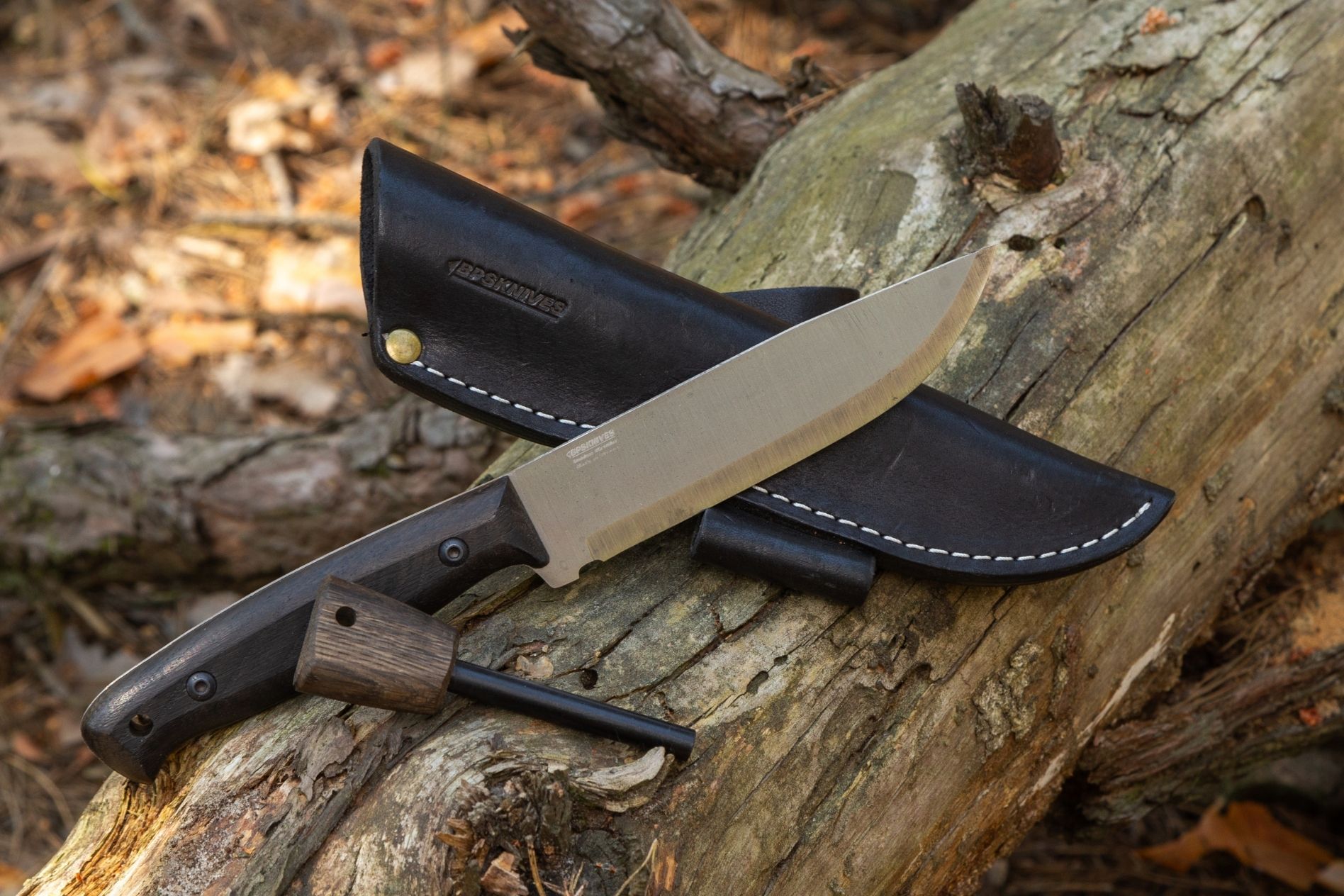
Survival knives follow a different philosophy entirely. They are designed with a singular purpose: reliability in harsh conditions. Instead of offering multiple functions, they focus on doing a few critical tasks exceptionally well, such as cutting, chopping, carving, and sometimes prying. That simplicity is what gives them their edge in demanding environments.
Holding both side by side highlights the contrast immediately. A multi-tool feels like a compact toolbox, while a survival knife feels like a dedicated piece of equipment meant for serious work. That difference becomes more important the longer you rely on them outdoors.

Portability And Convenience
Carrying a multi-tool is effortless. It fits easily into a pocket or clips onto a belt without adding noticeable weight, which makes it ideal for day trips or situations where minimal gear is preferred. The convenience of having multiple functions in one small package often outweighs its limitations, especially in controlled environments.
A survival knife, on the other hand, demands more commitment. It usually comes with a sheath and takes up more space on your belt or pack. While it’s still portable, it’s not something you forget you’re carrying. That added size, however, translates directly into capability, and the trade-off becomes worthwhile in more rugged scenarios.
I’ve found that convenience matters most before things get difficult. Once conditions shift and tasks become more demanding, the balance between portability and performance starts to tip.
Strength And Durability
Durability is where survival knives clearly take the lead. Most are made from thick, full-tang steel, meaning the blade extends through the handle for maximum strength. This construction allows them to handle heavy tasks like batoning wood, cutting through tough materials, and even light prying without the risk of failure.
Multi-tools, while well-engineered, are not built for that level of stress. Their folding components and smaller blades introduce weak points, especially under pressure. Applying too much force can damage hinges or cause tools to bend, which is the last thing you want when you’re far from help.
Using both in challenging conditions quickly reveals this gap. A survival knife inspires confidence when tackling hard tasks, while a multi-tool requires more caution. That difference alone can determine which tool you reach for when reliability matters most.
Versatility In Real Situations
Versatility is the defining strength of multi-tools. Having pliers, screwdrivers, and small blades in one unit allows for quick fixes and adjustments that a knife simply cannot handle. Repairing gear, tightening screws, or handling small mechanical tasks becomes much easier with a multi-tool.
Survival knives offer a different kind of versatility. They excel in outdoor-specific tasks like building shelters, preparing firewood, and processing food. While they don’t provide multiple built-in tools, their effectiveness across survival tasks makes them indispensable in the wilderness.
The key difference lies in the type of problems you expect to face. Multi-tools shine in technical or mechanical situations, while survival knives dominate in natural, rugged environments. Both are versatile, but in very different ways.
Performance In Survival Scenarios
Real survival situations strip away convenience and highlight necessity. In those moments, a survival knife often becomes the primary tool because it can handle the most critical tasks. Cutting branches, shaping stakes, and preparing firewood are all essential for staying safe and comfortable outdoors.
Multi-tools can still play a role, but they often act as a secondary option. Their smaller blades and limited strength make them less effective for heavy-duty tasks. However, their additional functions can still prove useful for finer work, such as repairing gear or handling delicate adjustments.
Experience has shown me that survival knives take the lead when conditions become unpredictable. They provide the reliability needed to manage core survival tasks without hesitation.
Ease Of Use And Accessibility
Speed matters when working outdoors, especially in situations where time and energy are limited. A survival knife is always ready, requiring no unfolding or adjustment before use. That immediate accessibility can make a difference when you need to act quickly.
Multi-tools require an extra step. Opening the correct tool and positioning it properly takes time, which can feel inconvenient when repeated frequently. While this isn’t a major issue in casual use, it becomes more noticeable during extended outdoor activities.
There’s also the matter of grip and comfort. Survival knives are designed to fit securely in the hand, allowing for controlled, powerful movements. Multi-tools, while functional, often lack that ergonomic advantage, especially during prolonged use.
Maintenance And Longevity
Maintaining a survival knife is relatively straightforward. Sharpening the blade, cleaning it, and occasionally oiling it are usually enough to keep it in good condition. The simplicity of its design means fewer parts can fail over time.
Multi-tools require more attention. With multiple moving parts, hinges, and components, they are more susceptible to wear and tear. Dirt and moisture can affect their functionality, and proper cleaning becomes more important to ensure they continue to operate smoothly.
Longevity often favors the simpler tool. A well-maintained survival knife can last for years with minimal issues, while a multi-tool may eventually show signs of mechanical fatigue due to its complexity.
Weight And Gear Load Considerations
Packing efficiently is always a priority, especially on longer trips. Multi-tools offer an advantage in weight distribution by combining several tools into one compact unit. This can help reduce the overall load, which is beneficial when every ounce counts.
Survival knives, although heavier, can replace multiple tools in a different way. Their ability to perform demanding tasks means you might not need additional equipment like small axes or saws. In that sense, they contribute to a more streamlined gear setup despite their size.
Balancing weight and functionality depends on the type of trip. Short outings may favor the compact nature of multi-tools, while extended survival scenarios often justify the presence of a dedicated knife.
Safety And Risk Factors
Safety is often overlooked in this comparison, but it plays a crucial role. Survival knives, with their fixed blades, offer predictable performance and reduce the risk of accidental closure during use. This makes them safer for heavy tasks that require consistent pressure.
Multi-tools introduce additional risks due to their folding mechanisms. Improper handling or excessive force can lead to tools snapping shut unexpectedly, which can cause injury. While modern designs have improved safety features, the risk is still present.
Using either tool responsibly is essential, but the inherent design differences influence how safe they feel in demanding situations. A stable, fixed blade often provides more confidence when working under pressure.
Cost And Value Over Time
Price can vary widely for both tools, but value is determined by how well they perform over time. Multi-tools often offer good value for everyday use because they combine several functions into one purchase. For those who need a general-purpose tool, they can be a cost-effective option.
Survival knives may seem more specialized, but their durability and performance justify the investment. A high-quality knife can handle tasks that would otherwise require multiple tools, making it a long-term asset rather than a single-purpose item.
Spending wisely depends on your priorities. If versatility in daily tasks is the goal, a multi-tool delivers strong value. If reliability in harsh conditions matters more, a survival knife becomes the better investment.
Situational Advantages
Different environments highlight the strengths of each tool. Urban settings, vehicle kits, and light outdoor activities often favor multi-tools due to their adaptability. They handle small repairs and adjustments with ease, making them practical for everyday carry.
Remote or wilderness settings shift the advantage toward survival knives. The ability to process wood, build shelters, and perform heavy cutting tasks becomes essential. In these scenarios, a multi-tool may still be useful, but it rarely replaces the need for a strong, fixed blade.
Matching the tool to the environment makes a significant difference. Carrying the right equipment for the situation ensures that you’re prepared for whatever challenges arise.
Which One Wins?
Declaring a clear winner isn’t as straightforward as it might seem. Multi-tools and survival knives serve different purposes, and their effectiveness depends on how and where they are used. Each excels in its own domain, making the comparison less about superiority and more about suitability.
If forced to choose one for true survival scenarios, I would lean toward the survival knife. Its strength, reliability, and ability to handle critical tasks give it an advantage when conditions become unpredictable. It performs consistently without the limitations that come with moving parts and compact designs.
That said, dismissing multi-tools would be a mistake. They provide a level of convenience and versatility that a knife alone cannot match. In many cases, carrying both offers the best balance, combining the strengths of each into a more complete setup.
Final Thoughts
Experience has shown that tools are only as valuable as the situations they’re used in. Multi-tools and survival knives each bring something important to the table, and relying on one over the other depends on your needs, environment, and level of preparation. The debate continues because both options are genuinely useful, not because one is inherently better in all cases.
Packing for the outdoors always involves trade-offs, and this choice is no exception. Prioritizing reliability, versatility, or convenience will guide your decision, but understanding the strengths of each tool makes that decision easier. In the end, the best approach often isn’t picking a side but recognizing when each tool has its moment to shine.