A reliable survival backpack is more than just storage; it becomes a lifeline when circumstances demand self-reliance for extended periods. I have come to appreciate how the right pack can make the difference between staying organized under pressure and struggling to keep essentials accessible. Long-term preparedness is not about stuffing gear into any bag you find, but about selecting something that supports endurance, comfort, and efficiency over days, weeks, or even longer. The backpack you carry shapes how well you move, how much you conserve energy, and how effectively you respond to changing conditions.
What Makes a Survival Backpack Suitable for Long-Term Use
Durability stands out as the first feature I pay attention to because long-term use exposes gear to harsh conditions. Materials like high-denier nylon or polyester resist tearing and abrasion, which is crucial when navigating rough terrain or unpredictable environments. Reinforced stitching and heavy-duty zippers also add to the lifespan of the pack, preventing failures that could compromise your entire setup.
Capacity is another major factor that influences how well a backpack performs over time. A pack that ranges from 50 to 80 liters usually provides enough space for extended trips without becoming unmanageable. I have noticed that anything smaller often forces difficult compromises, while oversized packs can lead to overpacking and unnecessary strain. Balance is key, and the right capacity helps maintain that balance.
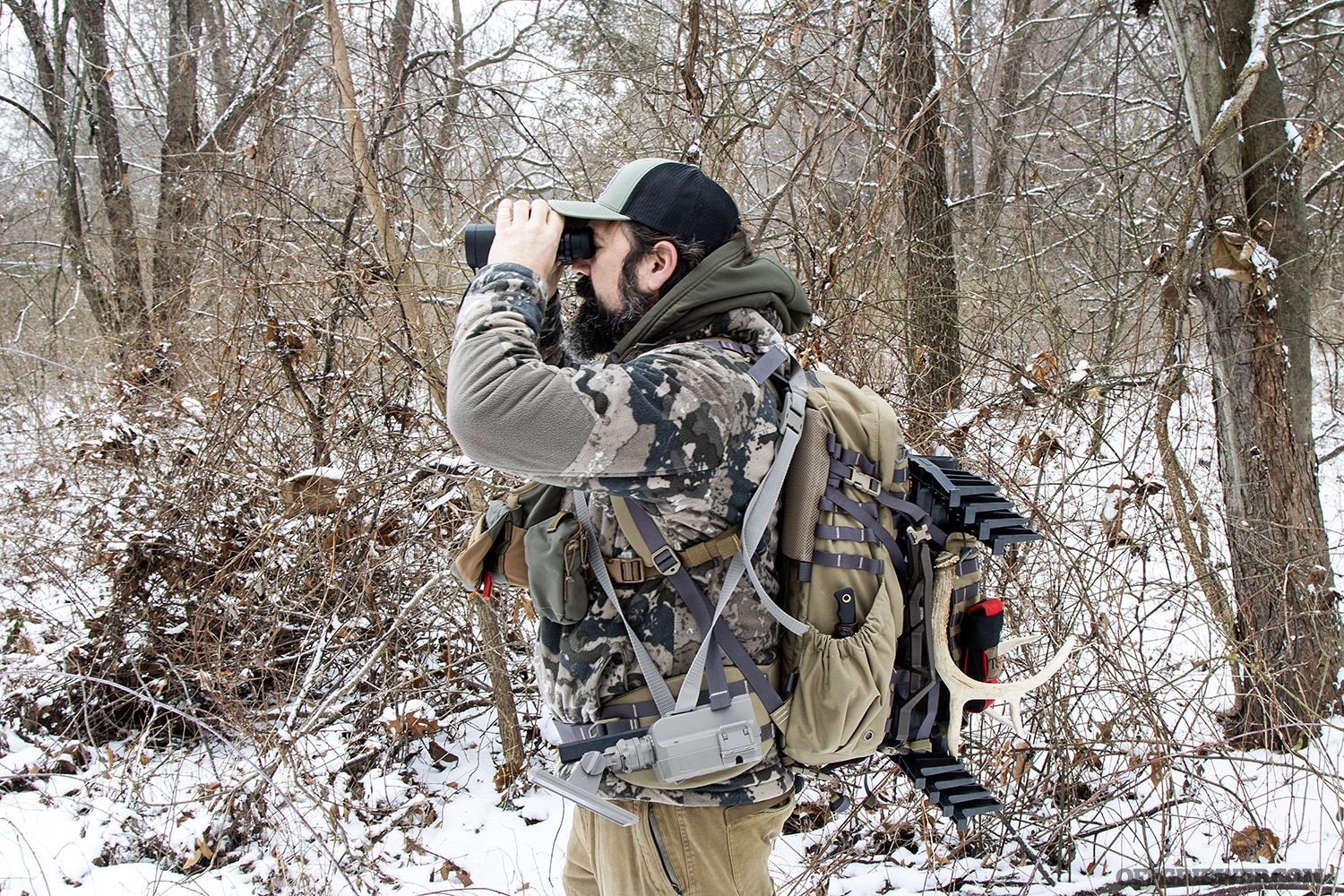
Comfort cannot be overlooked because long-term preparedness often involves extended movement. Adjustable shoulder straps, padded hip belts, and proper ventilation systems make a significant difference during long hauls. I find that a well-designed suspension system reduces fatigue and distributes weight evenly, allowing me to conserve energy for more critical tasks.

Key Features That Improve Long-Term Efficiency
Organization plays a huge role in how effectively a survival backpack functions. Multiple compartments and accessible pockets help separate gear based on priority and usage. I prefer packs that allow quick access to essentials like water, first aid kits, and navigation tools without needing to unpack everything.
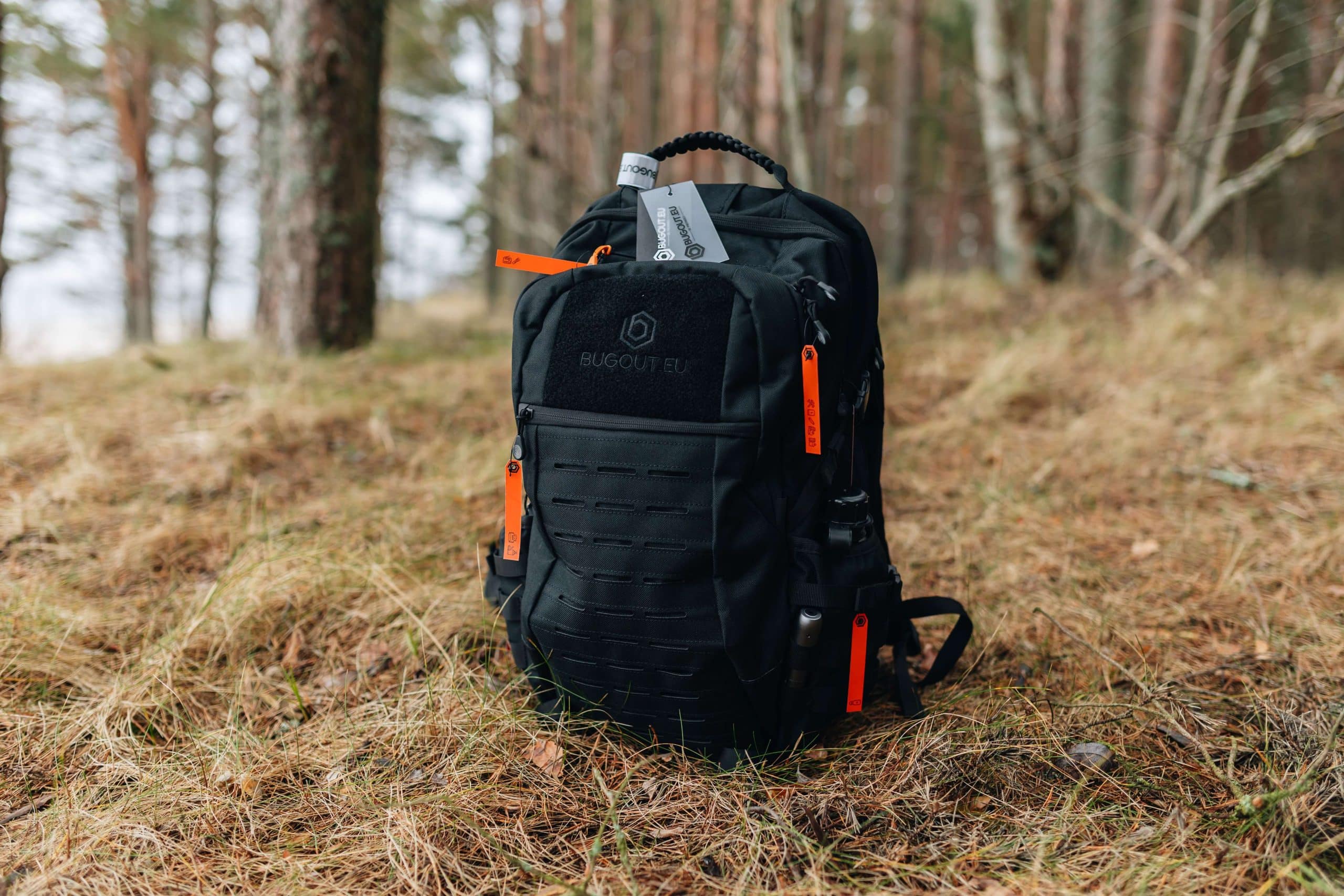
Modularity adds another layer of flexibility that becomes valuable over time. MOLLE webbing systems or attachment points let me expand my carrying capacity as needed. This adaptability ensures that the pack can evolve with changing requirements rather than becoming obsolete after a single use scenario.
Weather resistance is another feature that proves essential in long-term preparedness. Water-resistant coatings or included rain covers protect gear from moisture, which can quickly damage supplies. I always consider how well a backpack handles rain, humidity, and even dust, since environmental exposure is inevitable.
Top Survival Backpacks Worth Considering
Several backpacks consistently stand out due to their reliability and thoughtful design. The 5.11 Tactical RUSH72 is one that I have found particularly dependable for extended preparedness scenarios. Its rugged construction and ample storage options make it suitable for carrying a wide range of gear without feeling disorganized.
The Eberlestock Halftrack Pack offers a slightly more compact option while still delivering excellent durability. Its design focuses on comfort and accessibility, which I find useful when mobility is just as important as storage. The pack feels balanced even when fully loaded, reducing strain during long movements.
Another strong option is the Mystery Ranch 3 Day Assault Pack, known for its exceptional build quality. The unique zipper design allows full access to the main compartment, which simplifies packing and retrieval. I appreciate how this feature minimizes the time spent searching for items, especially in high-pressure situations.
For those who prefer larger capacities, the TETON Sports Explorer 75L provides significant storage without excessive cost. It offers a practical balance between affordability and functionality, making it accessible for many preparedness setups. The adjustable torso system also helps tailor the fit, improving overall comfort during extended use.
Packing Strategy for Long-Term Preparedness
Packing a survival backpack requires a thoughtful approach that prioritizes efficiency and accessibility. I always start by placing heavier items closer to the back and centered to maintain balance. This method reduces strain and improves stability, especially when navigating uneven terrain.
Layering gear based on frequency of use helps streamline access during critical moments. Items that I use frequently stay in outer compartments or near the top, while less essential gear goes deeper into the pack. This arrangement prevents unnecessary unpacking and keeps everything organized.
Weight management remains a constant consideration throughout the packing process. Carrying too much can slow movement and increase fatigue, which becomes dangerous over time. I focus on essentials and avoid redundant items, ensuring that every piece of gear serves a clear purpose.
Balancing Weight and Mobility
Mobility often determines how effective a survival strategy can be over the long term. A heavy pack may offer more supplies, but it also limits speed and endurance. I have learned that maintaining a manageable weight allows for greater flexibility in responding to changing conditions.
The distribution of weight also plays a role in preserving energy. A properly balanced pack reduces strain on specific muscle groups, preventing early fatigue. I pay close attention to how the pack feels during movement, making adjustments as needed to maintain comfort.
Terrain and climate also influence how much weight is practical to carry. In more demanding environments, lighter loads become essential for maintaining mobility. I adapt my packing strategy based on these factors to ensure that the backpack supports rather than hinders my movement.
Durability and Maintenance Over Time
A survival backpack must endure repeated use in challenging conditions, which makes maintenance an important consideration. Regular inspection helps identify wear and tear before it becomes a serious issue. I check seams, zippers, and straps to ensure everything remains functional.
Cleaning the backpack also contributes to its longevity. Dirt and debris can weaken materials over time, especially if left unaddressed. I make it a habit to clean the pack after extended use, keeping it in optimal condition for future scenarios.
Repairs should not be overlooked because minor issues can escalate quickly. Carrying a small repair kit allows me to address problems in the field, extending the usability of the backpack. This proactive approach ensures that the pack remains reliable over the long term.
Adapting Your Backpack for Different Scenarios
Different survival situations require adjustments to how a backpack is packed and used. In colder environments, insulation and additional clothing take priority, while warmer climates demand more focus on hydration and ventilation. I adapt the contents of my pack based on the conditions I expect to face.
Urban scenarios present a different set of challenges compared to wilderness environments. In such cases, a more discreet backpack may be preferable to avoid drawing attention. I consider how the pack appears and functions within the specific context of the situation.
Flexibility remains one of the most valuable traits in long-term preparedness. A backpack that can adapt to various scenarios provides greater overall utility. I aim to build a system that allows for quick adjustments without compromising core functionality.
Why the Right Backpack Matters More Than You Think
A survival backpack influences nearly every aspect of long-term preparedness. It affects how efficiently gear is carried, how quickly items can be accessed, and how comfortably one can move over extended periods. I have found that investing in a high-quality pack pays off in reliability and performance.
The right backpack also supports mental clarity by reducing unnecessary stress. Knowing that gear is organized and accessible allows for better focus on critical decisions. This level of confidence becomes invaluable in challenging situations where every moment counts.
Preparedness is not just about having the right tools but also about how those tools are carried and used. A well-chosen survival backpack brings everything together into a cohesive system. It becomes more than just equipment; it becomes a trusted companion in the pursuit of resilience and self-reliance.