
By Survival Boys Editorial Team
Food storage has always been one of the foundations of preparedness. Long before modern refrigeration existed, families relied on preservation methods to safely store food for months or even years. Today, canning remains one of the most practical and reliable ways to build a long-term emergency food supply.
For survivalists, homesteaders, gardeners, and preparedness-minded families, learning how to can food offers more than just convenience. It creates self-reliance, reduces food waste, saves money over time, and provides peace of mind during emergencies.
Whether you are preparing for severe weather, economic uncertainty, power outages, or simply want healthier shelf-stable food options, canning is a skill worth learning.

This beginner’s guide explains the basics of food canning, the equipment you need, common mistakes to avoid, and how canning fits into a modern survival strategy.
Why Canning Matters for Preparedness
Many people rely heavily on grocery stores for daily food needs. In normal situations, this works fine. But during disasters or supply chain disruptions, store shelves can empty quickly.
Canning allows families to create a dependable food reserve at home.
Unlike frozen foods, canned foods do not require electricity for storage. This makes them especially valuable during long-term power outages.
Canned foods also offer several important preparedness advantages:
- Long shelf life
- Reduced dependence on grocery stores
- Better control over ingredients
- Lower food waste
- Portable emergency meals
- Cost savings over time
- Reliable storage for garden harvests and bulk purchases
A properly stocked pantry filled with canned foods can help families remain stable during uncertain times.
The Two Main Types of Canning
There are two primary methods of canning: water bath canning and pressure canning.
Understanding the difference is extremely important because using the wrong method can create dangerous food safety risks.
Water Bath Canning
Water bath canning is used for high-acid foods.
This method involves placing sealed jars into boiling water for a specific amount of time.
Foods commonly processed using water bath canning include:
- Jams and jellies
- Pickles
- Fruit preserves
- Tomatoes with added acid
- Salsa
- Fruit juices
The high acidity in these foods helps prevent dangerous bacteria growth.
Water bath canning is often the easiest method for beginners to learn.
Pressure Canning
Pressure canning is required for low-acid foods.
This method uses a specialized pressure canner that reaches temperatures higher than boiling water. Those higher temperatures are necessary to safely destroy harmful bacteria, including botulism spores.
Foods that require pressure canning include:
- Meat
- Poultry
- Seafood
- Vegetables
- Beans
- Soups
- Broth
Pressure canning may seem intimidating at first, but modern pressure canners are much safer and easier to use than older models.
Essential Canning Equipment
You do not need a professional kitchen to start canning, but you do need proper equipment.
Mason Jars
Glass mason jars are designed specifically for canning and long-term food storage.
Always inspect jars for cracks or chips before use.
Lids and Bands
Most canning lids are intended for one-time use because the sealing compound compresses during processing.
Bands can usually be reused if they remain in good condition.
Water Bath Canner
A large pot with a rack works for water bath canning. The rack keeps jars elevated and allows water to circulate evenly.
Pressure Canner
A true pressure canner is required for safely processing low-acid foods.
Pressure cookers are not always the same as pressure canners, so verify equipment carefully.
Jar Lifter
Jar lifters help safely move hot jars without burns or accidents.
Funnel and Bubble Remover
These tools make filling jars easier and help remove trapped air bubbles before sealing.
Preparing Food for Canning
Fresh ingredients produce the best canned foods.
Wash produce thoroughly and trim away bruised or damaged sections.
When canning meat, vegetables, or soups, follow tested recipes from trusted sources.
Accurate measurements and processing times are extremely important for food safety.
Improvising recipes during canning is not recommended unless you fully understand approved preservation methods.
Sterilizing and Filling Jars
Cleanliness matters during every stage of canning.
Wash jars, lids, and equipment thoroughly before use.
Some recipes require pre-sterilized jars, while others rely on the canning process itself for sterilization.
When filling jars:
- Leave the recommended headspace
- Remove trapped air bubbles
- Wipe jar rims clean
- Tighten lids to fingertip tightness
Proper sealing depends on following these steps carefully.
Processing the Jars
Once filled, jars are processed using either the water bath or pressure canning method.
Processing times vary based on:
- Food type
- Jar size
- Altitude
- Recipe specifications
Never shorten recommended processing times.
During pressure canning, maintaining the correct pressure level is critical.
Checking the Seal
After processing, jars should cool undisturbed.
As jars cool, many produce a popping sound as the lids seal.
Once fully cooled, check each lid carefully.
A properly sealed lid should not flex up and down when pressed.
Any unsealed jars should be refrigerated and consumed soon.
How Long Do Canned Foods Last?
Properly canned foods can last a very long time when stored correctly.
For best quality, many home-canned foods are recommended for use within one year, though some remain safe beyond that if seals remain intact.
Storage conditions matter greatly.
Keep canned foods in a cool, dark, and dry location whenever possible.
Excessive heat and direct sunlight can reduce quality over time.
Common Canning Mistakes
Beginners often make simple errors that can affect safety or food quality.
Some of the most common canning mistakes include:
Using the Wrong Canning Method
Low-acid foods must be pressure canned.
Using water bath canning for vegetables or meats can create serious health risks.
Ignoring Altitude Adjustments
Higher elevations require adjustments in pressure or processing time.
Reusing Single-Use Lids
Old lids may fail to seal properly.
Overfilling Jars
Incorrect headspace can interfere with sealing.
Skipping Tested Recipes
Safe canning recipes are scientifically tested for proper acidity and processing safety.
Recognizing Spoiled Food
Never consume canned food if you suspect spoilage.
Warning signs include:
- Bulging lids
- Broken seals
- Leaking jars
- Strange odors
- Mold
- Unusual discoloration
- Spurting liquid when opened
When in doubt, throw it out.
Food safety should always come first.
Best Foods for Beginner Canners
If you are new to canning, start with simple, beginner-friendly foods.
Good beginner projects include:
- Strawberry jam
- Pickles
- Applesauce
- Tomato sauce
- Peach preserves
- Salsa
These recipes help build confidence before moving into pressure canning.
Canning Meat for Long-Term Storage
Pressure-canned meat is one of the most valuable preparedness foods.
Chicken, beef, pork, and venison can all be safely pressure canned using approved methods.
Canned meat offers several survival advantages:
- High protein content
- Long shelf life
- No refrigeration required
- Quick meal preparation
- Efficient pantry storage
Many preparedness-focused families consider canned meat a core emergency food supply item.
Building a Survival Pantry
Canning works best as part of a larger preparedness strategy.
A balanced survival pantry may include:
- Home-canned foods
- Freeze-dried foods
- Rice and beans
- Pasta
- Cooking oils
- Salt and spices
- Shelf-stable snacks
- Emergency water storage
Rotating supplies regularly helps prevent waste and ensures food stays fresh.
Store what you eat and eat what you store.
Canning and Self-Reliance
One of the biggest benefits of canning is the confidence it creates.
Learning food preservation reduces dependence on fragile supply chains and increases personal resilience.
Gardens become more valuable when harvests can be preserved long-term.
Bulk food purchases become more practical.
Families become more prepared for unexpected disruptions.
Canning also connects people with older generations of practical knowledge that many communities once considered normal life skills.
Is Canning Worth the Effort?
For many people, absolutely.
Canning requires time, attention, and practice, but the rewards are significant.
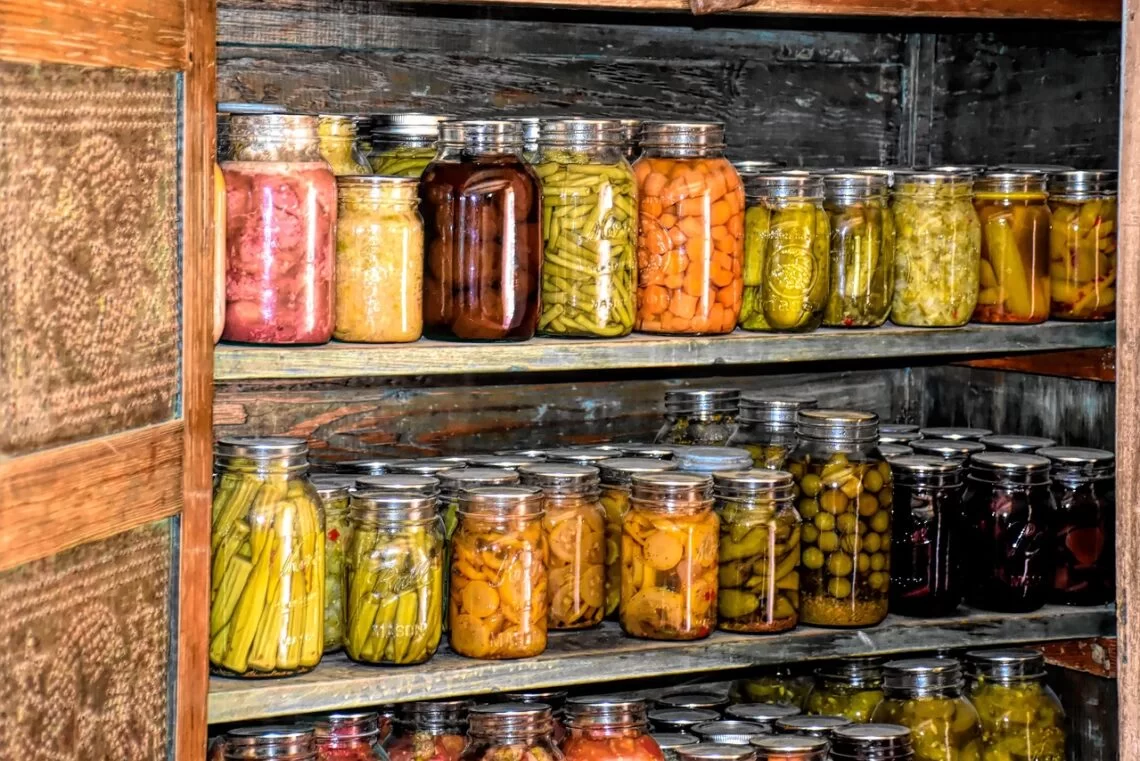
A shelf full of preserved food represents security, preparedness, and independence.
In uncertain times, those qualities matter.
Beyond emergency preparedness, many people simply enjoy the process. Homemade canned foods often taste better than store-bought alternatives and allow complete control over ingredients.
Final Thoughts
Canning is one of the most useful preparedness skills a person can learn.
It combines food security, practical self-reliance, and long-term emergency planning into a single skill set that remains valuable in everyday life.
You do not need years of experience to get started. Begin with simple recipes, learn safe methods, and gradually build your knowledge over time.
Preparedness is built one skill at a time.
A well-stocked pantry filled with safely canned food can provide comfort and stability during emergencies, power outages, economic hardship, or natural disasters.
The best time to learn these skills is before you need them.
Start small, stay safe, and keep building your preparedness knowledge.