By Survival Boys Editorial Team
When disasters strike, the first 72 hours are often the most critical. Power outages, blocked roads, damaged infrastructure, and overwhelmed emergency services can leave families on their own longer than expected. Whether it’s a hurricane, tornado, flood, wildfire, winter storm, or major blackout, preparation during those first few days can make a major difference in safety, comfort, and survival.
Most people assume help will arrive immediately. In reality, emergency responders are often stretched thin during large-scale disasters. Grocery stores can empty within hours, gas stations may shut down, and communication systems can become unreliable. The families who handle emergencies best are usually the ones who prepared before the crisis happened.
The good news is that you do not need a bunker or years of survival training to become more prepared. Small, practical steps can dramatically improve your ability to stay safe during an emergency. This guide covers the essentials every family should understand to navigate the first 72 hours after a disaster.

Why the First 72 Hours Matter
Emergency management experts frequently recommend that households be capable of surviving independently for at least three days. During this period, outside assistance may be delayed, especially during widespread disasters that affect large populations.
In many emergencies, the biggest problems are not always dramatic survival situations. Instead, they are basic disruptions to daily life. Families suddenly lose electricity, running water, heating or cooling systems, transportation, communication, and access to food. Even short-term interruptions can quickly create stressful and dangerous conditions.
The first 72 hours are often when confusion, panic buying, and misinformation spread rapidly. People rush stores for supplies, traffic increases dramatically, and local resources become limited. A prepared family can avoid much of this chaos by already having a plan and basic supplies in place.
Preparedness is not about fear. It is about reducing uncertainty and increasing resilience.
Build a Reliable Emergency Kit
Every household should have a basic emergency kit that supports the family for at least three days. A quality emergency kit does not need to be expensive, but it should cover the essentials.
Water
Water is the most important survival resource. A common recommendation is one gallon of water per person per day. This amount covers both drinking and basic sanitation.
Families should store extra water whenever possible. Water containers, bottled water, water purification tablets, and portable water filters are all valuable additions to an emergency supply system.
Do not forget pets when planning water storage.
Food
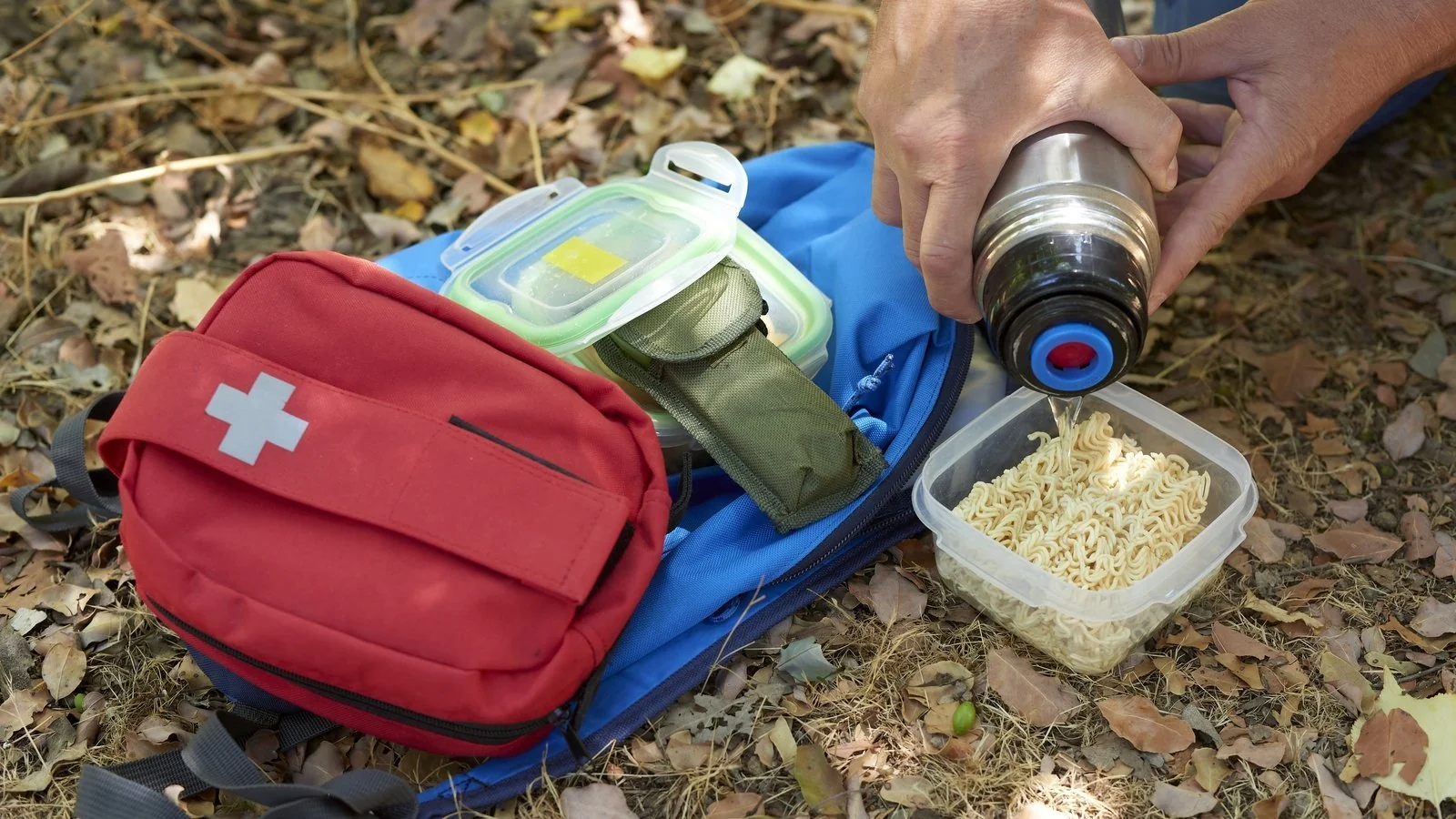
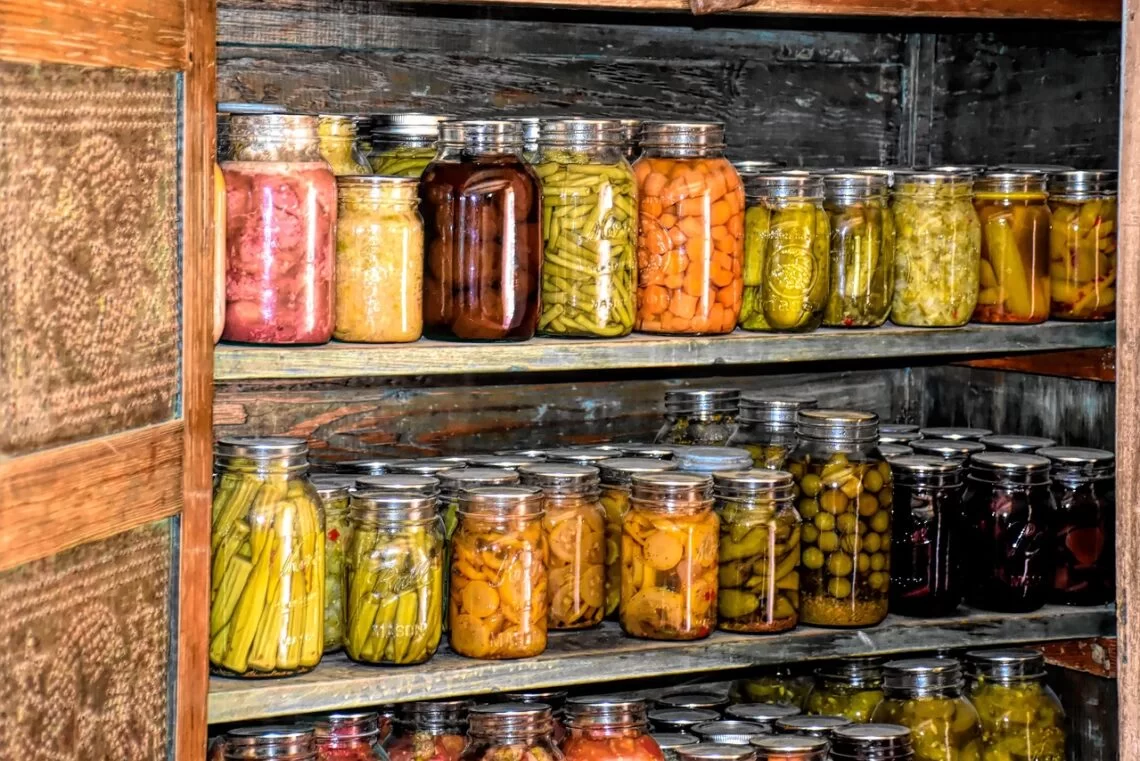
Focus on non-perishable foods that are easy to prepare and require little or no cooking. Good options include canned foods, rice, pasta, peanut butter, protein bars, dried fruit, nuts, and ready-to-eat meals.
Choose foods your family already enjoys eating. Emergencies are stressful enough without introducing unfamiliar meals.
It is also important to rotate stored food periodically so supplies stay fresh.
Lighting and Power
Power outages are among the most common disaster-related problems. Every emergency kit should include multiple light sources such as flashlights, lanterns, and extra batteries.
Rechargeable power banks can keep phones and small devices operational during extended outages. Solar chargers are also useful for long-term preparedness.
Avoid relying solely on candles because of the increased fire risk.
Medical Supplies
A fully stocked first aid kit is essential. Include bandages, antiseptic wipes, medical tape, pain relievers, gloves, tweezers, and prescription medications.
Families should also keep copies of important medical information and emergency contacts in waterproof storage.
Sanitation and Hygiene
Basic hygiene becomes extremely important during disasters. Store toilet paper, garbage bags, soap, wet wipes, feminine hygiene products, and cleaning supplies.
Poor sanitation can quickly create additional health risks during prolonged emergencies.
Create a Family Emergency Plan
Supplies are only part of preparedness. Families should also discuss how they will respond during different emergencies.
A good emergency plan answers several key questions:
- Where will family members meet if separated?
- How will you communicate if phone networks fail?
- What evacuation routes are available?
- Which shelters or safe locations are nearby?
- Who checks on elderly relatives or neighbors?
Many families never discuss these topics until an emergency occurs. Unfortunately, disasters create confusion and stress that make decision-making much harder.
Practice your emergency plan regularly so everyone understands their role.
Communication During Emergencies
Communication systems can become overloaded or unavailable during disasters. Cell towers may lose power or experience network congestion.
Text messaging often works more reliably than phone calls during emergencies because texts require less bandwidth.
Families should identify an out-of-state emergency contact that everyone can check in with if local communication becomes difficult.
Battery-powered or hand-crank emergency radios are also valuable because they provide weather alerts and emergency information even when internet service is unavailable.
Home Preparedness Basics
Your home itself should be part of your preparedness strategy.
Secure heavy furniture and appliances that could fall during earthquakes or severe storms. Know how to shut off utilities such as gas, water, and electricity if necessary.
Fire extinguishers should be accessible and functional. Smoke detectors and carbon monoxide detectors should be tested regularly.
If you live in an area prone to hurricanes, tornadoes, floods, or winter storms, consider additional preparations specific to those threats.
Backup Power
Portable generators can provide temporary electricity during outages, but they must always be used outdoors and away from windows due to carbon monoxide risks.
Battery backup systems and solar generators are becoming increasingly popular because they operate quietly and safely indoors.
Even small backup power systems can keep phones charged, lights running, and medical devices operational.
Vehicle Preparedness
Disasters often happen while people are away from home. Keeping basic emergency supplies in your vehicle can be extremely helpful.
A vehicle emergency kit may include:
- Water and snacks
- Flashlight and batteries
- Jumper cables
- Basic tools
- Warm clothing or blankets
- Phone charger
- First aid supplies
- Emergency roadside kit
Never allow your vehicle’s fuel tank to remain nearly empty during severe weather seasons.
Mental Preparedness Matters
Preparedness is not only physical. Mental readiness plays a major role in how people respond during emergencies.
Fear and panic can lead to poor decisions. Prepared individuals are more likely to remain calm because they already have supplies, plans, and basic knowledge.
Training and practice build confidence. Simple skills such as starting a fire, administering first aid, using a map, or purifying water can make a significant difference during a crisis.
Children also benefit from preparedness education. Teaching kids basic emergency procedures can reduce fear and help them respond more effectively.
Common Preparedness Mistakes
Many people delay preparedness because they believe emergencies are unlikely. Others assume they will have plenty of warning time.
Unfortunately, disasters are often unpredictable.
Some of the most common preparedness mistakes include:
- Waiting until severe weather is approaching to buy supplies
- Failing to store enough water
- Ignoring backup communication options
- Neglecting first aid training
- Forgetting pet supplies
- Relying entirely on smartphones and internet access
- Never practicing emergency plans
Preparedness does not have to happen all at once. Building supplies gradually over time is often more affordable and sustainable.
Start Small and Build Over Time
One reason people avoid emergency preparedness is because it feels overwhelming. They imagine expensive gear, complicated systems, or extreme survival scenarios.
In reality, preparedness can begin with very simple actions.
Start by storing extra water and food. Build a small emergency kit. Learn basic first aid. Create a communication plan with your family. Over time, continue adding skills and supplies.
Preparedness is a process, not a one-time purchase.
The goal is not perfection. The goal is to become more capable and less vulnerable during emergencies.
Survival Skills Everyone Should Learn
Even basic survival skills can dramatically improve confidence and safety during emergencies.
Some of the most valuable beginner survival skills include:
Fire Starting
Fire provides warmth, light, cooking capability, and morale. Learn multiple fire-starting methods including lighters, waterproof matches, ferro rods, and battery-assisted techniques.
Water Purification
Contaminated water can cause serious illness. Learn how to boil water, use portable filters, and apply purification tablets safely.
Shelter Building
Exposure to extreme temperatures is one of the most immediate survival threats. Understanding how to create basic shelter using tarps, blankets, or natural materials can be life-saving.
Navigation
GPS devices and smartphones are useful, but batteries fail. Basic map-reading and compass skills remain valuable survival tools.
First Aid
Medical emergencies can happen anytime. CPR training and basic wound care knowledge are among the most practical skills a person can learn.
Community Preparedness
Strong communities recover faster after disasters.
Neighbors who communicate and support each other can share resources, check on vulnerable individuals, and improve overall safety.
Preparedness does not need to be an isolated activity. Community emergency response groups, local preparedness classes, and neighborhood planning efforts can all strengthen resilience.
Helping others during emergencies is often easier when your own household is prepared first.
Final Thoughts
Disasters can happen with little warning, but panic and helplessness do not have to define the experience.
Families who prepare ahead of time place themselves in a much stronger position to stay safe, adapt, and recover during difficult situations.
Emergency preparedness is ultimately about responsibility, resilience, and peace of mind. You do not need to prepare for every possible scenario overnight. Small steps taken consistently over time create meaningful progress.
The first 72 hours after a disaster can be chaotic, stressful, and uncertain. But with planning, supplies, and practical knowledge, your family can face emergencies with greater confidence and capability.
Preparedness starts long before disaster strikes.
Start today.