Life has a way of shifting from calm to chaotic without warning, and I’ve learned that being prepared is not about fear but about control. Emergencies don’t wait for convenient moments, and the difference between panic and clarity often comes down to readiness. I’ve come to value preparation not as an overreaction, but as a quiet form of confidence that allows me to act instead of freeze. These are the situations I make sure I’m ready for, not because I expect the worst, but because I respect how quickly things can change.
Medical Emergencies at Home
Health emergencies can unfold in seconds, and I’ve realized how important it is to act quickly without hesitation. A simple situation like choking, a sudden allergic reaction, or a heart issue can escalate before help arrives. I make sure I know basic first aid and keep essential supplies within reach because waiting until something happens is too late.
I also keep emergency numbers saved and visible, not just on my phone but written down in case technology fails. Knowing how to perform CPR or handle wounds gives me a sense of responsibility for the people around me. Even a small amount of preparation can buy precious time while waiting for professional help.
House Fires
Fire spreads faster than most people expect, and I’ve seen how quickly a safe space can turn dangerous. I make it a point to check smoke detectors regularly and plan exit routes in advance. In moments like these, confusion wastes time, so knowing exactly where to go matters more than anything.

I also avoid relying on just one exit because fires don’t follow predictable paths. Having a fire extinguisher nearby and knowing how to use it adds another layer of protection. The goal is not to fight the fire unless it’s small, but to get out safely and quickly.
Natural Disasters
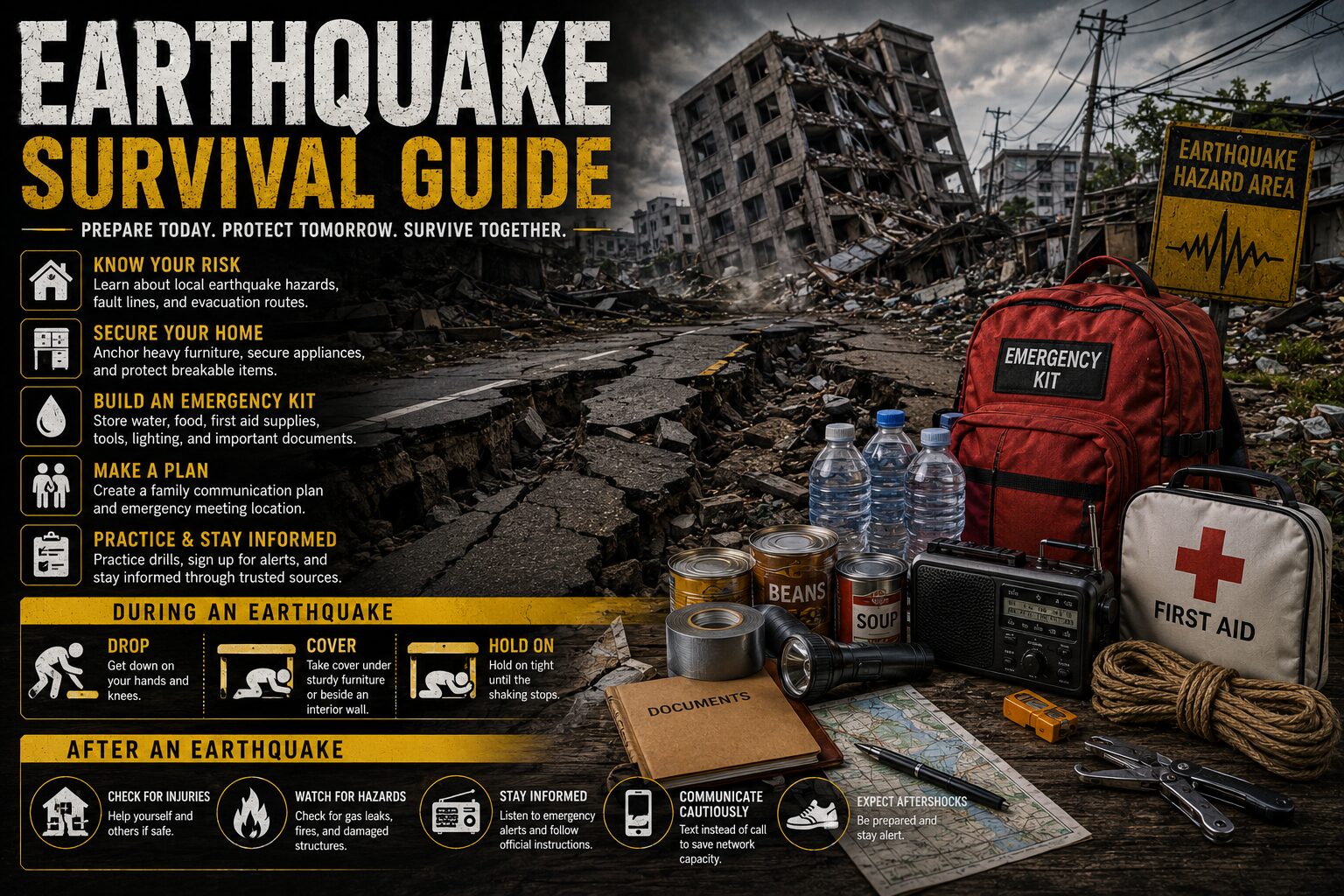
Earthquakes, floods, and typhoons can strike with little warning, especially in areas prone to these events. I’ve learned to keep a basic emergency kit ready with water, food, and important documents. These situations can disrupt daily life for days or even weeks, so preparation becomes essential for survival.
I also stay informed about evacuation routes and local safety protocols. Having a plan reduces the chaos that often follows these disasters. It’s not about predicting exactly what will happen, but about having enough resources to adapt.
Power Outages
A sudden loss of electricity may seem minor at first, but it can quickly become a serious inconvenience or even a risk. I always keep flashlights, extra batteries, and backup power sources ready. Darkness changes how a home feels, and having reliable light helps maintain a sense of control.
I also think about food storage and communication during outages. A fully charged power bank can make a huge difference when phones become the only connection to the outside world. These small preparations prevent unnecessary stress during extended blackouts.
Road Accidents
Being on the road always carries some level of risk, and accidents can happen even with careful driving. I keep a basic emergency kit in my car, including a first aid kit, water, and tools for minor repairs. Staying prepared means I can respond calmly if something unexpected happens.
I also make sure I understand what steps to take after an accident, such as contacting authorities and documenting the situation. Panic can lead to poor decisions, so having a mental checklist helps me stay focused. It’s not just about protecting myself, but also ensuring others involved are safe.
Home Break-Ins
Security is something I take seriously because the thought of someone invading my space is unsettling. I make sure doors and windows are properly secured and consider additional safety measures like alarms or cameras. Prevention is always better than dealing with the aftermath.
I also think about how to respond if a break-in occurs while I’m home. Knowing safe spots and having a plan to contact authorities quickly makes a difference. Staying alert without becoming paranoid is the balance I try to maintain.
Sudden Financial Emergencies
Not all emergencies are physical, and financial setbacks can be just as stressful. Unexpected expenses like medical bills or job loss can disrupt stability overnight. I’ve learned to keep an emergency fund, even if it starts small, because it creates a buffer against uncertainty.
I also track my expenses and avoid relying heavily on credit during tough times. Financial preparedness isn’t about having everything figured out, but about having options. That sense of flexibility can ease the pressure during difficult moments.
Getting Lost or Stranded
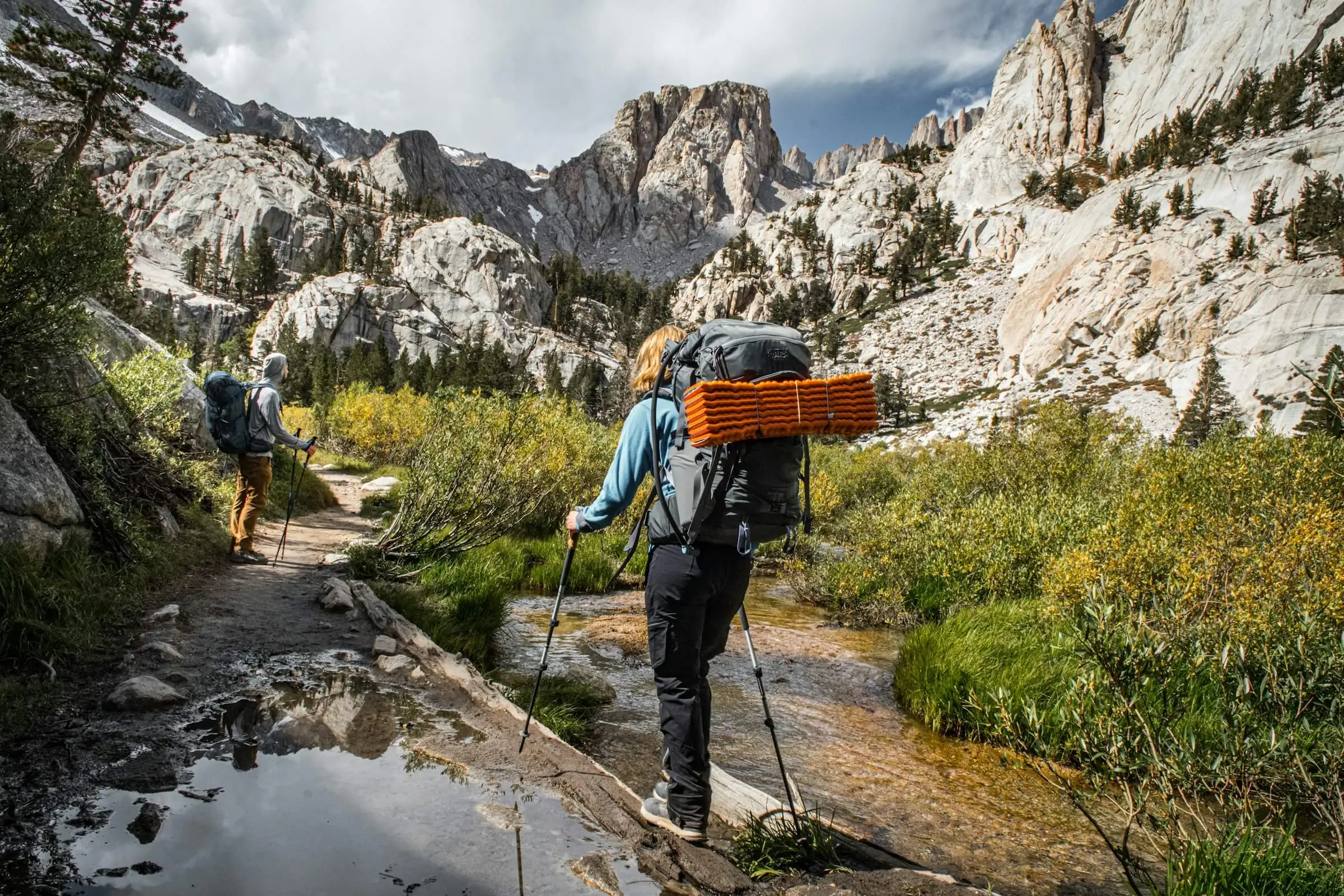
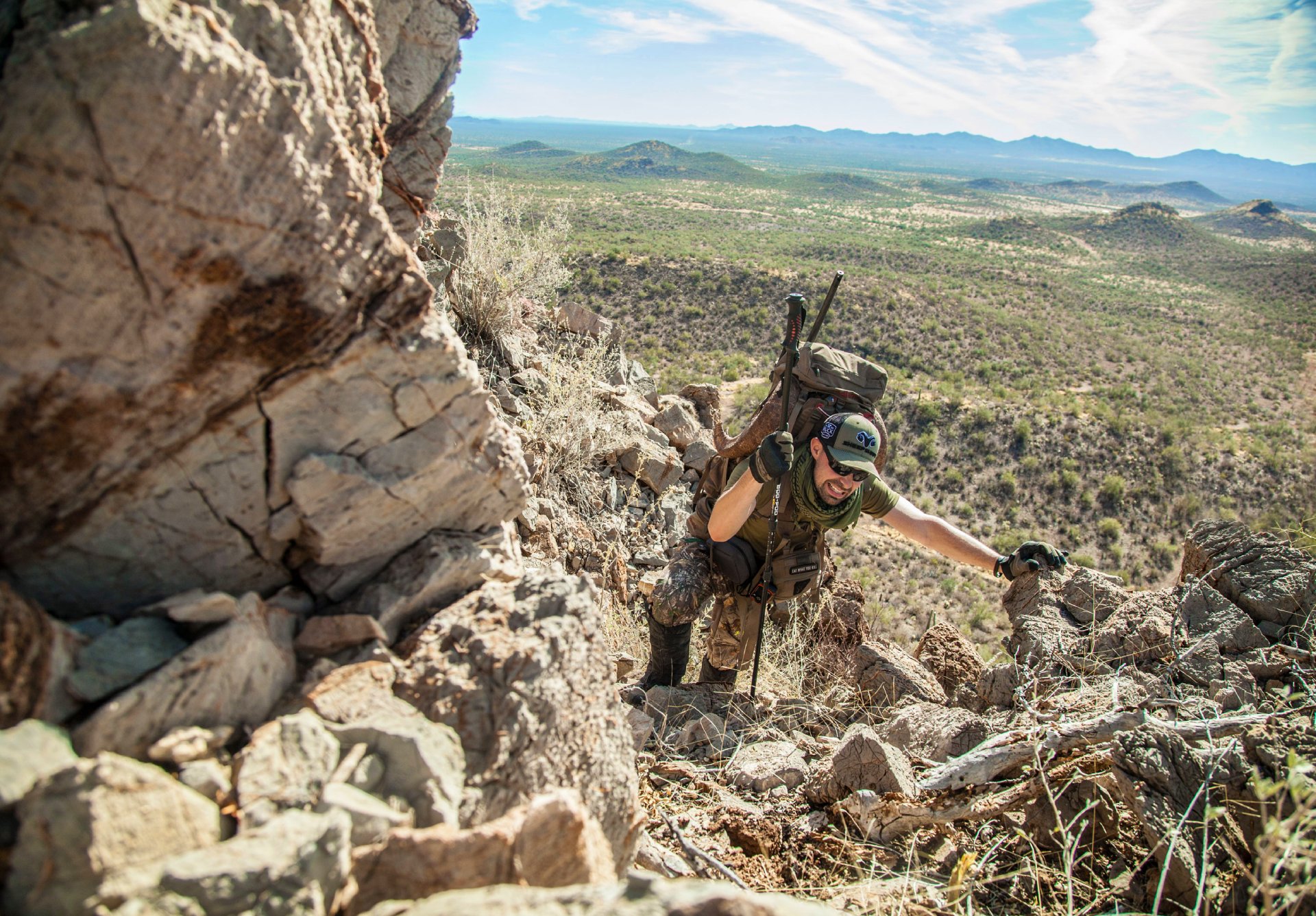
Traveling or even taking a wrong turn can sometimes lead to being stranded without immediate help. I always try to keep my phone charged and carry basic essentials like water and a map or offline navigation. Technology helps, but I don’t rely on it entirely.
I also share my location or plans with someone I trust when going somewhere unfamiliar. That extra layer of awareness can be crucial if something goes wrong. Staying calm and thinking clearly becomes much easier when I know I’ve prepared for the possibility.
Severe Weather While Outside
Being caught outdoors during extreme weather can be dangerous if there’s no immediate shelter. I pay attention to forecasts and avoid unnecessary risks when conditions look uncertain. Even something as simple as carrying appropriate clothing can make a big difference.
I also think about nearby safe locations wherever I go. Knowing where to take cover during heavy rain or strong winds can prevent panic. Awareness of surroundings is just as important as preparation itself.
Digital Emergencies and Data Loss
Technology plays a huge role in daily life, and losing access to important data can feel overwhelming. I make regular backups of important files and keep passwords secure. A digital emergency might not be life-threatening, but it can still cause major disruption.
I also stay cautious about scams and security threats. Protecting personal information is just as important as protecting physical belongings. Being proactive helps avoid situations that are difficult to recover from.
Preparation has become part of how I move through life, not because I expect constant danger, but because I value peace of mind. Emergencies don’t come with warnings, but readiness turns uncertainty into something manageable. Taking small steps now creates a sense of control that carries into even the most unexpected situations.