Preparedness does not have to feel like a massive, intimidating project that takes over your life. It can begin quietly, with small and steady steps that build confidence over time. I see prepping not as a reaction to fear, but as a practical way to care for myself and the people around me. Starting from a place of clarity rather than urgency makes everything feel more manageable and far less overwhelming.
Start With A Clear Purpose
The first step I take is defining why I want to prepare in the first place. Without a clear reason, it becomes easy to fall into the trap of buying random gear or copying what others are doing. I focus on realistic situations that could actually affect my daily life, such as power outages, typhoons, or temporary disruptions in supply. This gives me direction and keeps me grounded in practical decisions.
A clear purpose also prevents unnecessary stress. Instead of worrying about every possible disaster scenario, I narrow my attention to what is most likely and most relevant. That sense of focus turns prepping into something intentional rather than chaotic. It becomes easier to make decisions because everything ties back to that initial purpose.
Focus On The Basics First
I begin with essentials because they form the foundation of any preparedness plan. Food, water, shelter, and basic safety come before anything else. I make sure I have enough drinking water stored for at least a few days, along with simple, non-perishable food that does not require complicated preparation. These basics create immediate peace of mind.

Adding complexity too early can make the process feel overwhelming. I remind myself that I do not need advanced tools or specialized equipment right away. What matters most is building a strong base that can support more advanced preparations later. Each small addition builds confidence and reinforces the habit of being prepared.
Build A Simple Emergency Kit
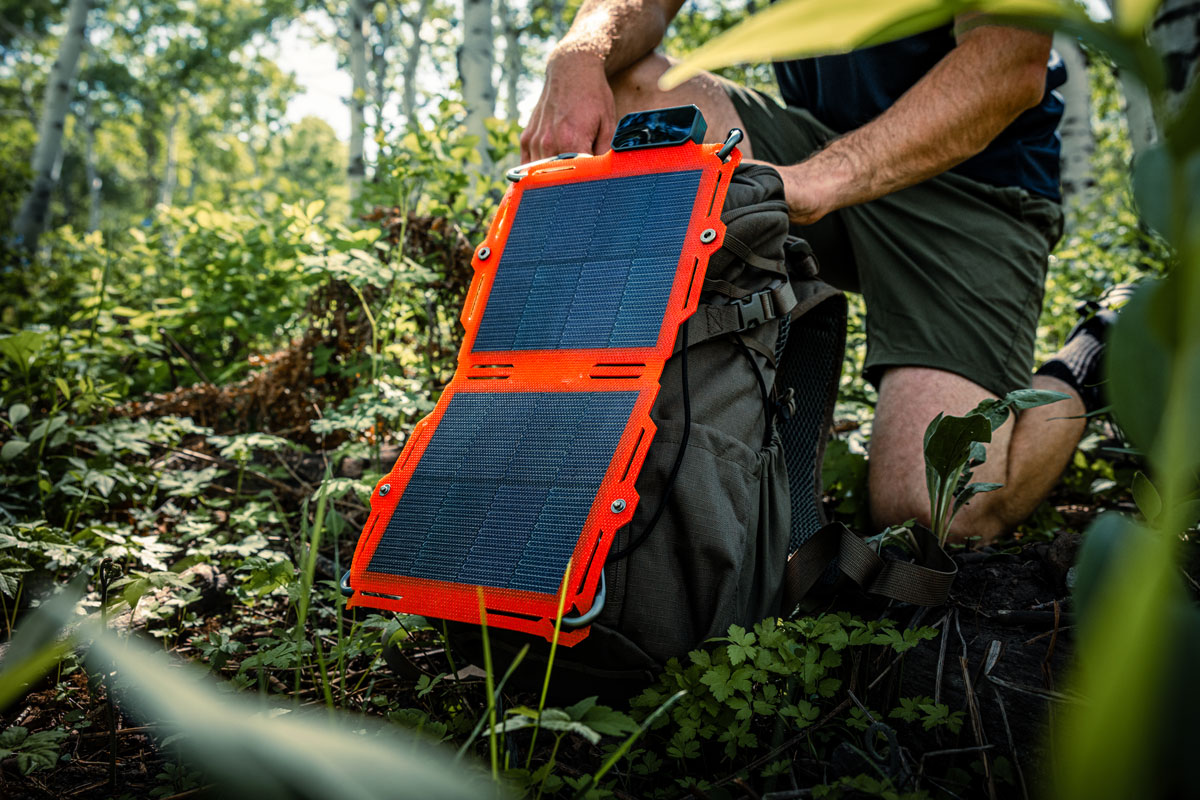
Putting together a basic emergency kit is one of the most practical steps I take early on. I gather items that I know I would need during a short-term emergency, such as a flashlight, batteries, first aid supplies, and a portable phone charger. I keep everything in one place so it is easy to access when needed.
I also pay attention to everyday usability. The items in my kit are not just for emergencies but can also be used in daily life. This helps me stay familiar with them and ensures nothing goes to waste. It also reduces the pressure of making perfect decisions because everything I include has a clear purpose.
Work With What I Already Have
Instead of rushing to buy new supplies, I take inventory of what I already own. Many items I need for preparedness are already in my home, such as extra blankets, reusable containers, or basic tools. Recognizing this helps me avoid unnecessary spending and makes the process feel more accessible.
Working with existing resources also builds creativity. I start seeing everyday items in a new way, which strengthens my ability to adapt during unexpected situations. This mindset is far more valuable than simply accumulating gear because it encourages problem-solving and flexibility.
Set Realistic Goals And Timelines
Trying to do everything at once leads to burnout. I break my prepping goals into small, manageable steps that I can complete over time. For example, I might focus on building a three-day supply of food and water first, then expand to a week later on. This gradual approach keeps me motivated and prevents overwhelm.
Setting timelines also adds structure. I give myself reasonable deadlines without creating unnecessary pressure. Each milestone feels like progress, which keeps the momentum going. Over time, those small steps add up to a solid and reliable preparedness plan.
Prioritize Knowledge And Skills
Supplies are important, but knowledge plays an even bigger role in preparedness. I take time to learn basic skills such as first aid, food storage, and safe water handling. These skills give me confidence because they allow me to use my resources effectively.
Building knowledge also reduces dependence on having the perfect tools. Even with limited supplies, the right skills can make a significant difference. I find that investing in learning helps me stay calm and resourceful, which is just as important as any physical item I might store.
Keep It Organized And Accessible
A well-organized system makes everything easier during an emergency. I make sure my supplies are stored in a way that is easy to access and understand. Labels, containers, and designated spaces help me keep track of what I have and what I might need to replenish.
Organization also reduces stress. In a high-pressure situation, I do not want to waste time searching for items or trying to remember where things are. Having everything in order allows me to act quickly and confidently. It also makes regular maintenance much simpler.
Avoid Information Overload
There is an overwhelming amount of information about prepping available online. I stay mindful of how much I consume and focus on reliable, practical advice. Trying to absorb everything at once can lead to confusion and decision fatigue.
I remind myself that not all advice will apply to my situation. Filtering information based on relevance helps me stay focused and avoid unnecessary stress. It also allows me to build a plan that is tailored to my specific needs rather than following a generic template.
Practice And Test Your Plan
Preparation is not complete without practice. I occasionally test my emergency kit and supplies to make sure everything works as expected. This includes checking batteries, rotating food items, and familiarizing myself with how to use each tool.
Practicing also helps identify gaps. I notice what I might have overlooked and make adjustments accordingly. This ongoing process strengthens my preparedness and ensures that my plan remains effective over time. It also builds confidence because I know I can rely on what I have prepared.
Stay Within Your Budget
Prepping does not require a large financial investment. I set a budget and stick to it, focusing on gradual improvements rather than big purchases. This approach makes prepping sustainable and prevents financial stress.
I prioritize quality over quantity when possible. It is better to have a few reliable items than a large number of cheap, ineffective ones. By pacing my spending, I ensure that my preparedness efforts remain consistent and manageable over time.
Involve Household Members
Preparedness works best when everyone in the household is involved. I communicate my plans and make sure others know where supplies are located and how to use them. This shared awareness creates a sense of teamwork and reduces confusion during an emergency.
Involving others also brings different perspectives. Each person may think of something I have overlooked, which strengthens the overall plan. It also ensures that everyone feels more confident and capable in handling unexpected situations.
Adapt To Your Environment
Prepping is not one-size-fits-all. I consider my local environment and the types of risks that are most relevant to my area. For example, living in a region prone to typhoons influences the kind of supplies and preparations I prioritize.
Adapting to my surroundings makes my efforts more effective. It allows me to focus on practical needs rather than hypothetical scenarios that are unlikely to occur. This targeted approach keeps prepping efficient and grounded in reality.
Maintain And Update Regularly
Preparedness is an ongoing process, not a one-time task. I regularly check my supplies to ensure everything is in good condition and up to date. Expired items are replaced, and any changes in my situation are reflected in my plan.
This habit keeps everything reliable. It also prevents the need for large, overwhelming updates in the future. By maintaining consistency, I ensure that my preparedness remains strong and ready for use at any time.
Keep A Balanced Perspective
It is easy to become consumed by worst-case scenarios, but I make an effort to maintain a balanced outlook. Prepping is about readiness, not fear. I focus on building confidence rather than dwelling on potential disasters.
A balanced perspective makes the process more sustainable. It allows me to integrate preparedness into my daily life without it becoming overwhelming. This mindset helps me stay consistent and prevents burnout.
Build Confidence Through Small Wins
Every small step I take adds to my confidence. Completing a simple task, such as organizing supplies or adding a few extra items to my kit, creates a sense of progress. These small wins keep me motivated and reinforce the habit of being prepared.
Confidence grows over time. As I continue to build and refine my plan, I feel more capable of handling unexpected situations. This sense of readiness extends beyond physical supplies and becomes a mindset that influences how I approach challenges.
Avoid Comparing Your Journey
It can be tempting to compare my progress with others, especially when seeing advanced setups or extensive gear collections. I remind myself that preparedness is personal and should align with my own needs and circumstances.
Focusing on my own progress keeps me grounded. It allows me to move at a pace that feels comfortable and sustainable. This approach reduces pressure and ensures that my efforts remain meaningful and effective.
Keep It Practical And Flexible
Rigid plans can fail when circumstances change. I keep my approach flexible so I can adapt as needed. This includes being open to adjusting my supplies, routines, and strategies based on new information or changing conditions.
Practicality remains at the core of everything I do. I prioritize what works in real-life situations rather than ideal scenarios. This mindset ensures that my preparedness remains useful and relevant.
Make It Part Of Everyday Life
Preparedness becomes easier when it is integrated into daily routines. I incorporate small habits, such as rotating food supplies or checking emergency items regularly. These actions require minimal effort but have a significant impact over time.
Making prepping part of everyday life removes the feeling of it being an extra task. It becomes a natural extension of how I manage my home and resources. This consistency helps maintain a high level of readiness without added stress.
Stay Patient And Consistent
Progress takes time, and I remind myself that there is no need to rush. Consistency matters more than speed. By staying patient and continuing to take small steps, I gradually build a solid and reliable preparedness plan.
This steady approach prevents overwhelm. It allows me to enjoy the process and learn along the way. Over time, what once felt like a daunting task becomes a normal and manageable part of life.