A long-term survival pantry gives me peace of mind in a way few other preparations can. It means I am not constantly worried about empty shelves, rising prices, or unexpected disruptions. I have learned that building one is not about fear, but about control, resilience, and practicality. Over time, I have shaped my pantry into something reliable and efficient, and I want to share how I did it so you can do the same with confidence.
Why A Long-Term Pantry Matters
Food security is something I never fully appreciated until I saw how quickly supply chains can shift. A single storm, economic issue, or global event can limit access to basic necessities. Having a long-term pantry allows me to avoid panic buying and make thoughtful decisions instead of reactive ones.
I also value the financial stability it brings. Buying in bulk and storing essentials reduces the need for frequent trips to the store, which saves both time and money. Prices fluctuate, but my pantry acts as a buffer that protects me from sudden spikes.
Beyond practicality, there is a sense of independence that comes with it. I am not relying entirely on external systems to meet my basic needs. That confidence changes the way I approach everyday life, making me feel more prepared and less vulnerable.

Setting Clear Goals For Your Pantry
Before I started stocking anything, I defined what I wanted my pantry to accomplish. I asked myself how long I wanted to be self-sufficient, whether that meant a few weeks, several months, or even a year. That decision shaped everything that followed.
I also considered who I was preparing for. A pantry for one person looks very different from one meant for a family. Caloric needs, dietary preferences, and storage space all influence the plan, so I made sure to tailor it to my actual situation rather than copying someone else’s setup.
Clarity helped me avoid wasting money on items I would not use. Instead of randomly buying survival foods, I built a system based on realistic goals. That focus made the process smoother and more effective.
Building Around Foods You Actually Eat
One of the biggest mistakes I avoided was stocking items I had no interest in eating. I focused on foods I already enjoy, because I knew I would rotate through them regularly. This approach prevents waste and ensures nothing sits untouched until it expires.
I included staples like rice, pasta, beans, canned vegetables, and protein sources that fit my diet. These are versatile ingredients that can be combined in many ways, which keeps meals from becoming repetitive. Variety matters more than people think, especially over long periods.
I also made room for comfort foods. During stressful situations, familiar meals can make a huge difference. Having a few items that boost morale is just as important as meeting basic nutritional needs.
Prioritizing Shelf Life And Storage Stability
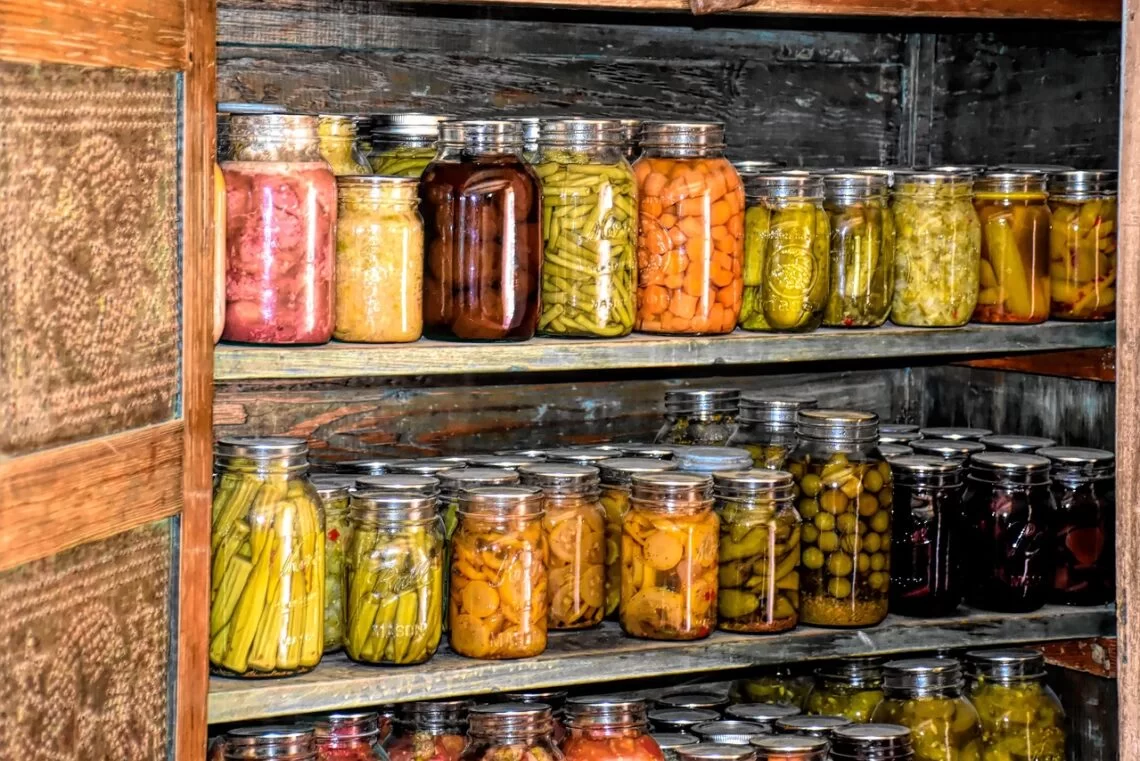
Shelf life became a major factor in how I selected items. I leaned toward foods that can last for years when stored properly, such as dried grains, legumes, and canned goods. These form the backbone of a reliable long-term pantry.
Storage conditions play a huge role in longevity. I keep my pantry in a cool, dark, and dry place to slow down spoilage. Heat and humidity are the biggest enemies, so I took extra care to control those factors as much as possible.
Packaging also matters more than I initially realized. I transferred some items into airtight containers to protect them from pests and moisture. For bulk storage, I explored options like mylar bags and oxygen absorbers to extend shelf life even further.
Creating A Balanced Food Supply
Nutrition is easy to overlook when focusing on quantity, but I made it a priority early on. A pantry filled only with carbohydrates might keep me full, but it would not keep me healthy. I aimed for a balance of proteins, fats, vitamins, and minerals.
I stocked canned meats, dried beans, and lentils for protein. Cooking oils and nut butters provide essential fats that are often missing in basic survival setups. These additions make meals more satisfying and nutritionally complete.
Fruits and vegetables are just as important. I included canned and dried options to ensure I have access to vitamins even when fresh produce is unavailable. This balance helps maintain energy and overall well-being over time.
Water And Cooking Considerations
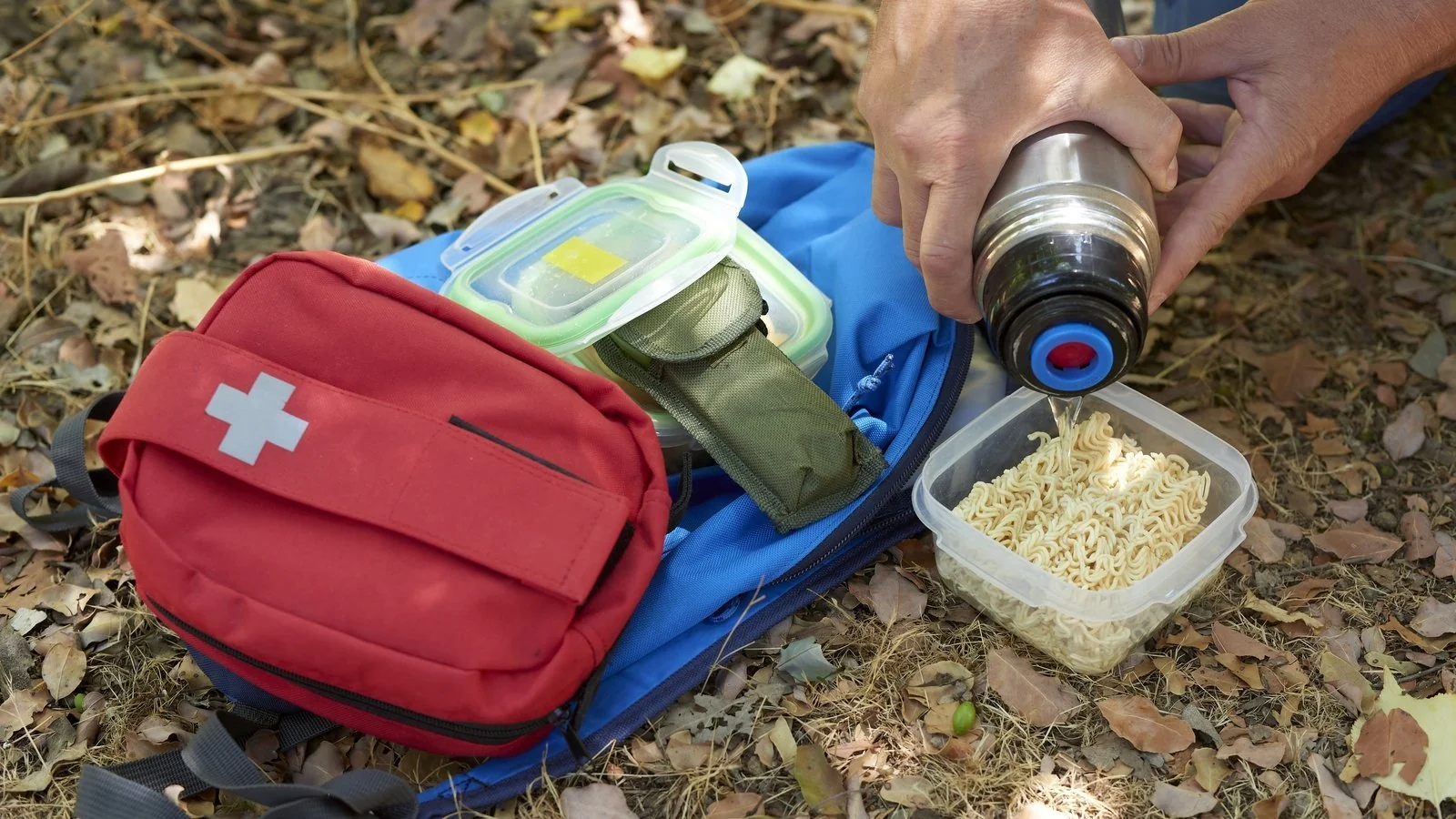
Food storage is only part of the equation, and I quickly realized that water is even more critical. Many pantry items require water for preparation, so I made sure to store an adequate supply alongside my food. I also explored purification methods as a backup.
Cooking methods became another important factor. Some foods take longer to prepare and require more fuel, which may not always be available. I adjusted my pantry to include items that can be eaten with minimal preparation or even straight from the container.
Having multiple cooking options gives me flexibility. Whether it is a simple stove, a portable burner, or no heat at all, I know I can still prepare meals. That adaptability is essential in uncertain situations.
Organizing For Efficiency And Rotation
A well-organized pantry saves time and prevents waste. I arranged my items so that older stock is always used first, following a first-in, first-out system. This keeps everything fresh and ensures nothing is forgotten.
Labeling helped me keep track of expiration dates and quantities. It might seem tedious at first, but it quickly becomes second nature. A clear system reduces confusion and makes it easier to maintain the pantry over time.
I also grouped similar items together. This makes meal planning simpler and helps me see what I have at a glance. Organization turns a chaotic stockpile into a functional and reliable resource.
Managing Space In Any Living Situation
Space limitations can make the process feel overwhelming, but I found ways to work around them. Even small spaces can hold a surprising amount of food with the right approach. I used vertical storage, under-bed containers, and unused corners to maximize capacity.
I avoided clutter by focusing on essentials rather than excess variety. It is better to have a consistent supply of core items than a scattered collection of random foods. This keeps the pantry efficient and manageable.
Flexibility is key when space is limited. I adapted my storage methods to fit my environment rather than forcing a one-size-fits-all solution. This made the process more practical and sustainable.
Budgeting Without Sacrificing Quality
Building a long-term pantry does not have to happen all at once. I spread my purchases over time, adding a little extra to my regular grocery trips. This approach made it affordable and prevented financial strain.
I watched for sales and bought in bulk when prices were low. Over time, these small savings added up significantly. Patience is one of the most valuable tools in building a pantry on a budget.
Quality still matters, even when saving money. I avoided cheap options that would not last or provide proper nutrition. A balanced approach ensures that the pantry remains both cost-effective and reliable.
Maintaining And Updating Your Pantry
A pantry is not something I build once and forget. It requires regular maintenance to stay effective. I check my supplies periodically to ensure everything is in good condition and still within its usable timeframe.
Rotation is an ongoing process. As I use items, I replace them to keep my stock consistent. This habit keeps the pantry active and prevents waste.
I also adjust based on changing needs. Preferences, dietary requirements, and circumstances can shift over time. Updating the pantry ensures it remains relevant and useful.
Preparing For Unexpected Challenges
No matter how well I plan, unexpected situations can still arise. That is why I built flexibility into my pantry. Having a variety of foods and preparation methods allows me to adapt to different scenarios.
I also keep backup supplies for essential items. This includes extra water, cooking fuel, and basic tools. These additions strengthen the overall system and reduce potential weak points.
Mental preparedness is just as important as physical supplies. Knowing that I have a well-stocked pantry gives me confidence and reduces stress during uncertain times. That mindset makes a significant difference in how I respond to challenges.
Making Your Pantry A Part Of Everyday Life
The most effective pantry is one that integrates into daily routines. I regularly cook with my stored food, which keeps it fresh and familiar. This practice also helps me refine recipes and discover new meal ideas.
Using the pantry in everyday life prevents it from becoming a forgotten resource. It becomes a natural extension of my kitchen rather than a separate emergency stash. This makes maintenance easier and more consistent.
Over time, this approach turns preparedness into a habit instead of a one-time project. It becomes part of how I live, not something I only think about during emergencies.
Final Thoughts On Long-Term Food Security
Building a long-term survival pantry is one of the most practical steps I have taken toward self-reliance. It is not about extreme scenarios, but about being ready for everyday uncertainties. The process takes time, but each step adds value and stability.
I found that consistency matters more than perfection. Small, steady efforts lead to a strong and dependable pantry. Anyone can start, regardless of budget or space, and improve over time.
In the end, it is about peace of mind. Knowing that I can provide for myself and those around me brings a level of comfort that is hard to replace. That confidence is what makes the effort truly worthwhile.