
The first 24 hours after a disaster can feel disorienting, overwhelming, and frightening, but they are also the most critical window for survival, safety, and setting the tone for what comes next. I have learned that what I do in those early moments matters more than anything else, not because I can control the situation, but because I can control my response to it. Panic is natural, but action is what makes the difference. Staying focused, making careful decisions, and taking steady steps forward can turn chaos into something manageable, even if just for a moment at a time.
Secure Immediate Safety
The very first thing I focus on is getting to a place where I am out of immediate danger. Whether it is moving away from a collapsing structure, finding higher ground during a flood, or stepping outside after an earthquake, I remind myself that nothing else matters if I am not safe. I do not waste time gathering belongings at this stage unless they are right within reach and do not slow me down. My priority is always distance from the threat.
Once I reach a safer area, I take a moment to assess my surroundings. I look for hazards like exposed wires, unstable debris, fire, or rising water. Even if I feel relieved to have escaped the initial danger, I stay alert because secondary risks are common in disasters. That awareness helps me avoid turning a survivable situation into something worse.
Check for Injuries
After securing my immediate safety, I check myself for injuries before anything else. Adrenaline can mask pain, so I take a few seconds to scan my body carefully, looking for bleeding, swelling, or anything that feels unusual. If I find a serious injury, I act quickly to stop bleeding or stabilize myself using whatever materials are available. Even basic actions like applying pressure or elevating a limb can make a huge difference.

Once I am sure I can function, I look around for others who may need help. I do not rush blindly into dangerous areas, but if it is safe to assist, I do what I can. Sometimes that means helping someone stand, offering water, or simply staying with them so they are not alone. In those early hours, small acts of support can bring a sense of stability to everyone involved.
Stay Calm and Think Clearly
Fear is unavoidable, but I remind myself that panic only makes everything harder. I focus on slowing my breathing and grounding myself in simple actions. Counting breaths or concentrating on one task at a time helps me stay present instead of getting overwhelmed by everything happening at once. That mental control allows me to make better decisions.
Clear thinking also helps me prioritize. I ask myself what needs to happen right now, not what might happen later. Breaking the situation into manageable steps keeps me from freezing or making impulsive choices. Even in chaos, a steady mind becomes one of the most valuable tools I have.
Gather Essential Supplies
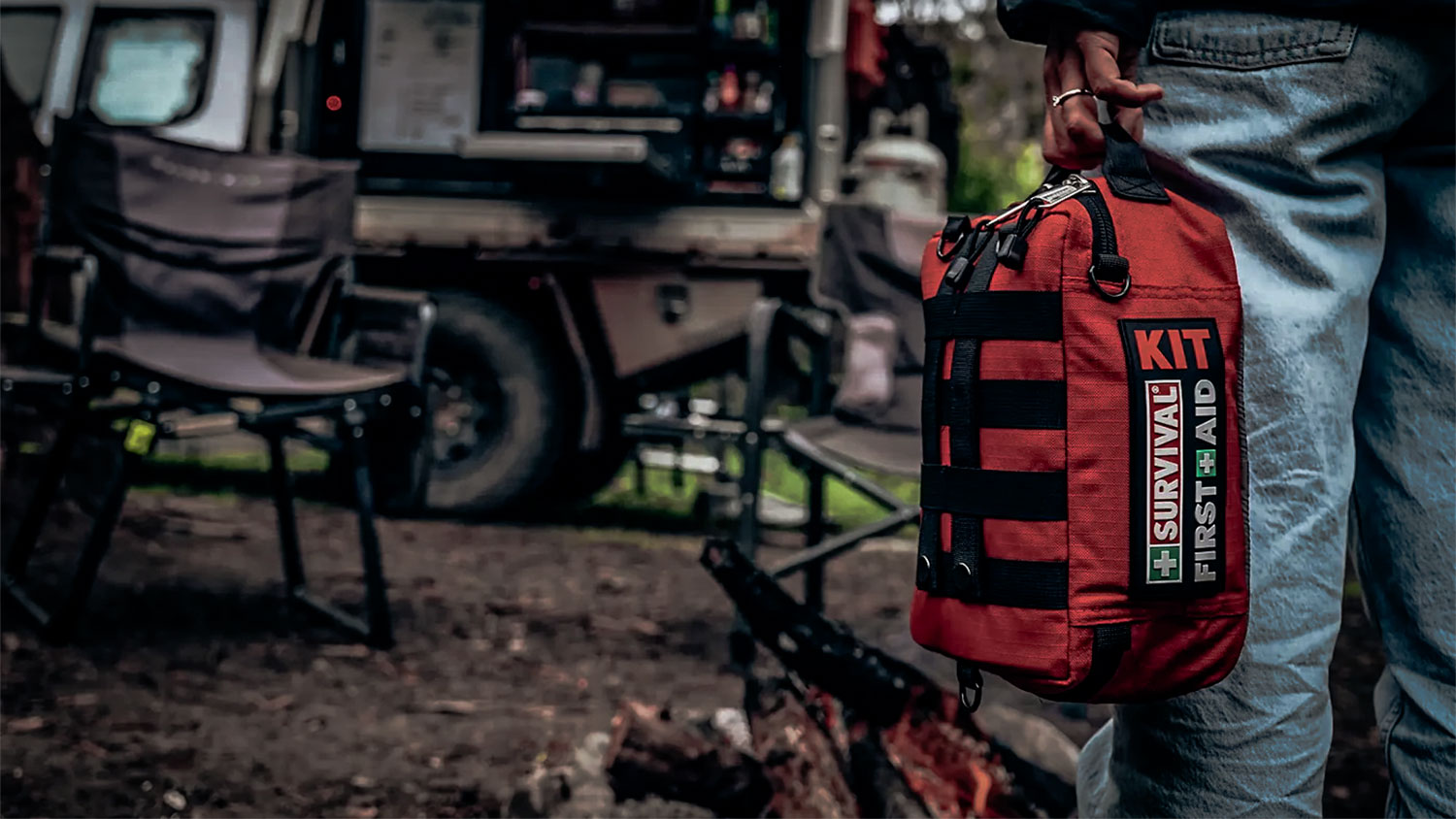
Once I know I am safe and stable, I start gathering essential items if they are accessible. Water is always at the top of my list because dehydration can set in quickly, especially in stressful conditions. I also look for food, a flashlight, a phone, and any basic first aid supplies. If I already have an emergency kit, I rely on it heavily during this stage.
I avoid overpacking or carrying unnecessary items. Mobility matters, especially if I need to relocate quickly. I focus on what will sustain me for the next several hours, not what might be useful days later. Keeping things simple ensures I can move freely and respond to changing conditions.
Establish Communication
Communication becomes incredibly important in the first 24 hours, so I make an effort to contact family or close friends as soon as possible. Even a short message letting them know I am safe can ease a lot of worry. If phone networks are overloaded, I try sending text messages instead, since they often go through when calls cannot.
I also pay attention to official updates through radio, news, or reliable online sources if available. Accurate information helps me understand what is happening and what actions I should take next. Rumors and misinformation spread quickly during disasters, so I make sure to rely only on trusted channels.
Find or Create Shelter
Protection from the elements becomes a priority as time passes. If my home is safe, I stay there, but if it is damaged or unsafe, I look for alternative shelter. That could be a designated evacuation center, a sturdy building, or even a temporary setup using available materials. Staying dry and protected from extreme temperatures can prevent additional health issues.
I also think about ventilation, cleanliness, and space when choosing where to stay. Crowded or poorly maintained areas can lead to other problems, especially if I have to remain there for an extended period. A secure and relatively comfortable shelter provides a sense of normalcy during an otherwise unstable time.
Manage Water and Food Carefully
Food and water may become limited quickly, so I handle them with care from the beginning. I avoid consuming everything at once and instead ration supplies to last as long as possible. Even if I feel hungry or thirsty, I pace myself to ensure I have enough for the hours ahead.
I also stay cautious about the safety of what I consume. Contaminated water or spoiled food can lead to illness, which is the last thing I need in a disaster situation. If I am unsure about water quality, I look for ways to purify it or rely on bottled sources if available.
Stay Informed About the Situation
Situations can change rapidly during a disaster, so I make it a habit to stay informed. I listen for updates about weather conditions, rescue operations, and safety advisories. Knowing whether to stay put or evacuate can depend on timely information, so I remain attentive.
I also observe what is happening around me. Sometimes local conditions provide clues that official updates have not yet covered. Being aware of my environment helps me respond more effectively and avoid unnecessary risks.
Help Others Without Risking Safety
Helping others is important, but I always balance that with my own safety. I do what I can within my limits, whether that is sharing supplies, offering assistance, or providing reassurance. However, I avoid putting myself in danger to help someone else, because that could create more problems for everyone involved.
Working together with others can make a significant difference. Coordinating efforts, sharing information, and supporting one another builds a sense of community even in difficult circumstances. Those connections can provide both practical help and emotional strength.
Protect Important Information and Documents
If I have access to important documents like identification, medical records, or emergency contacts, I keep them secure and within reach. These items can be crucial for accessing aid, proving identity, or reconnecting with loved ones later. I try to keep them dry and protected from damage.
If physical documents are not available, I rely on digital copies if I have them stored on my phone or online. Having that information accessible gives me one less thing to worry about during an already stressful time.
Conserve Energy and Stay Rested
Fatigue can set in quickly, especially when dealing with stress and physical exertion. I remind myself to rest whenever possible, even if it is just for a short period. Conserving energy ensures I can respond effectively if the situation changes suddenly.
I also pace my activities instead of trying to do everything at once. Spreading out tasks helps me maintain both physical and mental endurance. Staying rested allows me to think more clearly and make better decisions throughout the day.
Maintain Hygiene as Much as Possible
Hygiene might not seem like a priority at first, but it becomes important very quickly. I do my best to keep my hands clean, especially before eating or treating wounds. Even basic cleanliness can prevent infections and illness.
If water is limited, I use it sparingly and focus on essential hygiene practices. Small efforts can go a long way in maintaining health during challenging conditions. Staying clean also helps me feel more in control and less overwhelmed.
Prepare for the Next 24 Hours
As the first day comes to an end, I shift my focus to what lies ahead. I review what supplies I have, what I might need, and what actions I should take next. Planning even a little bit gives me a sense of direction and reduces uncertainty.
I also think about potential changes in the situation. Weather, safety conditions, and available resources can all shift quickly, so I stay flexible. Being prepared for different scenarios helps me adapt without feeling completely unprepared.
Hold Onto Mental Strength
The emotional toll of a disaster can be just as challenging as the physical impact. I remind myself that fear, sadness, and frustration are all normal reactions. Acknowledging those feelings without letting them take over helps me stay grounded.
I focus on small victories, like finding shelter, securing water, or connecting with someone I care about. Those moments provide a sense of progress and hope. Even in the middle of uncertainty, maintaining mental strength becomes one of the most powerful tools I have.
Keep Moving Forward
The first 24 hours are only the beginning, but they set the foundation for everything that follows. Each decision I make during that time shapes my safety, stability, and ability to recover. I do not need to have everything figured out, but I do need to keep moving forward step by step.
By staying focused, taking practical actions, and maintaining a clear mind, I give myself the best chance to navigate through the situation. Disasters are unpredictable, but my response does not have to be. In those critical hours, steady action becomes my way through the uncertainty.