Stepping into the outdoors without the right gear is a gamble I never take lightly, because experience has shown me how quickly situations can shift from calm to chaotic. The right tools do more than add convenience; they provide security, confidence, and a real chance of making it through unexpected challenges. Over time, I have refined what I carry, stripping away unnecessary weight while making sure every item earns its place. These 25 survival tools are the ones I rely on no matter where I go, because they have proven their worth in real conditions, not just theory.
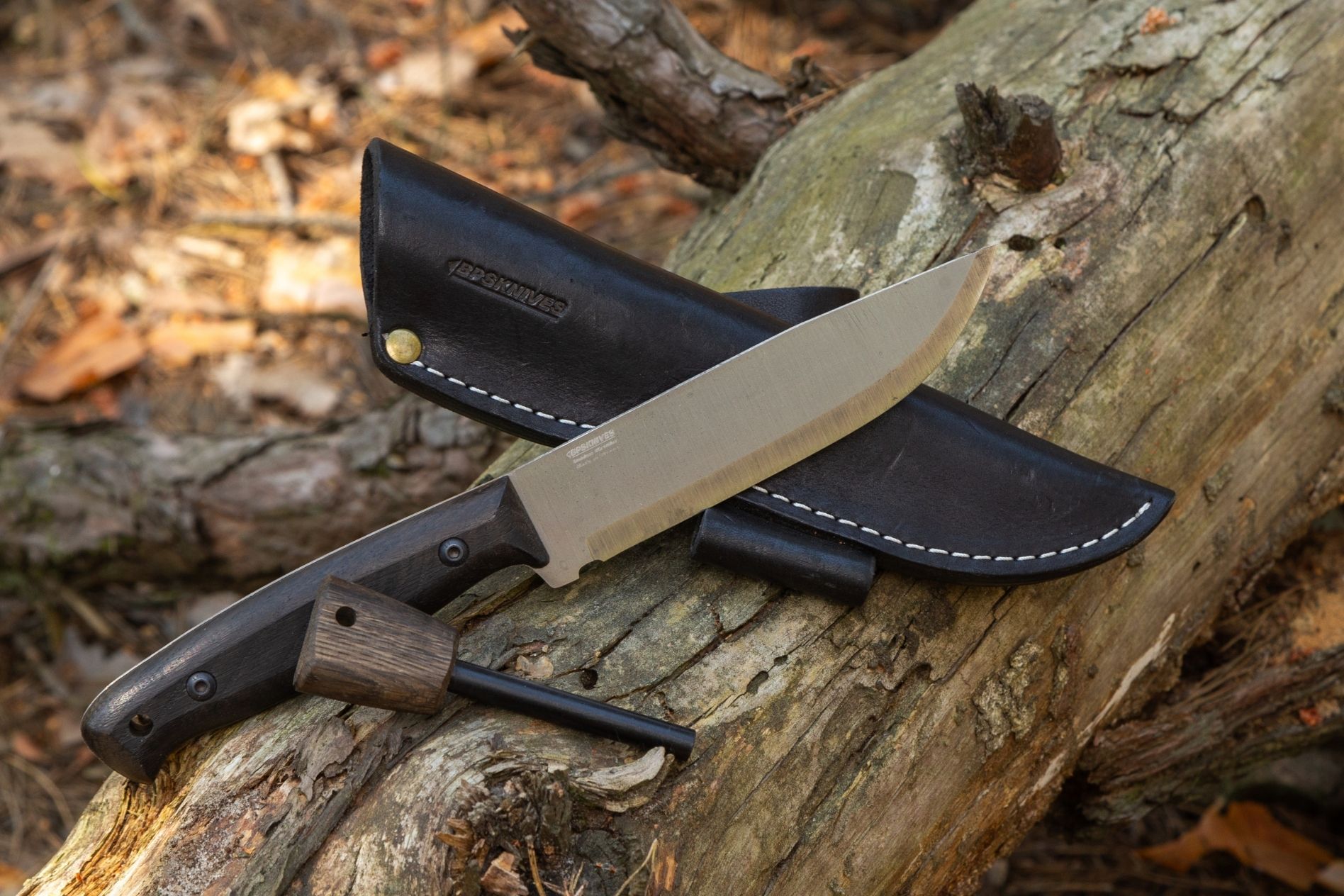
1. Fixed Blade Knife
A reliable fixed blade knife is at the core of my survival kit. It handles everything from cutting wood and preparing food to crafting shelter materials. Folding knives are useful, but a fixed blade offers more strength and dependability when pressure is high. I prefer one that fits comfortably in my hand and holds an edge well, since dull blades can become dangerous quickly.
2. Multi-Tool
A multi-tool brings versatility without adding much weight. It combines pliers, screwdrivers, scissors, and other small tools into one compact piece. I have used it for repairing gear, opening cans, and even pulling splinters. Its usefulness becomes obvious the moment something breaks and you need a quick fix.
3. Fire Starter
Fire is not optional in survival situations, and I always carry more than one way to start it. A ferro rod is my go-to because it works even when wet and lasts for thousands of strikes. Matches and lighters can fail, but a ferro rod keeps going with minimal effort. Fire provides warmth, light, protection, and a way to purify water.

4. Emergency Blanket
An emergency blanket might look simple, but it can save your life. It reflects body heat and helps prevent hypothermia, especially during cold nights. I have also used it as a ground cover and even as part of a shelter. Its lightweight design makes it easy to carry without taking up space.
5. Paracord
Paracord is one of the most versatile tools I bring. It can be used for building shelters, securing gear, creating traps, or even as a replacement shoelace. I usually carry at least 50 feet because it can be cut into smaller lengths when needed. Its strength and flexibility make it indispensable.
6. Headlamp
Hands-free lighting makes a huge difference in low-light conditions. A headlamp allows me to move, cook, or build without juggling a flashlight. I always pack extra batteries because light becomes critical once the sun goes down. Darkness can turn simple tasks into dangerous ones if you are unprepared.
7. Water Filter
Clean water is a priority I never overlook. A portable water filter allows me to drink safely from streams, rivers, or other natural sources. It removes harmful bacteria and parasites that could otherwise make me sick. Staying hydrated without risking illness is essential in any environment.
8. Metal Water Bottle
A durable metal water bottle serves more than one purpose. It holds water, but it can also be placed over a fire to boil and purify it. Plastic bottles cannot handle heat, which limits their usefulness. I prefer stainless steel because it is tough and long-lasting.
9. First Aid Kit
Injuries can happen at any time, and a well-stocked first aid kit is non-negotiable. I include bandages, antiseptic wipes, gauze, and basic medications. Even minor cuts can become serious if left untreated. Being able to handle medical issues quickly makes a big difference.
10. Navigation Tools
Getting lost is easier than most people think. I always carry a map and compass, even if I have a GPS device. Electronics can fail, but traditional navigation tools do not rely on batteries. Knowing how to use them is just as important as having them.
11. Whistle
A whistle is a simple but powerful signaling tool. It can be heard from much farther away than a human voice. If I ever need to attract attention or call for help, a whistle saves energy and increases my chances of being found. It weighs almost nothing but offers real value.
12. Duct Tape
Duct tape is one of those items that solves countless problems. I have used it to repair torn gear, patch holes, and even create makeshift bandages. Wrapping some around a water bottle or stick saves space. Its versatility makes it worth carrying every time.
13. Energy Bars
Food provides energy, and energy keeps you moving. I always carry compact, high-calorie snacks like energy bars. They last long and do not require preparation. Even a small amount of food can boost morale and physical strength when it matters most.
14. Waterproof Matches
Even though I rely on a ferro rod, waterproof matches add another layer of reliability. They are easy to use and work well in damp conditions. Redundancy is key in survival, especially for fire-starting tools. Having backups reduces risk.
15. Compact Tarp
A lightweight tarp is incredibly useful for building shelter. It can protect against rain, wind, and sun. I have used it in different setups depending on the environment. Its flexibility allows me to adapt quickly without carrying heavy equipment.
16. Folding Saw
Cutting wood with a knife can be inefficient and tiring. A folding saw makes the job faster and safer. It allows me to process firewood and build structures more effectively. The compact design makes it easy to pack without adding much weight.
17. Signal Mirror
A signal mirror is a powerful tool for attracting attention over long distances. It reflects sunlight in a way that can be seen miles away. I carry one because it requires no power and works in clear conditions. It can make the difference between being found and staying lost.
18. Notebook And Pencil
Writing things down might not seem critical, but it has its place. I use a small notebook to track directions, record observations, or leave messages. A pencil works better than a pen in harsh conditions because it does not dry out. Clear thinking often depends on clear notes.
19. Gloves
Protecting my hands is something I never overlook. Gloves help prevent cuts, blisters, and burns. Working with wood, rocks, or fire can be rough on bare hands. A good pair of gloves keeps me functional and reduces the risk of injury.
20. Rain Jacket
Weather can change quickly, and staying dry is essential. A lightweight rain jacket protects against rain and wind. It also helps retain body heat in colder conditions. I always pack one because exposure can lead to serious problems fast.
21. Fishing Kit
A small fishing kit adds another way to find food. It usually includes hooks, line, and sinkers. Fishing requires patience, but it can provide a steady source of nutrition. Having the option increases my chances of sustaining myself longer.
22. Compass
Even though it is part of navigation tools, I treat the compass as its own essential item. It provides direction at all times, regardless of visibility. I rely on it when landmarks are unclear or when traveling through dense areas. It is simple but incredibly effective.
23. Emergency Rations
Beyond snacks, I carry emergency rations designed for long shelf life. These are packed with calories and nutrients. They are not meant for comfort but for survival. Having them ensures I am not relying entirely on finding food in the wild.
24. Flashlight
A backup flashlight is always in my pack. Even with a headlamp, having a second light source adds security. It can be used for signaling or as a handheld option. Redundancy in lighting tools is something I take seriously.
25. Personal Locator Beacon
Technology has added new options for safety, and a personal locator beacon is one of them. It can send a distress signal with my location to rescue services. While I do not rely solely on it, having it increases my chances of being found in emergencies. It serves as a final layer of protection when other methods fail.
Carrying these tools has shaped how I move through the outdoors, giving me both independence and preparedness. Each item has a purpose, and together they form a system that supports survival in unpredictable conditions. Packing them is not about fear but about respect for the environment and the challenges it can present. With the right tools and mindset, facing the unknown becomes less intimidating and far more manageable.