A survival knife is one of the few tools I never compromise on, whether I am heading into dense forests, rocky trails, or uncertain terrain. It is not just about cutting things; it is about reliability, adaptability, and trust when conditions are unpredictable. Over time, I have handled everything from cheap blades that barely held an edge to premium knives that felt like an extension of my hand. The difference between them becomes clear the moment you rely on one in a real situation, where performance matters more than appearance or hype.
What Makes A Survival Knife Worth Carrying
A survival knife must perform under pressure, not just look good in a display case. I always pay attention to the steel type first, because it determines how well the blade holds its edge and how easy it is to sharpen in the field. High carbon steel is excellent for toughness and edge retention, while stainless steel offers better resistance to rust, which matters in humid or wet environments.
Blade shape also plays a major role in versatility. Drop point blades are my go-to because they handle most tasks well, from carving wood to preparing food. A good survival knife should not be too large or too small, as extremes in size can limit its practicality. Balance, grip comfort, and durability are equally important because fatigue and control become real concerns during extended use.
Budget Survival Knives That Get The Job Done
Not everyone needs to spend a fortune to get a dependable survival knife. I have used budget knives in tough situations, and some of them performed surprisingly well. The key is to find blades that prioritize function over flashy design and unnecessary features.

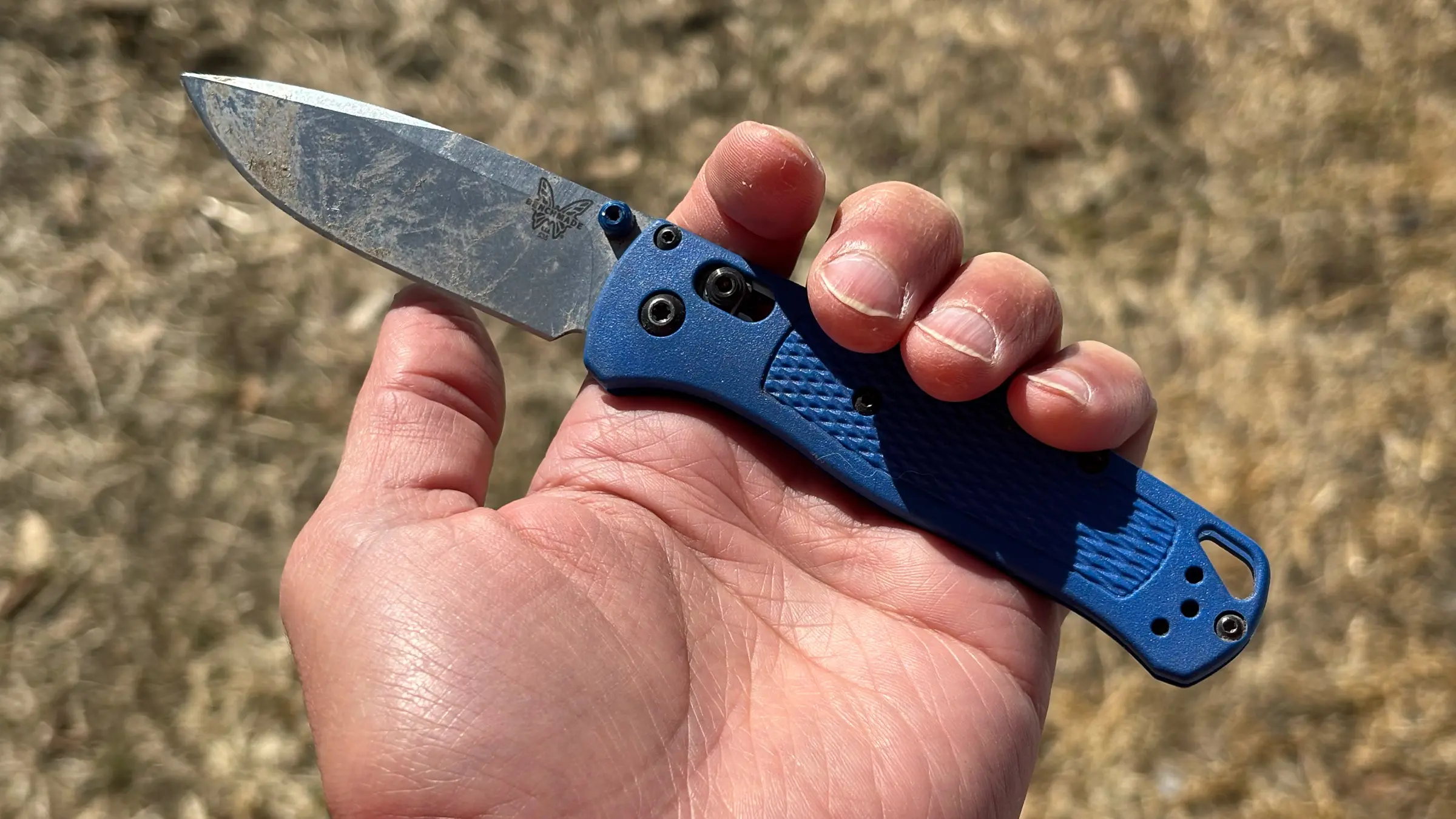
One of the most reliable traits in budget knives is simplicity. A fixed blade with full tang construction is always my preference because it provides strength and stability. Folding knives can work, but they introduce moving parts that may fail under stress. Even in lower price ranges, there are knives with solid heat treatment and decent steel that can handle tasks like batoning wood and cutting rope.
Grip material is another factor I never overlook, even in budget options. Rubberized or textured handles provide better control, especially in wet conditions. A cheap knife with a good grip can outperform a more expensive one that slips in your hand. I have learned that comfort directly impacts efficiency, especially when working for extended periods.
Maintenance becomes more important with budget knives. They may require frequent sharpening, but that also means they are easier to hone in the field. Carrying a small sharpening tool alongside a budget knife can significantly extend its usefulness and reliability.
Mid-Range Knives That Balance Performance And Price
Stepping into the mid-range category introduces noticeable improvements in both materials and craftsmanship. These knives often feature better steel, improved ergonomics, and stronger construction. I find this range to be the sweet spot for most outdoor enthusiasts who want reliability without spending excessively.
In this category, edge retention becomes more consistent. I do not have to sharpen as often, which saves time and effort during trips. The blades are typically more refined, offering smoother cutting performance and better precision for detailed tasks. Whether I am carving traps or preparing kindling, a mid-range knife provides confidence that it will not fail.
Handle design also improves significantly. Manufacturers in this range invest more in ergonomics, which reduces hand fatigue during prolonged use. I notice the difference when working on repetitive tasks like feathering sticks or processing wood. A comfortable handle allows me to maintain control without constantly adjusting my grip.
Another advantage of mid-range knives is the inclusion of better sheaths. A secure sheath is just as important as the knife itself because it ensures safe and easy access. I have experienced the frustration of poorly designed sheaths, and it quickly becomes clear how valuable a well-made one can be in real situations.
Premium Survival Knives Built For Extreme Conditions
Premium survival knives take performance to another level. These are the blades I trust when conditions are harsh and failure is not an option. The materials, craftsmanship, and design all come together to create tools that can handle extreme abuse.
High-end steels offer exceptional edge retention and toughness. I can rely on these knives to maintain sharpness through demanding tasks without constant maintenance. This becomes crucial during long expeditions where time and resources are limited. The durability of premium knives also means they can withstand heavy use without chipping or breaking.
Attention to detail is evident in every aspect of premium knives. The balance feels natural, the grip fits perfectly, and the overall construction inspires confidence. I often notice how these knives perform effortlessly, reducing the effort required for tough tasks. Efficiency becomes a significant advantage when energy conservation is important.
Premium knives also tend to feature advanced coatings and finishes that protect against corrosion and wear. This is particularly useful in humid environments or near water. I have used premium knives in challenging conditions, and their resilience makes a noticeable difference over time.
Fixed Blade Versus Folding Knives In Survival Situations
The debate between fixed blade and folding knives often comes up, but my preference remains clear. Fixed blade knives provide strength and reliability that folding knives simply cannot match. In survival situations, simplicity often wins, and fewer moving parts mean fewer chances of failure.
Folding knives do have their place, especially for everyday carry or light tasks. They are compact and convenient, making them easy to carry in urban environments. However, when it comes to heavy-duty tasks like batoning wood or prying, they fall short.
A fixed blade knife offers peace of mind. I do not have to worry about locks failing or hinges weakening over time. This reliability becomes critical when the knife is my primary tool for survival tasks. I have found that investing in a solid fixed blade is always worth it.
Blade Length And Thickness For Different Scenarios
Blade size matters more than most people realize. A knife that is too large can be cumbersome, while one that is too small may lack the strength needed for demanding tasks. I usually prefer a blade length between four and six inches because it strikes a balance between versatility and control.
Thickness also plays a role in performance. Thicker blades provide strength for heavy tasks like splitting wood, but they may sacrifice slicing efficiency. Thinner blades excel at precision work but may struggle with durability under stress. Finding the right balance depends on the intended use.
For general survival purposes, I lean toward a medium thickness that can handle both cutting and chopping tasks. This versatility allows me to rely on a single knife for multiple functions, reducing the need to carry additional tools.
Handle Materials And Grip Comfort
Handle comfort can make or break the experience of using a survival knife. I have used knives with excellent blades but poor handles, and it quickly became clear how important ergonomics are. A comfortable grip allows for better control and reduces fatigue during extended use.
Materials like micarta, G10, and rubberized coatings provide excellent grip even in wet conditions. I prefer handles that offer texture without being overly aggressive, as this prevents discomfort during prolonged tasks. The shape of the handle should also fit naturally in the hand, allowing for different grip positions.
Durability is another consideration. Handles should withstand impact, moisture, and temperature changes without degrading. A well-designed handle enhances the overall performance of the knife and ensures consistent use in various conditions.
Maintenance And Longevity Of Survival Knives
A survival knife is only as good as its maintenance. Even the best blade will lose its effectiveness if it is not properly cared for. I make it a habit to clean and dry my knife after each use, especially in wet or humid environments.
Sharpening is a skill that every knife owner should develop. A sharp blade is safer and more efficient than a dull one. I carry a compact sharpening tool to maintain the edge during trips, ensuring that my knife remains reliable.
Storage also plays a role in longevity. Keeping the knife in a dry environment and occasionally applying oil to the blade helps prevent rust and corrosion. Proper care extends the life of the knife and maintains its performance over time.
Matching The Knife To The Situation
Different environments require different tools, and survival knives are no exception. In forested areas, I prioritize versatility for tasks like cutting wood and building shelters. In desert environments, durability and edge retention become more important due to abrasive conditions.
Water-based environments require corrosion-resistant materials. Stainless steel blades perform better in these conditions, reducing the risk of rust. I always consider the environment before selecting a knife, as it directly impacts performance and longevity.
Urban survival scenarios may call for smaller, more discreet knives. In these situations, portability and practicality take precedence over heavy-duty capabilities. Matching the knife to the situation ensures that it remains effective and relevant.
Final Thoughts On Investing In The Right Survival Knife
A survival knife is more than just a tool; it is a dependable companion in uncertain situations. I have learned that investing in quality pays off in the long run, whether it is a budget-friendly option or a premium blade. Each category has its place, and the right choice depends on individual needs and circumstances.
Reliability, comfort, and performance should always come first. A knife that feels right in the hand and performs consistently is worth far more than one that simply looks impressive. Over time, experience shapes preferences, but the fundamentals remain the same.
Carrying the right survival knife provides confidence and preparedness. It becomes a trusted tool that supports a wide range of tasks, from basic cutting to critical survival needs. With the right choice, a survival knife can make all the difference when it matters most.