Preparedness has shifted from a niche interest into something far more practical, and I’ve found that having reliable survival gear within reach brings a kind of quiet confidence that’s hard to replace. Disruptions happen in different forms, whether it’s power outages, extreme weather, or unexpected travel delays, and the right tools can make a stressful situation manageable. Over time, I’ve tested and rotated through different pieces of gear, figuring out what actually earns a permanent place in my setup and what ends up forgotten in a drawer.
A Reliable Backpack That Holds Everything Together
A solid backpack forms the backbone of any survival setup, and I’ve learned that not all bags are created equal. Durability matters more than style, especially when you’re carrying weight for extended periods or dealing with unpredictable weather. Materials like high-denier polyester or nylon hold up far better under stress, and reinforced stitching makes a noticeable difference over time.
Storage design also plays a big role in usability. Multiple compartments allow me to organize items by priority, which saves valuable time when I need to grab something quickly. I also look for padded shoulder straps and breathable back panels, since comfort becomes critical when carrying the bag for hours.
Water resistance is another feature I never overlook. Even if a bag isn’t fully waterproof, having a protective coating or included rain cover ensures that essential items stay dry. A good backpack doesn’t just carry gear; it keeps everything accessible, protected, and ready for action.

Multi-Tool That Covers More Than You Expect
A dependable multi-tool has proven to be one of the most versatile items I own. It replaces several individual tools, saving space while still offering functionality for a wide range of tasks. From cutting rope to tightening screws, it consistently earns its spot in my kit.
The key is finding one made from quality stainless steel that resists corrosion. Cheap tools often fail under pressure, and that’s the last thing I want during an emergency. A sturdy locking mechanism also provides safety and stability, especially when using blades or pliers.
Portability matters just as much as strength. A compact design that fits comfortably in a pocket or clips onto a belt makes it easy to carry daily. I’ve come to rely on this single piece of gear more than I expected, and it rarely leaves my side.
Portable Water Filter For Safe Hydration
Access to clean water quickly becomes a top priority in any survival situation. Carrying bottled water helps, but it’s not always sustainable, especially for longer durations. That’s where a portable water filter becomes essential.
I prefer lightweight filtration systems that can remove bacteria and debris without requiring complicated setup. Many modern filters allow me to drink directly from a source like a stream or attach to a water bottle, which makes them incredibly convenient. It’s reassuring to know I can find water and make it safe almost anywhere.
Durability and lifespan are important considerations here as well. A filter that can process thousands of liters before needing replacement provides long-term reliability. Clean water is non-negotiable, and having a dependable solution removes a major source of uncertainty.
Emergency Food Supplies That Actually Last
Food storage used to feel like an afterthought until I realized how quickly energy levels drop without proper nutrition. Emergency food options available today are far more practical than the bland, unappealing choices from the past. Freeze-dried meals and high-calorie ration bars have become staples in my setup.
Shelf life is one of the biggest advantages. Many of these products last for years without refrigeration, which means I can store them without constant rotation. Preparation is also straightforward, often requiring only hot water or no preparation at all.
Taste and variety have improved significantly, making it easier to maintain morale during stressful situations. Eating something satisfying can have a surprisingly positive effect on focus and decision-making. It’s not just about survival; it’s about maintaining strength and clarity.
Tactical Flashlight With Long Battery Life
Lighting plays a bigger role than most people expect. A reliable tactical flashlight provides visibility, safety, and even a form of signaling when needed. I’ve learned to avoid cheap flashlights that dim quickly or fail after minimal use.
Brightness and battery life are the two features I prioritize. High-lumen output ensures I can see clearly in complete darkness, while rechargeable batteries or long-lasting power sources keep the light functional over extended periods. Some models also include multiple modes, such as strobe or low-power settings, which add flexibility.
Durability matters just as much as performance. A flashlight that can withstand drops and water exposure becomes far more dependable in real-world conditions. Having a strong, consistent light source is something I never take for granted.
Fire Starter That Works In Any Condition
Fire provides warmth, light, and the ability to cook food, making it one of the most critical survival elements. Relying solely on lighters isn’t ideal, since they can fail in wet or cold environments. A reliable fire starter offers a backup that doesn’t depend on fuel.
Ferro rods have become my go-to option because of their durability and reliability. Even after repeated use, they continue to produce strong sparks that can ignite tinder quickly. Pairing them with waterproof matches or a backup lighter adds an extra layer of security.
Practice makes a big difference when it comes to fire starting. I’ve spent time learning how to use different materials effectively, which makes the process much smoother under pressure. Fire isn’t just a tool; it’s a lifeline in many situations.
First Aid Kit That Goes Beyond Basics
A well-stocked first aid kit is something I never compromise on. Minor injuries can escalate quickly without proper care, and having the right supplies makes all the difference. Basic kits are a good starting point, but I’ve found that expanding them adds real value.
Items like antiseptic wipes, bandages, and gauze are essential, but I also include additional tools such as tweezers, medical tape, and pain relievers. Customizing the kit to fit personal needs ensures better preparedness for a wider range of situations.
Organization within the kit matters as well. Clearly labeled compartments make it easier to locate items quickly, which can be crucial during emergencies. A good first aid kit isn’t just about having supplies; it’s about being able to use them effectively when it counts.
Emergency Shelter For Immediate Protection
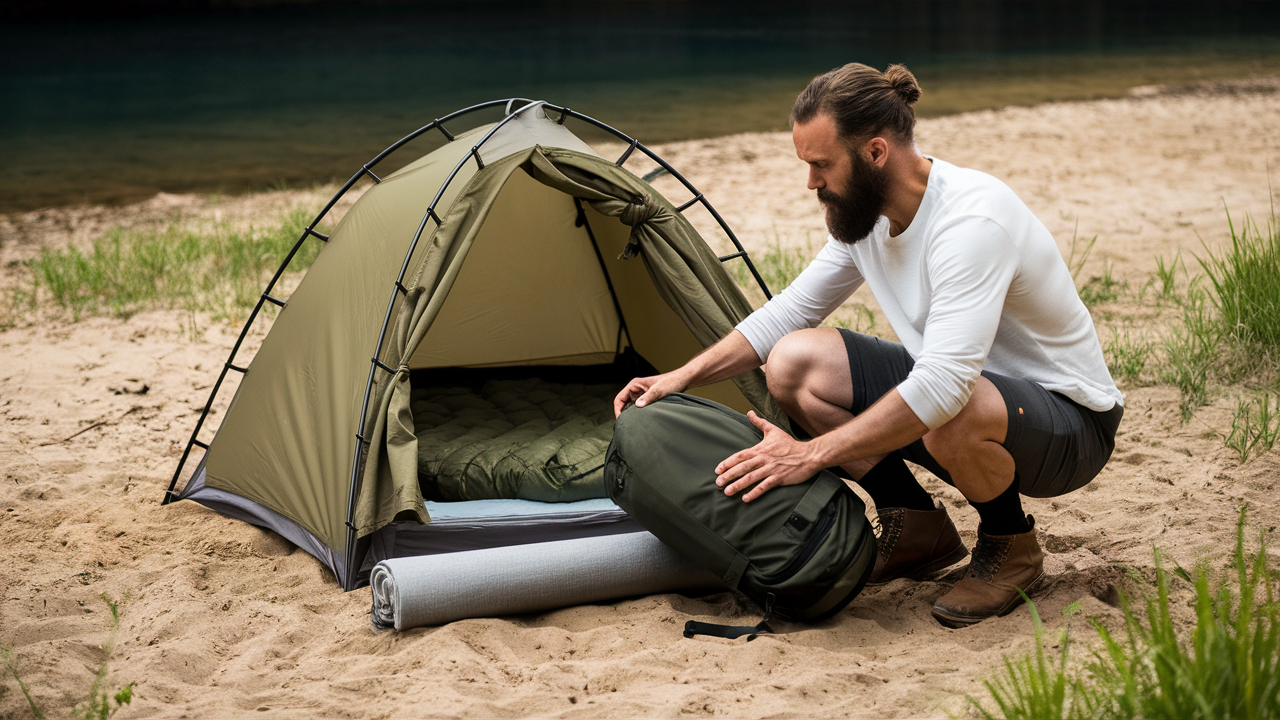
Exposure to harsh weather can become dangerous faster than expected. An emergency shelter provides immediate protection and helps retain body heat in critical situations. Compact options available today are surprisingly effective despite their small size.
Lightweight emergency tents or bivy sacks are easy to carry and quick to set up. Reflective materials help conserve heat, which is especially useful in colder environments. Even a simple tarp can provide valuable shelter when used correctly.
I always make sure to include some form of shelter in my gear, regardless of the situation. It adds minimal weight but offers significant protection when needed. Staying dry and warm is often the difference between comfort and risk.
Power Bank And Solar Charger Combo
Staying connected can be crucial, especially when access to information or communication becomes limited. A reliable power bank ensures that essential devices remain functional. Pairing it with a solar charger adds an extra layer of independence.
Capacity is one of the main factors I consider when selecting a power bank. Higher capacity means more charges for devices like phones or small radios. Solar charging may not be the fastest option, but it provides a renewable source of power when traditional outlets aren’t available.
Durability and portability also play a role in my decision. A rugged design that can handle outdoor conditions makes the combination far more practical. Having access to power keeps important tools running and helps maintain a sense of control.
Paracord That Serves Multiple Purposes
Paracord has earned its reputation as a versatile survival tool. It can be used for building shelters, securing gear, or even creating makeshift repairs. I always keep a generous length in my bag because of how often it comes in handy.
Strength is one of its biggest advantages. High-quality paracord can support significant weight, making it reliable for demanding tasks. At the same time, it remains lightweight and easy to pack, which adds to its overall usefulness.
The inner strands can also be separated and used individually for smaller tasks. This level of versatility makes paracord one of those items that proves its value repeatedly. It’s simple, but incredibly effective.
Navigation Tools That Don’t Depend On Signal
Digital navigation tools are convenient, but they rely heavily on battery life and signal availability. That’s why I always include traditional navigation tools like a compass and physical map. These tools work regardless of external conditions.
A good compass provides consistent direction, which becomes essential when traveling through unfamiliar terrain. Pairing it with a detailed map allows for better planning and route adjustments. It’s a combination that has stood the test of time.
Learning how to use these tools properly is just as important as carrying them. I’ve spent time practicing navigation skills, which builds confidence and reduces reliance on technology. Sometimes the simplest tools are the most dependable.
Knife That Handles Tough Tasks
A sturdy knife is one of the most fundamental pieces of survival gear. It serves multiple purposes, from preparing food to cutting materials and building shelters. I always prioritize quality over price when selecting a knife.
Blade material and construction play a major role in performance. Full-tang designs offer greater strength and durability, while high-carbon or stainless steel ensures a reliable edge. A comfortable grip also makes extended use more manageable.
Maintenance is part of owning a good knife. Keeping it sharp and clean ensures it performs well when needed. It’s one of those tools that proves indispensable time and time again.
Personal Safety Items For Extra Security
Personal safety is another factor I take seriously, especially in uncertain environments. Simple tools like whistles or personal alarms can attract attention and signal for help when needed. They’re small additions that can make a significant difference.
Situational awareness remains the most important aspect of safety. Having the right gear supports that awareness and provides options in challenging situations. It’s about being prepared without becoming overly dependent on any single tool.
Including these items in my setup adds an extra layer of confidence. They may not be used often, but their presence offers reassurance. Being ready for different scenarios is what preparedness is all about.
Final Thoughts On Building A Practical Setup
Putting together a reliable survival kit takes time and careful consideration. I’ve learned that it’s better to focus on quality and practicality rather than collecting unnecessary items. Each piece of gear should serve a clear purpose and perform consistently.
Testing gear before relying on it has become part of my routine. Knowing how each item works removes hesitation during real situations. It also helps identify weaknesses and make improvements over time.
Preparedness isn’t about expecting the worst; it’s about being ready for the unexpected. Having the right survival gear within reach creates a sense of stability that carries over into everyday life.