Survival stops being theoretical the moment comfort disappears and decisions start to matter. I’ve spent enough time thinking through worst-case scenarios to realize that overpacking is just as dangerous as being unprepared. What matters is carrying the right tools—items that earn their place by solving multiple problems at once. The goal is not to prepare for one situation, but to stay ready for anything, whether it’s a natural disaster, getting lost, or sudden displacement. These ten items form the backbone of a system that prioritizes adaptability, resilience, and efficiency.
A Reliable Fixed Blade Knife
A solid fixed blade knife is the cornerstone of survival gear because it handles tasks that no other single tool can match. I rely on it for cutting wood, preparing food, building shelter, and even basic self-defense if necessary. Folding knives have their place, but they introduce weak points that can fail under pressure. A fixed blade offers durability and confidence when every movement matters.
The knife I carry is not oversized or flashy, but it feels balanced and dependable in my hand. I look for high carbon or stainless steel with a full tang design, which means the blade runs through the entire handle. That detail alone can determine whether the knife survives repeated use or snaps when you need it most. A good knife becomes an extension of your hand, and over time, it earns trust through use.
A Ferro Rod Fire Starter
Fire is more than warmth; it represents control over your environment. I always carry a ferrocerium rod because it works in wet conditions, high winds, and extreme cold. Matches run out and lighters fail, but a ferro rod can produce thousands of sparks with proper technique.

Starting a fire with a ferro rod takes practice, and I’ve learned that preparation matters just as much as the tool itself. Dry tinder, proper positioning, and patience make the difference between frustration and success. Once mastered, it becomes one of the most reliable ways to create heat, cook food, and signal for help.
A Metal Water Bottle Or Container
Water is non-negotiable, and a durable metal container gives me flexibility that plastic cannot. I can use it to carry water, boil it to make it safe, or even cook simple meals if needed. This single item reduces dependence on multiple tools and simplifies my setup.
I prefer stainless steel because it can withstand direct heat without releasing harmful chemicals. The ability to purify water by boiling is critical when filtration isn’t available. In survival situations, versatility always wins, and this container becomes far more than just a bottle.
A Compact Tarp Or Shelter System
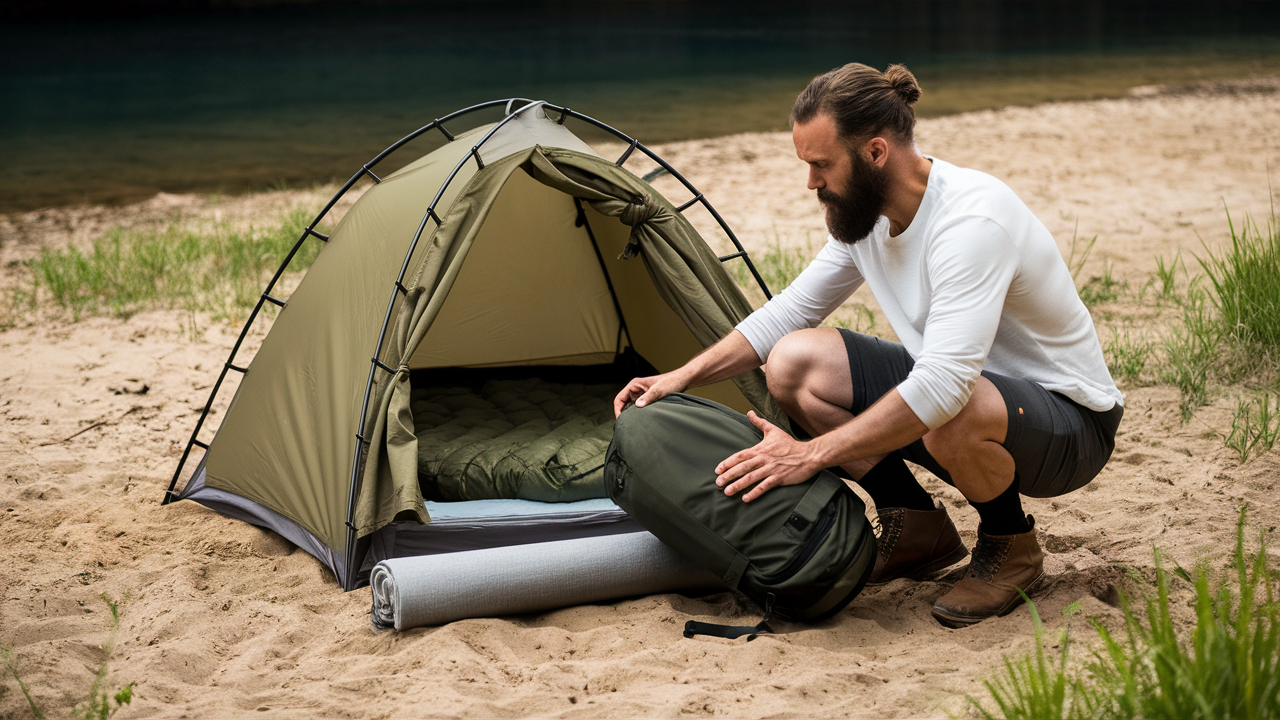
Exposure to the elements can wear you down faster than hunger or fatigue. A lightweight tarp allows me to create shelter quickly, whether I’m blocking rain, wind, or sun. It adapts to different environments and requires minimal effort to set up.
I’ve used tarps in ways that go beyond basic shelter, including ground cover, water collection, and even improvised stretchers. The key is learning a few simple knots and setups that maximize its usefulness. Shelter isn’t about comfort; it’s about maintaining body temperature and conserving energy.
Paracord
Paracord looks simple, but it quietly supports almost every survival task. I use it for securing shelter, repairing gear, creating traps, and even improvising tools. Its strength and flexibility make it one of the most underrated essentials.
I often break it down into inner strands for finer tasks, which adds another layer of utility. Carrying a decent length of paracord ensures I’m never stuck without a way to tie, secure, or reinforce something. It’s lightweight, compact, and endlessly useful.
A Headlamp With Extra Batteries
Light changes everything once the sun goes down. A headlamp keeps my hands free while allowing me to move, work, or signal in the dark. It provides a level of control and safety that a handheld flashlight cannot match.
I always carry extra batteries because light is not something I want to gamble with. Darkness increases risk, slows decision-making, and drains energy. With a reliable headlamp, I can maintain productivity and awareness even in challenging conditions.
A Basic First Aid Kit
Injuries don’t wait for convenient moments, and even minor wounds can escalate without proper care. My first aid kit includes essentials like bandages, antiseptic, gauze, and pain relief. It’s compact but carefully assembled to address common problems.
I’ve learned that knowledge matters just as much as the kit itself. Knowing how to clean a wound, stop bleeding, or stabilize an injury can make a critical difference. This item isn’t about comfort; it’s about preserving function and preventing small issues from becoming serious threats.
A Multi-Tool
A multi-tool adds precision and convenience that complement a fixed blade knife. It includes pliers, screwdrivers, and smaller blades that handle detailed tasks more effectively. I rely on it for repairs, adjustments, and situations where finesse matters.
While it doesn’t replace a knife, it fills the gaps that a single blade cannot cover. I’ve used it to fix broken gear, open containers, and even assist in building more complex setups. Its value comes from versatility in situations where improvisation is required.
A Durable Backpack
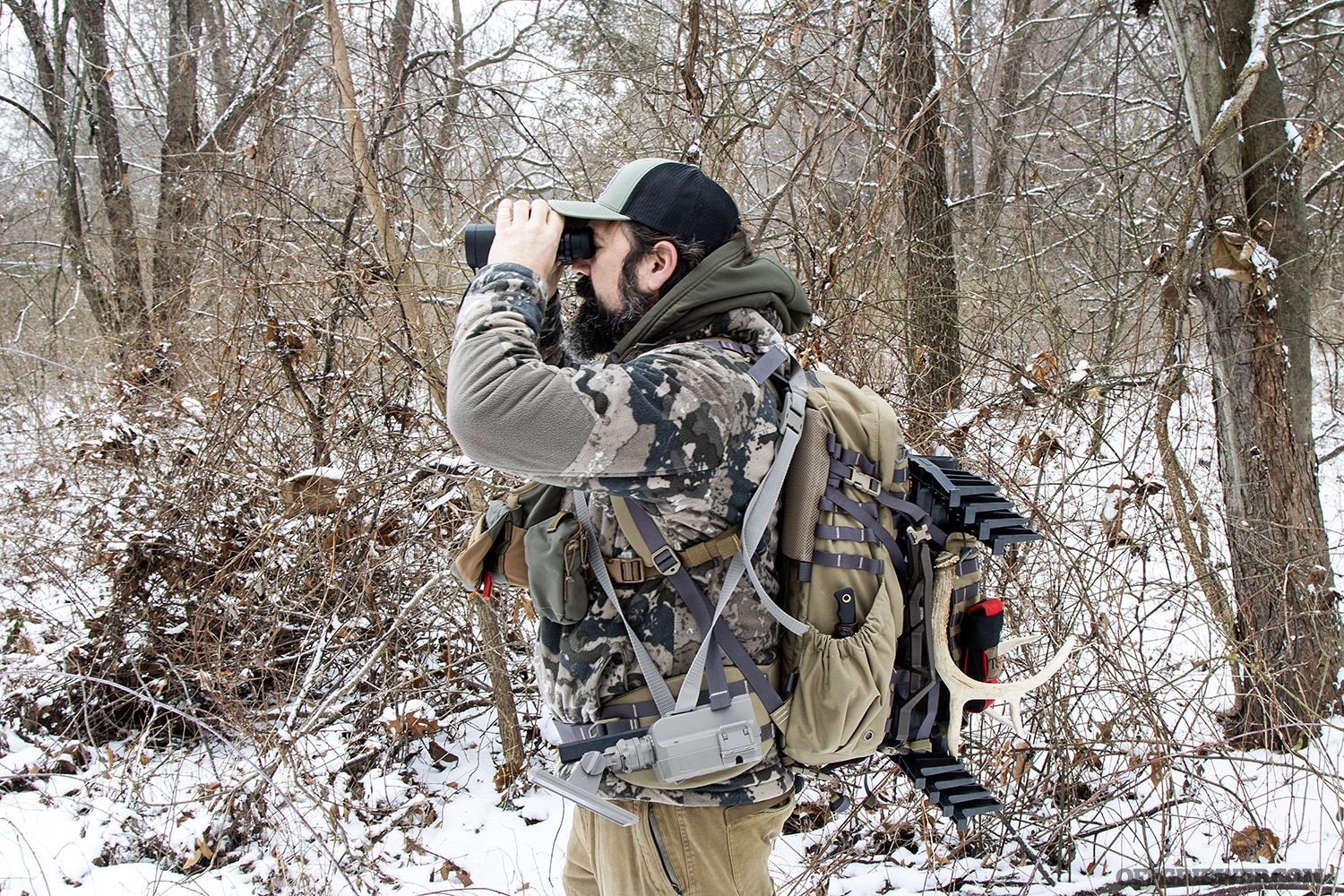
All these items need a reliable way to be carried, and a durable backpack ties everything together. It should be comfortable, well-organized, and tough enough to withstand harsh conditions. I prioritize function over appearance, focusing on straps, compartments, and material strength.
A good backpack distributes weight evenly and allows quick access to essential items. It becomes part of the system rather than just a container. When everything is packed efficiently, movement becomes easier and decision-making becomes clearer.
A Map And Compass
Navigation is often overlooked until it becomes critical. I carry a map and compass because they don’t rely on batteries or signals. They provide a consistent way to understand direction and plan movement.
Using them effectively requires practice, but the payoff is independence from technology. I’ve found that even basic navigation skills can prevent wasted time and unnecessary risk. Knowing where you are and where you’re going is a fundamental part of survival.
Why These Ten Items Matter
Each of these items earns its place by solving multiple problems. I don’t carry anything that only serves one purpose because efficiency is everything in survival situations. Weight, space, and reliability all play a role in deciding what stays and what goes.
This setup isn’t about preparing for one specific scenario. It’s about building a system that adapts to different environments and challenges. Whether facing extreme weather, limited resources, or unexpected obstacles, these tools provide a foundation that can be built upon.
The Mindset Behind The Gear
Gear alone doesn’t guarantee survival. The way I think, plan, and react plays a bigger role than any tool I carry. Staying calm, assessing situations clearly, and making deliberate decisions are just as important as having the right equipment.
I’ve learned that confidence comes from preparation and practice. Using these items regularly builds familiarity and reduces hesitation when it matters most. Survival becomes less about panic and more about problem-solving.
Adapting To Different Situations
No single setup covers every possible scenario perfectly, but these ten items create a strong baseline. I can adjust how I use them depending on the environment, whether it’s urban, जंगल, or coastal. Flexibility is what turns a basic kit into a powerful system.
I focus on maximizing what I have rather than wishing for what I don’t. Improvisation becomes easier when the core tools are reliable and versatile. This approach keeps me prepared without being weighed down by unnecessary gear.
Final Thoughts
Carrying the right items is about more than survival; it’s about maintaining control when everything else feels uncertain. These ten essentials form a system that balances simplicity with capability. They don’t guarantee comfort, but they provide the tools needed to endure and adapt.
I don’t believe in overcomplicating survival. The more streamlined the setup, the easier it is to act quickly and think clearly. With the right tools and the right mindset, surviving anything becomes less about luck and more about preparation.