
Power becomes a silent lifeline the moment modern conveniences disappear, and I’ve seen how quickly a dead phone or empty flashlight can turn a manageable situation into a dangerous one. Solar chargers step into that gap with a kind of quiet reliability that doesn’t rely on fuel, outlets, or luck. In survival situations, they offer a steady stream of energy drawn from the most consistent source available: the sun. I’ve spent time testing, comparing, and depending on different types of solar chargers, and not all of them deserve a place in a serious kit. Some fail under pressure, while others prove themselves when it actually matters.
Why Solar Chargers Matter In Survival Situations
Electricity is not just about convenience in a survival scenario. It directly supports communication, navigation, lighting, and even medical needs. I’ve found that having a solar charger ensures that essential tools like GPS devices, radios, and phones remain operational when they are needed most.
Traditional power banks eventually run dry, and generators require fuel that may not be available. Solar chargers eliminate those limitations by continuously converting sunlight into usable power. That independence is what makes them invaluable in emergencies, especially in remote or disaster-stricken areas where infrastructure is compromised.
The real advantage lies in sustainability. A well-built solar charger can provide energy for days, weeks, or even longer without external input. That level of reliability shifts the balance in survival situations, giving me one less thing to worry about.

Types Of Solar Chargers That Actually Work
Not all solar chargers are built the same, and I’ve learned that understanding their differences makes a significant impact on performance. The most common types include portable solar panels, solar power banks, and foldable solar kits.
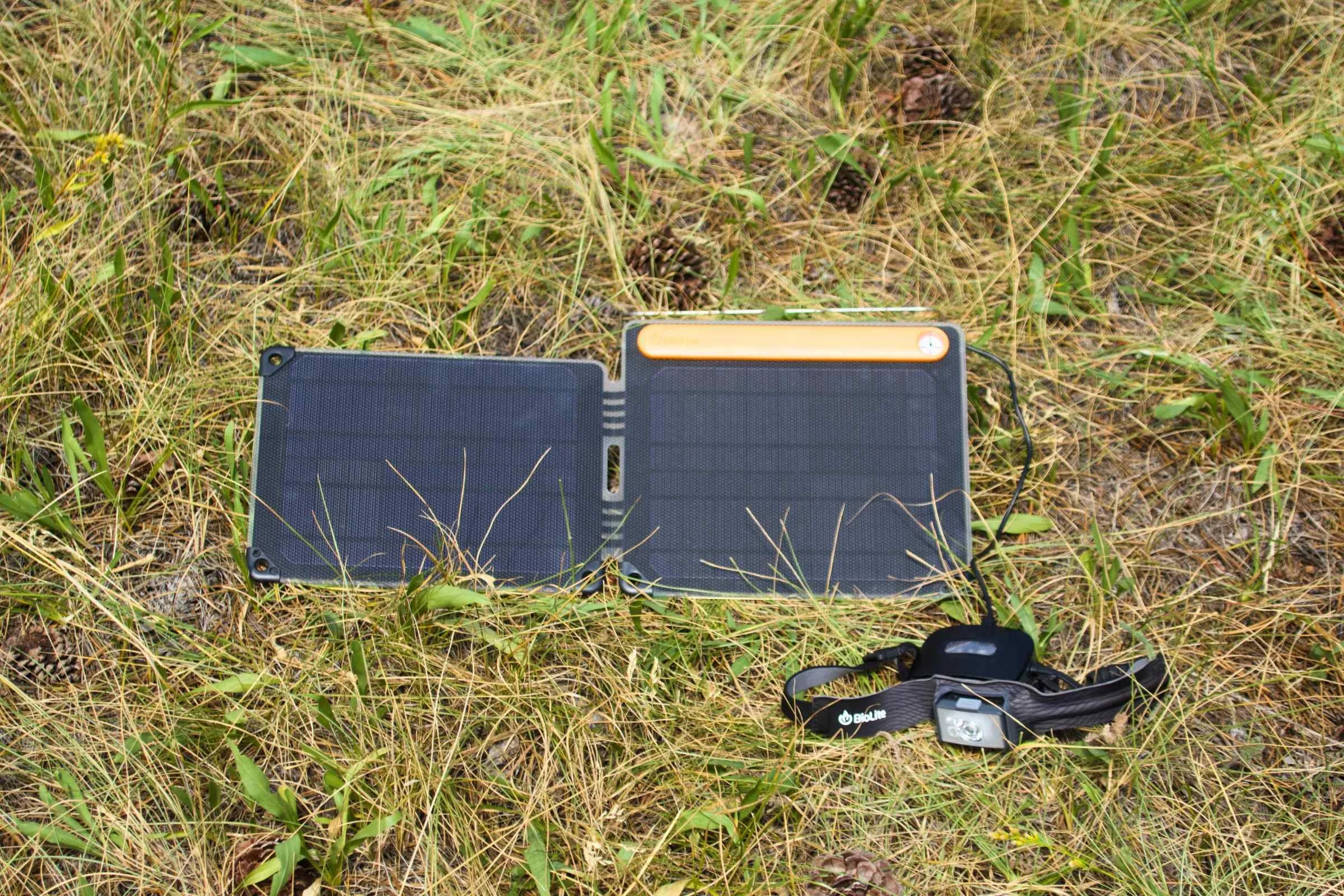
Portable solar panels are often lightweight and designed to charge devices directly. They perform best in strong sunlight and are ideal for daytime use. I’ve used them during hikes and emergency drills, and they work efficiently as long as the sun cooperates.
Solar power banks combine a battery with a solar panel, allowing energy storage for later use. While convenient, their small panels mean slower charging times through sunlight alone. I treat them as backup options rather than primary solar solutions.
Foldable solar kits offer a balance between power and portability. These systems often include multiple panels and higher output capacity. In my experience, they are the most dependable choice for extended survival situations because they can charge multiple devices and even larger batteries.
Features That Make A Real Difference
Durability is one of the first things I look for in a solar charger. Survival conditions are rarely gentle, and equipment must withstand drops, moisture, and extreme temperatures. A rugged design with water resistance ensures that the charger continues to function when conditions are far from ideal.
Efficiency matters just as much as durability. High conversion efficiency allows the panel to generate more power even in less-than-perfect sunlight. I’ve noticed that better panels can still produce usable energy on cloudy days, which makes a huge difference over time.
Portability is another key factor. A charger that is too bulky or heavy becomes a burden, especially when mobility is important. Foldable designs and lightweight materials make it easier to carry without sacrificing performance.
Output options also play a critical role. Multiple USB ports, fast charging capabilities, and compatibility with different devices provide flexibility. In a survival scenario, I need a charger that can handle everything from a smartphone to a headlamp without complications.
Best Solar Chargers I Trust In The Field
After trying several models in different environments, a few stand out as reliable options. These are not just popular choices but tools that have proven their worth through actual use.
The Goal Zero Nomad series offers consistent performance and strong build quality. I’ve used it in outdoor settings where reliability mattered, and it delivered stable output even during long days of use. Its modular design also allows it to pair with larger power stations.
The Anker PowerPort Solar charger combines efficiency with portability. It’s lightweight, easy to set up, and performs well under direct sunlight. I appreciate how quickly it can charge smaller devices, making it ideal for short-term survival scenarios.
BigBlue solar chargers are another solid option with high efficiency and multiple ports. I’ve found them particularly useful when charging several devices at once. Their durability and performance make them dependable in varied conditions.
Jackery SolarSaga panels provide higher power output and pair well with portable power stations. These are my go-to for extended situations where more energy is required. They are slightly bulkier but compensate with superior performance.
Mistakes That Can Cost You Power
Relying on a solar charger without testing it beforehand is a mistake I’ve seen too often. Performance can vary depending on weather, angle, and device compatibility. Testing equipment before an emergency ensures that there are no surprises when it matters most.
Another common mistake is expecting solar chargers to work at full capacity all the time. Sunlight conditions fluctuate, and charging speeds will vary. I always plan for slower charging times and adjust my usage accordingly.
Improper placement also reduces efficiency. Panels need direct sunlight and proper angling to perform well. I make it a habit to reposition the charger throughout the day to maximize exposure.
Neglecting backup options can lead to problems. Even the best solar charger can face limitations during prolonged bad weather. I always carry an additional power bank or alternative charging method to stay prepared.
How I Maximize Solar Charging Efficiency
Positioning is everything when it comes to solar charging. I make sure the panels face the sun directly and adjust their angle as the sun moves across the sky. This simple step significantly improves energy output.
Timing also plays a role in efficiency. Midday sunlight provides the strongest energy, so I prioritize charging during those hours. Early morning and late afternoon are less effective but still useful for maintaining power levels.
I also manage device usage carefully. Charging only essential devices and avoiding unnecessary power drain helps maintain a steady energy balance. This approach ensures that critical tools remain functional.
Keeping the panels clean is another important detail. Dust, dirt, or moisture can reduce efficiency, so I regularly wipe them down. Small maintenance steps like this can make a noticeable difference over time.
Solar Chargers In Different Survival Scenarios
In wilderness survival situations, solar chargers support navigation tools and communication devices. I’ve relied on them to keep GPS units and radios operational during extended outdoor trips. Their portability makes them easy to carry without adding excessive weight.
During natural disasters, solar chargers become even more valuable. Power outages can last for days, and access to electricity may be limited. Having a reliable solar charger allows me to stay connected and informed.
Urban survival scenarios present unique challenges, but solar chargers still play a role. Rooftops, balconies, or open spaces can provide enough sunlight to generate power. I’ve found that even limited exposure can keep essential devices running.
For long-term off-grid living, solar chargers become part of a broader energy system. Pairing them with larger batteries or power stations creates a more stable and consistent energy supply. This setup provides greater flexibility and reliability over time.
What I Look For Before Buying
The first thing I evaluate is power output. Higher wattage panels generate more energy, which is crucial for charging multiple devices or larger batteries. I prefer chargers that offer enough capacity to handle my needs without pushing their limits.
Build quality is another major consideration. A sturdy design with weather resistance ensures that the charger can handle rough conditions. I avoid fragile models that may fail under stress.
Ease of use also matters. A good solar charger should be simple to set up and operate. Complicated systems can waste time and create frustration during critical moments.
Brand reputation and user reviews provide additional insight. I pay attention to real-world feedback to identify potential issues or advantages. This helps me make informed decisions based on actual performance rather than marketing claims.
Final Thoughts On Solar Chargers For Survival
Solar chargers are not just accessories but essential tools in survival situations. They provide a reliable source of energy when other options are unavailable. I’ve come to rely on them as a core part of my preparedness strategy.
The right solar charger can make a significant difference in maintaining communication, safety, and functionality. It’s not about having the most expensive option but selecting one that performs consistently under pressure. Testing, preparation, and proper usage all contribute to making the most of this technology.
Having dependable power changes how I approach survival scenarios. It adds a layer of security that allows me to focus on other priorities. Solar chargers may seem simple, but their impact in critical situations is anything but small.