By Survival Boys Editorial Team
In a wilderness survival situation, shelter becomes one of the most important priorities almost immediately. People often focus on food first, but exposure to wind, rain, cold, and heat can become dangerous far faster than hunger. A person can survive weeks without eating, but harsh weather conditions can cause hypothermia, heat exhaustion, or dehydration within hours.
That is why experienced outdoorsmen place such a high value on carrying a tarp.
A tarp may not look impressive compared to expensive tents or advanced survival gear, but it is one of the most versatile pieces of equipment a person can own. Lightweight, compact, and adaptable, a simple tarp can become an emergency shelter capable of protecting against rain, wind, snow, and direct sunlight in almost any environment.

One of the greatest advantages of a tarp shelter is speed. In survival situations, weather conditions often change quickly. A storm moving through the mountains or a sudden drop in temperature can turn an uncomfortable situation into a dangerous one fast. A tarp allows someone to create immediate cover with minimal tools and limited time.
Unlike tents, tarps can also be configured in many different ways depending on terrain, weather, and available materials. This flexibility makes them extremely valuable in unpredictable environments where no single shelter design works perfectly every time.
Choosing the right location for a tarp shelter is just as important as the shelter itself. Even the best setup will fail if placed in a dangerous area. Experienced survivalists look carefully at the surrounding terrain before building anything. Low ground may flood during rainstorms, while exposed ridges face strong winds and lightning risks. Dead trees and hanging branches, often called widowmakers, create serious hazards because they can fall unexpectedly during storms.
The ideal shelter location usually offers natural protection from wind while remaining relatively dry and level. Trees, rock formations, and hillsides can provide useful windbreaks. Access to nearby water is important, but camping too close to rivers or streams increases flood risk and insect exposure.
Once a safe location is chosen, the tarp becomes the foundation of survival comfort. One of the simplest and most common tarp shelters is the lean-to design. This setup involves securing one side of the tarp higher than the other, creating a slanted roof that blocks wind and rain while reflecting heat from a nearby fire. The lean-to works especially well in cooler environments where maintaining warmth becomes important.
The angle of the tarp matters significantly during rain. A properly angled tarp allows water to run off efficiently instead of pooling in the center. Water buildup can eventually collapse poorly secured shelters, especially during heavy storms. Tension across the tarp helps maintain structural strength and prevents sagging.
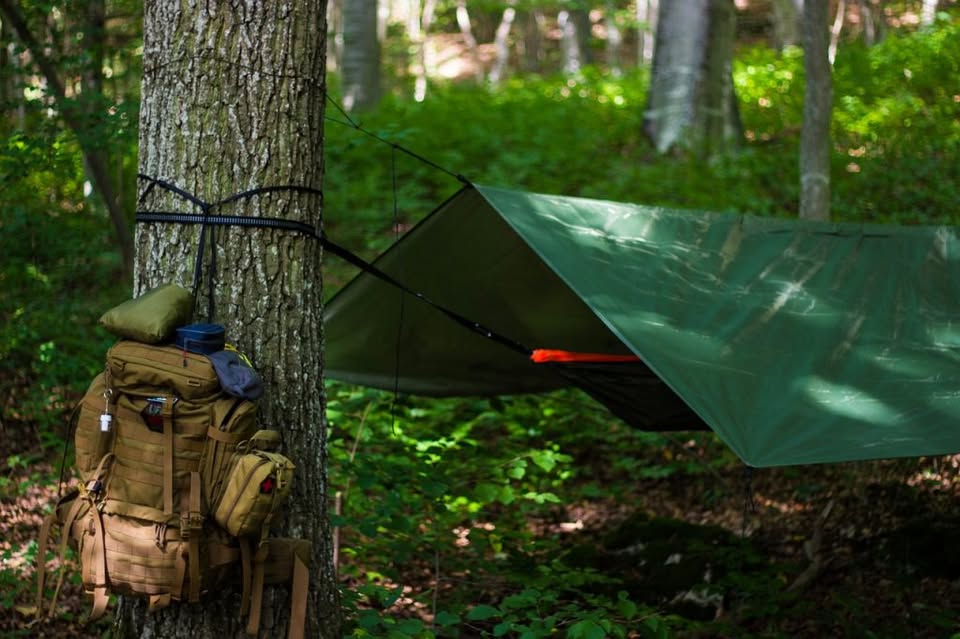
Another highly effective design is the A-frame shelter. In this setup, the tarp is draped over a ridgeline suspended between two trees or supports, forming a triangular tent shape. The A-frame provides better overall weather protection than a lean-to because both sides reach closer to the ground, reducing exposure to wind and rain from multiple directions.
The A-frame also traps warmth more effectively during cold nights. In severe weather, the tarp edges can be staked tightly to the ground for additional insulation and protection. However, reduced airflow may increase condensation inside the shelter, especially in humid environments.
In hot climates, tarp shelters often focus more on ventilation and shade than insulation. A raised canopy setup allows air to circulate freely beneath the tarp while blocking direct sunlight. Desert survival, tropical environments, and humid summer conditions all benefit from airflow because overheating can become as dangerous as cold exposure.
One of the reasons tarps remain so popular in bushcraft and survival communities is their adaptability. A single tarp can function as a roof, ground cover, rain collector, gear protector, emergency stretcher, or windbreak. In emergencies, versatility becomes extremely valuable because carrying multiple specialized items is not always practical.
Cordage also plays a major role in tarp shelter construction. Paracord is commonly used because it is lightweight, durable, and useful for countless outdoor tasks. Proper knots help maintain tension and structural stability even during strong winds. Many beginners underestimate how important knot knowledge becomes when building shelters in difficult weather conditions.
Natural materials can improve tarp shelters significantly. Pine branches, leaves, grass, and brush may be added around the structure for insulation and camouflage. In cold conditions, building a thick layer of debris beneath the sleeping area helps separate the body from the cold ground, which rapidly pulls away body heat.
Ground insulation is often overlooked by inexperienced campers. Even with a waterproof tarp overhead, sleeping directly on cold or wet ground can lead to dangerous heat loss overnight. Dry leaves, pine needles, or foam pads dramatically improve warmth and comfort.
Wind direction is another critical factor in tarp placement. A shelter facing directly into strong wind may become unstable or allow rain to blow inside. Positioning the lowest side of the tarp toward prevailing winds improves protection and structural strength. In severe storms, reducing the tarp’s profile against the wind helps prevent damage.
Snow conditions require additional considerations because accumulated snow adds heavy weight to shelter systems. Tarps pitched too flat may sag or collapse under snowfall. Steeper angles help snow slide off instead of building up dangerously overhead.
One of the most valuable aspects of tarp shelters is how they encourage problem-solving and adaptability. Unlike pre-made tents with fixed shapes, tarp systems force outdoorsmen to think carefully about terrain, weather, materials, and environmental conditions. This develops practical survival skills that transfer to many other outdoor situations.
Minimalist tarp camping has also become increasingly popular among hikers and backpackers who value lightweight gear. Tarps weigh far less than most tents while still providing effective weather protection when used correctly. Experienced tarp users often appreciate the closer connection to the environment that open shelter systems provide.
However, tarp shelters do require practice. Beginners sometimes struggle with knot tying, tensioning, or choosing effective shelter configurations. Improperly secured tarps may flap loudly in the wind, collect rainwater, or collapse during storms. Like most survival skills, confidence comes through repetition and field experience.
Emergency tarp shelters can become lifesaving tools during unexpected situations. Injuries, becoming lost, vehicle breakdowns, or sudden weather changes can all force people to spend unplanned nights outdoors. A compact tarp carried inside a backpack or vehicle emergency kit provides immediate shelter capability with minimal added weight.
Preparedness-minded outdoorsmen often consider tarps essential because they solve one of survival’s most urgent challenges quickly: environmental exposure. Staying dry, protected, and insulated dramatically improves both physical survival and mental clarity during emergencies.
Morale matters far more in survival situations than many people realize. Cold rain, wind, and exhaustion rapidly drain mental resilience. A secure shelter creates not only physical protection but psychological comfort as well. Something as simple as getting out of the rain and warming up beneath a tarp can restore calm thinking and improve decision-making.
The beauty of tarp shelters lies in their simplicity. Long before modern camping equipment existed, humans survived using natural materials and basic overhead cover. A tarp is simply a modern extension of that ancient principle: creating a barrier between the human body and harsh environmental conditions.
In survival situations, complicated systems often fail first. Simple tools that adapt easily to changing conditions usually perform best. A tarp represents one of those tools. Lightweight, inexpensive, and endlessly useful, it remains one of the smartest pieces of gear any outdoorsman can carry.
Because when the weather turns bad and darkness begins to fall, a simple shelter may become the difference between discomfort and disaster.