A strong home survival plan turns uncertainty into structure and fear into confidence. I rely on preparation not as a reaction to panic, but as a steady commitment to protect the people I care about most. Life can change quickly, whether from natural disasters, economic disruptions, or unexpected emergencies, and having a clear system in place makes all the difference. This plan is not about extreme scenarios or fear-driven decisions, but about building a practical, reliable foundation that allows my family to stay safe, comfortable, and in control no matter what happens.
Building A Family-Centered Survival Mindset
A solid plan begins with the way I think about safety and responsibility. I see preparedness as an everyday habit rather than a one-time project. It is about creating stability in an unstable world, and that requires consistency. My goal is not perfection, but readiness that grows over time.
I involve everyone in the household in age-appropriate ways. Children can learn basic safety rules, while adults take on more complex roles like supply management or emergency communication. This shared responsibility strengthens confidence and ensures no one feels helpless during a crisis. Everyone knows what to do because we talk about it openly and regularly.
Fear has no place in how I prepare. Instead, I focus on clarity and calm execution. When a situation arises, panic wastes time and energy. A prepared mindset allows me to act quickly and decisively, which is exactly what my family needs from me.

Creating A Practical Emergency Plan
A written emergency plan serves as the backbone of everything. I map out possible scenarios such as power outages, floods, fires, or extended lockdowns. Each scenario includes clear steps on what actions to take, where to go, and how to communicate.
Communication is one of the most critical elements. I make sure everyone knows how to contact each other if we get separated. This includes having backup methods like written contact lists and meeting points. Technology can fail, so I never rely on just one system.
Evacuation routes are planned in advance. I identify multiple ways to leave the area, including alternatives if roads are blocked. Practice runs help turn these plans into second nature. The more familiar we are with the process, the less stressful it becomes during a real emergency.
Stockpiling Essential Supplies Without Overwhelm
Building a supply system does not require buying everything at once. I start with the basics and gradually expand. Food, water, and medical supplies form the core of my stockpile. I prioritize items that are easy to store, have long shelf lives, and require minimal preparation.
Water is always my top priority. I store enough for each family member for several days, and I also keep purification methods ready. Clean water is non-negotiable in any survival plan. Without it, everything else becomes significantly harder.
Food storage focuses on practicality. I choose items that my family already eats so nothing goes to waste. Rotation is key, and I make it part of my routine to check expiration dates and replace items as needed. This keeps the supply fresh and reliable.
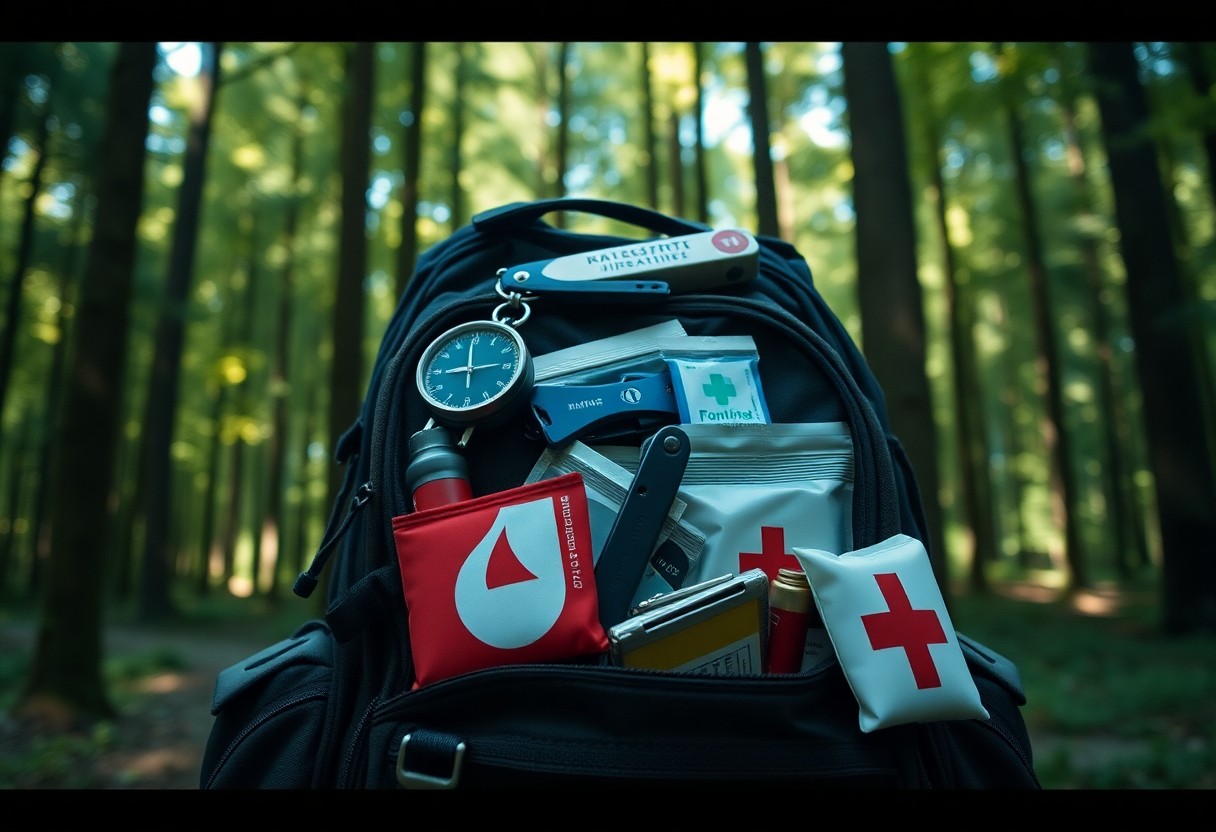
Medical supplies are another critical area. I maintain a well-stocked first aid kit and include medications specific to my family’s needs. Knowing how to use these supplies is just as important as having them. Basic first aid knowledge can make a huge difference in emergencies.
Securing The Home For Safety And Stability
A secure home provides both physical protection and peace of mind. I take steps to reinforce entry points like doors and windows. Simple upgrades can make a big difference in preventing unauthorized access during uncertain times.
Lighting plays an important role in home security. I ensure that both indoor and outdoor areas are well-lit, especially around entry points. Backup lighting solutions like flashlights and lanterns are always accessible in case of power outages.
Fire safety is another priority. I install smoke detectors and keep fire extinguishers in key areas. Regular checks ensure that everything is functioning properly. These small actions can prevent a manageable situation from becoming a disaster.
Managing Power And Energy Needs
Power outages can disrupt daily life quickly, so I prepare for them in advance. Backup power sources like generators or power banks provide temporary relief. I also focus on reducing dependence on electricity by having manual alternatives for essential tasks.
Lighting is one of the first things I address. I keep multiple light sources available, including battery-powered options. This ensures that darkness never becomes a hazard inside the home.
Cooking without electricity requires some creativity. I keep simple tools that allow me to prepare meals even during outages. This adds a layer of comfort and normalcy when everything else feels uncertain.
Energy conservation becomes a priority during emergencies. I teach my family to use resources wisely, ensuring that supplies last as long as possible. Small habits can make a significant difference over time.
Preparing For Food Security At Home
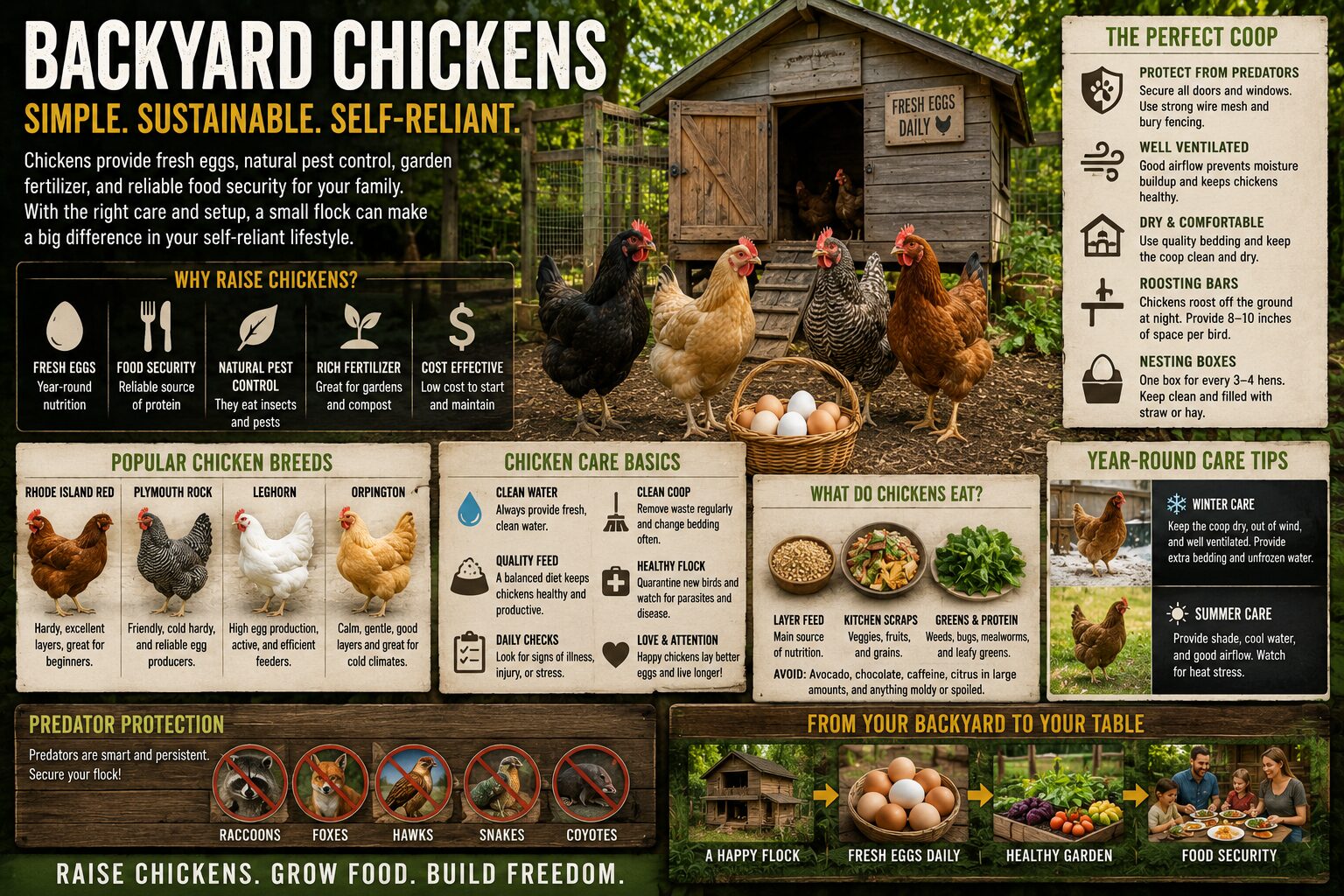
Food security goes beyond stockpiling. I look for ways to create a sustainable system that supports long-term needs. This includes growing simple crops at home, even in small spaces.
Gardening provides both food and a sense of control. Even a few plants can contribute to meals and reduce dependence on external sources. It also teaches valuable skills that can be passed down within the family.
Preservation methods extend the life of food. I explore techniques like drying or storing items properly to prevent spoilage. This reduces waste and maximizes the value of what I have.
Meal planning becomes more intentional during uncertain times. I focus on balanced nutrition while making the most of available resources. This keeps everyone healthy and energized.
Establishing Clean Water And Sanitation Systems
Water and sanitation are closely connected. I make sure that my home has a reliable system for both. Clean water storage is paired with methods for purification in case supplies run low.
Sanitation becomes critical when normal systems are disrupted. I prepare alternatives that allow my family to maintain hygiene. This prevents illness and keeps the environment safe.
Waste management is often overlooked but essential. I plan for proper disposal methods to avoid contamination. Clean surroundings contribute to both physical health and mental well-being.
Hygiene routines remain a priority even during emergencies. Simple practices like handwashing and cleaning surfaces help prevent the spread of illness. Consistency in these habits makes a big difference.
Strengthening Family Communication And Roles
Clear roles reduce confusion during stressful situations. Each family member knows their responsibilities, which helps everything run smoothly. I assign tasks based on ability and ensure that everyone feels confident in their role.
Communication remains ongoing, not just during emergencies. Regular discussions keep everyone informed and prepared. This builds trust and ensures that no one feels left out of the process.
I also prepare for situations where communication might be limited. Having pre-agreed signals or meeting points ensures that we can reconnect even without technology. This adds an extra layer of security.
Emotional support is just as important as practical planning. I make space for conversations about fears and concerns. Addressing these feelings helps maintain a calm and cooperative environment.
Training And Practicing Survival Skills
Skills are just as important as supplies. I dedicate time to learning and practicing essential abilities like first aid, basic repairs, and navigation. These skills turn preparation into action.
Practice sessions help reinforce what we know. Running through scenarios allows us to identify gaps and improve our plan. It also builds confidence, which is crucial during real emergencies.
Teaching these skills to children ensures that knowledge is passed on. It empowers them to take part in the family’s safety. This shared learning experience strengthens our bond.
Adaptability is a key part of survival. I stay open to learning new techniques and improving existing ones. The more versatile we are, the better prepared we become.
Planning For Long-Term Resilience
Short-term preparation is important, but I also think about long-term stability. This includes financial readiness, resource management, and community connections. A strong network can provide support when needed.
I look for ways to reduce dependency on external systems. This does not mean complete isolation, but rather having the ability to function independently when necessary. Balance is key.
Community plays a significant role in resilience. Building relationships with neighbors creates a support system that benefits everyone. Sharing resources and information can make challenges easier to manage.
Flexibility allows the plan to evolve. I review and adjust my strategies regularly based on new information or changing circumstances. This keeps everything relevant and effective.
Maintaining Calm And Confidence During Crisis
Preparation only works if I can stay calm under pressure. I focus on maintaining a steady mindset, even when situations become stressful. This helps me make better decisions and support my family effectively.
Confidence comes from repetition and familiarity. The more I practice and prepare, the more natural my responses become. This reduces hesitation and allows for quick action.
I remind myself that no plan is perfect. Unexpected challenges will always arise, but having a solid foundation makes them easier to handle. Adaptability fills in the gaps.
Staying positive does not mean ignoring reality. It means facing challenges with determination and clarity. This mindset helps my family feel safe and supported, no matter what we are facing.
Reviewing And Improving The Plan Over Time
A survival plan is never truly finished. I make it a habit to review everything regularly. Supplies, strategies, and skills all need updates to remain effective.
Changes in family dynamics require adjustments. As children grow or circumstances shift, the plan evolves with us. This ensures that it always fits our current situation.
Feedback from practice sessions helps identify weaknesses. I use these insights to refine my approach. Continuous improvement keeps the plan strong and reliable.
Preparedness is a journey, not a destination. Each step forward adds another layer of security for my family. That sense of readiness brings peace of mind that cannot be replaced.