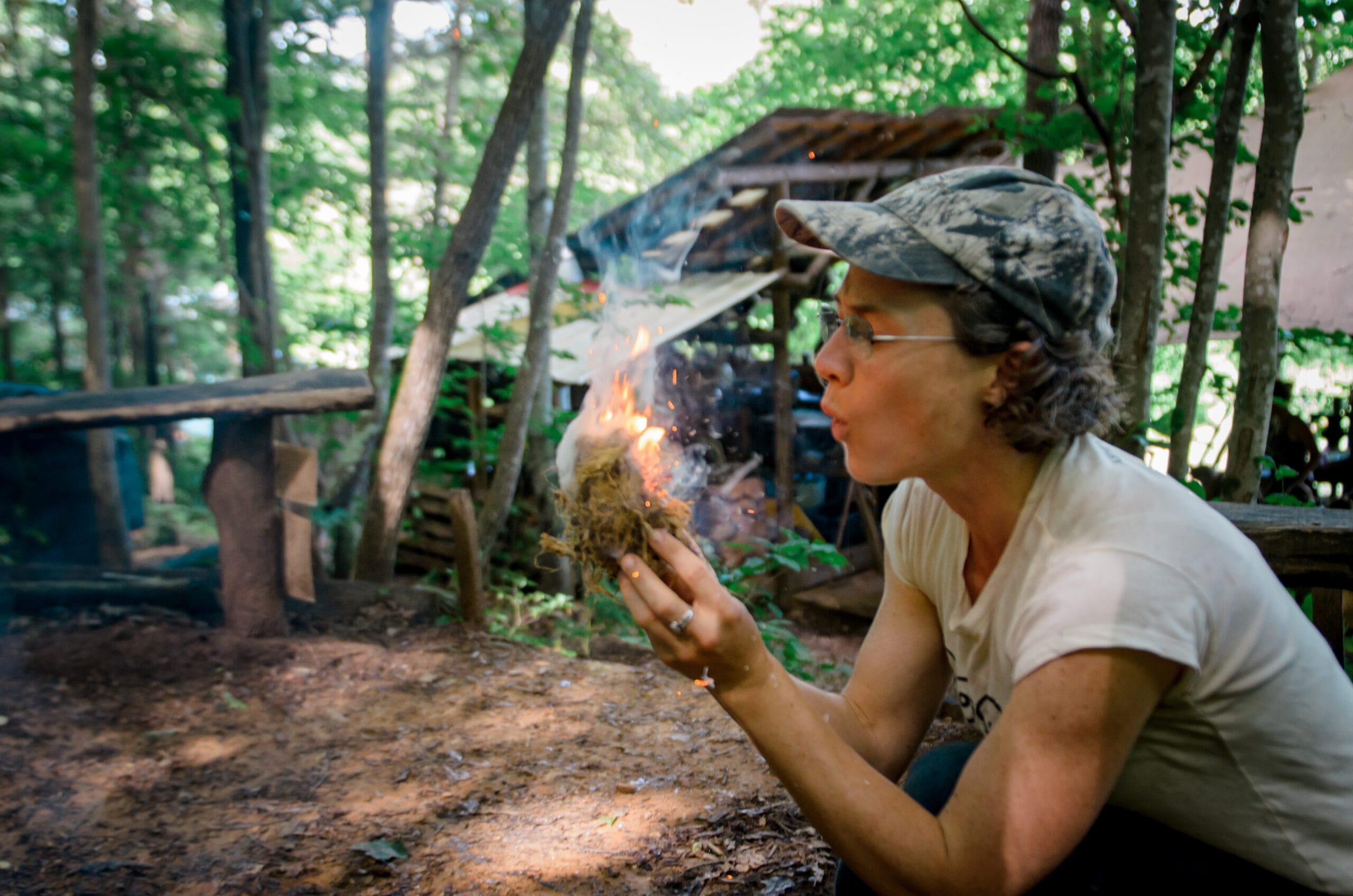


Working with wood to create survival tools brings a sense of control and self-reliance that is hard to match. I have found that shaping raw material into something functional sharpens both practical skills and patience. In moments where resources are limited, the ability to turn a simple branch into a useful tool can make a real difference. This process is not just about survival; it also builds confidence, awareness, and a deeper connection to the environment.
Why Wooden Tools Still Matter
Modern gear often dominates conversations about survival, but wood remains one of the most accessible and versatile materials available. I have relied on it in situations where manufactured tools were not an option, and it never failed to deliver when handled correctly. Wood is everywhere, easy to shape with minimal equipment, and surprisingly durable when properly selected and prepared.
Using wooden tools also reduces dependency on complex equipment. I have noticed that even a simple wooden spear or digging stick can outperform expectations when crafted with care. These tools may not look refined, but they carry a level of adaptability that modern gear sometimes lacks.
Beyond practicality, crafting wooden tools encourages a deeper awareness of surroundings. I pay closer attention to tree types, grain patterns, and natural shapes, all of which influence the final outcome. This awareness turns the environment into a resource rather than an obstacle.

Selecting the Right Type of Wood
The quality of a tool starts with the wood itself, and I never rush this step. Different trees produce different strengths, flexibility levels, and durability, which directly affect performance. Hardwood varieties like oak, hickory, and maple are excellent for strength, while softer woods can be useful for lighter tools.
I usually look for wood that is straight-grained and free from cracks or rot. A clean piece of wood ensures structural integrity, especially for tools that will endure impact or pressure. Even a small flaw can weaken the entire tool, so careful inspection is always worth the time.
Fresh wood is easier to carve, but it needs proper drying to prevent warping or cracking later on. I often work with slightly green wood to shape it, then allow it to dry gradually. This balance helps maintain both workability and long-term durability.
Essential Tools for Crafting
Crafting wooden tools does not require a large toolkit, which makes it accessible in almost any situation. I typically rely on a sharp knife as my primary tool, as it handles carving, shaping, and fine detailing. A small saw can speed up the process, but it is not always necessary.
A sturdy knife with a reliable grip makes a significant difference in both safety and efficiency. I keep it well-maintained and sharp, as dull blades require more force and increase the risk of injury. Controlled, deliberate cuts always produce better results than rushed movements.
In some cases, I also use improvised tools such as sharp stones or broken metal pieces. These alternatives may not be perfect, but they can still shape wood effectively with patience. The key lies in adapting to available resources rather than relying on ideal conditions.
Carving Techniques That Make a Difference
The way wood is carved determines both the strength and functionality of the tool. I focus on working with the grain rather than against it, as this prevents splitting and ensures smoother cuts. Understanding how the wood naturally wants to break or bend is essential for clean shaping.
I start by removing larger sections gradually, then refine the shape with smaller, controlled cuts. This layered approach reduces mistakes and allows adjustments along the way. Rushing into fine details too early often leads to uneven or weak structures.
Consistency matters more than speed. I have learned that steady pressure and careful planning produce better results than aggressive carving. Even simple tools benefit from a thoughtful approach, as precision directly impacts usability.
Crafting a Wooden Spear
A wooden spear is one of the most practical tools I have made, serving both hunting and defensive purposes. I begin by selecting a straight branch that is roughly the length of my body or slightly longer. This provides both reach and balance during use.
Shaping the spear tip requires patience and attention to symmetry. I carve the end into a sharp point, ensuring that all sides are evenly tapered. A balanced tip improves accuracy and penetration, making the tool far more effective.
To harden the tip, I sometimes expose it to controlled heat from a fire. This process removes moisture and strengthens the wood, increasing durability. I take care not to burn it, as excessive heat can weaken the structure instead of reinforcing it.
Building a Wooden Knife
A wooden knife may not replace a metal blade, but it can still serve important functions in survival situations. I typically craft one for cutting soft materials, preparing food, or basic shaping tasks. It is a valuable backup when other tools are unavailable.
The process begins with a flat piece of hardwood. I carve a blade-like edge, gradually thinning it to create a sharp profile. While it will never match the sharpness of steel, a well-made wooden edge can still perform light cutting tasks effectively.
I reinforce the handle by keeping it thicker than the blade. This balance prevents breakage and ensures a comfortable grip. A secure hold is essential, especially when working with limited precision.
Making a Digging Stick
A digging stick is one of the simplest yet most useful tools I have crafted. It helps with gathering roots, creating fire pits, and even building shelters. The design is straightforward, but its usefulness should not be underestimated.
I select a sturdy branch and shape one end into a rounded or slightly pointed tip. The goal is not sharpness but strength, as the stick needs to withstand pressure against hard soil. A thicker shaft adds durability and reduces the risk of snapping.
Smoothing the surface improves grip and reduces hand fatigue during extended use. I often spend extra time refining the handle area, as comfort becomes important when using the tool repeatedly.
Creating Wooden Hooks and Traps
Wooden hooks and traps open up opportunities for passive food gathering. I have used them for fishing and small game trapping, often with simple designs that rely on natural tension and positioning. These tools require more planning than carving alone.
The key lies in shaping hooks that are strong enough to hold weight without breaking. I carve them from dense wood, ensuring that the curve is smooth and the point is sharp enough to catch effectively. Even slight imperfections can reduce success rates.
Traps require careful placement and an understanding of animal behavior. I combine wooden components with natural materials like vines or fibers to create functional setups. Patience plays a major role here, as results may take time.
Strengthening and Preserving Wooden Tools
Once a tool is shaped, preserving it becomes the next priority. I often dry tools slowly to prevent cracking, keeping them away from direct heat or excessive moisture. Proper drying extends their lifespan significantly.
Applying natural oils can help protect the wood from environmental damage. I have used plant-based oils to create a protective layer, which also enhances the appearance of the tool. This step is simple but effective.
Storage also matters. I keep tools in dry, shaded areas whenever possible, avoiding prolonged exposure to rain or intense sunlight. Consistent care ensures that the effort put into crafting is not wasted.
Safety While Crafting
Working with sharp tools and raw wood carries risks, so I always prioritize safety. I maintain a stable grip and carve away from my body to reduce the chance of injury. These small habits make a big difference over time.
Taking breaks is just as important as maintaining focus. Fatigue can lead to careless mistakes, especially when handling sharp edges. I pay attention to my energy levels and step back when needed.
A clean workspace also improves safety. I clear away debris and position myself comfortably before starting any project. This preparation reduces distractions and allows for better control during carving.
The Value of Practice and Patience
Skill improves with repetition, and I have seen steady progress by practicing regularly. Early attempts may feel rough or uneven, but each effort builds experience. Over time, techniques become more natural and efficient.
Mistakes are part of the process. Instead of discarding imperfect pieces, I often use them as learning tools to refine my approach. This mindset turns setbacks into valuable lessons.
Patience is the foundation of successful craftsmanship. I remind myself that quality takes time, and rushing only leads to weaker results. Each tool becomes a reflection of the effort invested in its creation.
Adapting Techniques in Different Environments
Different environments require adjustments in both materials and methods. I have worked in areas where hardwood was scarce, forcing me to rely on softer alternatives. In those situations, I focused more on design to compensate for reduced strength.
Weather conditions also influence the crafting process. High humidity slows drying, while dry climates can cause cracking if wood is not handled carefully. I adjust my approach based on these factors to maintain consistency.
Resourcefulness becomes essential when conditions are less than ideal. I have learned to use whatever materials are available, adapting techniques rather than waiting for perfect circumstances. This flexibility is a core part of survival skills.
Passing Down the Skill
Crafting wooden tools is a skill worth sharing. I have found that teaching others reinforces my own knowledge while helping preserve practical techniques that might otherwise be forgotten. It creates a sense of continuity and connection.
Explaining the process encourages clarity and attention to detail. I break down each step and demonstrate techniques, ensuring that others can replicate the results. This exchange of knowledge strengthens both confidence and capability.
Seeing someone else successfully create their first tool is rewarding. It highlights the accessibility of the craft and inspires further exploration. Skills like these become more valuable when they are shared and practiced collectively.
Final Thoughts
Crafting wooden survival tools is more than a practical activity; it is a mindset that emphasizes adaptability and resilience. I have relied on these skills in challenging situations and continue to refine them over time. Each tool represents both function and experience, shaped by effort and attention.
The process encourages a deeper relationship with the environment and a stronger sense of independence. It reminds me that even the simplest materials can become powerful resources when used with care. With patience and practice, anyone can develop the ability to create tools that serve real and lasting purposes.