Survival Boys | Emergency Preparedness and Disaster Recovery
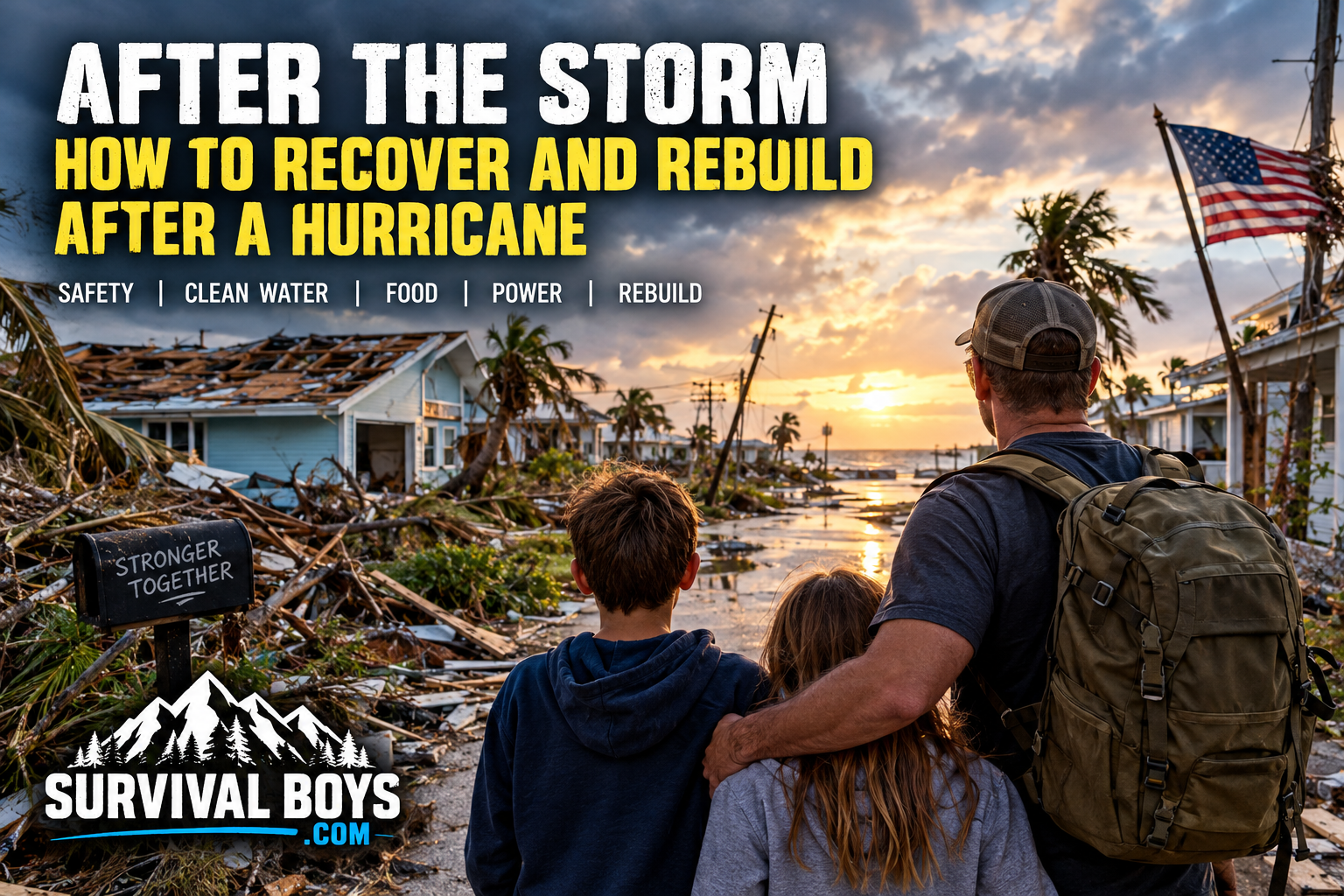
When a hurricane finally moves away from your area, it is tempting to believe the worst is over. The winds begin to calm, the rain slows, and the skies may start to clear. But for many families, the real challenge begins after the storm passes.
Flooded roads, downed power lines, contaminated water, damaged homes, and shortages of essential supplies can turn the hours and days following a hurricane into a dangerous survival situation. Emergency responders may be overwhelmed, stores may remain closed, and power could be unavailable for days or even weeks.
At Survival Boys, we believe preparedness does not end when the storm stops. Knowing how to recover safely, protect your family, and make smart decisions in the aftermath can make the difference between a manageable emergency and a life-threatening situation.

1. Stay Put Until It Is Safe to Move
One of the biggest mistakes people make after a hurricane is heading outside too quickly. Even when the weather appears calm, hazards may be hidden throughout the surrounding area.
Floodwaters can conceal washed-out roads, open drainage systems, debris, and dangerous currents. Downed power lines may remain energized, and damaged buildings can collapse without warning. Trees weakened by strong winds may fall hours after the storm has passed.
Before leaving your shelter, listen to local emergency officials using a battery-powered radio or a charged mobile phone. Follow evacuation restrictions, road closures, and instructions to shelter in place.
Never drive through floodwater. Just a small amount of moving water can sweep away a vehicle, while deeper water may hide severe road damage.
If you must walk outside, wear sturdy, closed-toe footwear, gloves, and protective clothing. Watch for broken glass, nails, exposed metal, and unstable debris. Keep children and pets away from damaged areas.
Survival tip: Keep a pair of sturdy boots, work gloves, a flashlight, and a first-aid kit in an accessible location before hurricane season begins.
2. Check Your Family and Treat Injuries
Your first priority after a hurricane should be the safety of the people around you.
Check every family member for injuries, including cuts, burns, falls, and signs of exhaustion. Provide basic first aid when appropriate, and seek emergency medical assistance for severe bleeding, difficulty breathing, chest pain, serious injuries, or altered consciousness.
If communication networks are functioning, contact relatives to confirm everyone is safe. Send short text messages when calls fail, because texts may occasionally get through when voice networks are congested.
Remember that recovery can be physically and emotionally exhausting. Drink water, take breaks, and avoid pushing yourself beyond your limits. Heat, dehydration, and fatigue can become serious problems when air conditioning is unavailable.
If anyone depends on refrigerated medication, powered medical equipment, or other essential medical supplies, make those needs an immediate priority. Contact emergency services or local emergency management if a medically vulnerable person cannot safely remain at home.
Children may become frightened by damaged homes, unfamiliar surroundings, and interrupted routines. Explain what is happening in simple terms and give them small, age-appropriate tasks that help them feel involved without exposing them to danger.
3. Inspect Your Home Before Reentering
A home that looks normal from the outside may contain serious hidden damage.
If officials have ordered an evacuation or prohibited entry, do not return until authorities say it is safe. Once entry is permitted, inspect the building carefully from the outside before going in.
Look for:
- Roof damage, sagging ceilings, and broken windows.
- Cracks, leaning walls, or signs of structural movement.
- Floodwater around the foundation or inside the building.
- Damaged electrical equipment and fallen power lines.
- The smell of natural gas or other unusual chemical odors.
If you smell gas, hear a hissing sound, or suspect a gas leak, leave immediately without operating electrical switches or using flames. Contact the gas utility or emergency services from a safe location.
Never enter standing water if electrical equipment may be energized. Do not turn power back on until the electrical system has been checked by a qualified professional when flooding or significant damage has occurred.
If your home has taken on water, assume that hidden areas may contain contaminated materials, sewage, or mold. Wear appropriate protective equipment and avoid disturbing damaged materials until you understand the hazards.
Photograph damage as soon as it is safe to do so. Take pictures of each room, damaged belongings, roof problems, and exterior conditions before beginning cleanup. These records can help with insurance claims and disaster assistance.
4. Secure Clean Drinking Water and Food
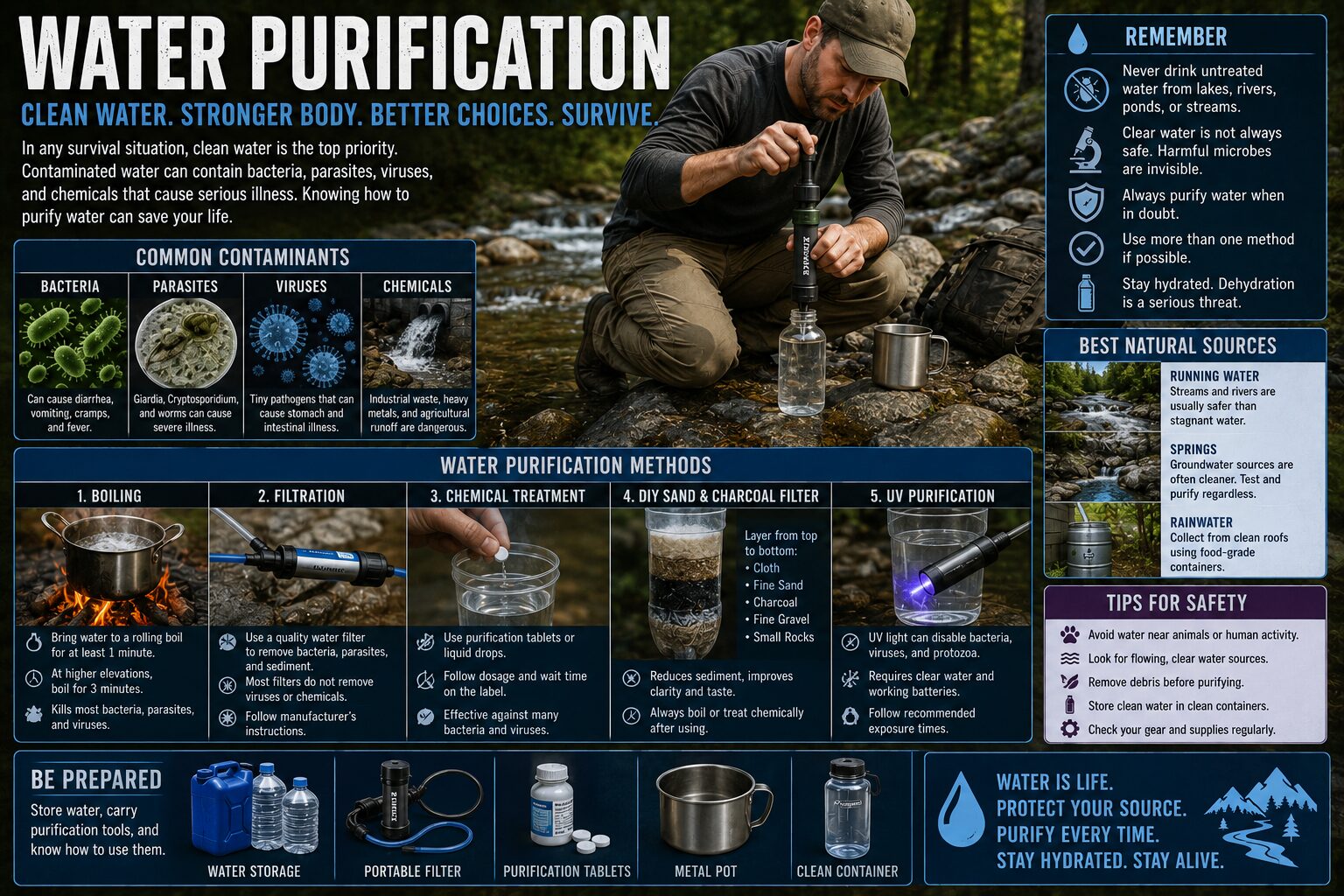
Clean water can become one of the most important resources after a hurricane. Flooding can contaminate wells, damage water infrastructure, and disrupt municipal treatment and distribution systems.
Follow local water advisories. If authorities issue a boil-water notice, use bottled water or water treated according to official instructions. If a chemical contamination warning is issued, boiling will not necessarily make the water safe.
For emergency planning, store at least one gallon of drinking and basic sanitation water per person per day, with additional water for heat, medical needs, and more demanding conditions. A three-day supply for a family of four requires at least 12 gallons under this planning guideline, and longer disruptions require more.
Inspect food in refrigerators and freezers. Food that has been exposed to floodwater should be discarded if it is not safely packaged in a manner approved by food safety guidance. When power has been out for an extended period, do not taste food to determine whether it is safe.
Use shelf-stable foods such as canned goods, peanut butter, crackers, and ready-to-eat meals. Keep a manual can opener available.
If you use a portable generator, never operate it inside a home, garage, shed, or other enclosed or partially enclosed space. Place it outdoors at least 20 feet from the house, with exhaust directed away from doors, windows, and other openings. Follow the manufacturer’s instructions and applicable safety guidance.
Carbon monoxide is an odorless, potentially deadly gas. Never use outdoor grills, camp stoves, or charcoal burners indoors for cooking or heating.
5. Restore Communication and Power Safely
Electricity and communication services may take days or weeks to return. During that time, conserving power can help your family remain informed and connected.
Turn your phone to low-power mode, reduce screen brightness, and limit unnecessary video streaming. Use power banks sparingly and reserve battery capacity for emergency alerts, important calls, and navigation.
A battery-powered or hand-crank emergency radio can provide information when internet access is unavailable. Keep extra batteries and a written list of emergency contacts.
Avoid approaching utility crews or attempting to repair damaged power lines yourself. Treat every downed line as energized, and keep people and vehicles well away from it.
If you have a generator, inspect it before use and operate it only in a safe outdoor location. Never connect a generator directly to household wiring without a properly installed transfer switch or another approved arrangement. Improper connections can send electricity back into utility lines and endanger repair workers.
Solar-powered lights, USB chargers, and small battery systems can provide useful backup power, but their capacity should be planned around essential needs rather than convenience.
6. Begin Cleanup Without Creating New Hazards
Once officials permit cleanup, work slowly and methodically. Start by removing immediate hazards, documenting damage, and protecting undamaged property from additional rain.
Wear heavy-duty gloves, sturdy boots, eye protection, and other appropriate protective equipment. Use caution around mold, sewage, damaged insulation, and unknown chemicals.
Do not enter damaged structures alone. Avoid lifting heavy debris beyond your physical ability, and use proper lifting techniques. Chainsaws, ladders, and power tools can cause serious injuries when used by exhausted or inexperienced people.
Keep children away from cleanup areas. Floodwater and mud may contain sewage, chemicals, and sharp objects.
If you pump water out of a flooded basement, proceed cautiously. Water pressure in the surrounding soil can damage foundation walls when water is removed too quickly. Consult qualified professionals if structural damage is suspected.
Remove wet materials and begin drying the property as soon as it is safe. Mold can begin developing within a day or two under favorable conditions. Significant flooding, sewage contamination, or extensive mold growth may require professional remediation.
7. Handle Insurance, Documents, and Disaster Assistance
Recovery involves more than repairing a building. It also means protecting your finances and preserving the records needed to rebuild.
Contact your insurance company as soon as practical. Ask what documentation is required, what temporary repairs are permitted, and whether additional living expenses are covered by your policy.
Keep receipts for emergency lodging, supplies, repairs, and other storm-related expenses. Photograph damaged property before discarding it whenever safe and practical.
Do not make permanent repairs before the insurer has had a reasonable opportunity to inspect the damage, unless immediate work is necessary to prevent further harm. Keep records of emergency repairs and retain invoices.
Store identification, insurance policies, property records, medical information, and important contact details in a waterproof container or secure digital backup.
In the United States, check FEMA disaster assistance at DisasterAssistance.gov if a federal disaster declaration applies to your area. Assistance programs and eligibility vary, so use official sources to determine what help is available.
Be cautious of contractors who demand large cash payments upfront, pressure you into signing immediately, or promise guaranteed disaster grants. Verify credentials and obtain written estimates before authorizing substantial work.
8. Prepare for the Next Several Days
Hurricane recovery is rarely completed in a single afternoon. The initial emergency may pass, but disruptions to transportation, sanitation, food distribution, and healthcare can continue.
Create a simple daily plan that prioritizes:
- Drinking water, safe food, and essential medication.
- First aid, personal hygiene, and sanitation.
- Weather alerts and official emergency updates.
- Charging communication devices and conserving fuel.
- Checking on vulnerable neighbors when it is safe.
- Securing damaged roofs, windows, and belongings against further weather.
Be aware that another storm or heavy rainfall could affect the same region before repairs are finished. Continue monitoring forecasts and maintain a supply of essential items until local services are reliably restored.
Helping neighbors can make recovery easier for everyone. Share verified information, check on older adults, and coordinate cleanup when possible. However, do not enter flooded buildings, approach downed power lines, or attempt rescues in dangerous water without appropriate training and equipment.
Final Thoughts: Survival Continues After the Storm
The hours after a hurricane require patience, discipline, and sound judgment. Rushing into damaged areas, using unsafe power sources, or drinking contaminated water can turn a survivable disaster into a tragedy.
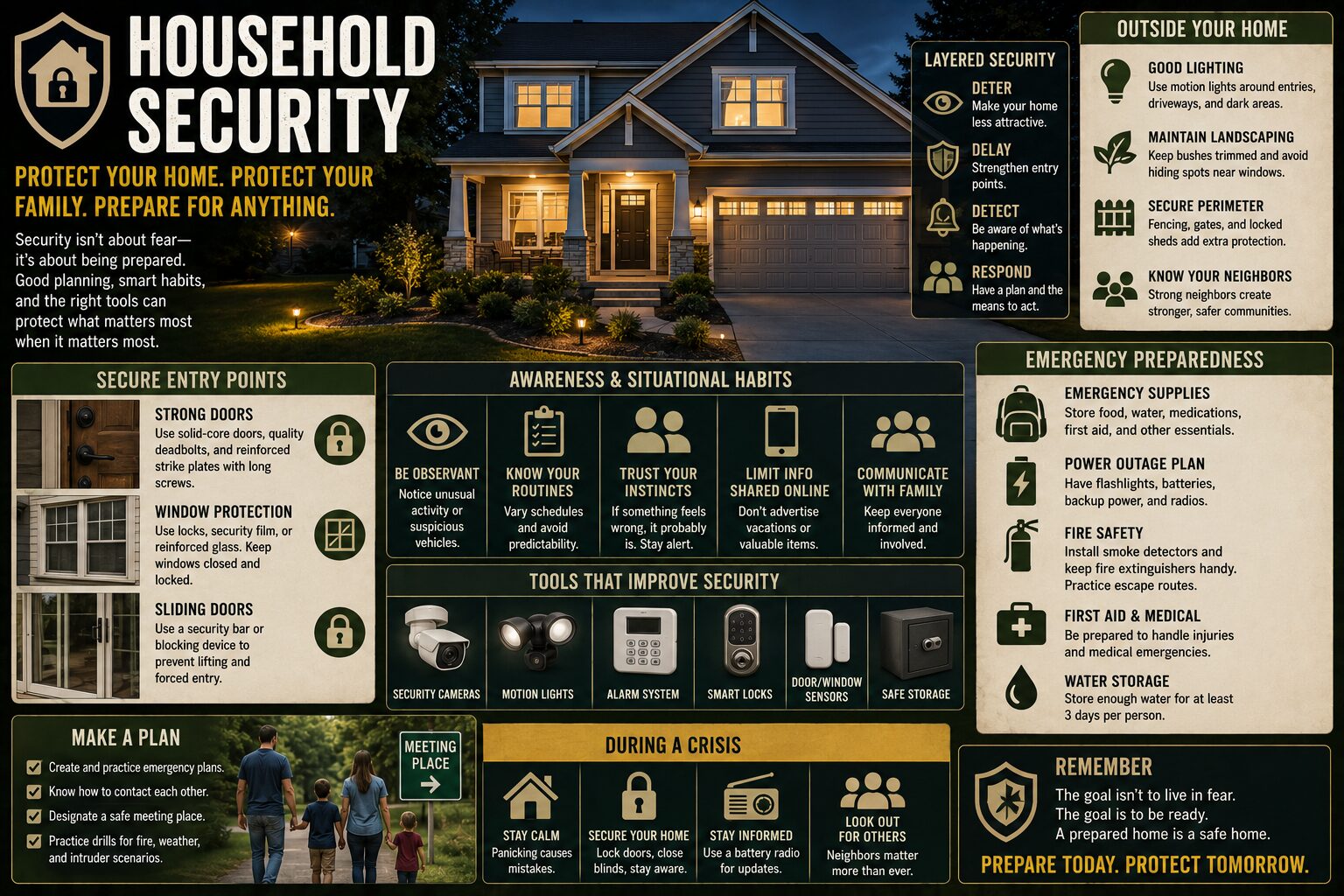
The best recovery plan begins before the hurricane arrives. Store emergency supplies, protect important documents, understand your insurance coverage, establish family communication plans, and know where to find official information.
Most importantly, remember that your family’s safety matters more than possessions. Homes can be repaired, vehicles can be replaced, and supplies can be restocked. Your life and the lives of the people around you cannot be replaced.
At Survival Boys, our mission is to help people develop practical skills for everyday emergencies and extreme situations. Learning how to recover after a hurricane is an essential part of that mission.
Prepare before the storm. Stay alert after it. Rebuild with safety in mind.
Visit SurvivalBoys.com for more practical preparedness information, outdoor skills, emergency planning, and survival education.
Safety note: Always follow local emergency instructions and current guidance from official emergency management, public health, utility, and weather authorities. Conditions and hazards vary from one disaster to another.