For many Americans, earthquakes are associated with California, Alaska, or the Pacific Northwest. But beneath the central United States lies an earthquake zone that deserves the attention of anyone serious about preparedness.
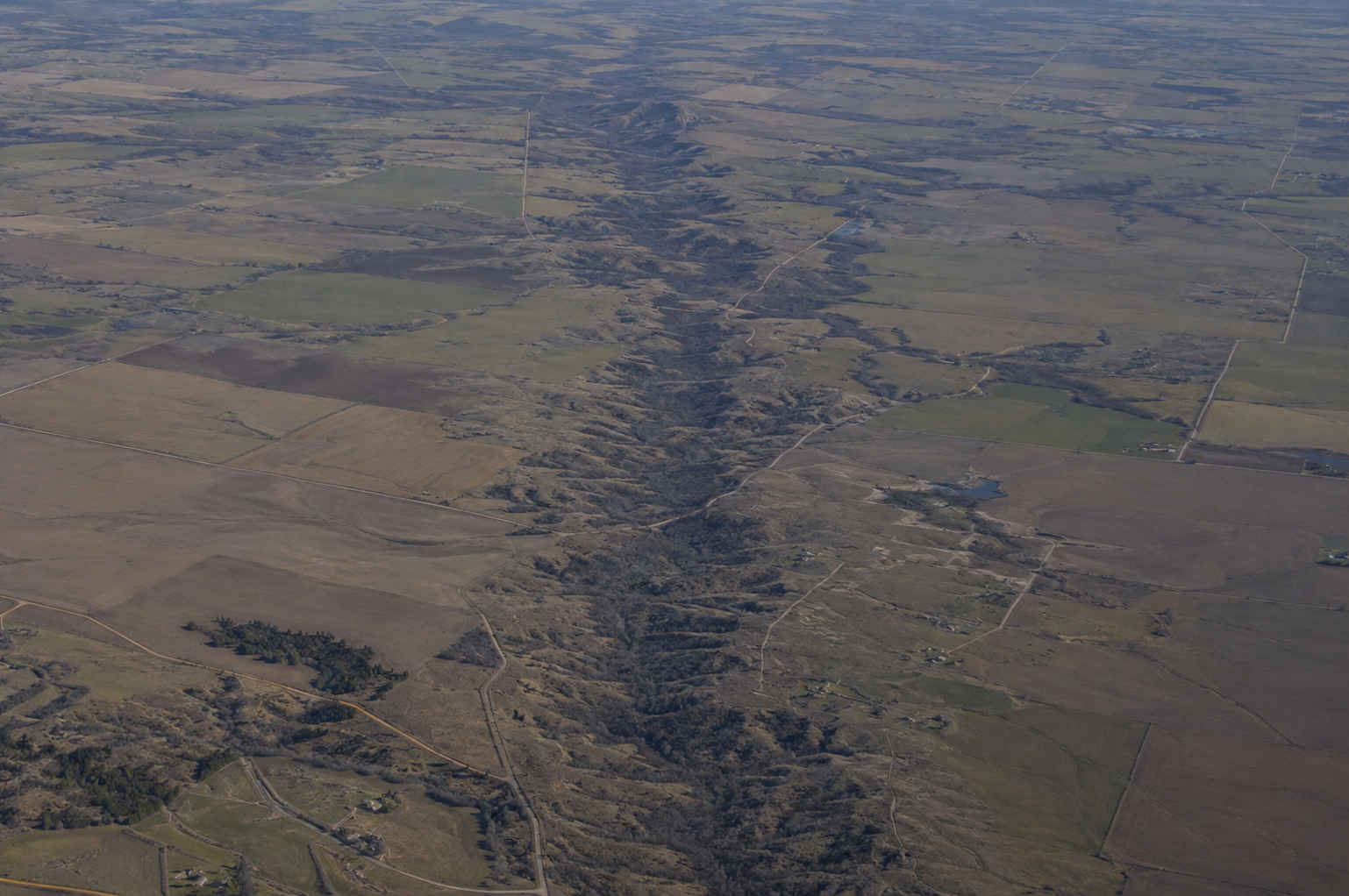
The New Madrid Seismic Zone stretches through portions of the central Mississippi Valley and has produced significant earthquakes in the past. The region’s history is a reminder that damaging earthquakes aren’t limited to the West Coast.
The important question isn’t whether you should be afraid of the New Madrid Seismic Zone.
It’s this:

Would your family be prepared if a major earthquake happened tomorrow?
A History Written in Shaking Ground
Between December 1811 and February 1812, a sequence of powerful earthquakes struck the central Mississippi Valley. The events became known as the New Madrid earthquakes.
The earthquakes were felt across an enormous portion of the eastern United States. At the time, the region was sparsely populated compared with today, and there were few modern buildings, bridges, electrical systems, pipelines, highways, or communication networks.
Today, the situation is very different.
Millions of people live throughout the broader region, and communities depend on interconnected infrastructure. A major earthquake could potentially affect transportation, electricity, water systems, communications, businesses, and supply chains.
That doesn’t mean a massive earthquake is imminent.
In fact, earthquakes cannot currently be predicted with enough accuracy to tell people exactly when or where the next major event will occur.
That’s why preparedness is more useful than prediction.
Why Earthquakes in the Midwest Matter
One of the unusual characteristics of earthquakes in the central and eastern United States is that seismic energy can travel through the underlying rock efficiently.
As a result, strong earthquakes can potentially be felt across very large distances.
That means an earthquake centered in the New Madrid region could potentially affect communities well beyond the immediate fault zone.
There’s another challenge:
Many people simply aren’t prepared for earthquakes.
They may have supplies for hurricanes, tornadoes, winter storms, or power outages—but haven’t considered what happens when the ground itself starts moving.
That creates a preparedness gap.
What Should You Do During an Earthquake?
If an earthquake begins while you’re inside a building, don’t immediately run for the door.
The recommended action is:
Drop. Cover. Hold On.
Drop to your hands and knees before the shaking knocks you down.
Take cover beneath a sturdy table or desk if one is nearby.
Protect your head and neck.
Hold onto your shelter until the shaking stops.
Stay away from windows, mirrors, glass, and objects that could fall.
Don’t use elevators during the shaking.
If you’re outside, move away from buildings, utility poles, power lines, trees, and other hazards.
Your goal isn’t to outrun the earthquake.
Your goal is to avoid being injured by the things the earthquake causes to move or fall.
The Real Challenge May Come After the Shaking
The shaking may last only a short time.
The aftermath could last much longer.
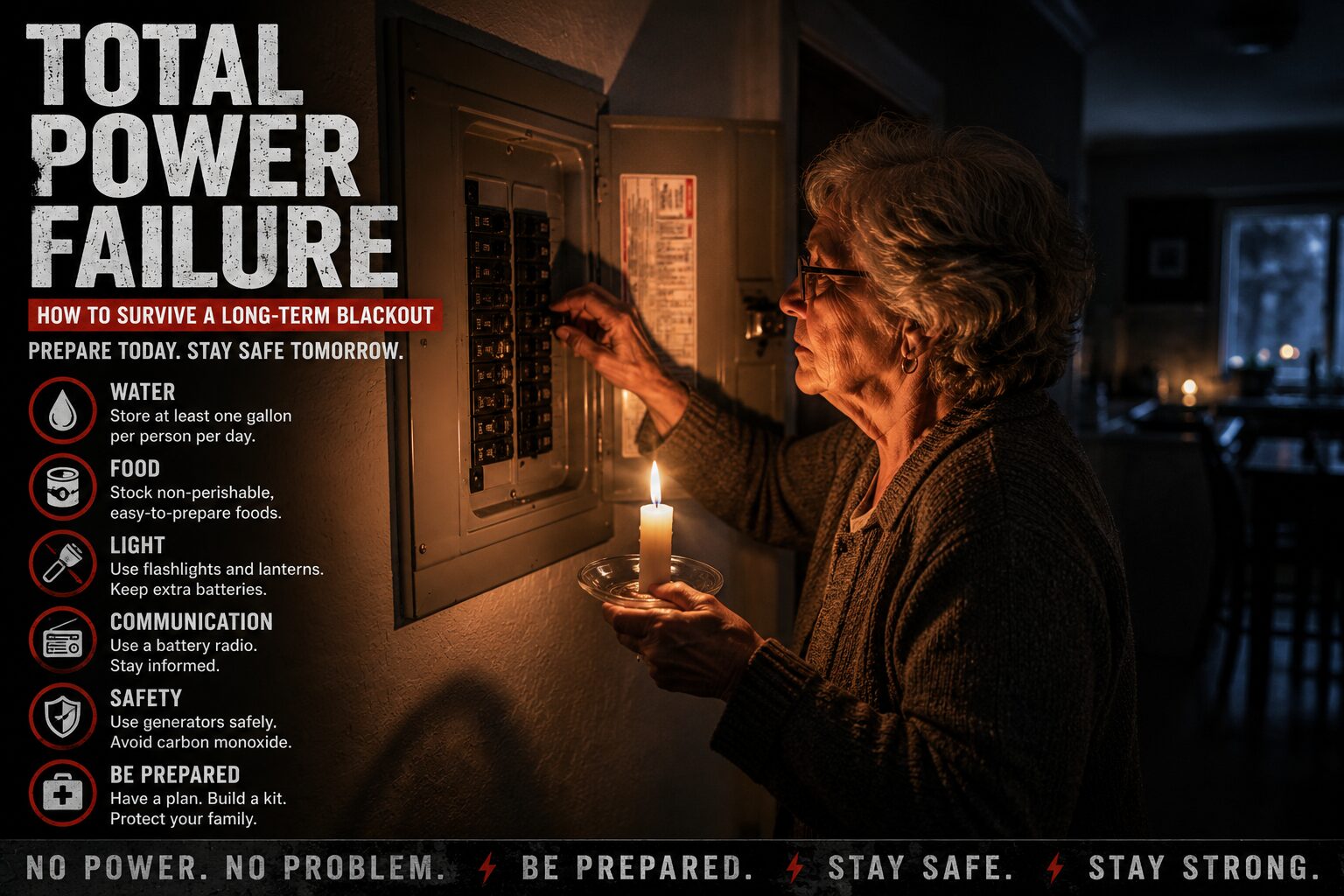
Imagine losing electricity.
Then imagine that your water isn’t working.
Your cell phone has no service.
A nearby bridge is closed.
Stores can’t process electronic payments.
Gas stations aren’t operating.
Emergency responders are overwhelmed.
That’s when basic preparedness becomes extremely valuable.
Every household should consider maintaining emergency supplies that don’t depend on the power grid.
Start with water.
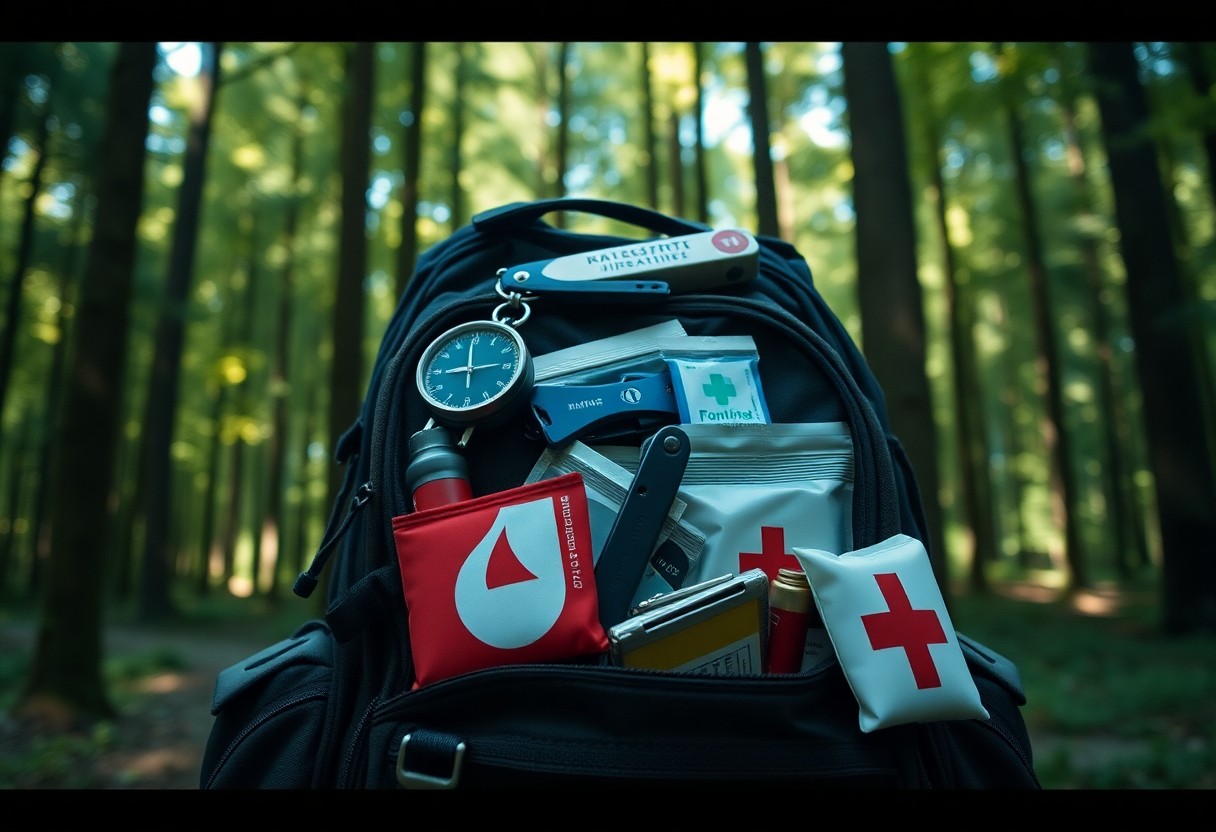
Then consider shelf-stable food, flashlights, batteries, first-aid supplies, essential medications, portable phone chargers, a battery-powered or hand-crank radio, sturdy shoes, and basic tools.
You don’t need an expensive survival bunker.
You need enough supplies and knowledge to remain functional while outside assistance is limited.
Secure Your Home Before an Earthquake
One of the best times to prepare for an earthquake is when the house isn’t shaking.
Look around your home.
What could fall?
Tall furniture should be properly secured.
Heavy objects shouldn’t be stored where they can fall onto sleeping areas.
Know where your utility shutoffs are and understand how to use them safely.
Keep emergency shoes and a flashlight somewhere accessible.
Don’t bury your emergency equipment in a closet underneath everything else.
If the power goes out and your home is dark, you want to be able to find your flashlight immediately.
Don’t Forget the Aftershocks
Surviving the initial earthquake doesn’t necessarily mean the danger is over.
Aftershocks can occur following a major earthquake.
Buildings or structures damaged during the first event may become more dangerous afterward.
That’s why you should be cautious around damaged buildings, debris, downed electrical lines, broken glass, gas leaks, and unstable structures.
If authorities tell you to evacuate, follow their instructions.
And don’t assume that a familiar road is safe simply because you’ve driven it hundreds of times.
Earthquakes can change the environment quickly.
Build an Earthquake Plan
Every family should know what to do before an emergency occurs.
Choose a meeting location.
Identify safe places inside your home where everyone can take cover.
Decide how you’ll communicate if normal phone service becomes unavailable.
Keep emergency supplies in an accessible location.
Know multiple ways to leave your neighborhood if evacuation becomes necessary.
And practice.
The first time your family discusses earthquake safety shouldn’t be while the walls are shaking.
The Bottom Line
The New Madrid Seismic Zone isn’t something to panic about.
It’s something to understand.
The historic earthquakes of 1811 and 1812 demonstrate that significant earthquakes have occurred in the central United States.
Modern infrastructure means a major earthquake today could create challenges very different from those faced more than 200 years ago.
But preparedness gives you an advantage.
Secure your home.
Store water.
Keep emergency supplies available.
Learn Drop, Cover, and Hold On.
Have a family communication plan.
And understand what you’ll do if electricity, water, communications, and transportation are suddenly disrupted.
You can’t predict the next earthquake.
But you can prepare for it.
The best time to prepare for the New Madrid earthquake isn’t when the ground starts moving.
It’s now.
Survival Boys — Prepare. Learn. Survive.
3 Person Necessity Survival Kit, Rolling Bag | My Survival Outlet