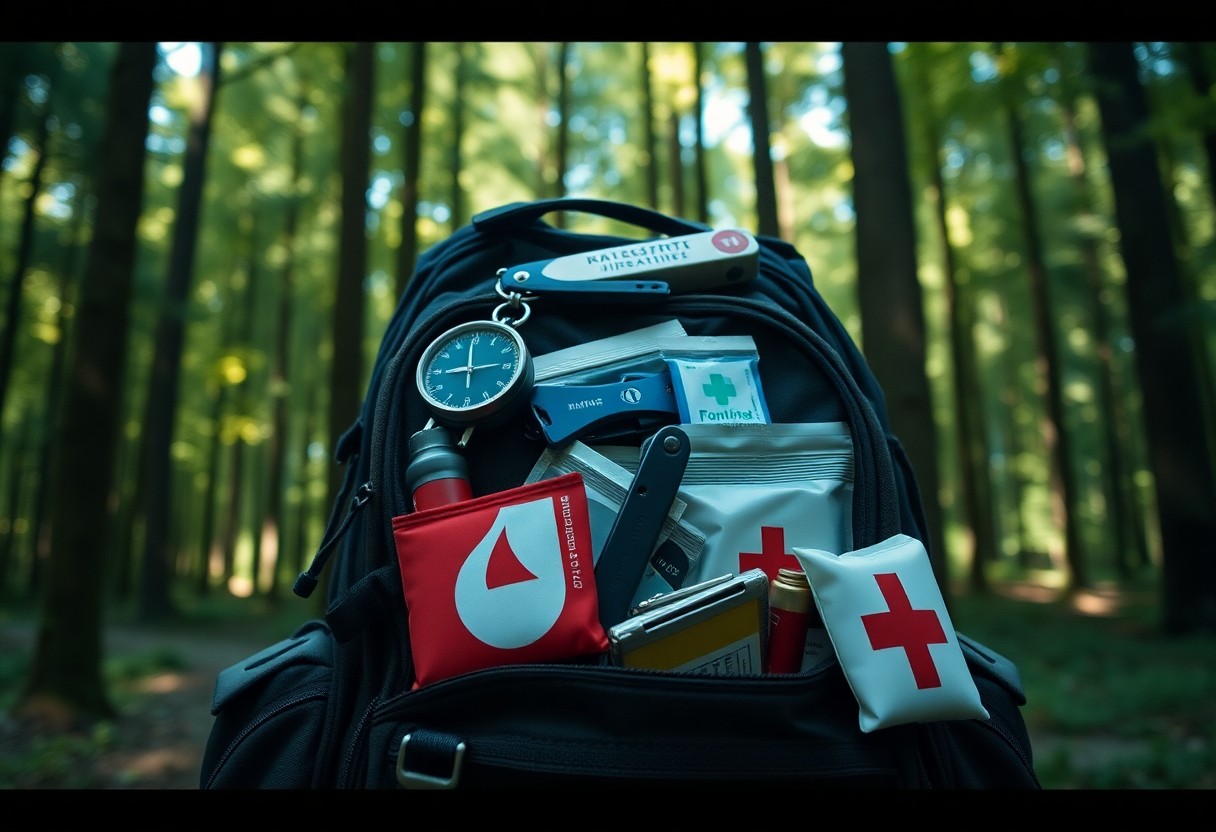
Stepping into the wilderness without a solid plan is one of the fastest ways to turn an adventure into a crisis. I have learned that preparation is not about packing everything you own, but about carrying the right tools, knowledge, and mindset to handle uncertainty. Nature does not adjust to human comfort, and that reality makes a well-thought-out checklist essential. The goal is not just to survive but to stay calm, think clearly, and make decisions that keep you safe no matter what unfolds.
Core Principles That Guide Survival
Survival begins long before setting foot on a trail. I always remind myself that awareness is more valuable than gear, because the ability to assess a situation can prevent problems before they start. Reading weather patterns, recognizing terrain hazards, and knowing personal limits all play a major role in staying safe outdoors. These habits reduce reliance on emergency solutions and create a stronger foundation for handling unexpected situations.
Mental strength is just as important as physical preparation. Panic clouds judgment, and in survival situations, poor decisions can escalate quickly. I focus on staying composed, breaking problems into smaller steps, and prioritizing actions based on urgency. This mindset keeps me grounded even when conditions become unpredictable.
Navigation Essentials
Getting lost is one of the most common dangers in the wilderness, which is why navigation tools are always at the top of my checklist. A reliable map and compass never leave my pack, even if I bring a GPS device. Technology can fail due to battery issues or signal loss, but traditional tools remain dependable when used correctly. Knowing how to read terrain and orient a map is a skill that cannot be replaced by apps.

I also make it a habit to inform someone of my route and expected return time. This simple step increases the chances of being found if something goes wrong. Marking key landmarks along the way helps me stay oriented and retrace my path if needed. Navigation is not just about finding direction but about maintaining awareness of where I am at all times.
Shelter And Protection
Exposure to the elements can become life-threatening faster than many people expect. I always carry materials that allow me to build or improvise shelter, such as a lightweight tarp or emergency bivvy. These items provide protection from rain, wind, and cold, which are some of the most immediate threats in outdoor environments. Even in warm climates, temperatures can drop significantly at night.
Clothing also plays a major role in protection. I pack layers that can be adjusted based on weather conditions, including moisture-wicking base layers and insulating outerwear. Staying dry is critical because wet clothing accelerates heat loss and increases the risk of hypothermia. A simple change of socks can make a huge difference in maintaining comfort and preventing foot injuries.
Fire Starting Tools
Fire is one of the most valuable survival assets I rely on. It provides warmth, allows me to cook food, purify water, and boost morale during stressful situations. I never depend on a single method to start a fire, so I carry multiple options such as waterproof matches, a lighter, and a ferro rod. Redundancy ensures that I can still create a fire even if one method fails.
Tinder is just as important as ignition tools. I keep dry tinder stored in waterproof containers or bags to guarantee that I have something that will catch a spark quickly. Practicing fire-starting skills before heading out is essential because knowing the theory is not enough. Conditions in the wild can be challenging, and hands-on experience makes all the difference.
Water And Hydration
Water is a top priority because dehydration can impair both physical performance and decision-making. I always carry enough water for the initial part of my journey along with a reliable method to collect and purify additional sources. Portable filters, purification tablets, or boiling methods all serve as effective solutions depending on the situation. Drinking untreated water is never worth the risk due to harmful bacteria and parasites.
I pay close attention to signs of dehydration such as fatigue, dizziness, and dry mouth. Preventing dehydration is easier than treating it, so I make a habit of drinking small amounts regularly instead of waiting until I feel thirsty. Knowing where water sources are located along my route also helps me plan more effectively and avoid unnecessary stress.
Food And Energy Supply
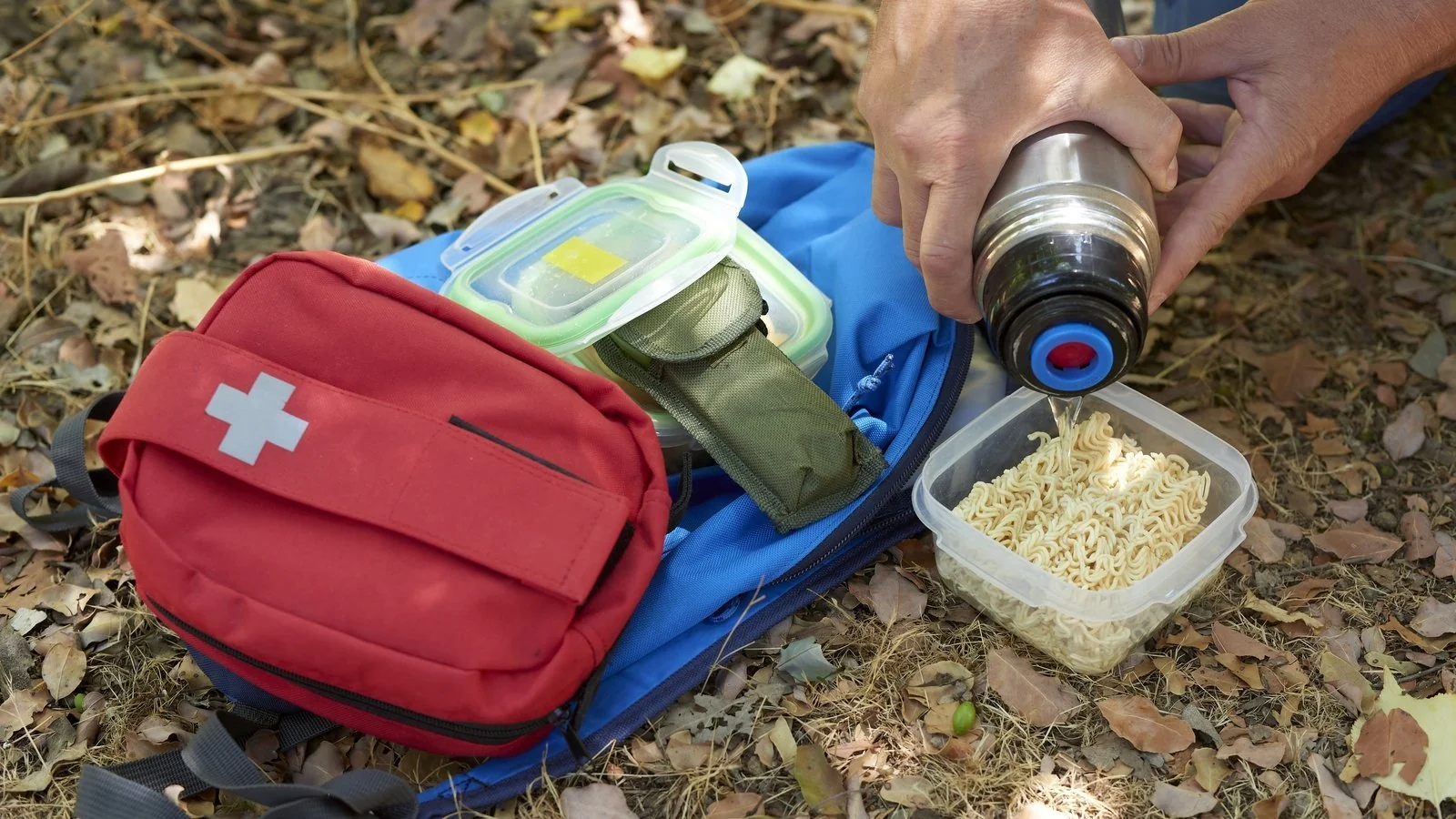
Food is not as immediately critical as water, but it still plays an important role in maintaining strength and morale. I pack high-calorie, lightweight options that provide sustained energy, such as nuts, dried fruits, and energy bars. These foods are easy to carry and do not require cooking, making them ideal for quick consumption during long hikes or emergencies.
Rationing is something I take seriously, especially if I am unsure about the duration of my trip. Eating small portions at regular intervals helps maintain energy levels without depleting supplies too quickly. While it is possible to survive without food for some time, having a reliable energy source makes it easier to stay focused and physically capable.
First Aid And Medical Preparedness
Injuries can happen unexpectedly, which is why a well-stocked first aid kit is always part of my checklist. I include items such as bandages, antiseptic wipes, pain relievers, and any personal medications I may need. Treating minor injuries promptly prevents them from becoming more serious problems later on. Even a small cut can lead to infection if left unattended.
Knowledge of basic first aid techniques is just as important as the supplies themselves. I make sure I know how to handle common issues like sprains, burns, and wounds. Being prepared to manage these situations reduces panic and allows me to respond effectively. Medical preparedness is not just about equipment but about confidence in handling emergencies.
Tools And Multi-Use Equipment
A versatile tool can make a significant difference in survival situations. I always carry a sturdy knife because it serves multiple purposes, from preparing food to building shelter. A multi-tool adds even more functionality with features like pliers, screwdrivers, and scissors. These tools help me adapt to a wide range of challenges without carrying excessive gear.
Cordage is another essential item that I never overlook. Paracord can be used for setting up shelters, securing equipment, or even creating traps if necessary. The ability to improvise with simple materials often determines how effectively I can handle unexpected situations. Tools that serve multiple functions are always a priority in my pack.
Signaling And Communication
Being able to signal for help is crucial in emergencies. I carry a whistle because it can be heard over long distances and requires less energy than shouting. A mirror or reflective surface is also useful for signaling during daylight hours. These simple tools can significantly increase the chances of being noticed by rescuers.
I also bring a fully charged mobile phone along with a portable power bank. While signal availability can be limited in remote areas, having a phone still provides an additional layer of security. In some cases, even a weak signal can be enough to send a message or make an emergency call. Communication tools serve as a bridge between isolation and rescue.
Weather Awareness And Adaptation
Weather can change rapidly in the wilderness, and being caught unprepared can be dangerous. I always check forecasts before heading out, but I also stay alert to sudden shifts in conditions. Darkening clouds, strong winds, and temperature drops are all signs that I need to adjust my plans. Ignoring these signals can lead to unnecessary risks.
Adapting to weather conditions often means making quick decisions. Seeking shelter during storms, adding layers in cold temperatures, or reducing activity in extreme heat are all strategies I rely on. Flexibility is key because sticking rigidly to a plan can sometimes do more harm than good. The ability to adjust ensures that I remain safe regardless of what nature throws my way.
Hygiene And Sanitation
Maintaining hygiene in the wilderness may not seem like a priority at first, but it plays a significant role in overall health. I carry basic items such as biodegradable soap, hand sanitizer, and toilet paper. These help prevent infections and keep me comfortable during extended trips. Neglecting hygiene can lead to illnesses that complicate survival situations.
Proper waste disposal is also important for both health and environmental reasons. I make sure to follow leave-no-trace principles by disposing of waste responsibly. This not only protects the environment but also reduces the risk of attracting wildlife. Clean habits contribute to a safer and more sustainable outdoor experience.
Mental Resilience And Decision Making
Survival is as much a mental challenge as it is a physical one. I remind myself to stay calm and think logically, even in stressful situations. Breaking problems into manageable steps helps prevent overwhelm and allows me to focus on solutions. Confidence grows with preparation, but it is reinforced through experience.
Fear can either motivate or paralyze, depending on how it is handled. I use it as a signal to pay attention rather than as a reason to panic. Staying positive and focused improves my ability to make sound decisions. Mental resilience often determines the outcome of survival situations more than any piece of gear.
Final Thoughts On Preparedness
A wilderness survival checklist is not just a list of items but a reflection of readiness and awareness. Each piece of gear serves a purpose, but it is the combination of knowledge, preparation, and mindset that truly makes the difference. I have come to see survival as a balance between planning and adaptability, where both play equally important roles.
Heading into the wilderness always carries a level of risk, but that risk can be managed with the right approach. Preparation builds confidence, and confidence leads to better decisions. With the right checklist and mindset, I can face the unknown with a sense of control and readiness that turns challenges into manageable situations.