The moment I realized how fragile everyday convenience can be, I started taking emergency preparedness seriously. Power outages, supply shortages, and unexpected natural disasters don’t send invitations, and waiting until the last minute always leaves people scrambling. I decided to build a stockpile that doesn’t just sit untouched in a corner, but one that supports daily life while quietly preparing for the unexpected. Over time, I’ve refined what I store, how I store it, and why each item matters, and the difference it makes in peace of mind is something I can’t overstate.
Water Is Always The First Priority
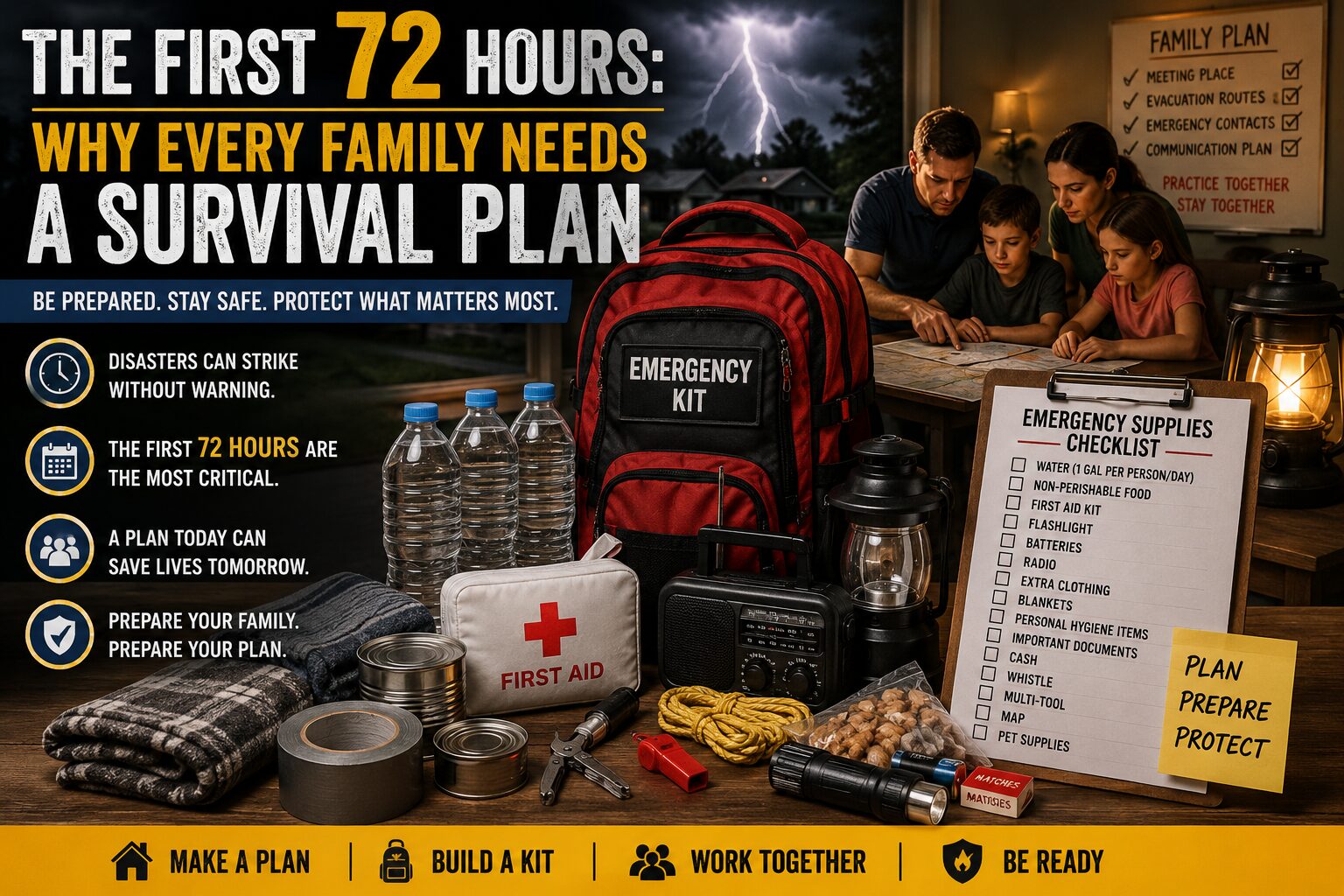
Water is the one supply I never compromise on, because everything else depends on it. I aim to store at least one gallon per person per day for a minimum of two weeks, though I try to go beyond that whenever space allows. It sounds like a lot until I imagine going even a single day without reliable access to clean drinking water, and that thought alone keeps me consistent.
I also rotate my water supply regularly so it never becomes stale or questionable. Large storage containers are useful, but I also keep smaller bottles that are easier to transport if I ever need to leave quickly. On top of that, I include water purification methods like filters and purification tablets, because stored water can run out faster than expected in stressful situations.
Having multiple ways to access clean water gives me a level of control that feels grounding during uncertainty. It’s not just about survival, but about maintaining clarity and physical stability when everything else feels unpredictable.

Non-Perishable Food That Actually Makes Sense
Food storage is where I see people either overdo it or get it completely wrong. I focus on items that I already eat regularly, which makes rotation easy and waste almost nonexistent. Canned goods, rice, pasta, oats, and shelf-stable proteins like beans or tuna are always part of my supply.
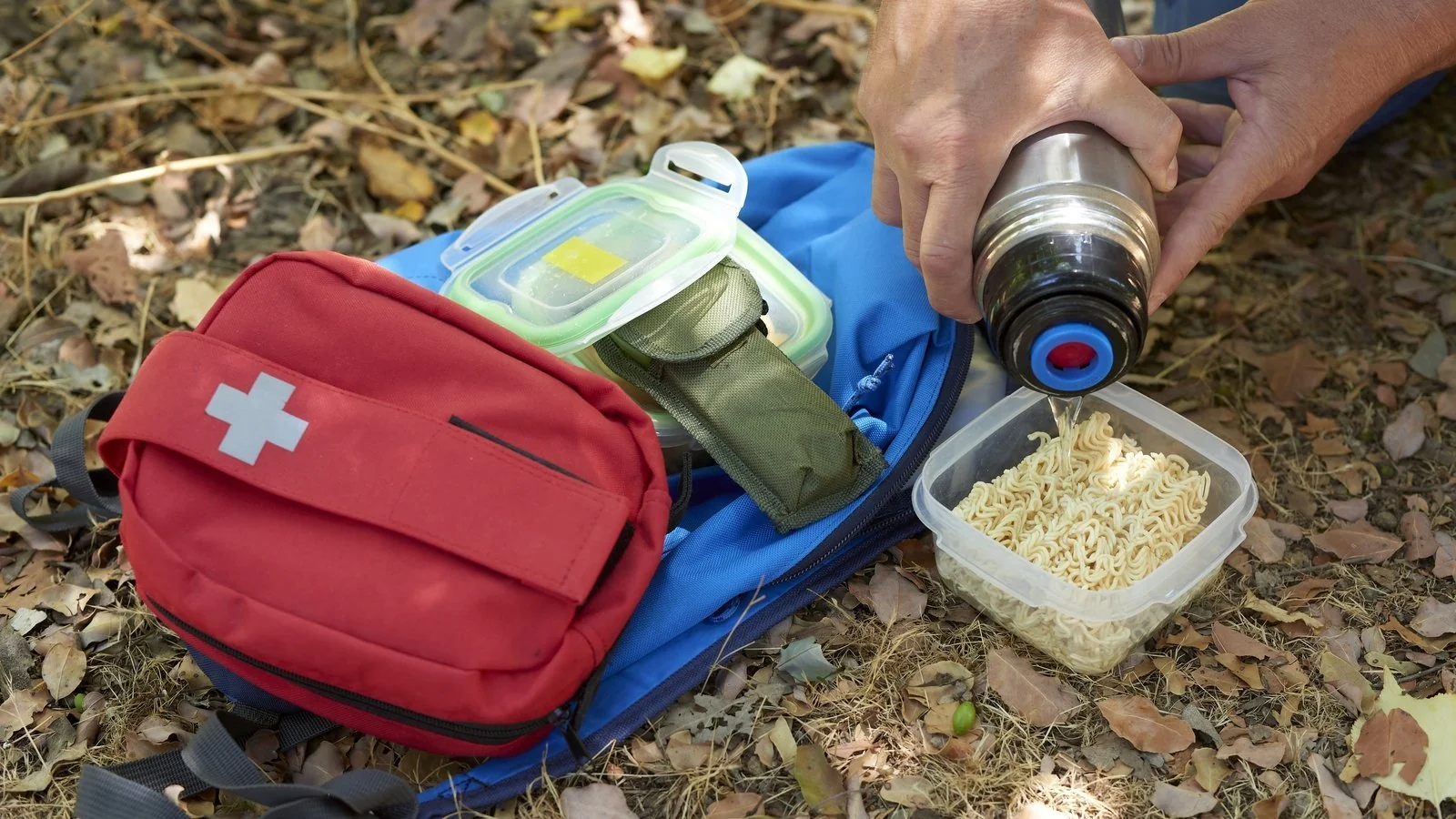
I make sure that everything I store can be prepared with minimal effort. In an emergency, I don’t want to rely on complicated cooking methods or rare ingredients. Simple meals that require little water and minimal heat become incredibly valuable when resources are limited.
Snacks also play a bigger role than most people expect. Energy bars, crackers, and dried fruits help maintain energy levels and morale, especially during stressful situations. Eating familiar food brings a sense of normalcy, and that matters more than people realize.
Reliable Light Sources For Any Situation
Losing power changes everything instantly, especially at night. I keep multiple light sources scattered throughout my home so I never have to search in the dark. Flashlights, lanterns, and even headlamps are part of my setup.
I prefer battery-powered lights with long runtimes, but I also include rechargeable options and solar-powered alternatives. Redundancy is key, because relying on a single type of light source can become a problem if it fails.
Candles are part of my backup plan, but I treat them carefully due to fire risk. Having safe, dependable lighting isn’t just about visibility, it also helps reduce anxiety and keeps daily routines manageable when electricity disappears.
Power Solutions That Keep Essentials Running
Electricity powers more than convenience, it supports communication, safety, and access to information. I keep portable power banks fully charged at all times, especially for my phone and essential devices. These small tools become lifelines when the grid goes down.
For longer outages, I rely on larger battery systems and consider fuel-based generators where practical. I always store extra charging cables and adapters because losing something as simple as a cable can make a good setup useless.
Solar chargers add another layer of independence. Even if everything else runs out, the ability to harness sunlight gives me a long-term solution that doesn’t depend on external supply chains.
First Aid Supplies That Go Beyond Basics
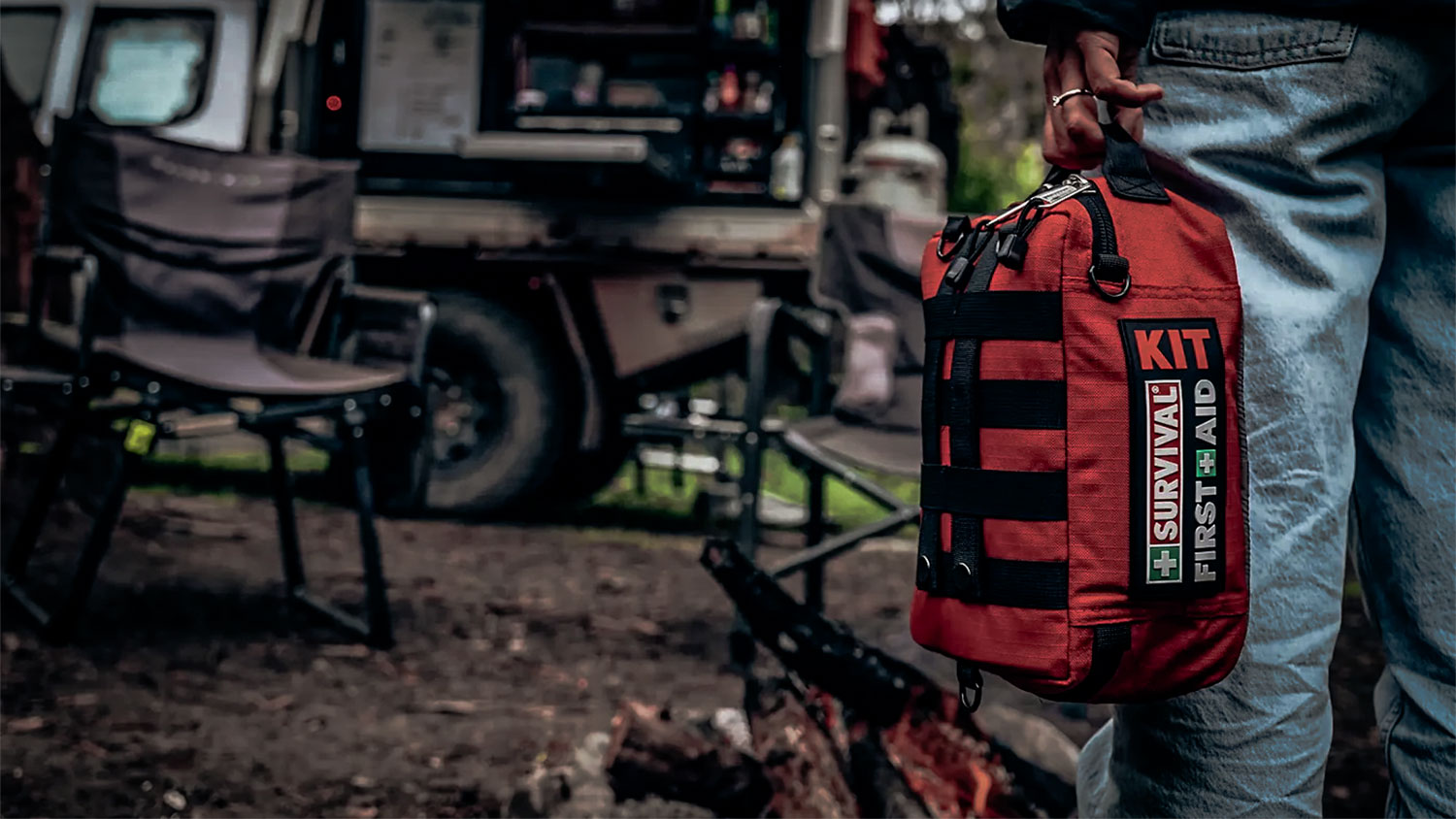
A basic first aid kit is only the starting point. I expand mine to include medications, antiseptics, bandages, and tools for handling minor injuries effectively. Pain relievers, allergy medications, and any personal prescriptions are always stocked in advance.
I also include items like thermometers, gloves, and wound care supplies that allow me to handle situations calmly. Medical help may not always be immediately available, so being prepared to manage small issues prevents them from becoming serious problems.
Organization plays a big role here. I keep everything labeled and easy to access so I don’t waste time searching during an emergency. Knowing exactly where everything is located reduces stress and helps me act quickly.
Hygiene And Sanitation Matter More Than Expected
Cleanliness becomes a serious concern when normal systems fail. I make sure to store hygiene essentials like soap, toothpaste, wet wipes, and hand sanitizer. These items are easy to overlook but incredibly important for maintaining health.
I also prepare for situations where running water isn’t available. Trash bags, portable toilets, and disinfectants help manage waste safely and prevent the spread of illness. It’s not the most comfortable topic, but ignoring it leads to bigger issues.
Maintaining a sense of cleanliness also supports mental well-being. Even small routines like washing hands or brushing teeth can make a stressful situation feel more manageable.
Clothing And Shelter For Changing Conditions
Weather doesn’t pause during emergencies, so I prepare for different conditions. I keep extra clothing, blankets, and weather-appropriate gear ready to go. Staying warm or cool can quickly become a critical issue depending on the situation.
I also include items like rain gear and sturdy footwear. If I ever need to move quickly or stay outside longer than expected, these become essential rather than optional.
Simple shelter solutions like tarps or emergency blankets provide flexibility. Even inside a home, these items can help conserve heat or create protected spaces if needed.
Tools That Solve Real Problems
A well-chosen set of tools can make a huge difference in how effectively I respond to challenges. I keep a multi-tool, a sturdy knife, and basic repair tools within easy reach. These items handle everything from opening supplies to fixing minor issues.
Duct tape and rope are surprisingly versatile and always part of my stockpile. They help with repairs, securing items, and even temporary shelter solutions.
I focus on practicality rather than collecting unnecessary gear. Every tool I keep has a clear purpose, and I make sure I know how to use it properly before relying on it.
Communication And Information Access
Staying informed during an emergency can change how I respond to situations. I keep a battery-powered or hand-crank radio to receive updates when internet and mobile networks are unavailable.
I also maintain a list of important contacts written on paper. Relying solely on digital storage can backfire if devices lose power or become inaccessible.
Having a plan for communication helps reduce confusion. Knowing how to reach others or receive reliable information creates a sense of direction even when circumstances are unclear.
Cash And Important Documents Ready To Go
Digital payments may not always work during emergencies, which is why I keep a small amount of cash in secure storage. It allows me to make necessary purchases when electronic systems are down.
I also organize copies of important documents such as identification, insurance papers, and medical records. These are stored in waterproof containers to protect them from damage.
Accessibility is just as important as security. I make sure I can grab these items quickly without having to search or sort through clutter.
Comfort Items That Support Mental Strength
Preparedness isn’t only about physical survival, it also involves mental resilience. I keep small comfort items that help maintain a sense of normalcy during difficult situations.
Books, cards, or simple entertainment options can make long periods without power more bearable. These items help pass time and reduce stress, especially when waiting becomes unavoidable.
Familiar routines and small comforts create stability. They remind me that even in uncertain conditions, there are still moments of calm to hold onto.
Building A System That Works Long-Term
Stockpiling isn’t about panic buying or filling every available space with random supplies. I focus on building a system that I can maintain consistently over time. Rotation, organization, and regular checks keep everything usable and relevant.
I also adjust my supplies based on changing needs. What works one year may need improvement the next, and staying flexible helps me stay prepared without feeling overwhelmed.
Preparedness becomes part of daily life rather than a separate task. That shift in mindset makes everything easier to manage and far more effective.
Final Thoughts On Being Ready Without Fear
Preparedness doesn’t come from fear, it comes from respect for how quickly circumstances can change. I don’t build my stockpile expecting the worst, but I do it knowing that being ready gives me options.
Each item I store has a purpose, and together they create a safety net that supports both survival and comfort. It’s not about having everything, but about having enough of the right things to stay steady when life becomes unpredictable.
Taking these steps has given me a quiet confidence that I carry into everyday life. Emergencies may still come without warning, but facing them with preparation feels entirely different than facing them unprepared.