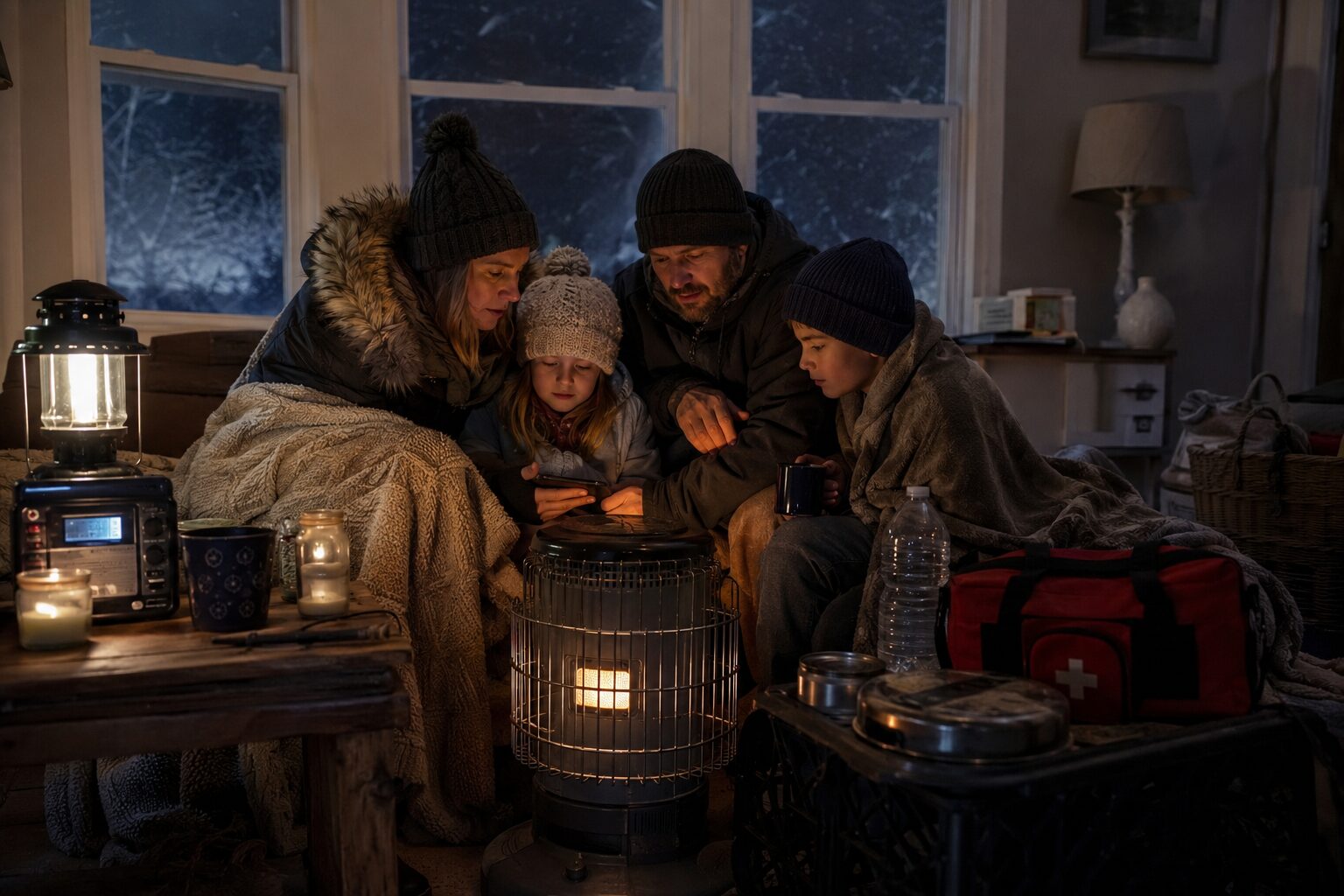
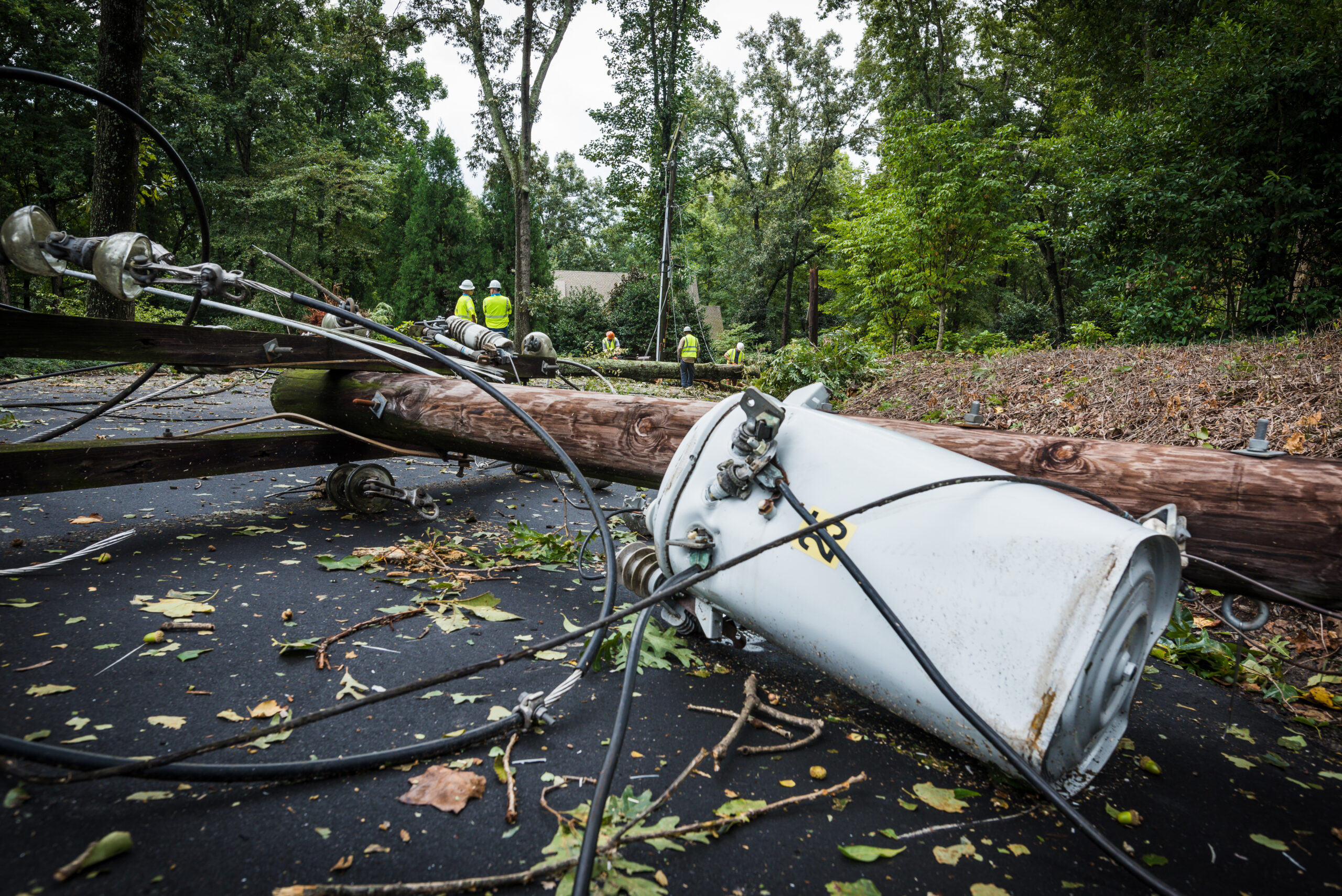
Living without electricity for weeks is not just a test of endurance, but a complete shift in how I think, move, eat, and rest. The absence of power strips life down to its most basic elements, forcing me to rely on preparation, creativity, and discipline. It changes daily routines in ways that feel uncomfortable at first, but eventually become manageable, even empowering. I have learned that surviving without electricity is not about suffering through darkness, but about adapting to a slower, more intentional way of living where every resource matters.
Preparing Before the Lights Go Out
Preparation is what separates panic from control. I make sure to gather essentials long before any outage begins, because once electricity is gone, options become limited very quickly. Food, water, lighting, and tools are not things I want to scramble for at the last minute.
I prioritize non-perishable food such as canned goods, dried fish, rice, oats, and instant meals that require minimal cooking. Clean drinking water is even more important, so I store gallons in containers and keep purification tablets as backup. I also keep a manual can opener, matches, and extra batteries, since these small items often become the most valuable when everything else fails.
Planning also includes thinking about comfort and safety. I prepare blankets, extra clothing, and basic medical supplies because emergencies do not pause just because electricity disappears. Having everything ready gives me peace of mind and allows me to focus on surviving instead of reacting.

Managing Food Without Refrigeration
Food becomes a daily concern without electricity, especially when refrigeration is no longer available. I focus on consuming perishable items first, making sure nothing goes to waste in the early days. Meat, dairy, and cooked leftovers are used immediately or preserved if possible.
Dry and canned foods become my main source of nutrition after that. I learn to portion meals carefully to stretch supplies over time. Instead of eating large portions, I spread meals throughout the day to maintain energy without depleting resources too quickly.
Cooking also changes significantly. I rely on simple methods like charcoal grills, gas stoves, or even open fire when necessary. I keep meals straightforward to conserve fuel and effort, choosing dishes that require fewer ingredients and less cooking time.
Securing Safe Drinking Water
Water is more critical than food in a long-term outage. I always make sure I have enough stored water for drinking, cooking, and basic hygiene. However, I also prepare for the possibility that my stored supply might run low.
In those situations, I collect water from available sources such as rain or nearby wells. Before using it, I make sure it is safe by boiling it thoroughly or using purification tablets. Clean water is not something I take chances with, as contaminated water can lead to serious illness.
I also learn to conserve water carefully. Instead of using large amounts for washing or cleaning, I reuse water when possible and prioritize drinking needs above everything else. Every drop becomes valuable, and managing it wisely ensures survival.
Lighting the Dark Nights
Nights feel longer without electricity, and proper lighting becomes essential. I rely on flashlights, candles, and battery-powered lamps to navigate through darkness. Each light source is used sparingly to preserve batteries and fuel.
I place lights strategically in areas where I need them most, such as near sleeping areas and cooking spaces. This helps me avoid accidents and reduces unnecessary movement in the dark. I also keep a flashlight within reach at all times in case I need to move quickly during the night.
Adapting to natural light patterns helps as well. I align my activities with daylight hours, finishing tasks before sunset whenever possible. This reduces my dependence on artificial lighting and conserves resources.
Staying Cool or Warm Without Power
Temperature control becomes a challenge without fans or air conditioning. In hot climates, I focus on staying cool by wearing light clothing and staying hydrated. I keep windows open to allow airflow and avoid direct sunlight during peak hours.
During colder nights, I rely on layers of clothing and blankets to stay warm. I gather in smaller spaces to retain heat and use body warmth effectively. Simple adjustments like closing windows at night can make a noticeable difference in maintaining comfort.
I also learn to listen to my body. Resting during extreme heat and staying active during cooler periods helps me maintain energy and avoid exhaustion. Managing temperature is about working with the environment rather than against it.
Maintaining Hygiene and Sanitation
Cleanliness is still important even without running appliances. I maintain hygiene using stored water, soap, and basic supplies. Simple routines like washing hands regularly help prevent illness.
For bathing, I use minimal water and focus on essential cleaning. I avoid wasting water by using small containers instead of running taps. This approach keeps me clean while conserving resources.
Waste management also becomes crucial. I make sure garbage is disposed of properly to avoid attracting pests. Maintaining a clean environment reduces health risks and makes living conditions more bearable.
Protecting Health and Safety
Health and safety take on a new level of importance during extended outages. I keep a first aid kit ready and make sure I know how to handle common injuries. Small cuts or burns can become serious if not treated properly.
I also stay aware of my surroundings, especially at night. Without streetlights or security systems, risks can increase. I secure doors and windows and remain cautious when moving around in the dark.
Mental health is just as important as physical health. I find ways to stay calm and focused, whether through quiet activities, conversations, or simply taking time to rest. Stress can make survival harder, so I manage it carefully.
Finding Ways to Communicate
Communication can become difficult without electricity, especially if devices run out of power. I conserve battery on my phone by limiting usage and turning it off when not needed. Power banks and solar chargers become extremely useful in these situations.
If digital communication is not possible, I rely on neighbors and community members for updates and support. Sharing information helps everyone stay informed and prepared. Building connections becomes an important part of survival.
I also keep important contacts written down on paper. This ensures I can reach out for help if needed, even without access to digital devices. Preparation like this prevents unnecessary panic.
Building a Routine for Stability
A consistent routine helps me stay grounded during uncertain times. I plan my day around available resources, focusing on essential tasks first. Cooking, cleaning, and gathering supplies are done during daylight hours.
Having a routine also gives a sense of normalcy. Even simple activities like reading, writing, or organizing supplies can provide comfort. It helps me stay productive and prevents the feeling of being stuck or helpless.
Rest is equally important. I make sure to get enough sleep, as fatigue can affect decision-making and physical strength. A balanced routine keeps both body and mind in better condition.
Making the Most of Available Resources
Resourcefulness becomes one of the most valuable skills during long outages. I find ways to reuse items and avoid unnecessary waste. Empty containers can store water, while leftover materials can serve new purposes.
I also think ahead before using anything. Instead of consuming resources quickly, I plan how to make them last longer. This mindset helps me extend supplies and reduces the risk of running out too soon.
Creativity plays a big role as well. I improvise solutions when needed, whether it is building simple tools or adapting existing ones. Survival is not just about what I have, but how I use it.
Staying Connected With Others
Isolation can make survival more difficult, so I stay connected with people around me. Neighbors often become valuable allies, sharing resources and information. Working together makes challenges easier to handle.
I also offer help when I can. Supporting others creates a sense of community and strengthens relationships. In difficult situations, cooperation often makes the biggest difference.
Conversations and shared activities help maintain morale. Even simple interactions can lift spirits and make the experience less overwhelming. Human connection remains essential, even without electricity.
Keeping Hope and Perspective
Weeks without electricity can feel long, but maintaining the right mindset changes everything. I remind myself that the situation is temporary and that I have the ability to adapt. Focusing on what I can control keeps me grounded.
I celebrate small victories, whether it is successfully cooking a meal or finding a new way to solve a problem. These moments build confidence and keep me motivated. Survival becomes less about struggle and more about resilience.
Perspective also helps me appreciate the basics. Clean water, food, and shelter take on greater meaning when they require effort to maintain. This experience reshapes how I view comfort and necessity.
Final Thoughts on Living Without Electricity
Living without electricity for weeks challenges every part of daily life, but it also reveals strengths I might not have noticed before. It pushes me to think differently, act intentionally, and value resources more deeply. While it is not easy, it is entirely possible with preparation and the right mindset.
I have learned that survival is not about having everything, but about making the most of what is available. Each day becomes an opportunity to adapt and improve, turning a difficult situation into a lesson in resilience. Even without power, life continues, and with the right approach, it can still be lived with purpose and clarity.