The woods can shift from peaceful to unforgiving in a matter of hours, and surviving three full days requires more than luck. I’ve learned that staying alive out there is about managing fear, making smart decisions, and using whatever is available without wasting energy. The key is not brute strength or survival gear alone, but awareness, patience, and the ability to stay calm even when everything feels uncertain. Over the course of 72 hours, every choice compounds, so the difference between panic and control often determines the outcome.
Stay Calm And Take Control Of Your Situation
The first thing I focus on is controlling my thoughts because panic drains energy faster than anything else. Once fear takes over, decisions become rushed and careless, which can make even a simple problem worse. I slow my breathing, look around, and remind myself that survival is possible if I stay steady and think clearly.
After settling my mind, I assess where I am and what I have. I check for injuries, take inventory of my supplies, and look for immediate threats like extreme weather or dangerous terrain. This moment of awareness helps me avoid making impulsive moves that could lead me farther from safety.
Staying calm also helps me notice details that I would otherwise miss. A small trail, a distant water sound, or even the direction of the wind can provide valuable clues. These little observations often guide my next steps and give me a sense of direction.

Find Or Build Shelter Before Anything Else
Exposure is one of the fastest ways to lose control of a survival situation. I always prioritize shelter because protecting myself from wind, rain, or cold temperatures is essential to staying alive. Even in warm climates, nights can become unexpectedly cold and uncomfortable.
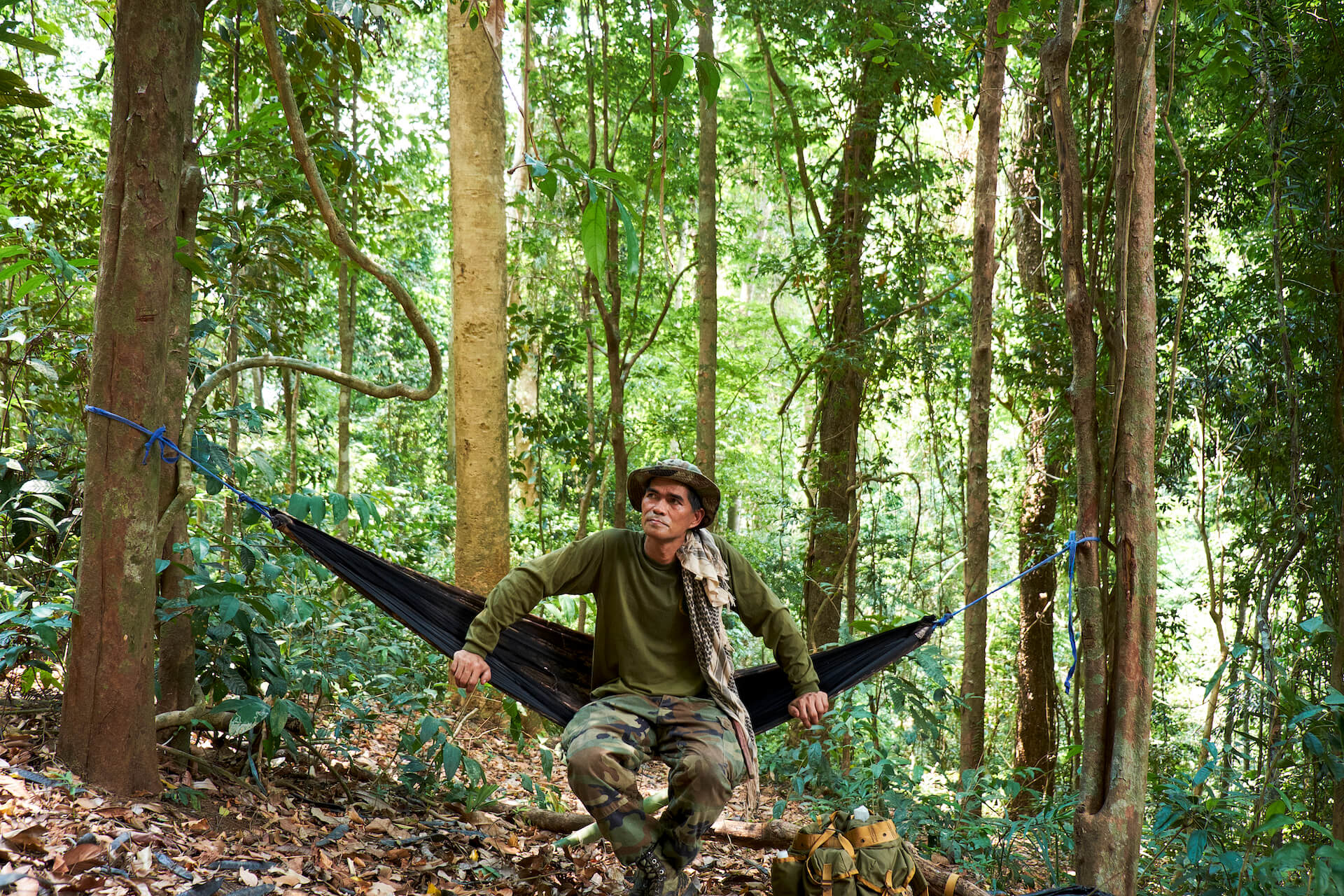
If I come across a natural shelter like a rock overhang or dense tree cover, I make use of it immediately. If nothing is available, I build something simple using branches, leaves, and whatever materials I can find nearby. The goal is not perfection but protection, especially from wind and moisture.
Position matters just as much as structure. I avoid low areas where water can collect and stay clear of places that show signs of animal activity. A slightly elevated spot with natural cover gives me a better chance of staying dry and safe through the night.
Secure A Reliable Source Of Water
Dehydration can weaken the body quickly, so finding water becomes one of my top priorities. I start by listening and looking for signs like flowing streams, animal tracks, or greener vegetation. These often indicate nearby water sources even if they are not immediately visible.
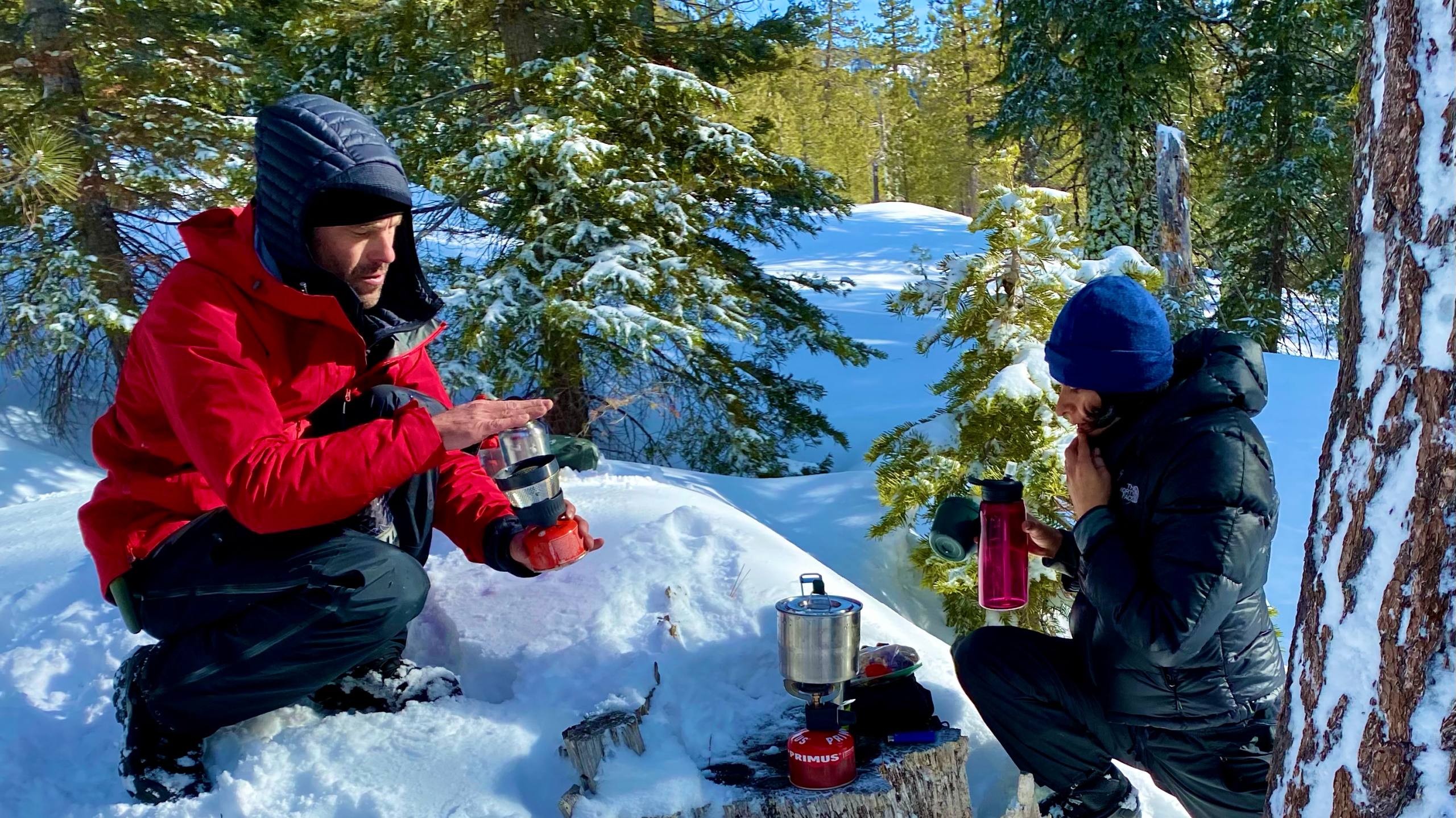
Once I locate water, I avoid drinking it blindly. If possible, I filter it using cloth to remove debris and then boil it to make it safer. If I don’t have a container, I get creative by using improvised methods like heating stones and placing them into water held in a natural vessel.
Rationing is important, but I don’t restrict water too much because hydration keeps my mind sharp. Drinking small amounts regularly helps maintain energy levels and prevents fatigue from setting in too early.
Make Fire For Warmth And Safety
Fire changes everything in a survival situation. It provides warmth, helps purify water, and can even serve as a signal for rescue. I gather dry materials like twigs, leaves, and bark before attempting to start a fire so I don’t lose momentum once I begin.
I start small, building a base with fine tinder and gradually adding larger sticks. Patience is essential because rushing can cause the fire to die before it fully takes hold. Once it’s stable, I maintain it carefully to conserve fuel and keep it going as long as possible.
Beyond warmth, fire also offers psychological comfort. The light and heat create a sense of security that helps me stay focused and motivated, especially during long nights.
Find Food Without Wasting Energy
Food becomes important, but it is not my first priority during the initial hours. The body can survive without food longer than it can without water or shelter, so I conserve my energy instead of rushing to find something to eat.
When I do look for food, I focus on low-effort options like edible plants, berries, or insects. I stay cautious and avoid anything I cannot identify with confidence, since eating the wrong thing can cause more harm than hunger itself.
If I attempt to catch small animals or fish, I use simple traps or tools that don’t require constant attention. This allows me to conserve energy while still increasing my chances of getting food over time.
Navigate Carefully And Avoid Getting Lost
Moving through the woods without a clear plan can make things worse. I resist the urge to wander aimlessly and instead choose my direction based on logical clues like the sun’s position, terrain, or water flow.
If I decide to move, I mark my path using natural indicators such as broken branches or stacked stones. This helps me avoid walking in circles and allows me to retrace my steps if needed.
Sometimes staying in one place is the better option, especially if rescue is likely. I weigh my situation carefully before deciding whether to move or remain where I am.
Use Signals To Increase Chances Of Rescue
Making myself visible is just as important as staying alive. I create signals that can be seen from a distance, such as arranging rocks or branches in large patterns on the ground. These visual markers can catch attention from above.
Smoke from a fire can also serve as a signal during the day. I add green leaves or damp material to create thicker smoke that stands out against the forest backdrop.
Sound can be effective as well. I use tools or objects to create noise at intervals, especially if I suspect people may be nearby. Consistent signaling increases the likelihood that someone will notice my presence.
Manage Energy And Avoid Exhaustion
Survival is not about constant movement or effort. I pace myself and take breaks to prevent exhaustion, since fatigue can lead to poor decisions and physical weakness.
I focus on tasks that provide the most benefit for the least amount of effort. Building a shelter, securing water, and maintaining fire take priority over unnecessary activities that drain energy.
Rest becomes part of the strategy. Even short periods of relaxation help my body recover and keep my mind sharp, which is critical for making good decisions.
Stay Aware Of Wildlife And Hazards
The woods are home to many animals, and not all of them pose a threat. I remain alert and avoid disturbing wildlife whenever possible, since most animals will stay away if they do not feel threatened.
I pay attention to signs like tracks, droppings, or unusual sounds that indicate animal presence. Keeping my distance helps reduce the risk of dangerous encounters.
Natural hazards can be just as dangerous as animals. I stay cautious around unstable ground, sharp rocks, and sudden weather changes, all of which can turn a manageable situation into a serious problem.
Keep Your Mind Focused And Positive
The mental aspect of survival often determines success. I keep my thoughts focused on small, achievable goals rather than the full 72-hour challenge. Completing one task at a time builds momentum and keeps me motivated.
Negative thinking can spiral quickly, so I redirect my attention to what I can control. Even simple actions like maintaining a fire or improving my shelter provide a sense of progress.
Staying positive does not mean ignoring reality. It means choosing to believe that survival is possible and continuing to act in ways that support that belief.
Plan Each Day With Purpose
Breaking the 72 hours into manageable segments helps me stay organized. I treat each day as its own challenge, setting priorities based on immediate needs and available resources.
During daylight, I focus on gathering materials, finding water, and improving my shelter. At night, I conserve energy and stay close to my fire for warmth and safety.
Having a routine reduces uncertainty and gives structure to my actions. This makes the situation feel more manageable and prevents me from becoming overwhelmed.
Adapt To Changing Conditions
No situation in the woods stays the same. Weather shifts, resources change, and new challenges can arise without warning. I stay flexible and adjust my plans as needed instead of sticking to a rigid approach.
If rain begins, I reinforce my shelter and secure dry materials. If a water source becomes unreliable, I search for alternatives while conserving what I have left.
Adaptability allows me to respond effectively rather than react emotionally. This mindset keeps me prepared for whatever comes next.
Use What You Have Creatively
Survival often depends on making the most of limited resources. I look at every item I have and think about multiple ways it can be used, whether it’s clothing, tools, or natural materials.
A piece of cloth can serve as a water filter, a bandage, or even part of a shelter. Branches can become tools, supports, or fuel for fire. Thinking creatively expands my options and increases my chances of success.
Resourcefulness turns ordinary objects into valuable assets. This approach helps me stay prepared even when supplies are minimal.
Stay Put When It Makes Sense
Movement can be helpful, but it also carries risks. If I know that someone might be searching for me, staying in one place often increases my chances of being found.
I make my location as visible as possible and focus on maintaining my shelter, fire, and water supply. This creates a stable environment that supports long-term survival.
Deciding to stay put requires patience, but it can be the smartest choice in many situations. Stability often outweighs the uncertainty of wandering.
Reflect And Stay Alert Until The End
The final stretch of the 72 hours can be just as challenging as the beginning. Fatigue, hunger, and stress can build up, making it harder to stay focused. I remind myself that consistency matters and that every decision still counts.
I continue to monitor my surroundings, maintain my resources, and stay prepared for rescue. Even small mistakes can have bigger consequences at this stage, so I remain careful and deliberate.
Reaching the end of the 72 hours is not about a single moment of effort. It is the result of steady choices, patience, and the ability to adapt through every challenge the woods present.