By Carl Pettigrew
There is something different about stepping into the woods with only the equipment you truly need and knowing that your skills are just as important as the gear in your pack.
That is the heart of bushcraft.
Bushcraft is more than camping, and it is more than learning a collection of survival tricks. It is the practice of developing practical skills that help you understand and work with the natural environment. Firecraft, shelter building, navigation, water management, knots, woodworking, camp cooking, and natural awareness all fit into the larger bushcraft skill set.

For me, bushcraft is about becoming more capable outdoors while developing a deeper respect for the environment.
What Makes Bushcraft Different?
Modern camping often means bringing everything you need with you. A tent provides shelter, a stove provides heat for cooking, and a flashlight provides light.
Bushcraft takes a different approach.
Instead of simply relying on equipment, you learn how to use your surroundings and your knowledge to solve problems. A simple piece of cordage becomes a way to secure a shelter. Fallen wood becomes fuel. Natural materials can help with insulation and campcraft. A map, compass, and understanding of terrain can become more valuable than a phone when technology is unavailable.
This doesn’t mean bushcraft requires abandoning modern equipment.
In fact, carrying quality equipment is still important. Bushcraft is about skill, judgment, and resourcefulness, not deliberately making life harder.
Firecraft: More Than Just a Campfire
Fire is one of the classic bushcraft skills.
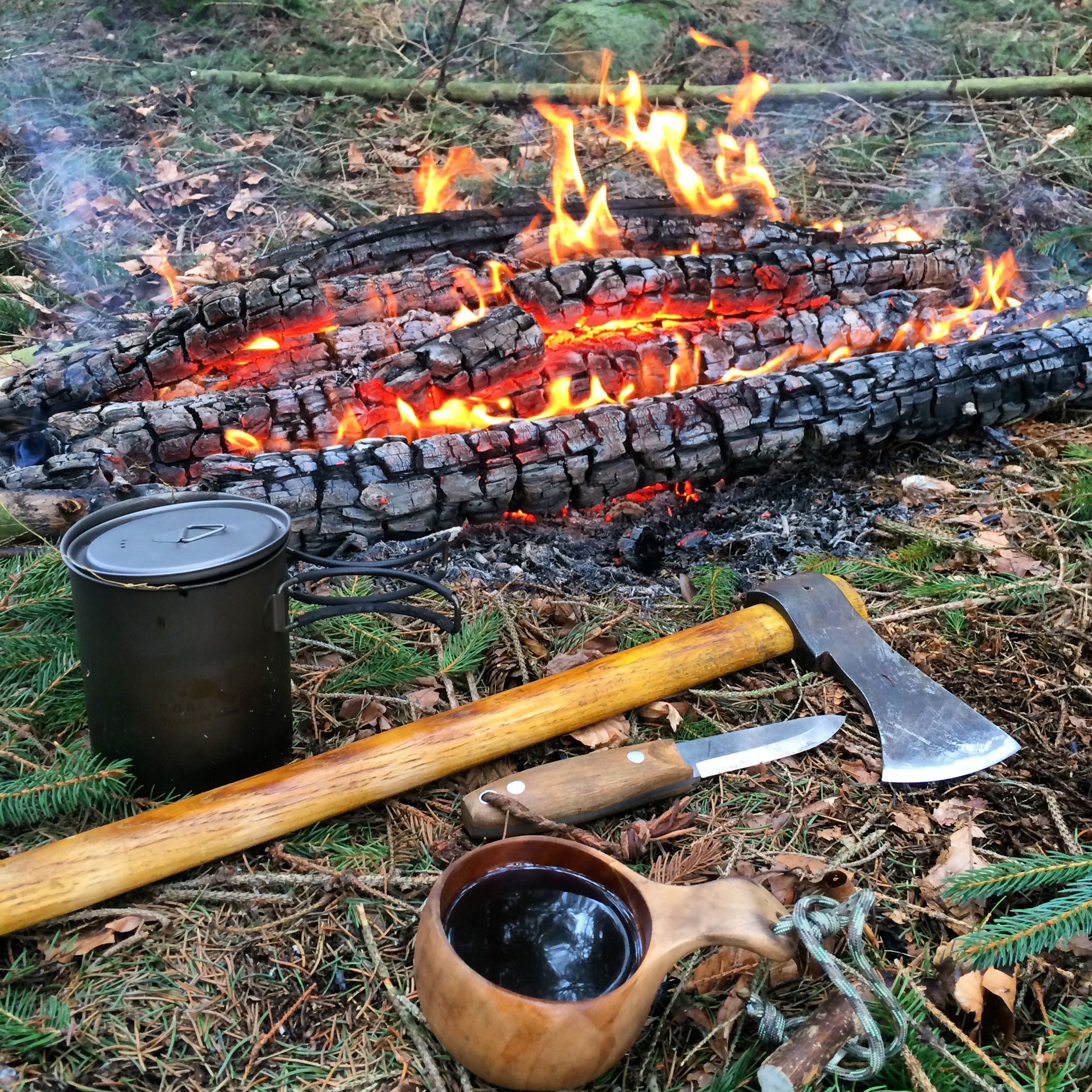
Learning how to build and maintain a fire teaches you to understand fuel, moisture, airflow, tinder, and weather conditions. You begin to recognize which materials will burn easily and which ones will require additional preparation.
A good bushcrafter doesn’t simply throw wood onto a pile and hope for the best.
You learn to build a fire progressively, starting with appropriate tinder, adding small kindling, and eventually moving to larger fuel. You also learn that fire safety comes first. Regulations and local fire restrictions should always be checked before starting a fire.
When fires are permitted, Leave No Trace guidance recommends keeping them small, using appropriate existing fire rings where available, and completely extinguishing them when finished. (U.S. Fish and Wildlife Service)
Fire is also a great teacher. When conditions are wet or windy, techniques that worked perfectly in dry weather may suddenly fail.
That is where practice becomes important.
Shelter: Understanding the Environment
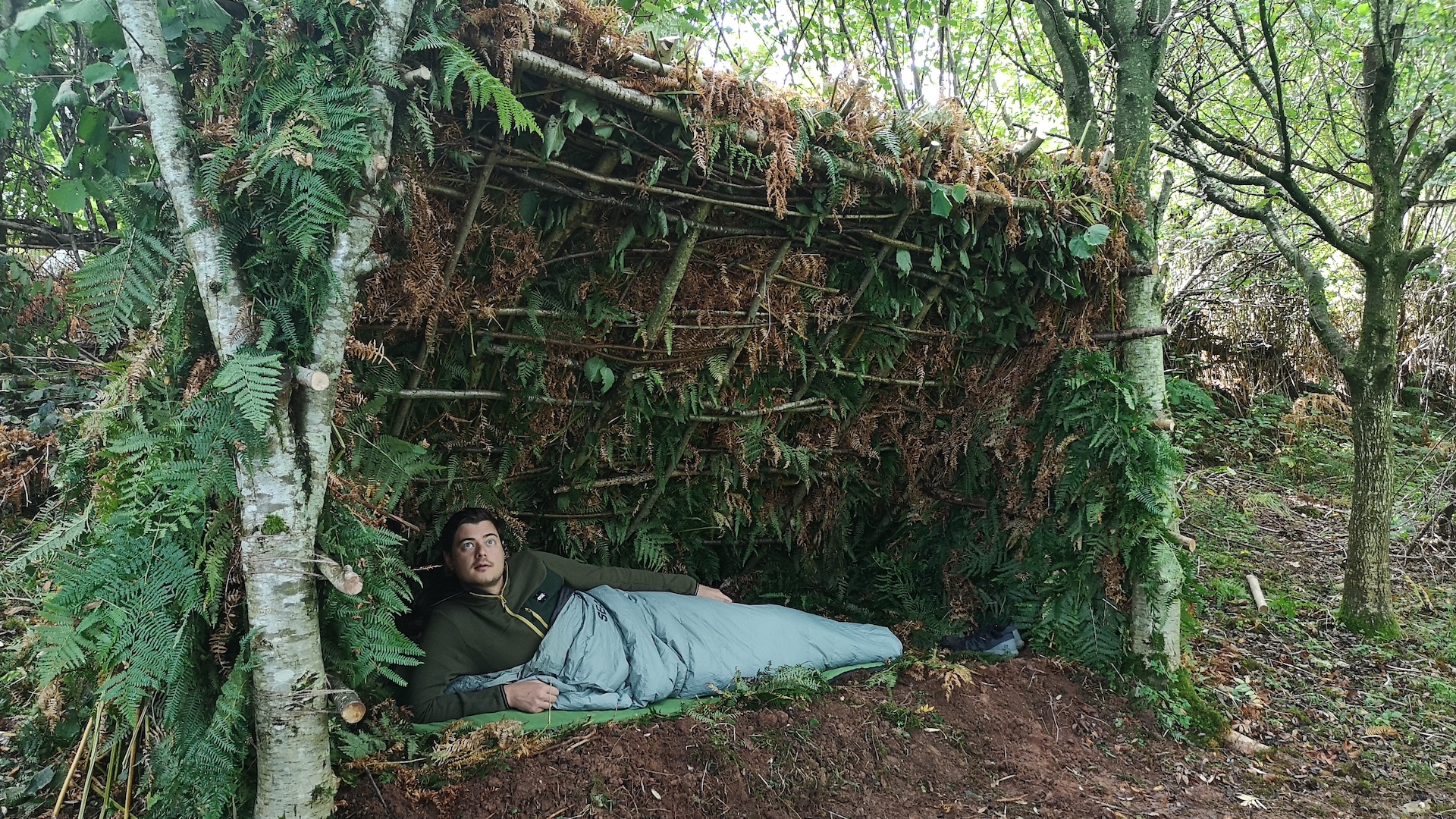
A shelter doesn’t have to be complicated.
The first step is learning how to choose an appropriate location. Terrain, wind, drainage, weather, falling branches, insects, and proximity to water all matter.
A beautiful campsite isn’t necessarily a safe campsite.
Bushcraft teaches you to look at the woods differently. You begin noticing the direction of the wind, natural depressions in the terrain, areas that may collect water, and places that offer natural protection.
Shelter building can also teach valuable lessons about insulation. Staying warm isn’t simply about creating a roof over your head. Keeping yourself dry and protecting yourself from wind and cold are equally important.
At the same time, responsible bushcraft means knowing when not to build something. Leave No Trace principles emphasize that good campsites are generally found rather than made and recommend avoiding unnecessary alteration of natural areas. (National Park Service)
Water: A Skill Every Outdoorsman Should Practice
Water is one of the most important considerations during any extended outdoor trip.
Learning where water is likely to collect requires an understanding of terrain. Valleys, drainage areas, vegetation, and natural depressions can provide clues, but finding water does not automatically make it safe to drink.
Water from streams, lakes, ponds, or other natural sources may contain organisms or contaminants that can make you sick.
That’s why bushcraft should include learning multiple methods of water treatment and carrying an appropriate backup system.
The important lesson is simple:
Find water, but don’t assume it is safe.
Understanding purification methods before you need them is far better than trying to figure them out when you’re already dehydrated.
Guardian Classroom Lockdown Kit | My Survival Outlet
Knots, Cordage, and Campcraft
One of the most underrated bushcraft skills is knowing how to use cordage.
A handful of useful knots can solve dozens of problems around camp. You can secure equipment, organize a shelter, hang gear, create simple camp systems, and make temporary repairs.
Bushcraft also introduces people to traditional skills such as carving, making simple wooden tools, processing natural materials, and constructing basic camp equipment.
These skills aren’t necessarily about creating something beautiful.
They’re about learning how materials behave.
When you carve a piece of wood, split a stick, or tie a shelter line, you’re developing an understanding of the material you’re working with.
That knowledge builds confidence.
Navigation Without Depending on Your Phone
Technology is incredibly useful in the outdoors, but bushcraft encourages you to develop skills that don’t depend entirely on technology.
A map and compass remain fundamental tools.
Learning how to identify terrain features, understand direction, recognize landmarks, and estimate distance can make a tremendous difference when you’re away from roads and established trails.
A phone or GPS can be an excellent backup, but batteries can die and electronics can fail.
Your ability to navigate should not disappear when your battery reaches zero.
Bushcraft Is Also About Observation
Perhaps the most important bushcraft skill isn’t fire building or shelter construction.
It’s observation.
Spend enough time in the woods and you’ll begin noticing things you once ignored.
You start recognizing animal tracks, changes in vegetation, weather patterns, natural trails, different types of wood, and signs of water.
You become more aware of sounds.
You notice how the forest changes from morning to afternoon.
This awareness is what separates simply being in the woods from actually understanding your surroundings.
The Bushcraft Mindset
The biggest lesson bushcraft can teach is that skills create options.
If you know how to make a fire, you have another way to produce heat.
If you understand shelter construction, you have another way to protect yourself from the weather.
If you understand navigation, you have another way to find your way home.
If you understand water treatment, you have more options when your original water supply runs out.
The goal isn’t to prove that you can survive with nothing.
The goal is to become capable enough that you can adapt when circumstances change.
Respect the Woods
Bushcraft comes with a responsibility.
The woods aren’t a warehouse of materials waiting to be harvested.
They are an ecosystem.
Responsible bushcraft means respecting wildlife, avoiding unnecessary damage to living trees and plants, packing out trash, following local regulations, and minimizing the impact of your camp. The Leave No Trace principles specifically encourage outdoor users to plan ahead, travel and camp on durable surfaces, leave natural objects where they are, minimize campfire impacts, and respect wildlife. (U.S. Fish and Wildlife Service)
The best bushcraft campsite shouldn’t look like someone spent three days building a permanent camp.
When you leave, it should look like you were never there.
Start Simple
You don’t need hundreds of dollars in equipment to begin learning bushcraft.
Start with the basics.
Learn to tie several useful knots. Practice navigation. Learn how to safely start a fire using more than one method. Study the trees and plants in your area. Practice setting up your shelter. Learn how to treat water properly.
Most importantly, practice these skills before you need them.
A skill that only exists in your head isn’t much of a skill.
Get outside and use it.
Bushcraft isn’t about becoming a wilderness superhero. It’s about becoming more comfortable, capable, and responsible in the natural world.
The more you learn, the more you realize that the woods have been teaching people these lessons for thousands of years.
All we have to do is slow down, pay attention, and learn.