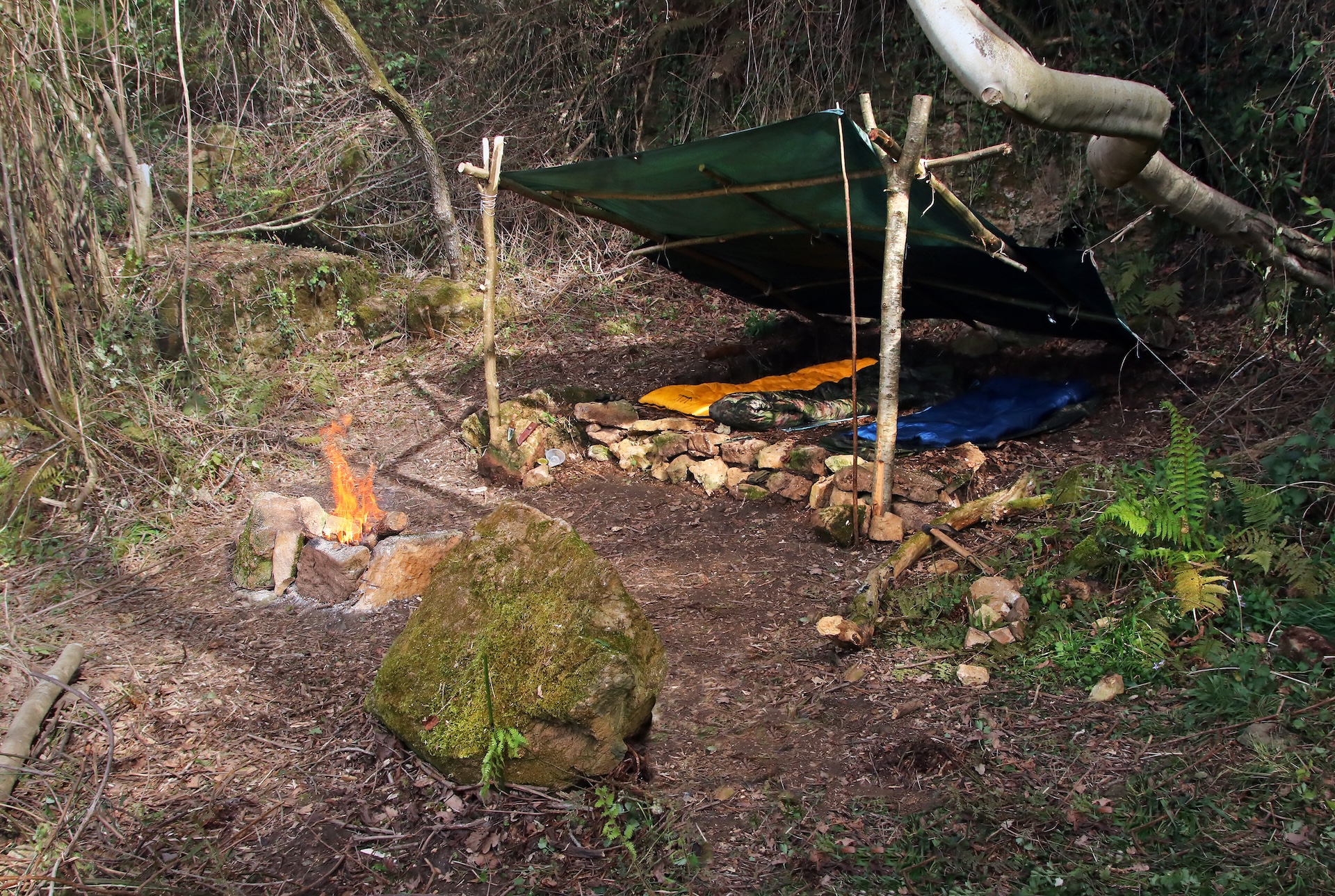


A reliable survival shelter can mean the difference between enduring harsh conditions comfortably and struggling against the elements. I have always valued preparation, especially in environments where weather, terrain, and limited resources can quickly turn a manageable situation into a serious challenge. Building a shelter that lasts is not about throwing together branches and hoping for the best; it requires thoughtful planning, practical skills, and a clear understanding of what makes a structure durable over time.
Assess the Environment and Terrain
Before doing anything else, I take a good look at the surroundings because the environment dictates nearly every decision that follows. The direction of the wind, the slope of the land, and the proximity to water sources all play critical roles in determining where a shelter should stand. Ignoring these factors can result in flooding, exposure to strong winds, or even unsafe ground conditions.
I also pay attention to natural features that can work in my favor. Large rocks, fallen trees, and dense vegetation can provide partial protection and reduce the amount of work required. By positioning the shelter strategically, I can take advantage of these natural barriers while minimizing exposure to the elements.
Gather Durable and Suitable Materials
Material selection is one of the most important steps in building a long-lasting shelter. I prioritize strong, weather-resistant resources such as hardwood branches, thick logs, and sturdy vines or cordage. Weak or brittle materials may be easier to gather, but they compromise the structure’s integrity over time.

In many situations, I collect more materials than I think I will need. Having extra resources allows me to reinforce critical areas and replace any components that may fail later. Natural insulation materials like leaves, grass, and bark are also essential, especially in colder climates where retaining heat becomes a priority.
Lay a Solid Foundation
A strong shelter begins with a stable base, and I never skip this step. I clear the ground of debris, rocks, and vegetation to create an even surface that supports the structure. Uneven ground can lead to instability, especially after prolonged exposure to rain or shifting soil.
If the area is prone to moisture, I elevate the foundation slightly using logs or stones. This helps prevent water from seeping into the shelter and keeps the interior dry. A well-prepared foundation not only improves comfort but also extends the lifespan of the shelter significantly.
Construct a Strong Frame
The frame acts as the backbone of the shelter, so I focus on making it as sturdy as possible. I begin by selecting thick, straight branches or logs that can bear weight without bending or breaking. These are positioned to form the main structure, typically in an A-frame or lean-to design depending on the environment.
I secure each joint tightly using vines, rope, or any available binding material. Loose connections weaken the entire structure, especially during strong winds or heavy rain. Taking the time to reinforce these joints ensures that the shelter remains stable over extended use.
Build Walls That Provide Protection
Walls are more than just barriers; they determine how well the shelter can withstand external conditions. I layer branches closely together to reduce gaps and improve insulation. Larger pieces go on the outside, while smaller materials fill in the spaces to create a tighter seal.
To enhance durability, I often add multiple layers. This not only strengthens the walls but also improves resistance against wind and rain. In colder climates, thicker walls help retain heat, while in warmer areas, proper spacing can allow for better airflow without compromising protection.
Add Effective Insulation
Insulation plays a major role in maintaining a comfortable interior. I gather dry leaves, grass, and other natural materials to create a thick insulating layer within the walls and roof. This helps regulate temperature and protects against both cold and heat.
I also pay attention to the sleeping area inside the shelter. Elevating the ground with additional insulation prevents heat loss and keeps moisture from seeping through. A well-insulated shelter can significantly improve rest and overall endurance in survival situations.
Construct a Weather-Resistant Roof
The roof is the shelter’s first line of defense against rain, snow, and direct sunlight. I design it with a steep angle so water can easily run off instead of pooling on top. Flat roofs tend to collect moisture, which can weaken the structure over time.
Layering is key when building a roof that lasts. I start with sturdy branches as a base and add layers of leaves, bark, or other waterproof materials. Overlapping each layer ensures that water is directed away from the interior, keeping the shelter dry even during heavy rainfall.
Secure the Shelter Against Wind
Wind can quickly damage or even destroy a poorly constructed shelter. I reinforce the structure by anchoring it to the ground using stakes or heavy logs. This adds stability and prevents the shelter from shifting during strong gusts.
Positioning also makes a difference. I try to orient the shelter so that the smallest side faces the prevailing wind, reducing the impact. Adding extra layers on the windward side further strengthens the structure and improves overall durability.
Create a Functional Entrance
The entrance of the shelter should provide easy access while minimizing exposure to the elements. I keep it small enough to retain heat but large enough to move in and out comfortably. A well-designed entrance helps maintain internal conditions without compromising convenience.
Whenever possible, I add a simple door or covering using branches or fabric. This provides additional protection against wind and rain. It also offers a sense of security, especially in environments where wildlife may be present.
Improve Drainage Around the Shelter
Water management is essential for long-term shelter durability. I dig shallow trenches around the structure to direct rainwater away from the foundation. This prevents flooding and reduces the risk of structural damage caused by prolonged moisture exposure.
I also ensure that the shelter is not built in a low-lying area where water naturally collects. Even a well-built structure can fail if it is constantly exposed to standing water. Proper drainage extends the life of the shelter and keeps the interior dry and comfortable.
Maintain and Reinforce Regularly
A long-lasting shelter requires ongoing maintenance. I make it a habit to inspect the structure regularly, checking for weak points or damaged materials. Addressing small issues early prevents them from becoming larger problems later.
Replacing worn-out materials and reinforcing critical areas ensures that the shelter remains strong over time. Weather conditions can change quickly, so staying proactive is essential. Consistent maintenance keeps the shelter reliable in a variety of situations.
Adapt the Design to Different Conditions
No single shelter design works perfectly in every environment. I adjust the structure based on factors such as climate, available materials, and intended duration of use. Flexibility allows me to build a shelter that meets specific needs rather than relying on a one-size-fits-all approach.
In colder regions, I focus on insulation and heat retention, while in warmer climates, ventilation becomes more important. Adapting the design ensures that the shelter remains functional and comfortable regardless of the conditions.
Final Thoughts
Building a long-lasting survival shelter is a process that combines careful planning, practical skills, and attention to detail. Each step contributes to the overall strength and durability of the structure, from selecting the right location to maintaining it over time. Skipping any part of the process can compromise the shelter’s effectiveness and shorten its lifespan.
I have found that patience and consistency make a significant difference in the outcome. Taking the time to build properly, reinforce weak points, and adapt to changing conditions results in a shelter that can withstand the challenges of the environment. With the right approach, it becomes more than just a temporary refuge and turns into a dependable space that offers protection, comfort, and peace of mind.