Stepping into the outdoors with the intention of relying on your own skills changes the way you see everything around you. Trees stop being just scenery and start becoming resources, the ground beneath your feet becomes a source of materials, and even the weather turns into something you actively work with instead of against. Bushcraft is not about extreme survival scenarios but about developing practical, reliable skills that allow you to feel capable and grounded in nature. The first set of skills I focused on gave me confidence, and over time, they became second nature, forming the foundation for everything else I learned.
Fire Craft Basics
Fire is one of the most important bushcraft skills because it provides warmth, safety, and the ability to cook food and purify water. I quickly realized that starting a fire is not just about having a lighter or matches, but about knowing how to build and sustain it in different conditions. Gathering the right materials matters just as much as the ignition source, and I learned to identify tinder, kindling, and fuel wood with care.
Dry tinder is essential, and I often look for materials like bark shavings, dry grass, or even cotton carried in my kit. Building the structure of the fire properly helps it catch and grow steadily, especially in windy or damp environments. I found that patience plays a huge role, and rushing the process usually leads to frustration rather than success.
Practicing different fire-starting methods, such as ferro rods or even primitive techniques, adds versatility. There is something deeply satisfying about creating fire from scratch, and it builds confidence that carries over into other bushcraft skills. The more I practiced, the more I understood how fire behaves and how to manage it safely.

Shelter Building Techniques
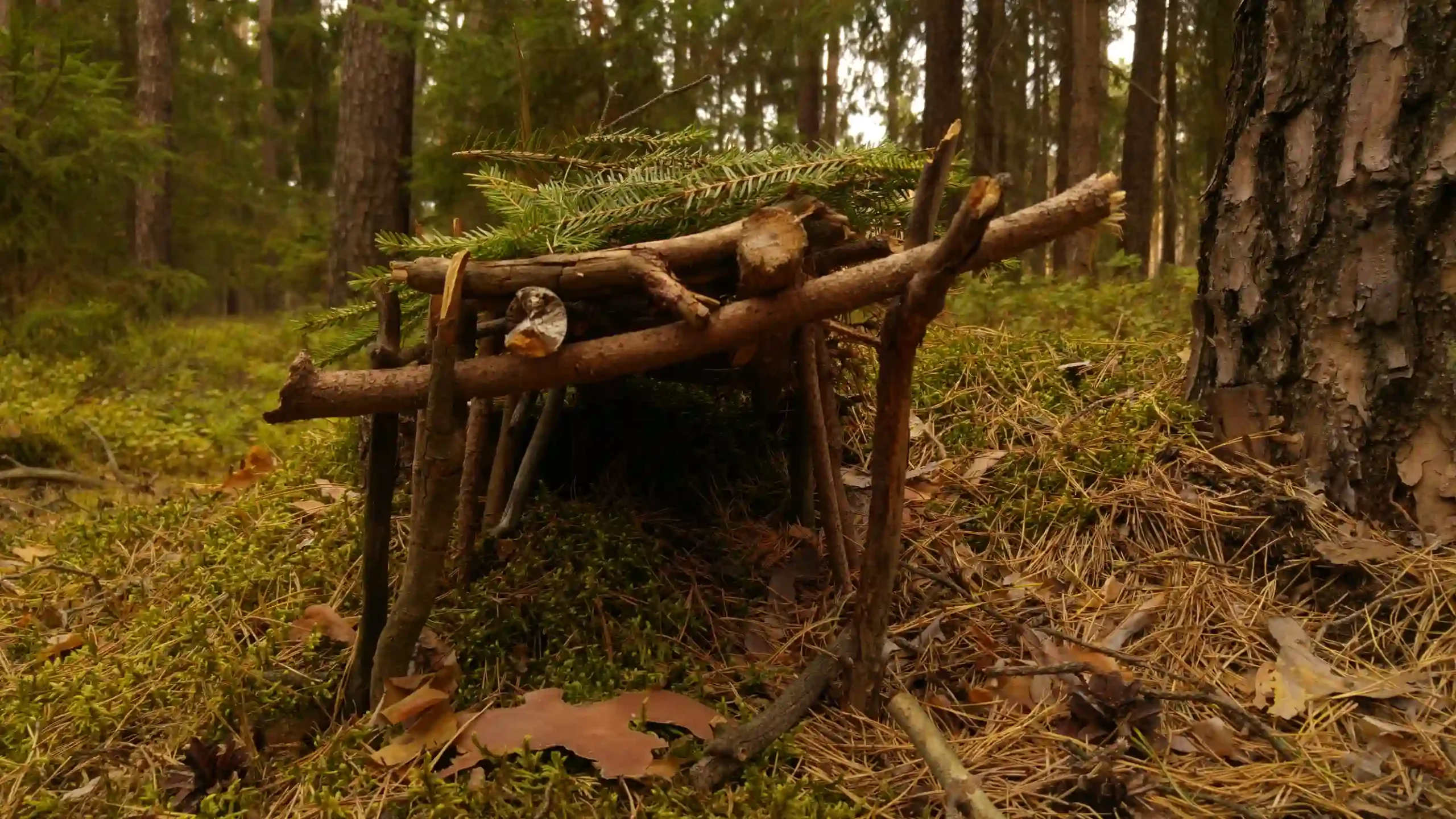
A good shelter protects you from rain, wind, and cold, and it can make the difference between comfort and misery outdoors. I learned early on that a shelter does not need to be complex to be effective. Even a simple lean-to, built with branches and natural materials, can provide enough protection when placed correctly.
Location matters more than people often think, and I pay attention to wind direction, ground conditions, and nearby resources. Choosing a slightly elevated area helps avoid water pooling, while nearby trees provide structure and materials. I also make sure to avoid hazards like dead branches overhead that could fall.
Layering materials is key to insulation and waterproofing. I use leaves, grass, or pine needles to create a thick barrier against the elements. Over time, I realized that a well-built shelter is not just about protection but also about conserving energy, allowing me to rest and recover properly.
Water Sourcing And Purification
Water is a constant priority in the outdoors, and I learned to never assume I will always have access to clean sources. Finding water often involves observing the environment, such as looking for low-lying areas, animal tracks, or certain types of vegetation that indicate moisture nearby. Streams and rivers are ideal, but they are not always available.
Once I locate water, purification becomes essential. Boiling is the most reliable method, and I always make sure to bring the water to a rolling boil for safety. Carrying a simple filtration system or purification tablets adds another layer of security, especially when time or fuel is limited.
I also learned to collect rainwater whenever possible, using tarps or containers to catch it. This reduces the need to search for sources and ensures a cleaner supply. Being mindful of water usage helps conserve energy and keeps me prepared for longer stays outdoors.
Knife Skills And Safety
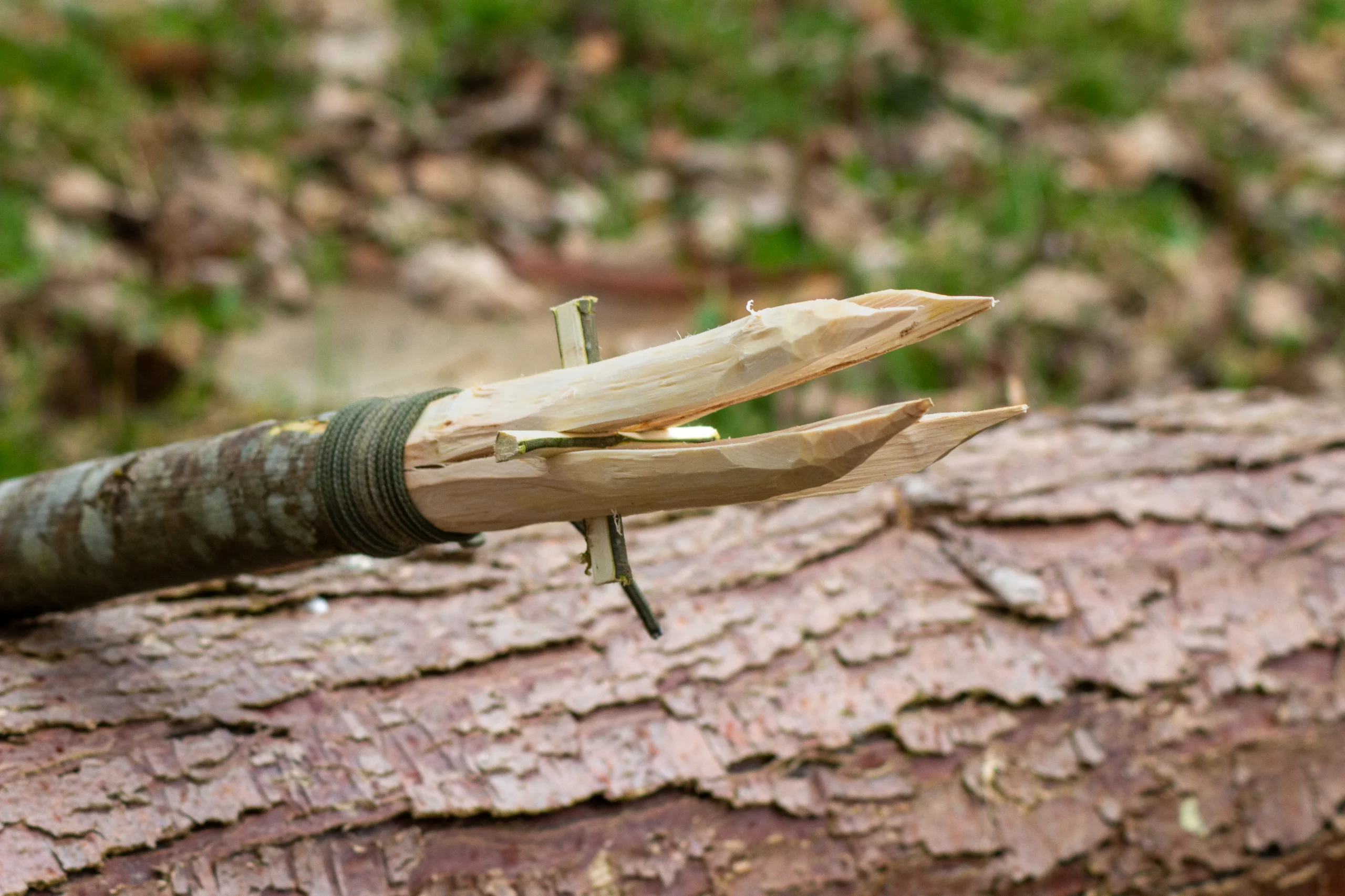
A knife is one of the most versatile tools in bushcraft, and knowing how to use it properly is essential. I treat my knife with respect because it can be both incredibly useful and dangerous if handled carelessly. Basic techniques like carving, splitting wood, and preparing materials become easier with practice.
Maintaining a sharp blade is just as important as using it. A dull knife requires more force, which increases the risk of accidents. I make it a habit to keep my knife clean and sharpened, ensuring it performs well when needed.
Safety is always a priority, and I pay attention to my hand placement and surroundings while working. Taking the time to learn proper techniques not only prevents injuries but also improves efficiency. Over time, the knife becomes an extension of your hand, making many bushcraft tasks more manageable.
Navigation Without Technology
Relying solely on GPS or mobile devices can be risky, especially in remote areas where signals are unreliable. I learned to navigate using a map and compass, which provides a dependable way to find direction. Understanding how to read terrain features and orient myself became an essential skill.
Natural navigation methods also come in handy when tools are unavailable. Observing the position of the sun, the direction of shadows, and even the growth patterns of moss can offer clues about direction. These methods are not always precise, but they can help keep me on track.
Practicing navigation skills builds confidence and reduces the chances of getting lost. I make it a point to familiarize myself with an area before exploring deeper into it. Knowing how to find my way back gives me the freedom to venture further without unnecessary worry.
Foraging And Food Awareness
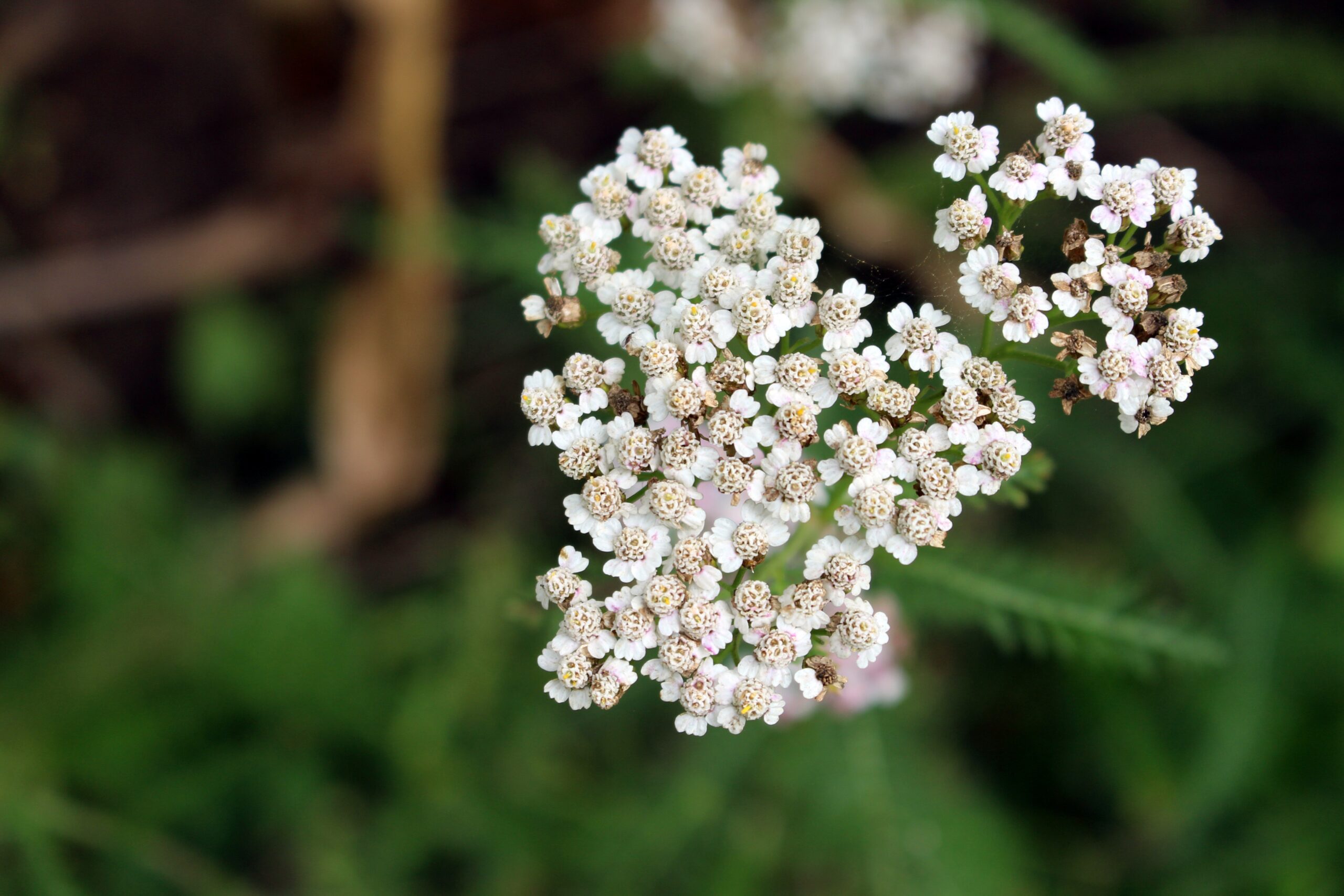
Food is not always a priority on short trips, but learning about edible plants and natural food sources adds another layer of self-reliance. I started by identifying a few common, safe plants and gradually expanded my knowledge. It is important to be cautious and avoid consuming anything unless I am absolutely certain it is safe.
Observation plays a big role in foraging, and I pay attention to seasonal changes and local ecosystems. Different plants become available at different times, and understanding these patterns helps me find food more efficiently. I also consider sustainability, taking only what I need and leaving enough for the environment to recover.
Fishing and trapping can also provide food, but they require additional skills and knowledge. Even basic techniques can be useful, but they should always be practiced responsibly and in accordance with local regulations. Over time, I developed a deeper appreciation for the resources around me and the effort required to obtain food.
Cordage And Knot Tying
Cordage is incredibly useful in bushcraft, and knowing how to tie reliable knots can make many tasks easier. I learned a few essential knots that serve multiple purposes, such as securing shelters, setting up tarps, and fastening gear. These knots become second nature with practice and can be adapted to different situations.
Natural cordage can also be made from plant fibers, which adds another level of resourcefulness. While it takes time and effort, creating cordage from scratch is a valuable skill that can be used when modern materials are unavailable. It also deepens the connection to the environment by using what is readily available.
Strong knots and reliable cordage provide stability and security in various setups. Whether building a shelter or hanging food out of reach of animals, these skills prove their worth repeatedly. I found that mastering a few key knots is far more effective than trying to learn too many at once.
Camp Setup And Organization
Setting up camp efficiently makes a big difference in comfort and safety. I focus on creating a layout that keeps essential items within reach while maintaining a clean and organized space. This reduces the chances of losing gear and helps me stay prepared for changing conditions.
Placing the fire, shelter, and cooking area in practical locations improves workflow and safety. I make sure the fire is a safe distance from the shelter and that there is enough space to move around comfortably. Keeping tools and supplies organized also saves time and energy.
Maintaining a tidy camp not only improves efficiency but also minimizes impact on the environment. Packing out waste and leaving the area as I found it is part of responsible bushcraft. Over time, good habits in camp setup become automatic, making each trip more enjoyable.
Weather Awareness And Adaptation
Weather can change quickly, and being prepared for those changes is essential. I learned to observe signs in the environment, such as cloud formations, wind patterns, and temperature shifts. These indicators often provide early warnings of incoming weather.
Adapting to conditions involves adjusting clothing, shelter, and activity levels. Staying dry and warm is a priority, especially in colder climates. I make sure to have layers that can be added or removed as needed, allowing me to regulate my body temperature effectively.
Planning ahead based on weather forecasts also helps, but I never rely on them completely. Conditions in the outdoors can be unpredictable, and being ready to adapt ensures I can handle unexpected situations. This awareness adds another layer of confidence and safety.
Mindset And Patience
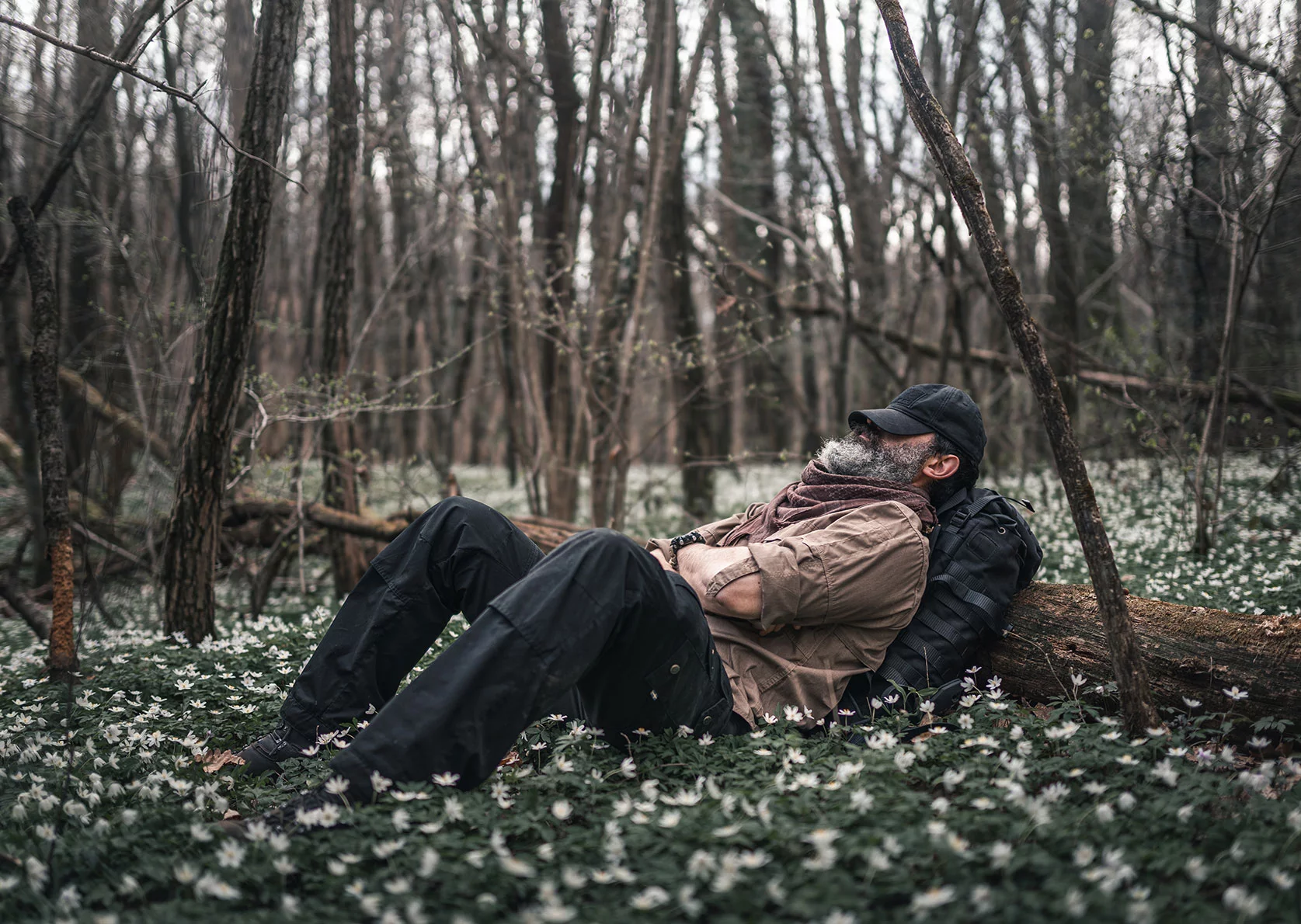
Bushcraft is as much about mindset as it is about physical skills. Patience and adaptability are essential, especially when things do not go as planned. I learned to slow down, observe my surroundings, and think through problems rather than reacting impulsively.
Mistakes are part of the process, and each one offers an opportunity to improve. Instead of getting frustrated, I focus on what I can learn and how to do better next time. This approach turns challenges into valuable experiences.
Spending time in nature also brings a sense of calm and clarity. The more I practiced bushcraft, the more I appreciated the simplicity and rhythm of outdoor living. Developing the right mindset makes all the difference and ties all the other skills together.
Final Thoughts
Building a strong foundation in bushcraft starts with mastering these essential skills, and each one supports the others in meaningful ways. Fire, shelter, water, tools, and awareness all work together to create a system of self-reliance that grows with experience. Taking the time to practice and refine these skills not only improves capability but also deepens the connection to the natural world.