
Fire has always felt like a quiet companion in the wild, one that demands patience, respect, and a steady hand. The process of coaxing a flame from raw materials carries a rhythm that connects instinct with skill. Each spark carries intention, and each flame tells a story shaped by effort and persistence. Time spent mastering firecraft reveals not just how to make fire, but how to listen to the environment and respond with precision. The smallest details often matter most, and success rarely comes from rushing.
Building The Right Mindset Before The First Spark
Calm focus shapes the entire experience of firecraft. Rushing through the steps or skipping preparation often leads to frustration and wasted energy. Taking a moment to observe the surroundings helps identify materials that will work best and conditions that may affect the process. Wind direction, moisture levels, and available resources all play a role in how a fire will behave.
Patience becomes the foundation of every successful attempt. Fire is not forced into existence but encouraged through careful action. Each step builds on the previous one, and missing even a small detail can interrupt the entire process. A steady mindset allows adjustments to happen naturally without panic.
Confidence grows with repetition, but humility keeps mistakes in check. Even experienced hands face challenges when conditions shift. Accepting that each fire is different allows room for improvement and deeper awareness. That awareness becomes one of the most valuable tools in any outdoor setting.

Gathering Materials With Purpose
Every fire begins long before the first spark appears. The search for materials requires attention to detail and a clear plan. Dryness matters more than appearance, and even wood that looks suitable can hold hidden moisture. Breaking small pieces reveals their true condition and prevents wasted effort later.
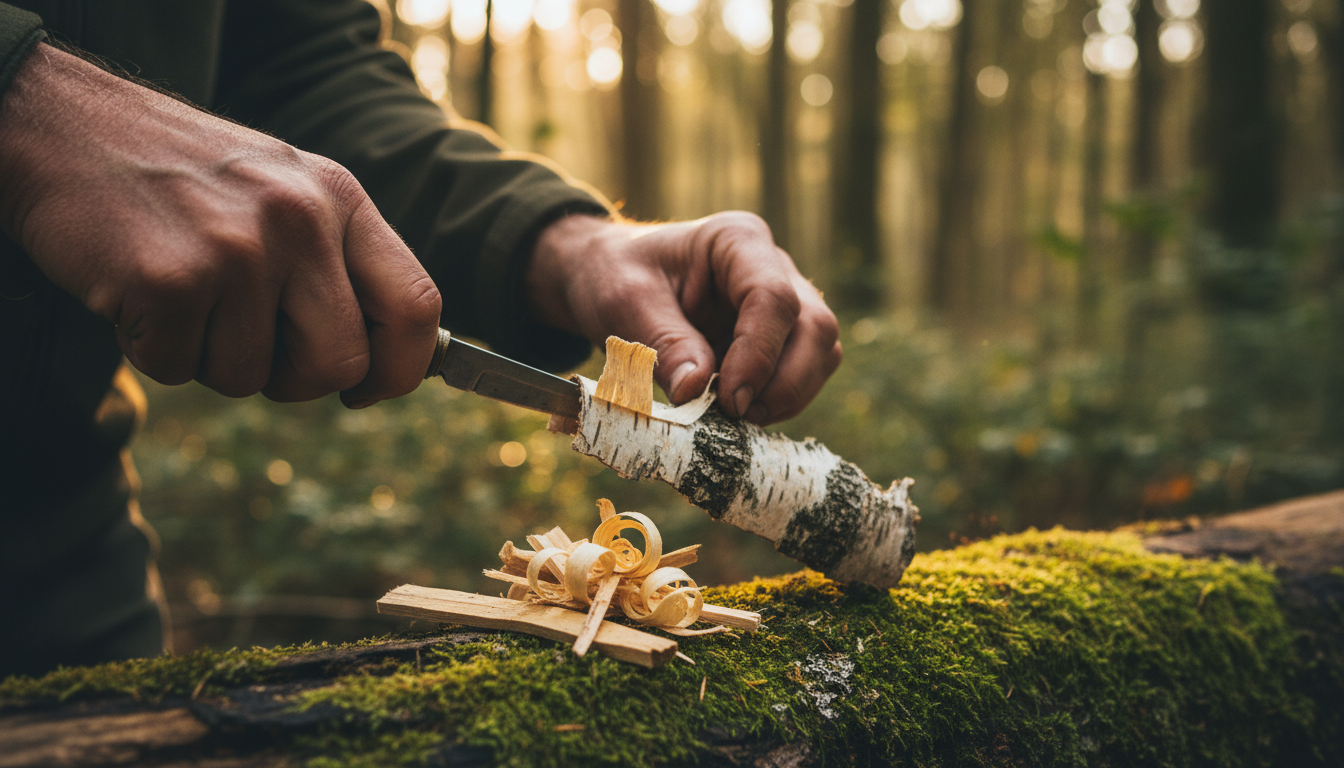
Tinder acts as the heart of the fire’s beginning. Fine, dry, and easily ignitable materials such as shredded bark, dry grass, or plant fibers provide the initial fuel. Without proper tinder, even the strongest spark will fade without effect. Preparing more tinder than needed creates a safety margin that often proves essential.
Kindling follows as the bridge between fragile flame and sustained fire. Small twigs and thin sticks allow the fire to grow steadily without overwhelming it. Gradually increasing the size of fuel ensures that the flame remains strong rather than suffocated. Each layer must be added with care, allowing the fire to build naturally.
Preparing The Fire Lay With Precision
Structure determines how well a fire develops once ignited. A poorly arranged fire lay can choke airflow and extinguish the flame before it has a chance to grow. Creating space for oxygen to circulate supports combustion and strengthens the fire from its earliest stage. Even small adjustments in placement can make a significant difference.
Different fire lays serve different purposes, and selecting the right one depends on the goal. A teepee structure encourages quick ignition and strong upward flames, making it ideal for starting fires. A log cabin arrangement provides stability and longer burn times, which suits cooking or extended warmth. Each design offers unique advantages that become clear through practice.
Balance remains essential in every structure. Too much fuel added too quickly can smother the flame, while too little may fail to sustain it. The goal is to create a system where each piece supports the next. Watching how the fire responds guides the next move, turning the process into a quiet conversation between flame and fuel.
Creating A Reliable Spark
Generating a spark requires both technique and consistency. Tools such as ferro rods, flint and steel, or even friction-based methods each demand a slightly different approach. The key lies in controlling movement and directing energy precisely where it is needed. A scattered spark rarely produces results, but a focused one has the potential to ignite even the smallest tinder bundle.
Angle and pressure play critical roles in spark creation. Striking too hard can scatter sparks away from the target, while too soft a motion may fail to produce enough heat. Finding the balance comes through repeated attempts and careful observation. Each strike offers feedback that guides improvement.
Positioning the tinder correctly ensures that sparks land where they can do the most work. Nestling the tinder in a stable position prevents it from shifting during the process. Hands must remain steady, and movements deliberate, allowing the spark to connect with the material in a meaningful way. Precision often makes the difference between success and repeated failure.
Nurturing The First Flame
The moment a spark catches and a faint glow appears marks a critical transition. That small ember requires immediate attention but gentle handling. Blowing too hard can extinguish it, while too little air may cause it to fade. Controlled breaths feed the ember just enough oxygen to encourage growth.
Watching the ember expand into a flame creates a sense of progression that rewards patience. The tinder begins to transform, and the fire starts to take shape. This stage demands focus, as the flame remains fragile and easily lost. Supporting it with small additions of kindling helps stabilize its growth.
Hands must remain ready to adjust as the flame strengthens. Adding fuel gradually allows the fire to build confidence without being overwhelmed. Each new piece of kindling should catch before introducing larger materials. This careful progression ensures that the fire develops into a reliable source of heat and light.
Managing Airflow And Heat
Airflow acts as the invisible force that sustains every fire. Without proper oxygen, even the strongest flame will struggle to survive. Positioning materials to allow air to move freely keeps the fire active and responsive. Small gaps between pieces create pathways that support combustion.
Heat builds as the fire grows, and managing it becomes essential. Too much heat concentrated in one area can consume fuel too quickly, while too little may fail to maintain the flame. Adjusting the arrangement of wood helps distribute heat more evenly. This balance extends the life of the fire and improves its efficiency.
Observation remains the most valuable skill during this stage. Watching how the fire reacts to changes provides insight into its needs. Flames that flicker weakly may require more oxygen, while overly aggressive flames may need spacing adjustments. Each response guides the next decision, creating a dynamic process that evolves over time.
Adapting To Weather And Environment
Conditions in the wild rarely remain consistent. Wind, humidity, and temperature all influence how a fire behaves. Adapting to these changes requires flexibility and awareness. Ignoring environmental factors often leads to unnecessary challenges.
Wind can either support or hinder a fire depending on its intensity and direction. A gentle breeze may help feed oxygen into the flame, while strong gusts can scatter sparks or extinguish the fire entirely. Positioning the fire with natural windbreaks or creating barriers improves stability.
Moisture presents another challenge that demands preparation. Damp materials require extra effort to ignite and sustain. Seeking sheltered areas and using dry inner wood from split branches increases the chances of success. Adjusting techniques to match the environment ensures that the fire remains dependable regardless of conditions.
Maintaining A Sustainable Flame
Once the fire is established, maintaining it becomes an ongoing responsibility. Feeding the fire at the right pace prevents it from burning out or becoming uncontrollable. Consistency matters more than quantity, and small, regular additions often work better than large, infrequent ones.
Monitoring the fire ensures that it remains within safe limits. Flames that grow too large can become hazardous, especially in dry environments. Adjusting fuel and spacing helps keep the fire manageable. Awareness of surroundings reduces the risk of unintended spread.
A well-maintained fire provides more than warmth. It offers a sense of stability and comfort in unpredictable settings. The steady glow and consistent heat become reliable companions, reinforcing the importance of careful attention and respect for the process.
Using Fire With Purpose
Fire serves many roles beyond its initial creation. Cooking, signaling, and providing warmth all depend on how the fire is managed. Each purpose requires slight adjustments in structure and fuel selection. Recognizing these differences enhances efficiency and effectiveness.
Cooking over a fire demands controlled heat and steady flames. Arranging coals rather than relying on open flames creates a more consistent cooking surface. Managing the fire to produce usable coals requires patience but rewards with better results.
For signaling, visibility becomes the priority. Producing smoke through specific materials increases the chances of being seen from a distance. Adjusting the fire to meet these needs demonstrates the versatility of firecraft. Each use reinforces the value of mastering the fundamentals.
Respecting Fire And Leaving No Trace
Fire carries both power and responsibility. Leaving a fire unattended or improperly extinguished can lead to serious consequences. Ensuring that the fire is fully out before leaving the area protects both the environment and future visitors. Dousing with water and stirring ashes eliminates hidden embers.
Respect for the surroundings shapes every decision related to firecraft. Selecting safe locations away from flammable materials reduces risk. Using existing fire pits when available minimizes impact on the landscape. These practices preserve the natural environment while allowing continued use.
The final moments with a fire often carry a quiet reflection. Watching the last embers fade serves as a reminder of the effort that brought it to life. That same care must guide its end, completing the cycle with intention and responsibility.
Growth Through Practice And Experience
Skill in firecraft develops through repeated practice and observation. Each attempt offers new insights, even when the outcome falls short of expectations. Mistakes become valuable lessons that refine technique and deepen understanding. Progress comes from persistence rather than perfection.
Experience builds confidence, but curiosity keeps improvement alive. Trying different methods and materials expands knowledge and adaptability. Each environment presents unique challenges that test and strengthen skills. Embracing those challenges turns firecraft into a continuous journey.
The connection formed through firecraft extends beyond the act itself. It fosters awareness, patience, and respect for natural elements. That connection remains long after the flames have disappeared, shaping how future fires are approached and mastered.