
Access to clean water is something many people take for granted, yet it becomes incredibly important the moment it is no longer readily available. Whether facing an outdoor adventure, a natural disaster, or simply trying to live more sustainably, knowing how to purify water using natural methods can make a significant difference. I have spent time exploring practical, low-tech ways to make water safer to drink, and these methods rely on simple materials that are often easy to find in nature. The process does not have to be complicated, but it does require patience, awareness, and a bit of resourcefulness.
Why Natural Water Purification Matters
Natural water purification methods provide a reliable backup when modern filtration systems are unavailable. In remote locations or emergency situations, access to electricity or advanced tools may be limited, making natural techniques essential. I have found that these methods are not only useful but also empowering, as they allow anyone to take control of their water safety without relying on expensive equipment.
Another reason these methods matter is sustainability. Many commercial filters use plastic components or require replacement parts, which can contribute to waste over time. Natural purification, on the other hand, often uses materials like sand, charcoal, and sunlight, all of which are environmentally friendly and widely accessible. This approach aligns well with a more conscious and eco-friendly lifestyle.
Boiling Water For Safety
Boiling is one of the oldest and most reliable ways to purify water. I turn to this method whenever I have access to a heat source because it effectively kills bacteria, viruses, and parasites. Bringing water to a rolling boil for at least one minute is usually enough, although at higher altitudes, I extend the time to around three minutes to ensure safety.

The simplicity of boiling makes it a dependable choice. All that is needed is a container and a source of heat, such as a fire or stove. While it does not remove sediments or chemical contaminants, it significantly reduces biological risks, which are often the most immediate concern in untreated water.
Using Sand And Gravel Filtration
Filtering water through layers of sand and gravel is another method I often rely on, especially when dealing with visibly dirty water. This process helps remove larger particles, debris, and some impurities. I typically create a simple filter by layering gravel at the bottom, followed by coarse sand, and then fine sand at the top.
As water passes through these layers, the particles get trapped, resulting in clearer water. While this method improves the appearance and removes some contaminants, it does not eliminate harmful microorganisms completely. For that reason, I usually combine it with another purification step like boiling or solar treatment.
Activated Charcoal For Better Filtration
Charcoal plays a powerful role in improving water quality. I often use charcoal from a fire, crushing it into small pieces and adding it as a layer in my filtration system. Charcoal is effective at absorbing toxins, odors, and some chemicals, making the water taste and smell better.
This method becomes even more effective when combined with sand and gravel. The charcoal layer works alongside the other materials to trap smaller impurities that might otherwise pass through. It is a simple yet highly effective addition that enhances the overall filtration process.
Solar Water Disinfection
Sunlight can be surprisingly effective in purifying water. I use solar disinfection, also known as SODIS, by filling clear plastic bottles with water and placing them under direct sunlight for several hours. The ultraviolet rays help kill bacteria and viruses, making the water safer to drink.
This method works best in areas with strong sunlight and requires minimal effort once set up. I make sure the water is not too cloudy before using this technique, as heavy sediment can reduce its effectiveness. It is a convenient option when fire or fuel is not available, especially during long outdoor stays.
Using Plants For Water Purification
Certain plants have natural properties that can help purify water. I have experimented with seeds like moringa, which can act as a natural coagulant. When crushed and added to water, these seeds help bind particles together, causing them to settle at the bottom.
This process clarifies the water and removes some impurities, although it does not fully disinfect it. I still follow up with boiling or solar treatment for better safety. Using plants adds another layer of versatility to natural purification methods, especially in regions where such resources are abundant.
Cloth Filtration As A First Step
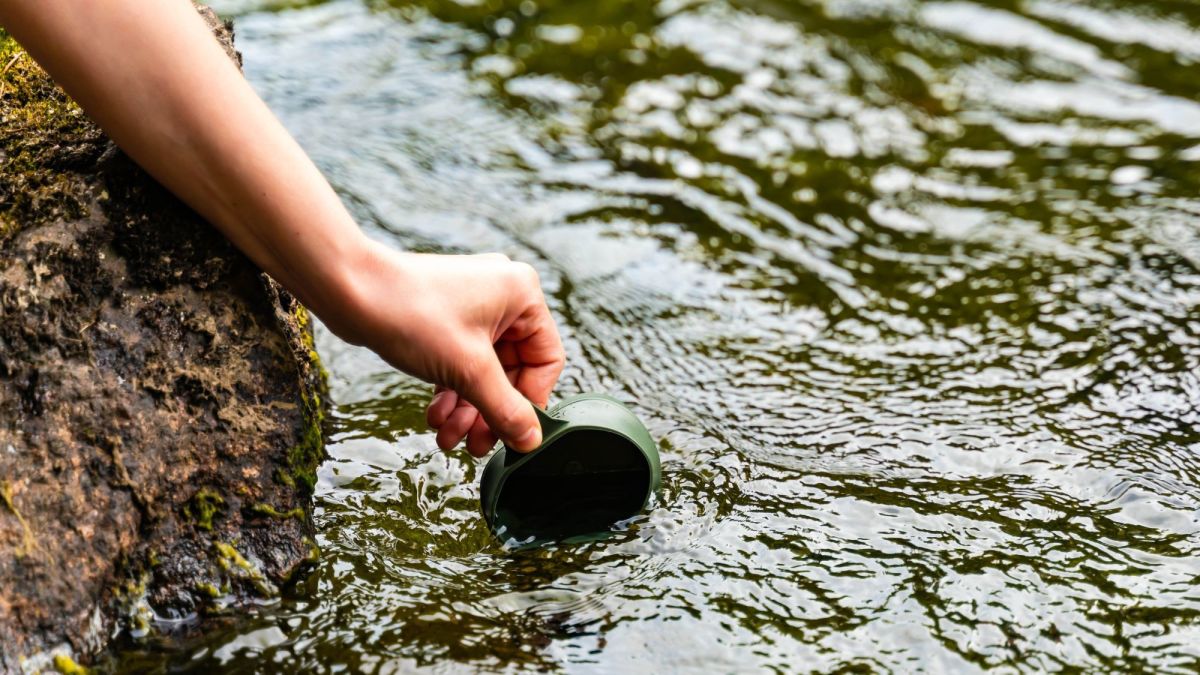
Cloth filtration is often the first thing I do when collecting water from a natural source. By pouring water through a clean cloth, I can remove large debris, insects, and visible dirt. It is a simple step, but it significantly improves the effectiveness of other purification methods that follow.
I usually fold the cloth multiple times to create a thicker filter. This technique is quick, easy, and requires no special tools. While it does not make water safe on its own, it prepares the water for further treatment and reduces the overall contamination level.
Combining Methods For Better Results
Relying on a single method is not always enough to ensure safe drinking water. I have learned that combining multiple techniques produces better results. For example, filtering water through sand and charcoal before boiling it creates a more thorough purification process.
Each method targets different types of contaminants, so using them together increases overall effectiveness. This layered approach provides greater confidence in the safety of the water. It also allows flexibility depending on the resources available at the time.
Recognizing Unsafe Water Sources
Not all water sources are equal, and knowing what to avoid is just as important as knowing how to purify. I pay close attention to signs of contamination, such as unusual color, strong odors, or proximity to industrial areas. Stagnant water is often more dangerous than flowing sources, as it can harbor more bacteria and parasites.
Even clear-looking water can be unsafe, so I never rely on appearance alone. Taking the time to assess the source helps reduce risks before the purification process even begins. This awareness becomes especially valuable in unfamiliar environments.
Storing Purified Water Safely
Once water has been purified, proper storage becomes essential. I always use clean, covered containers to prevent recontamination. Keeping the water in a cool, shaded area helps maintain its quality for a longer period.
Handling is just as important as storage. I avoid touching the inside of containers or dipping unclean objects into the water. These small habits make a significant difference in preserving the safety of purified water.
Final Thoughts On Natural Water Purification
Natural methods of water purification offer practical and reliable solutions in situations where modern systems are not available. Through experience, I have come to appreciate how simple materials and techniques can provide life-saving results. These methods require patience and care, but they are accessible to almost anyone willing to learn and apply them.
The key lies in combining different approaches and staying mindful of the water source and storage practices. With the right knowledge and a bit of preparation, it becomes possible to turn even questionable water into something much safer to drink.