
By Survival Boys Editorial Team
In the wilderness, animals leave clues everywhere. A bent blade of grass, a fresh footprint in mud, broken branches, scattered feathers, or a trail through the leaves can all tell a story to someone who knows how to read the signs.
Animal tracking is one of the oldest survival skills in human history. Long before modern technology existed, hunters, explorers, and indigenous tribes relied on tracking to find food, avoid danger, and understand their environment. Even today, tracking remains one of the most valuable outdoor skills for survivalists, hikers, hunters, and wilderness enthusiasts.
Tracking is more than simply following footprints. It is the ability to observe nature carefully, interpret movement, and understand animal behavior. The better your tracking skills become, the more connected you feel to the natural world.

Whether you want to improve your wilderness awareness, learn survival skills, or simply become more observant outdoors, animal tracking is an incredible skill worth mastering.
Why Animal Tracking Matters in Survival
In a survival situation, tracking can provide critical information that may help save your life.
Tracking can help you:
- Locate potential food sources
- Identify dangerous animals nearby
- Find water sources
- Navigate wilderness terrain
- Detect human activity
- Understand weather patterns and movement
Animals naturally travel toward water, shelter, and food. By following their signs, you may discover important survival resources.
Tracking also sharpens observation skills. Many people walk through the woods without noticing what is happening around them. A tracker learns to slow down, observe details, and read the environment carefully.
This heightened awareness becomes valuable in almost every outdoor situation.
Understanding Animal Sign
Animal tracking involves much more than footprints alone. Experienced trackers study all forms of animal sign.
These clues can include:
- Tracks
- Scat (droppings)
- Fur or feathers
- Scratches on trees
- Broken vegetation
- Feeding areas
- Burrows or nests
- Trails and pathways
- Sounds and smells
Every sign helps build a larger picture of what happened in the area.
A single footprint may tell you an animal passed through. Multiple signs together can reveal:
- The species
- Size of the animal
- Direction of travel
- Speed of movement
- Time since passing
- Behavior and activity
Tracking is like solving a mystery using clues left behind in nature.
The Basics of Reading Tracks
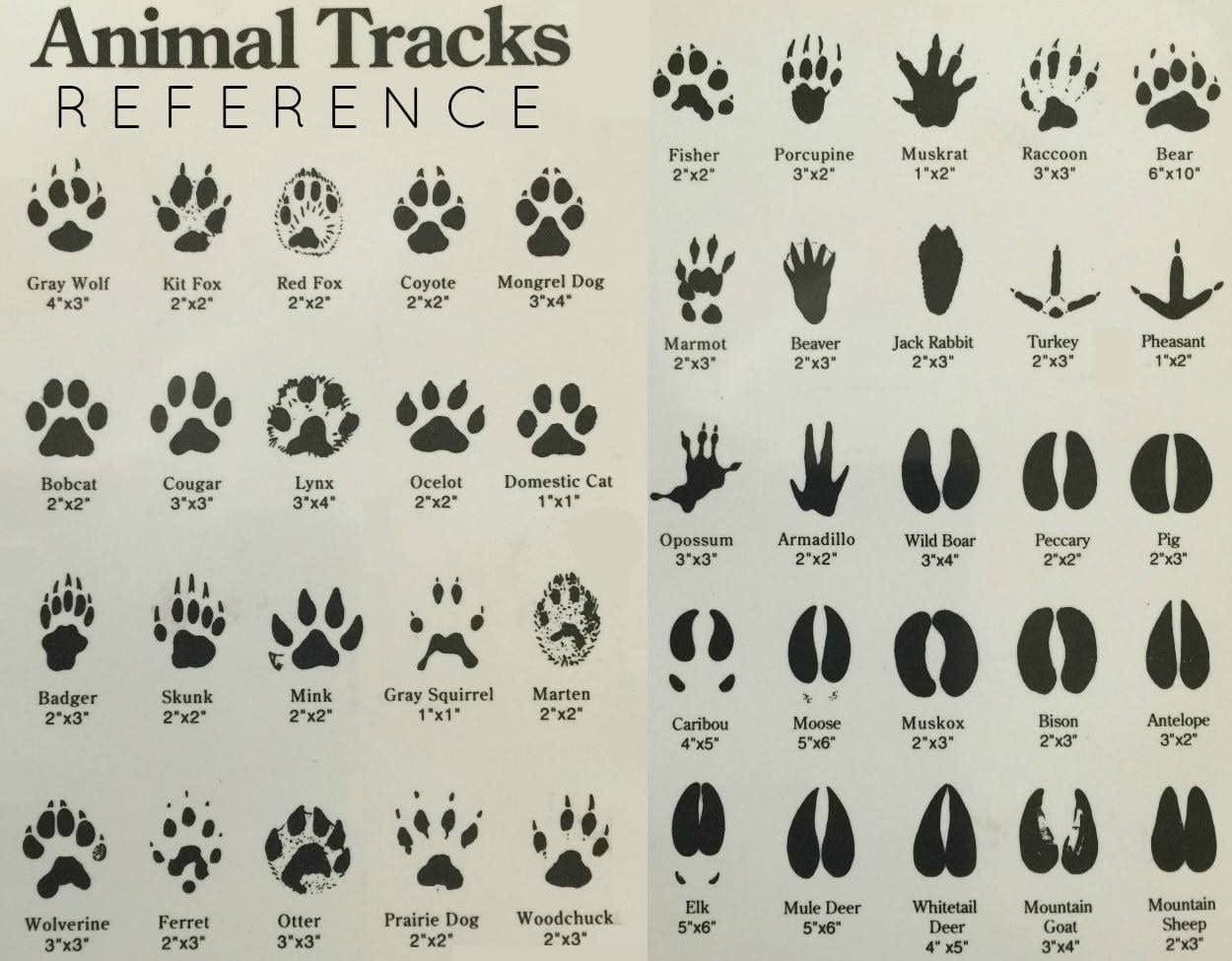
Tracks are often the first thing beginners notice. Learning to identify footprints is the foundation of animal tracking.
When studying tracks, pay attention to several important details.
Shape
Track shape helps identify the species.
For example:
- Deer tracks are split-hoofed
- Canine tracks are oval-shaped
- Feline tracks appear rounder
- Bird tracks often show three forward toes
Different animals leave very distinct patterns once you know what to look for.
Size
Track size can reveal:
- Age
- Approximate weight
- Species type
A large bear track tells a very different story from a raccoon footprint.
Measuring track width and length is helpful when comparing field guide references.
Depth
The depth of a track may indicate:
- Animal weight
- Ground softness
- Speed of movement
Deep tracks may suggest a heavier animal or softer terrain.
Running animals usually leave deeper impressions than walking animals because of the added force.
Stride and Pattern
Stride refers to the distance between tracks.
Patterns reveal how animals move.
For example:
- Deer often walk in straight lines
- Rabbits leave hopping patterns
- Coyotes conserve energy with efficient movement
- Squirrels create bounding patterns
The spacing between tracks can even show whether an animal was walking, trotting, running, or stalking.
Common Animal Tracks in North America
Learning common tracks is the best way to start building tracking skills.
Deer Tracks
Deer tracks are among the easiest to identify.
Features include:
- Split-hoof shape
- Pointed front tips
- Heart-like appearance
Deer usually travel in groups and often follow established trails.
Fresh deer tracks may lead toward water or feeding areas.
Raccoon Tracks
Raccoon tracks resemble tiny human hands.
Characteristics include:
- Five long fingers
- Hand-like appearance
- Visible claw marks
Raccoons are commonly found near streams, ponds, and wooded areas.
Rabbit Tracks
Rabbit tracks are unique because the large back feet land ahead of the smaller front feet during hopping.
Patterns usually appear as:
- Two large prints in front
- Two smaller prints behind
Rabbit trails often weave through brush and tall grass.
Coyote Tracks
Coyote tracks resemble dog tracks but are usually narrower and more compact.
Features include:
- Oval shape
- Four toes
- Visible claws
- Straight travel patterns
Coyotes tend to move efficiently in direct lines.
Domestic dogs wander more randomly.
Bear Tracks
Bear tracks are large and unmistakable.
Front tracks are wider, while rear tracks often resemble large human footprints.
Bear signs may also include:
- Claw marks on trees
- Torn logs
- Disturbed ground
Fresh bear tracks require caution, especially in remote wilderness areas.
Fresh vs. Old Tracks
One of the most important tracking skills is determining how old a track is.
Fresh tracks often have:
- Sharp edges
- Clear detail
- Moist soil disturbance
- Undisturbed debris
Older tracks appear:
- Dry
- Blurred
- Wind-eroded
- Filled with debris or rainwater
Weather conditions greatly affect track visibility.
Rain, snow, sunlight, and wind can quickly alter tracks.
Learning to estimate track age improves with experience and observation.
Tracking in Different Terrain
Different environments reveal animal signs differently.
Mud and Wet Soil
Mud creates some of the clearest tracks because it captures detailed impressions.
Riverbanks and creek edges are excellent tracking locations.
Snow
Snow is one of the best tracking surfaces.
Tracks remain visible for long distances and often reveal detailed movement patterns.
However, snow conditions change quickly depending on temperature and sunlight.
Sand
Sand provides clear tracks but can easily be distorted by wind.
Beach areas and desert terrain are excellent for learning tracking basics.
Forest Floors
Leaf-covered ground can make tracks harder to spot.
In forests, trackers rely more heavily on:
- Disturbed leaves
- Broken twigs
- Bent grass
- Trails through vegetation
Forest tracking requires patience and careful observation.
Animal Trails and Movement
Animals often use the same paths repeatedly.
These game trails can reveal:
- Water sources
- Feeding areas
- Shelter locations
- Migration routes
Game trails usually appear as narrow paths through grass or brush.
Learning to recognize trails can help survivalists move efficiently through unfamiliar terrain.
However, caution is important because predator species may also use these routes.
Scat Identification
Animal droppings provide valuable information about wildlife in the area.
Scat can reveal:
- Species
- Diet
- Health
- Time since passing
Examples include:
- Deer scat appears as small pellets
- Coyotes leave twisted droppings with fur or bones
- Bear scat may contain berries, seeds, or hair
Avoid touching scat directly because it may contain harmful bacteria or parasites.
Tracking Animal Behavior
Good trackers study animal behavior as much as tracks themselves.
Understanding habits improves prediction.
For example:
- Deer feed at dawn and dusk
- Predators follow prey movement
- Birds become quieter when predators are nearby
- Animals seek shelter before storms
Nature constantly communicates through patterns and behavior.
The more you observe, the more these patterns become obvious.
Stealth and Movement While Tracking
Tracking is not just about finding signs. It also involves moving quietly and carefully.
Trackers often practice:
- Slow walking
- Controlled breathing
- Quiet foot placement
- Staying downwind
- Frequent observation stops
Moving too quickly causes people to miss important details.
The best trackers are patient observers.
Tracking for Hunting and Survival
Historically, tracking was essential for finding food.
In survival situations, tracking can help identify:
- Game-rich areas
- Water sources
- Safe travel routes
However, tracking requires energy. Chasing animals recklessly can waste calories and increase risk.
Smart survivalists balance effort with conservation of energy.
Tracking is most effective when combined with:
- Traps
- Observation points
- Knowledge of animal habits
Dangerous Animal Signs
Tracking can also help you avoid danger.
Signs of predators may include:
- Large fresh tracks
- Scat near trails
- Scratch marks
- Fresh kills
- Strong animal odors
Knowing when to leave an area is just as important as knowing how to follow tracks.
Always use caution when encountering signs of:
- Bears
- Mountain lions
- Wolves
- Wild hogs
Awareness reduces the chance of dangerous encounters.
Beginner Tracking Exercises
The best way to improve tracking skills is through regular practice.
Simple beginner exercises include:
Follow One Trail
Choose a visible set of tracks and follow them slowly.
Observe:
- Changes in direction
- Obstacles crossed
- Feeding behavior
- Resting spots
This teaches patience and observation.
Practice in Mud or Snow
After rain or snowfall, go outside and identify tracks in your local area.
Even suburban environments contain:
- Dog tracks
- Bird tracks
- Squirrel trails
- Deer movement
Learn Five Common Species
Focus on mastering a few local animals first.
Trying to memorize dozens of species at once becomes overwhelming.
Build confidence gradually.
Essential Tracking Gear
Tracking requires very little equipment, which makes it perfect for survival situations.
Helpful items include:
- Notebook
- Camera or phone
- Measuring tape
- Field guide
- Binoculars
- Walking stick
Many trackers also carry plaster kits for making track casts.
The Mental Side of Tracking
Tracking develops mental discipline as much as physical skill.
It teaches:
- Patience
- Focus
- Situational awareness
- Critical thinking
- Attention to detail
Many experienced trackers describe tracking as a form of meditation because it forces complete concentration on the environment.
In a world filled with distractions, tracking reconnects people with nature in a powerful way.
Common Tracking Mistakes Beginners Make
New trackers often make several common mistakes.
Moving Too Fast
Speed causes missed details.
Slow down and study the environment carefully.
Focusing Only on Footprints
Tracks are only part of the story.
Look for multiple signs together.
Ignoring Weather Conditions
Rain, wind, and sunlight constantly change tracks.
Always consider environmental conditions.
Misidentifying Domestic Animal Tracks
Dog tracks are frequently mistaken for wolves or coyotes.
Context and movement patterns matter.
Final Thoughts
Animal tracking is one of the most practical and rewarding survival skills you can learn. It strengthens observation, increases wilderness awareness, and reveals a hidden world most people never notice.
Every forest, field, riverbank, and trail contains stories written in tracks and signs. Learning to read those stories connects you to nature in a deeper and more meaningful way.
Like any survival skill, tracking takes practice. Start small. Study local wildlife. Spend time outdoors regularly. Observe patiently and learn from mistakes.
Over time, the wilderness begins to feel less random and more understandable.
The woods are always speaking.
A skilled tracker simply learns how to listen.