
By Survival Boys Editorial Team
Long before modern survival gear, GPS devices, and online tutorials existed, people survived in the wilderness using knowledge, patience, and the resources around them. Bushcraft is the art of living comfortably and sustainably in nature using practical skills developed over generations. It is not simply about surviving emergencies. It is about understanding the outdoors deeply enough to thrive in it.
In today’s world, many people spend their lives surrounded by technology, climate control, and convenience. Yet there is something powerful about stepping into the wilderness with only a few tools and the confidence to build shelter, make fire, purify water, and navigate natural terrain. Bushcraft reconnects people with self-reliance in a way modern life rarely allows.
For many survival enthusiasts, bushcraft represents more than outdoor skills. It represents a mindset. It teaches patience instead of panic, awareness instead of distraction, and preparation instead of dependence. The wilderness can be unforgiving, but it also rewards knowledge and calm thinking. Those who understand bushcraft learn how to work with nature instead of fighting against it.

One of the first lessons bushcraft teaches is observation. Inexperienced campers often rush into the woods focused only on gear, but experienced outdoorsmen study the environment carefully. They notice weather patterns, terrain changes, animal movement, wind direction, and water sources. Small details can determine whether a campsite remains comfortable or becomes miserable after dark.
A good campsite is one of the foundations of successful bushcraft. The location matters far more than expensive equipment. High ground helps avoid flooding during rainstorms. Natural windbreaks provide protection from cold winds. Nearby water sources reduce travel time, while dead trees overhead should always be avoided because falling branches can become deadly. Experienced bushcrafters learn to look at the land almost like reading a map. Every slope, tree line, and patch of vegetation tells a story about the environment.
Shelter building is one of the most iconic bushcraft skills. A shelter does more than protect against rain. It helps conserve body heat, block wind, and improve morale during difficult conditions. Primitive shelters can be surprisingly effective when built properly. Lean-tos, debris huts, and tarp shelters have been used for generations because they work. In cold conditions, insulation becomes critical. Layers of leaves, pine needles, and branches trap warmth and separate the body from the freezing ground.
Many beginners underestimate how dangerous exposure can become. Cold temperatures alone do not cause hypothermia. Wind and moisture dramatically increase heat loss. A person who stays dry and sheltered has a far greater chance of remaining safe than someone relying only on heavy clothing. Bushcraft teaches that preparation and shelter often matter more than toughness.
Fire making sits at the center of bushcraft culture because fire changes everything in the wilderness. A fire provides warmth, light, purified water, cooked food, and psychological comfort. For thousands of years, fire represented security against darkness and predators. Even today, sitting beside a campfire creates a sense of stability that few other things can match.
Modern lighters make fire easy, but true bushcraft encourages learning multiple fire-starting methods. Conditions are rarely perfect outdoors. Rain, wind, and cold challenge even experienced outdoorsmen. Bushcraft emphasizes understanding fire instead of simply carrying a lighter. Knowing how different woods burn, how moisture affects tinder, and how airflow sustains flames can make the difference between success and failure.
The process often begins with collecting tinder. Dry grasses, bark shavings, feather sticks, and pine needles catch sparks quickly. Kindling gradually builds the flame larger until thicker wood can sustain long-term burning. Skilled bushcrafters understand that preparation matters more than speed. Rushing usually leads to frustration.
Water is another critical survival priority. Humans can survive weeks without food but only days without water. In wilderness settings, finding water may not always be difficult, but finding safe water often is. Bushcraft teaches awareness of natural water sources while also respecting the dangers of contamination. Streams that appear crystal clear may still contain harmful bacteria or parasites.
Experienced outdoorsmen learn multiple purification methods because no single system is perfect for every situation. Boiling remains one of the most reliable techniques because heat destroys most harmful organisms. Filtration systems remove debris and microorganisms, while chemical purification provides lightweight emergency options. Bushcraft focuses heavily on redundancy because relying on a single method creates unnecessary risk.
Food gathering is another aspect of bushcraft that fascinates many beginners, though it requires caution and experience. Nature provides countless edible plants, berries, nuts, and roots, but it also contains dangerous lookalikes. Bushcraft emphasizes education and gradual learning rather than reckless experimentation. A person should never eat a wild plant without complete certainty about identification.
Fishing, trapping, and primitive hunting techniques have historically played important roles in wilderness living, though modern laws and ethics should always be respected. Bushcraft is not about exploiting nature carelessly. It is about sustainability and understanding ecosystems. Many skilled outdoorsmen develop deep respect for wildlife because survival in nature depends on balance and awareness.
Navigation remains one of the most valuable bushcraft skills in an era dominated by GPS technology. Modern devices are convenient, but batteries fail, and signals disappear. Bushcraft teaches people to navigate using terrain, stars, sunlight, and natural indicators. The position of the sun can provide directional clues during the day, while moss growth, prevailing winds, and river flow patterns offer additional environmental information.
Map and compass skills remain incredibly important. A person who understands basic land navigation possesses a level of independence many people have lost. Panic often begins when someone realizes they no longer know where they are. Bushcraft helps prevent that fear through preparation and environmental awareness.
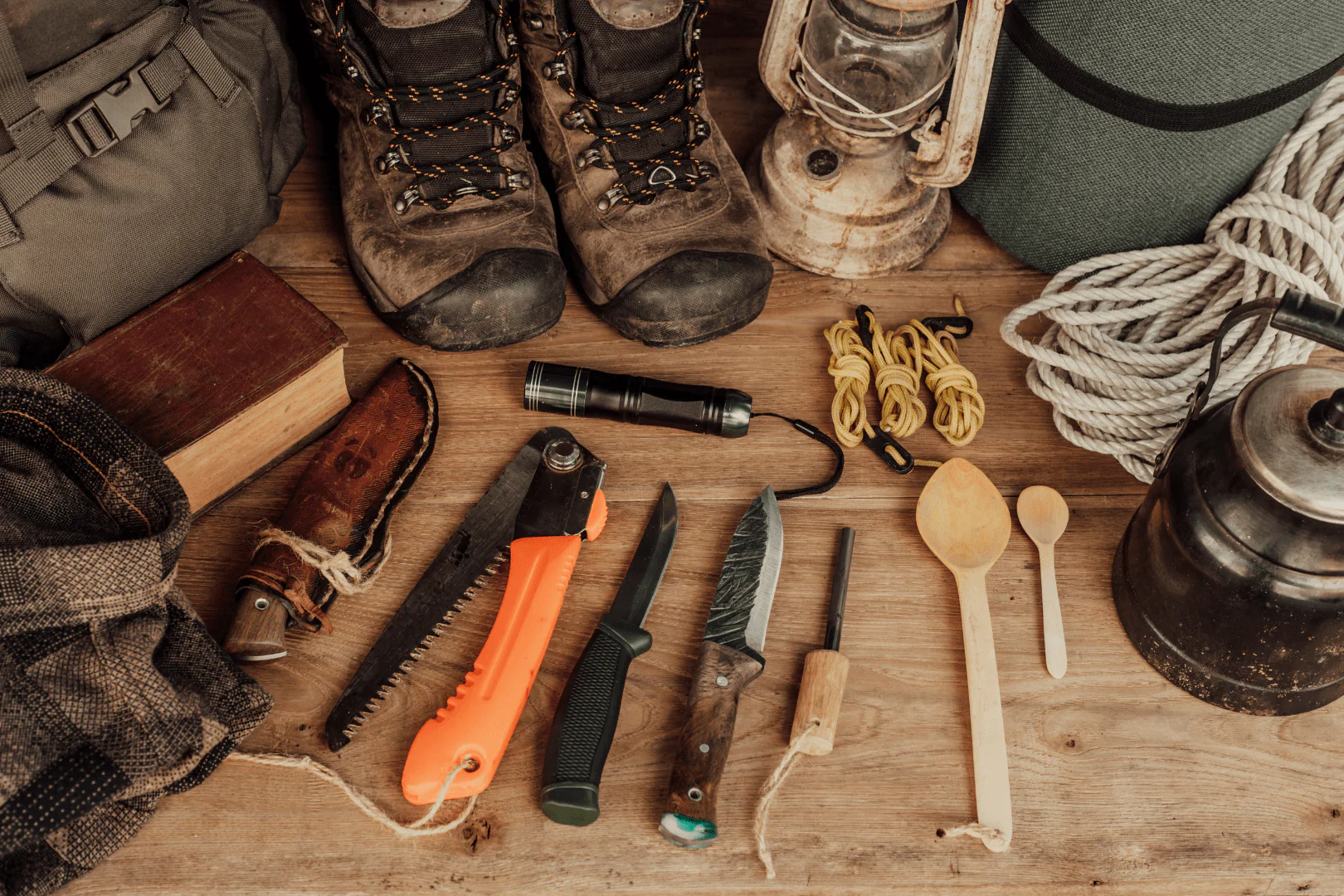
Knife skills are deeply connected to bushcraft traditions. A reliable knife may be the single most useful tool in the wilderness. It helps process wood, prepare food, create shelter materials, carve tools, and perform countless daily tasks. Bushcraft places heavy emphasis on safety and efficiency when using cutting tools because injuries become far more serious in remote environments.
Woodcraft itself is almost an art form. Skilled bushcrafters can carve cooking utensils, traps, tent stakes, and tools from natural materials. These abilities reduce dependence on manufactured equipment and encourage creativity. Bushcraft rewards adaptability. The outdoors rarely provides perfect solutions, so learning how to improvise becomes extremely valuable.
One of the most overlooked aspects of bushcraft is mental resilience. Wilderness survival is often portrayed as dramatic action and constant danger, but real outdoor living usually demands patience, calm thinking, and emotional control. Fear causes mistakes. Panic wastes energy. Bushcraft teaches people how to slow down, assess situations carefully, and focus on priorities.
The wilderness also has a unique way of exposing weaknesses. Poor planning, impatience, and overconfidence quickly become obvious outdoors. Bushcraft encourages humility because nature does not care about ego. Storms arrive without warning. Temperatures drop unexpectedly. Equipment breaks. Adaptability becomes more important than perfection.
Many people are drawn to bushcraft because it offers an escape from modern stress. Spending time outdoors forces people to pay attention to the present moment. The sound of wind through trees, the rhythm of chopping wood, and the process of building a fire create a connection to simpler forms of living. Bushcraft reminds people that human beings survived for thousands of years without modern conveniences because they understood the world around them.
In survival situations, bushcraft skills become even more valuable. A person who can build shelter, start fire, locate water, and remain calm possesses a tremendous advantage during emergencies. Gear can be lost or damaged, but knowledge stays with you. Bushcraft focuses heavily on skill development because skills weigh nothing and cannot be taken away.
Modern survival culture often emphasizes expensive equipment, but bushcraft takes a different approach. Tools matter, but knowledge matters more. An experienced outdoorsman with simple gear will usually outperform an inexperienced person carrying thousands of dollars in equipment. Bushcraft teaches that the most important survival tool is the human mind.
Learning bushcraft does not require living deep in the wilderness. Many skills can be practiced gradually through camping, hiking, and outdoor exploration. Building fires responsibly, learning tree identification, practicing navigation, and understanding weather patterns all help develop confidence over time. Every outdoor experience becomes an opportunity to learn something new.
Bushcraft is ultimately about self-reliance, adaptability, and respect for nature. It teaches people how to remain calm in uncomfortable situations and how to solve problems using creativity instead of panic. In a world increasingly dependent on technology, those lessons remain just as valuable today as they were centuries ago.
The wilderness can still be dangerous, unpredictable, and unforgiving. But for those willing to learn, it also offers one of the greatest classrooms on Earth.