
The moment water becomes scarce, everything else fades into the background. Hunger can wait, comfort can wait, but thirst demands attention in a way nothing else does. I have learned that finding water in the wild is not about luck but about observation, patience, and knowing where to look even when the land feels dry and unforgiving. The environment always leaves clues, subtle signs that point toward life-sustaining sources, and once you begin to notice them, the search becomes less desperate and more deliberate.
Reading The Landscape For Hidden Water
Dry ground can be deceiving, especially in areas that seem completely barren at first glance. I pay close attention to the natural shape of the land because water follows gravity and collects in the lowest points. Valleys, dips, and the base of slopes often hold moisture beneath the surface even if no visible water is present. Walking downhill instead of uphill usually increases the chances of encountering water, and this simple shift in direction has made a significant difference more than once.
Rock formations also reveal a lot more than people expect. Cracks and crevices can trap rainwater long after a storm has passed, and shaded areas between rocks tend to retain moisture longer than open ground. I have found that turning over stones or checking the base of large boulders sometimes exposes damp soil, which can be dug into to access small but vital amounts of water. These hidden pockets are easy to overlook, yet they often provide just enough to keep going.
Following Signs Of Animal Activity
Animals rarely stray far from water, and their behavior can guide you toward a source more reliably than guesswork. I look for tracks, especially those that appear fresh or frequently used, because they often form natural paths leading to water. Multiple sets of tracks converging in one direction usually indicate a nearby watering spot, and following these trails can save valuable time and energy.

Birds are another strong indicator, particularly in dry regions. Early mornings and late afternoons are the best times to observe them because that is when they are most active around water sources. If I notice birds flying in a consistent direction, especially low to the ground, I follow that path carefully. It has led me to streams, ponds, and even small pools that would have been impossible to spot otherwise.
Insects also play their part in revealing hidden water. Swarms of flies or mosquitoes often gather near moisture, and while they can be annoying, they are also useful signals. Instead of brushing them off as a nuisance, I treat them as a hint that water may be nearby, even if it is not immediately visible.
Using Vegetation As A Guide
Plants thrive where water exists, and certain types of vegetation are stronger indicators than others. I pay attention to clusters of green growth in otherwise dry surroundings because they often signal underground moisture. Trees with deep roots, such as willows or certain types of palms, usually grow near water sources, and their presence is rarely a coincidence.
Grasses and reeds are particularly helpful in identifying damp areas. Even if the surface appears dry, these plants often grow where water lies just beneath the soil. Digging at the base of such vegetation can reveal moist earth that can be filtered or collected. The key is to observe not just the presence of plants but their density and health, as thicker and greener patches tend to indicate a stronger water supply.
I also look for changes in the type of vegetation as I move through an area. A sudden shift from dry shrubs to lush greenery often marks a transition zone where water becomes more accessible. These subtle differences can guide the search in a way that feels almost intuitive once you learn to recognize them.
Collecting Water From Natural Sources
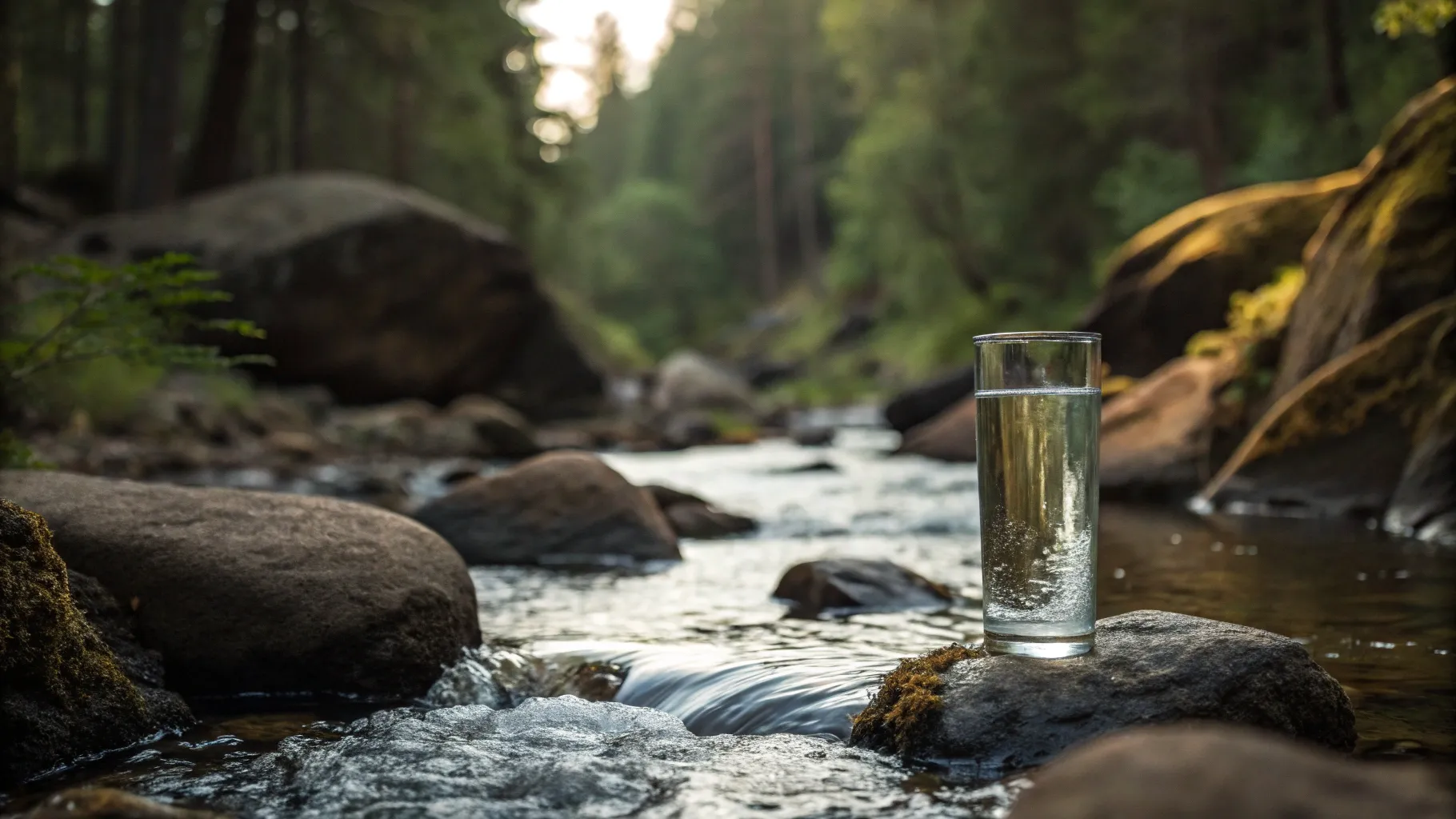
Finding water is only part of the challenge, and collecting it safely requires careful attention. Streams and rivers are ideal, but even then, I avoid fast-moving sections that may carry debris or contaminants. Slower-moving water, especially in shaded areas, tends to be clearer and easier to work with.
In the absence of flowing water, small pools and puddles can still be useful. I take extra care to filter out debris using cloth or any available material before drinking. Even muddy water can be made usable with patience, allowing sediment to settle before carefully collecting the clearer portion on top.
Morning dew offers another surprisingly effective source, especially in grassy areas. I have gathered water by dragging cloth across dew-covered plants and wringing it into a container. While it may seem like a slow process, it can yield a steady supply over time, particularly in environments where other sources are scarce.
Digging For Water Beneath The Surface
Surface dryness does not always mean the absence of water. In many cases, moisture lies just below, waiting to be accessed with a bit of effort. I look for areas where the ground feels cooler or slightly damp, as these spots often indicate underground water. Digging a shallow hole in such locations can allow water to seep in gradually.
Riverbeds that have dried up are especially promising. Even if no water is visible, digging into the sand or soil can reveal moisture that collects slowly at the bottom of the hole. It requires patience, but the result is often worth the effort, providing a reliable source in otherwise dry conditions.
Coastal areas offer their own opportunities, though they require careful handling. Digging above the high tide line can sometimes produce freshwater filtered through the sand. The taste may still be slightly salty, but it is often safer than direct seawater and can be further improved through basic filtration methods.
Making Use Of Rain And Condensation
Rain is one of the most valuable opportunities to collect water, and preparation makes all the difference. I use any available surface to catch rainwater, from containers to improvised materials like leaves or fabric. Even a small amount of rainfall can be captured and stored if you are ready to act quickly.
Condensation can also provide water in unexpected ways. Wrapping plastic around leafy branches creates a simple trap where moisture collects over time. As the sun heats the leaves, water evaporates and condenses on the plastic, eventually dripping down into a collection point. It is not an immediate solution, but it works steadily in the background while you focus on other tasks.
Another method involves creating a solar still using basic materials. By digging a hole, placing a container at the center, and covering it with plastic, moisture from the ground evaporates and condenses, collecting in the container. This approach requires time and effort, but it can produce drinkable water even in challenging environments.
Avoiding Dangerous Water Sources
Not all water is safe, and knowing what to avoid is just as important as knowing where to look. Stagnant water with a strong odor or visible contamination should be treated with caution. I avoid sources that appear oily, discolored, or filled with dead insects or animals, as these are signs of potential danger.
Even clear water can carry risks, so I make it a habit to filter and, if possible, purify any water before drinking. Boiling is one of the most reliable methods, but when that is not an option, improvised filtration using cloth, sand, and charcoal can help reduce impurities. Taking these extra steps can prevent illness, which is the last thing you want in a survival situation.
Saltwater is another trap that must be avoided. Drinking it only worsens dehydration, no matter how tempting it may seem. Instead, I focus on methods that convert or filter water into something safer, even if it requires additional time and effort.
Staying Calm And Conserving Energy
Panic can make the search for water much harder than it needs to be. I remind myself to slow down, observe, and think before acting, because rushing often leads to wasted energy and missed opportunities. Conserving energy is just as important as finding water, especially in hot environments where dehydration can happen quickly.
Traveling during cooler parts of the day reduces water loss and makes the search more manageable. Resting in shaded areas during peak heat helps preserve strength and keeps the body from using up valuable fluids too quickly. These small adjustments can extend survival time significantly.
I also pay attention to how much water I consume and how I use it. Taking small, steady sips instead of large gulps helps maintain hydration more effectively. Every drop matters, and treating water as a precious resource changes the way you approach the entire situation.
Building Confidence Through Experience
Each time I have faced the challenge of finding water, the experience has reinforced the same lesson: the environment is rarely as empty as it appears. With patience and careful observation, even the harshest landscapes reveal hidden sources of life. The key is to trust the process and remain attentive to the details that others might overlook.
Skills like these grow stronger with practice, turning uncertainty into confidence over time. What once felt like an impossible task becomes manageable, even predictable, as patterns begin to emerge. The more time spent observing nature, the easier it becomes to interpret its signals and respond effectively.
Water may seem elusive in the wild, but it is never truly absent. It exists in the land, the air, and the life that surrounds you, waiting to be found by those who know how to look.