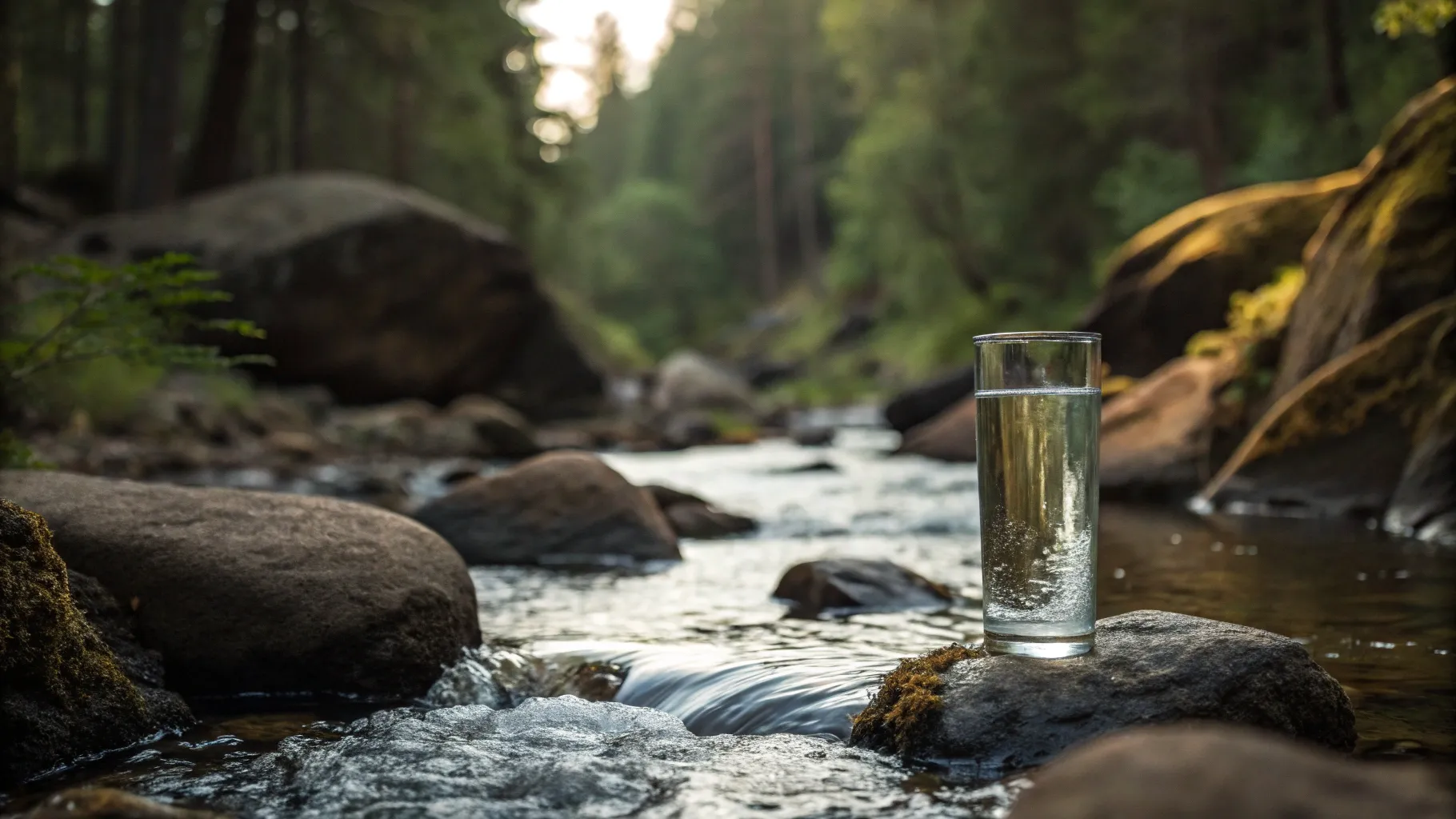
I have always felt a certain pull toward clear, flowing streams, especially when I’m out in nature and miles away from anything that resembles a faucet or bottled water. The sight of water rushing over rocks can make it look pure, almost inviting, like it’s been naturally filtered and made safe by the environment itself. But experience, research, and a few hard lessons have taught me that what looks clean is not always safe to drink. Streams can be both a lifeline and a hidden danger, and knowing the difference has changed the way I approach every outdoor trip.
Why Stream Water Looks Safer Than It Is
Clear water has a way of convincing me that it must be clean. When I see water flowing quickly over stones, free of visible debris, I instinctively trust it more than stagnant pools or muddy puddles. That visual clarity can be misleading, though, because many of the most harmful contaminants are completely invisible. Bacteria, viruses, and parasites do not change the color or smell of water in ways that are easy to detect.
I learned that even water high up in the mountains, far from human activity, can still carry microorganisms. Animals roam freely, and their waste often finds its way into streams. Rain can wash contaminants from the surrounding land into the water, and even something as simple as a dead animal upstream can affect the safety of what appears to be pristine water. The clarity only tells part of the story, and relying on it alone can be risky.
Common Contaminants You Cannot See
One of the biggest surprises for me was how many threats exist in stream water that cannot be seen with the naked eye. Bacteria like E. coli can come from animal or human waste, and ingesting even a small amount can lead to serious illness. Parasites such as Giardia and Cryptosporidium are also common in untreated water and can cause prolonged digestive issues that are difficult to shake off.

Viruses are another concern, especially in areas where human contamination is possible. Unlike bacteria and parasites, viruses are even smaller and harder to eliminate without proper treatment. Chemical pollutants can also make their way into streams, particularly near agricultural or industrial areas. These contaminants do not always have a taste or odor, which makes them even more deceptive.
The Myth of Remote Purity
Spending time in remote areas gave me a false sense of security at first. I assumed that the farther I was from cities and towns, the safer the water would be. While distance from urban pollution can reduce certain risks, it does not eliminate them entirely. Wildlife is a major source of contamination, and their presence is often more concentrated in remote regions.
I also realized that upstream activity matters more than my immediate surroundings. A stream that looks untouched where I stand may have passed through areas filled with animal activity or even campsites used by other hikers. Without knowing the entire path of the water, it is impossible to guarantee its safety just by observing a single section.
How Illness From Stream Water Feels
Getting sick from untreated water is not something I ever want to repeat. The symptoms can range from mild discomfort to severe dehydration and weakness. Stomach cramps, diarrhea, nausea, and fatigue can hit quickly and last for days or even weeks, depending on the contaminant involved.
The experience made me realize how vulnerable I am when I rely on untreated sources. In a remote setting, access to medical care is limited, and even a minor illness can escalate into something more serious. Staying hydrated is critical, but drinking unsafe water can make things far worse than going without it for a short time.
Situations Where People Take the Risk
There are moments when the temptation to drink directly from a stream becomes strong. Long hikes, unexpected delays, or running out of carried water can push anyone into a difficult decision. I have been in situations where the choice felt like a trade-off between dehydration and potential illness.
In survival scenarios, untreated water may be the only option. The body can survive longer with contaminated water than with none at all, but that does not make it a safe choice. Knowing how to minimize risk in those situations is crucial, and it starts with understanding that untreated stream water should always be a last resort rather than a convenient option.
Methods That Make Stream Water Safer
I never rely on untreated water anymore, and I always carry at least one method of purification. Boiling is one of the most reliable ways to kill bacteria, viruses, and parasites. Bringing water to a rolling boil for at least one minute can significantly reduce the risk of illness, though it does not remove chemical contaminants.
Filtration systems are another option I often use. Portable filters can remove many bacteria and parasites, and some advanced models can even handle viruses. Chemical treatments, such as iodine or chlorine tablets, offer a lightweight solution but require time to work and may leave an aftertaste. Each method has its strengths and limitations, so combining them when possible adds an extra layer of safety.
Choosing a Better Water Source
Not all parts of a stream are equal, and I have learned to be selective about where I collect water. Fast-moving sections are generally better than stagnant areas because they are less likely to harbor concentrated contaminants. Water that flows over rocks rather than through muddy banks tends to be a better choice as well.
I also try to collect water from upstream locations whenever possible. Avoiding areas near campsites, trails, or signs of animal activity reduces the likelihood of contamination. While these precautions do not guarantee safety, they can lower the overall risk before any purification method is applied.
The Role of Temperature and Environment
Temperature and environmental conditions play a larger role than I initially realized. Warmer water can promote the growth of microorganisms, increasing the risk of contamination. After heavy rainfall, streams can carry more debris and pollutants, making them less reliable as a water source.
Seasonal changes also matter. Snowmelt can create clear, cold streams that appear clean but still carry contaminants from the surrounding landscape. Dry seasons may concentrate pollutants in smaller water volumes, making even clear streams more hazardous. Paying attention to these factors helps me make more informed decisions about water safety.
Why Taste Is Not a Reliable Indicator
Taste has misled me before, and I no longer trust it as a measure of safety. Water can taste fresh and still contain harmful microorganisms. Some contaminants do not affect taste at all, while others may only produce subtle changes that are easy to ignore.
I have come to see taste as a secondary factor rather than a primary indicator. While unpleasant flavors can signal potential issues, a pleasant taste does not guarantee anything. Relying on proper treatment methods is far more effective than trusting my senses alone.
Lessons From Experience
Time spent outdoors has taught me that preparation is more valuable than optimism. Carrying enough water and having a reliable purification method can prevent risky decisions. I no longer assume that I will find safe water along the way, and that mindset has saved me from unnecessary trouble.
I have also learned to respect the unpredictability of natural water sources. Conditions can change quickly, and what seemed safe one day may not be the next. Staying cautious and informed has become part of how I navigate outdoor environments, and it has made my experiences more enjoyable in the long run.
Balancing Risk and Necessity
There is a balance between caution and practicality when it comes to drinking from streams. Avoiding untreated water entirely is ideal, but not always possible in every situation. Knowing how to assess risk and apply the best available solution can make a significant difference.
I try to approach each situation with a clear understanding of my options. If I have the means to purify water, I use them without hesitation. If I do not, I make the best possible choice based on the conditions, always aware of the potential consequences. That balance has become a key part of my outdoor decision-making.
Final Thoughts on Stream Water Safety
Streams can be both beautiful and deceptive, offering a sense of purity that does not always reflect reality. I no longer see them as guaranteed sources of safe drinking water, but rather as resources that require careful handling. The risks are real, but they can be managed with the right knowledge and preparation.
Taking the time to treat water properly has become second nature to me, and it has allowed me to enjoy outdoor adventures with greater confidence. The truth about drinking water from streams is not meant to discourage exploration, but to encourage smarter choices. Staying informed and prepared turns a potential hazard into a manageable part of the journey.