The wilderness does not negotiate, and it does not care how confident I feel stepping into it. I have learned that survival is less about strength and more about awareness, discipline, and humility. The smallest mistake can quietly snowball into something dangerous, especially when help is far away and time is working against me. Every trip into the wild sharpens my respect for the environment, because the line between adventure and disaster is thinner than most people think.
Ignoring Weather Changes
Weather can shift faster than expected, and ignoring subtle signs has nearly put me in serious trouble. Clear skies can turn into a storm within hours, especially in mountainous or forested areas. I make it a point to read cloud patterns, wind direction, and temperature drops because those clues often come before a major change. Assuming the weather will stay the same is a mistake that can lead to hypothermia or worse.
Not Telling Anyone Your Plan
Heading out without telling anyone where I am going is one of the most reckless decisions I could make. If something goes wrong, no one will know where to start looking. I always leave a clear plan with someone I trust, including my route and expected return time. This simple habit can be the difference between being found quickly and being lost for days.
Overpacking Or Underpacking
Carrying too much gear slows me down and drains my energy, while bringing too little leaves me unprepared. I have learned that balance matters more than quantity. Every item in my pack needs a purpose, and I test my load before heading out. Poor packing decisions can lead to exhaustion or a lack of critical supplies when they are needed most.

Neglecting Water Sources
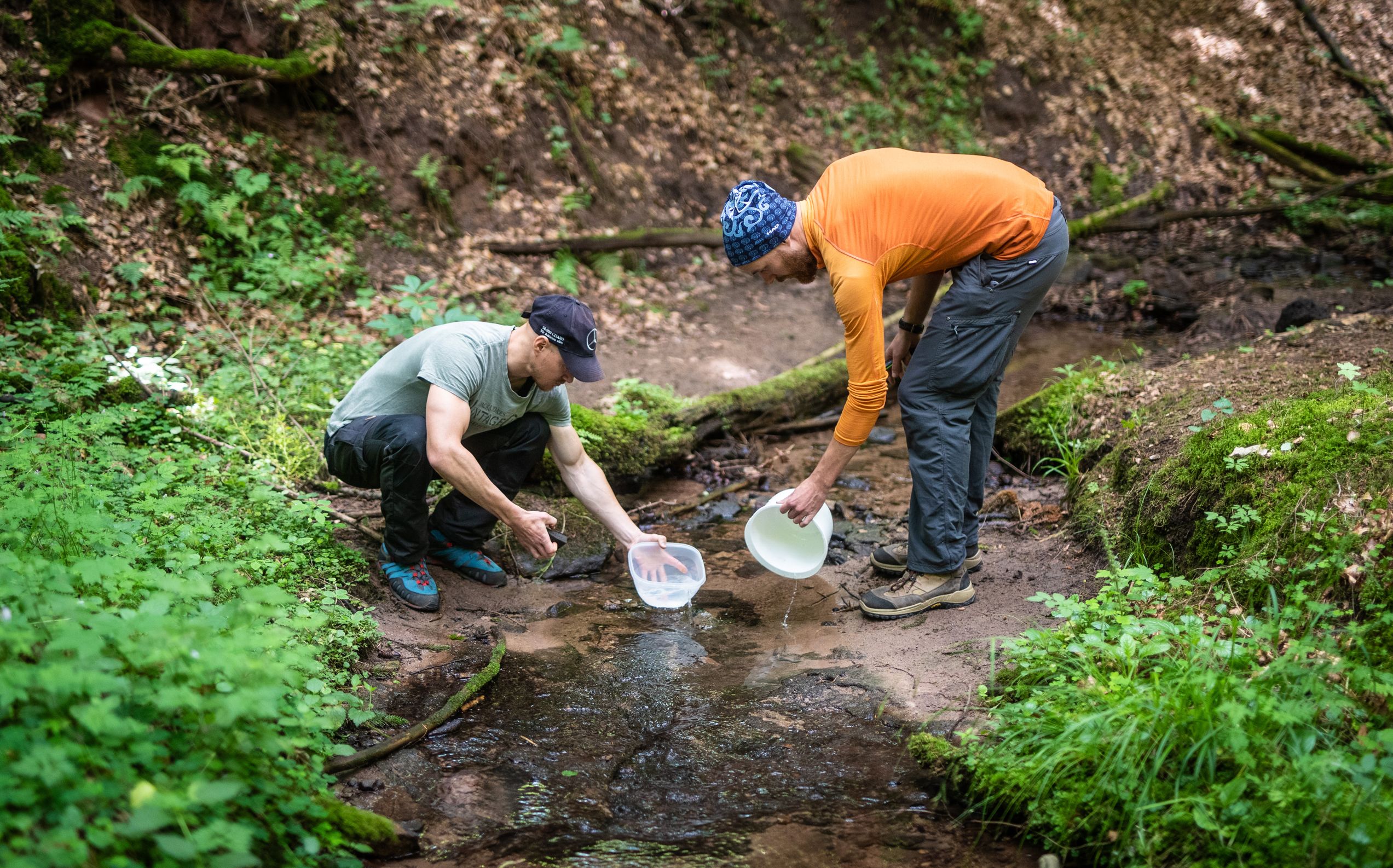
Water is the first thing I think about when entering the wilderness. Dehydration can creep up quickly, especially in hot or humid conditions. I never assume I will find clean water along the way, and I always carry a way to purify what I collect. Ignoring water planning can turn a manageable trip into a life-threatening situation.
Drinking Untreated Water
It is tempting to drink straight from a stream when I am thirsty, but that decision can backfire badly. Contaminated water can carry bacteria and parasites that cause severe illness. Even clear water is not always safe, and I remind myself of that every time. Taking a few minutes to filter or boil water is far safer than risking infection.
Getting Lost Without Navigation Skills
Relying solely on a phone or GPS is a mistake I avoid at all costs. Batteries die, signals disappear, and suddenly I am left without direction. I carry a map and compass and make sure I know how to use them. Losing my sense of direction can waste precious time and energy, which are both critical in survival situations.
Ignoring Shelter Needs
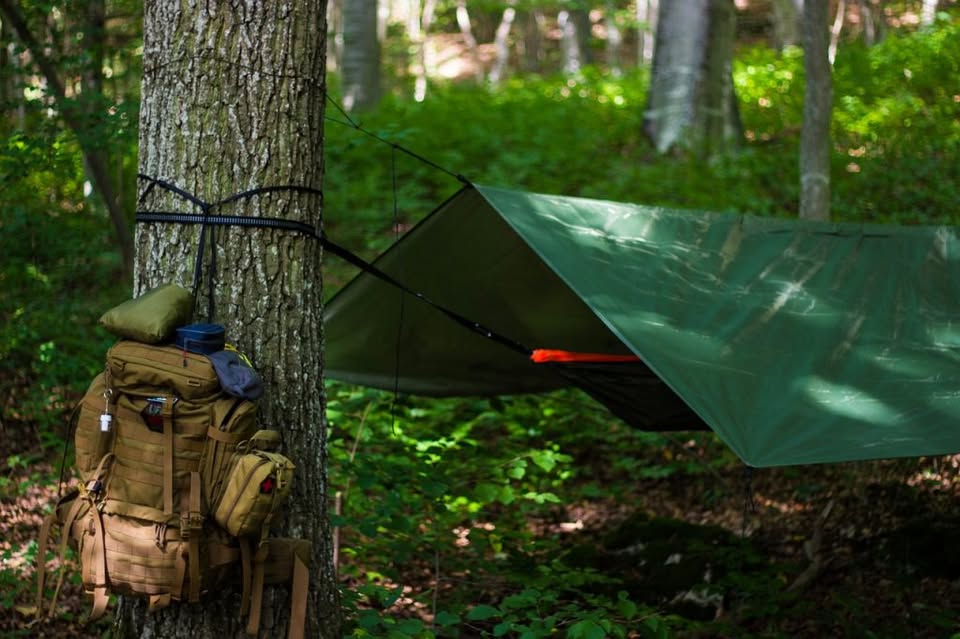
Exposure is one of the fastest ways to get into trouble outdoors. Even mild conditions can become dangerous without proper shelter. I always plan for where I will sleep and how I will protect myself from wind, rain, and cold. Skipping this step can lead to hypothermia or heat exhaustion depending on the environment.
Starting A Fire Without Preparation
Fire provides warmth, protection, and a way to cook food, but starting one is not always easy. I have learned not to rely on a single method, because failure is always possible. Carrying multiple fire-starting tools and practicing beforehand makes a huge difference. Without fire, surviving cold nights becomes significantly harder.
Wearing The Wrong Clothing
Clothing can either protect me or work against me. Wearing materials that do not dry quickly or fail to insulate properly can lead to serious discomfort or danger. I dress in layers so I can adjust to changing conditions. Poor clothing choices can turn a simple hike into a miserable and risky experience.
Underestimating Wildlife
Wild animals are not always aggressive, but they can become dangerous if I behave carelessly. I avoid leaving food exposed and stay aware of my surroundings at all times. Respecting wildlife means giving them space and not provoking them. Ignoring this can lead to encounters that I would rather avoid entirely.
Not Knowing Basic First Aid
Injuries can happen at any time, even on familiar trails. I make sure I know how to treat cuts, burns, and sprains because immediate care can prevent complications. Carrying a first aid kit is important, but knowing how to use it matters even more. Lack of knowledge can turn a minor injury into a serious problem.
Panicking In Stressful Situations
Fear can cloud judgment and lead to poor decisions. I have learned that staying calm is one of the most valuable survival skills. Taking a moment to breathe and assess the situation helps me think clearly. Panic wastes energy and often makes situations worse than they already are.
Traveling Alone Without Experience
Going solo can be rewarding, but it also increases risk. Without experience, I would be more vulnerable to mistakes and emergencies. I make sure I build my skills before attempting solo trips. Experience acts as a safety net when things do not go as planned.
Ignoring Physical Limits
Pushing beyond my limits can lead to exhaustion or injury. I pay attention to how my body feels and take breaks when needed. Pride has no place in survival situations, and listening to my body keeps me safe. Ignoring fatigue can lead to poor decisions and accidents.
Failing To Signal For Help
If I get lost or injured, being able to signal for help becomes critical. I carry tools like whistles, mirrors, or bright clothing to make myself visible. Waiting silently without trying to attract attention reduces my chances of being found. Signaling increases the likelihood of rescue significantly.
Eating Unknown Plants
Hunger can push me to consider eating whatever I find, but that is a dangerous path. Many plants look harmless but can be toxic. I only eat what I can confidently identify as safe. Mistaking a poisonous plant for food can have severe consequences.
Poor Time Management
Time disappears quickly in the wilderness, especially when I am dealing with challenges. Starting late or misjudging how long a route will take can leave me stranded after dark. I plan my movements carefully and keep track of daylight. Poor timing can force me into risky situations that could have been avoided.
Ignoring Gut Instincts
Sometimes, something feels off even if I cannot explain why. I have learned to trust that instinct because it often signals a real problem. Whether it is a change in weather, terrain, or surroundings, I pay attention to that inner warning. Ignoring it can lead me straight into danger.
The wilderness demands respect, patience, and preparation, and it punishes carelessness without hesitation. Every mistake I avoid is a lesson that keeps me alive and aware. Survival is not about being fearless, but about being mindful of every decision I make. The more I respect the environment, the better my chances of walking out of it safely.