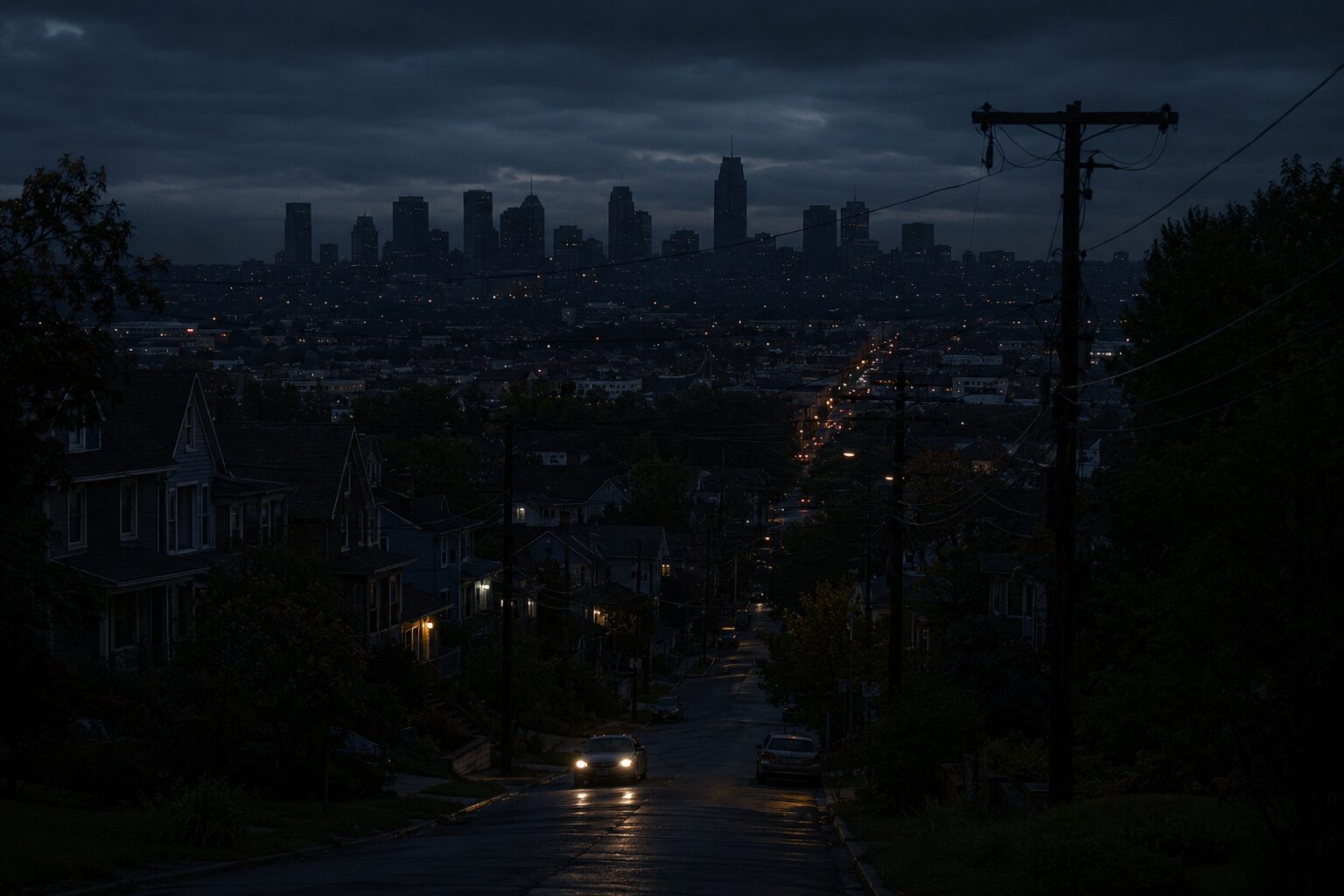
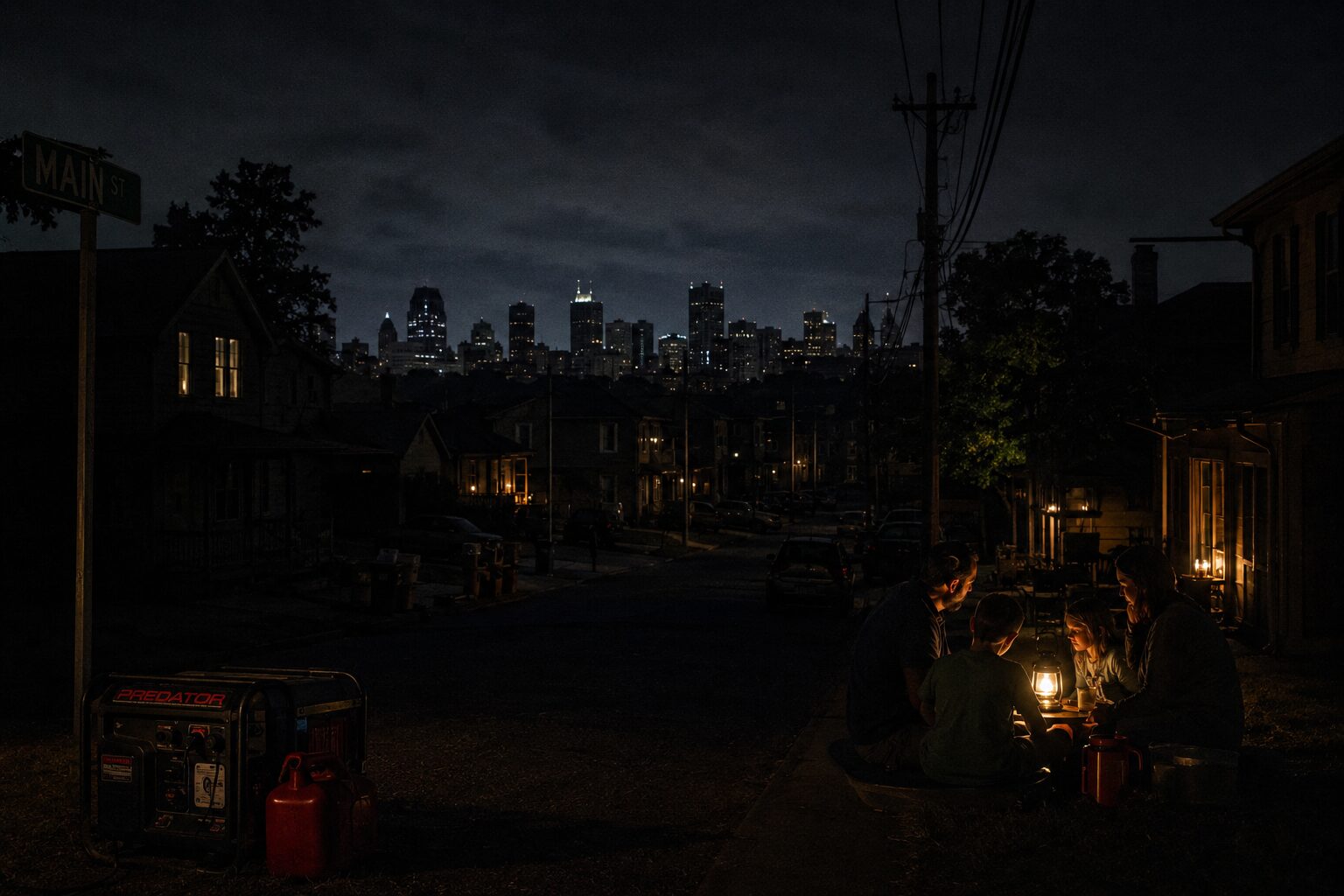
Most people assume the electrical grid will always be there when they flip a switch. But severe weather, cyberattacks, equipment failures, natural disasters, and even human error can cause widespread power outages that last far longer than a few hours.
A temporary outage is inconvenient. A long-term grid failure can quickly become a serious survival situation.
Why the Electrical Grid Matters
Modern life depends on electricity. Without it, many critical systems stop functioning:
- Refrigerators and freezers stop preserving food.
- Water treatment and pumping systems may fail.
- Gas stations cannot pump fuel.
- Internet and cell networks become unreliable.
- Heating and air conditioning stop working.
- Banks and electronic payment systems may go offline.
Within just a few days, communities can experience shortages of food, water, fuel, and medical supplies.

The First 24 Hours
When the power first goes out, stay calm and gather information.
Use a battery-powered radio to monitor emergency broadcasts. Avoid opening refrigerators and freezers unless absolutely necessary. A closed refrigerator can keep food cold for about four hours, while a full freezer may maintain safe temperatures for up to 48 hours.
Charge devices immediately if backup power is available. Fill containers with water while municipal water systems are still functioning.
If the outage appears widespread, assume it may last longer than expected and begin conserving resources immediately.
Water Becomes the Top Priority
Humans can survive weeks without food but only a few days without water.
Store at least one gallon of water per person per day. Ideally, maintain a two-week emergency supply. If stored water runs low, have multiple purification methods available:
- Water filters
- Boiling
- Purification tablets
- Unscented household bleach for emergency disinfection
Never assume water from natural sources is safe to drink without treatment.
Food Storage for Grid Failures
Long-term power outages can spoil refrigerated food quickly. Prepared families focus on shelf-stable foods that require little preparation.
Good options include:
- Canned meats
- Rice
- Beans
- Pasta
- Oats
- Peanut butter
- Freeze-dried meals
- Dehydrated foods
Rotate food supplies regularly and store foods your family already enjoys eating.
Alternative Power Sources
Backup power can make a major difference during a grid failure.
Consider:
- Solar power systems
- Portable solar generators
- Deep-cycle battery banks
- Gasoline generators
- Propane generators
Fuel-powered generators should always be operated outdoors and away from living spaces to prevent carbon monoxide poisoning.
Even a small solar setup can keep radios, flashlights, phones, and essential equipment running during an extended outage.
Security Concerns
As outages continue, some areas may experience increased crime and civil unrest.
Maintain good situational awareness and keep doors, windows, and gates secured. Outdoor solar lights, motion detectors, and battery-powered security systems can help deter unwanted visitors.
Avoid advertising the extent of your supplies or preparedness efforts.
The less attention you attract, the safer you may be.
Medical Preparedness
Many people rely on electrically powered medical equipment or refrigerated medications.
Keep extra prescriptions when possible and maintain a well-stocked first aid kit. Learn basic first aid skills before an emergency occurs.
A simple medical problem can become much more serious when hospitals and pharmacies are operating under emergency conditions.
Communication During an Outage
Cell towers often have backup batteries, but these may only last for a limited time.
Keep multiple communication options available:
- Battery-powered radio
- Hand-crank radio
- Family communication plan
- Two-way radios
- Backup charging methods
Make sure family members know where to meet if communication networks fail.
The Importance of Preparation
The best time to prepare for an electrical grid failure is before it happens.
Start with the basics:
- Store water.
- Build a food supply.
- Maintain backup lighting.
- Keep emergency medical supplies.
- Develop alternative power options.
- Create a family emergency plan.
Preparedness does not require fear. It requires planning.
A prolonged electrical grid failure would challenge nearly every aspect of modern life, but families who prepare ahead of time can remain safer, more comfortable, and more self-reliant when the lights go out.
Visit SurvivalBoys.com for more preparedness guides, survival skills, homesteading tips, and off-grid living resources.