We Depend on Electricity More Than We Realize
Walk through your home for just a moment and think about everything that depends on electricity. Your refrigerator quietly keeps your food cold. Your well pump delivers clean water. Your phone charges while you sleep. The internet connects you to work, family, and emergency information. Even your grocery store, gas station, and local hospital rely on a steady supply of power every second of every day.
Most of us rarely think about the electrical grid because it works so well. Flip a switch, and the lights come on. Plug in your phone, and it charges. It’s easy to assume that electricity will always be there.
But beneath that convenience lies one of the most complicated systems ever created, and like any complex system, it has vulnerabilities. Understanding those weaknesses isn’t about fear or panic. It’s about recognizing how dependent modern life has become on something we often take for granted.
What Is the Electrical Grid?
The electrical grid is far more than power lines running down your street. It is a nationwide network of power plants, transmission lines, substations, transformers, control centers, and local distribution systems that all work together to deliver electricity exactly when it is needed.

Unlike food or gasoline, electricity can’t simply be stockpiled in massive quantities. Power plants must generate nearly the exact amount of electricity consumers are using at any given moment. If demand suddenly exceeds supply, or if a major piece of infrastructure fails, operators must react immediately to prevent widespread outages.
This delicate balancing act happens every second of every day.
A System Under Growing Pressure
America’s electrical grid faces challenges from several directions at once. Severe weather remains the most common cause of major outages. Hurricanes, tornadoes, ice storms, wildfires, and even intense heat can damage transmission lines and substations, leaving thousands—or sometimes millions—without power.
At the same time, much of the country’s electrical infrastructure is decades old. Many large transformers have been operating far longer than originally intended. Replacing these massive pieces of equipment isn’t as simple as swapping out a household appliance. Some weigh hundreds of tons and can take months to manufacture and transport.
As our demand for electricity continues to grow through electric vehicles, data centers, artificial intelligence, and increasingly connected homes, the strain on the grid continues to increase as well.
New Threats in a Digital World
Today’s electrical grid isn’t controlled by switches and dials alone. Modern utilities rely heavily on computer systems to monitor power generation, transmission, and distribution across enormous regions.
While these technologies have made the grid more efficient, they have also introduced new risks. Cybersecurity has become a major focus for utility companies because hackers continually attempt to target critical infrastructure around the world. Fortunately, utility providers invest heavily in protecting these systems, but cybersecurity remains an ongoing challenge.
Physical security is another concern. Thousands of substations are scattered across the country, many in remote areas. Damage to just a few strategically important facilities can affect large portions of the grid until repairs are completed.
What Happens When the Power Goes Out?
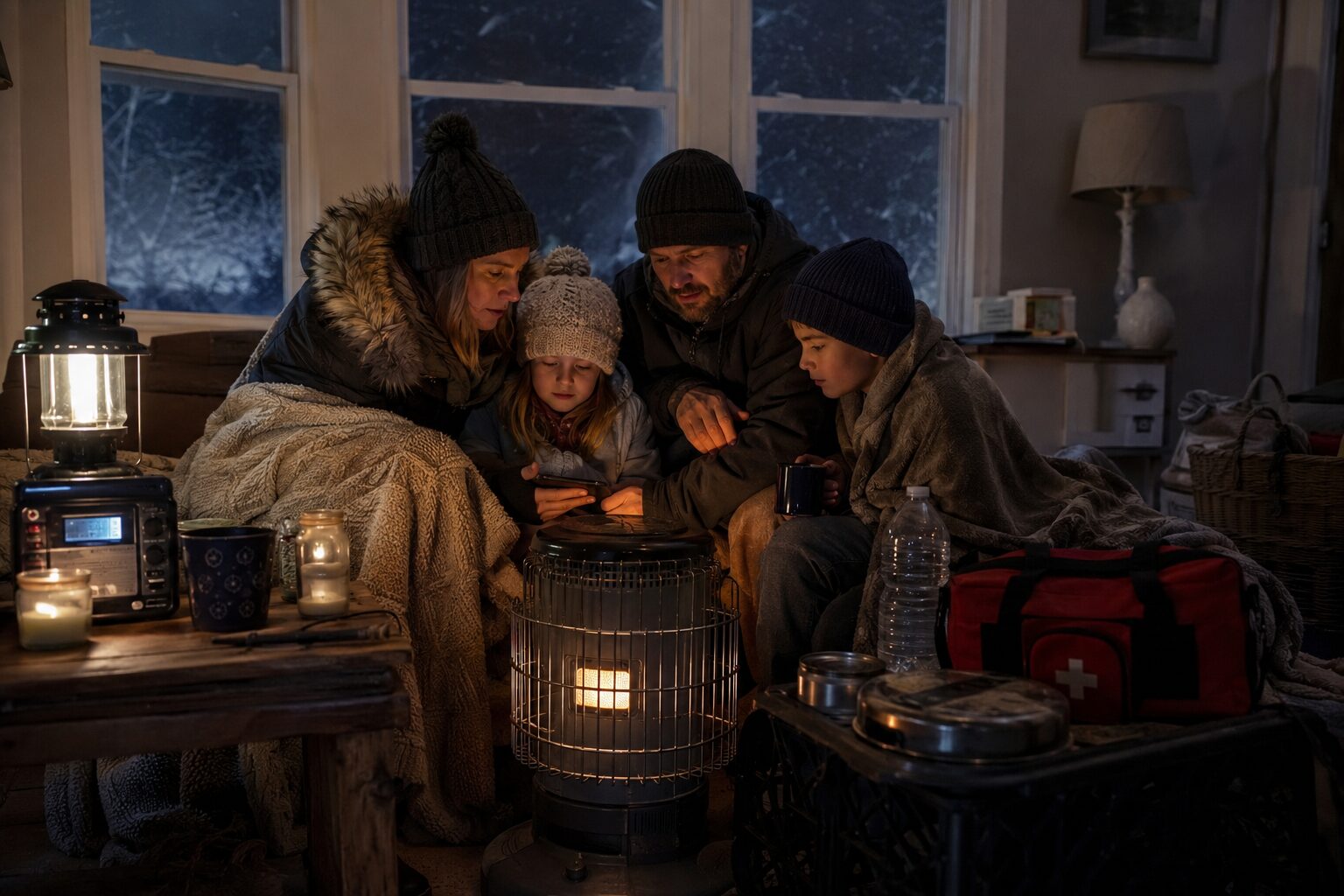
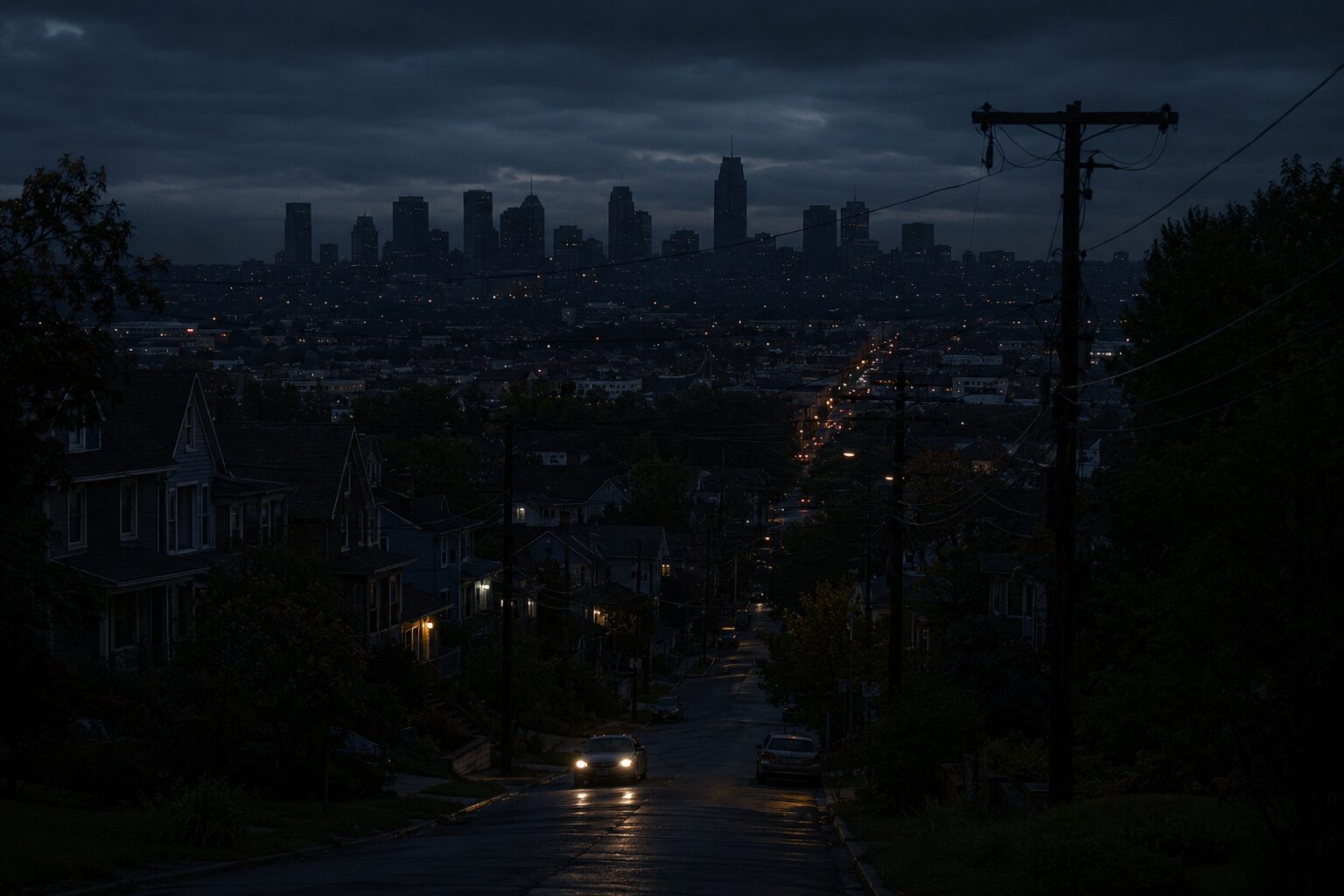
A short outage lasting an hour or two is usually little more than an inconvenience. But extended outages quickly reveal just how dependent society has become on electricity.
Within the first few hours, traffic signals stop working, businesses close, and internet service begins to fail as backup batteries become depleted. Refrigerators slowly warm, freezers begin thawing, and gas stations cannot pump fuel without electricity.
As the outage stretches into days, supply chains begin to slow. Grocery shelves empty faster than they can be restocked, electronic payment systems may stop functioning, and many people discover they have few supplies at home. Hospitals rely on backup generators, but fuel deliveries become increasingly important if the outage continues.
After several weeks, the effects become much more serious. Water treatment facilities, fuel distribution, communications, and emergency services all face increasing challenges. Communities become heavily dependent on local resources and neighbors helping one another.
Could a Solar Storm or EMP Cause a Nationwide Blackout?
Preparedness discussions often include two unusual but potentially significant threats: solar storms and electromagnetic pulses, commonly known as EMPs.
A powerful solar storm occurs when the Sun releases enormous amounts of charged particles toward Earth. These particles can induce electrical currents in long transmission lines, potentially damaging transformers and disrupting communications. The Carrington Event of 1859 demonstrated just how powerful these storms can be, although today’s modern electrical infrastructure is far more complex than it was then.
An EMP, whether caused by a high-altitude nuclear detonation or other specialized technology, could potentially damage sensitive electronics over a wide area. Experts continue to debate exactly how severe the effects would be, but it remains one of several scenarios emergency planners consider when assessing infrastructure resilience.
Neither of these events is likely to occur on any given day, but they illustrate how dependent modern civilization has become on reliable electricity.
Preparedness Begins at Home
The good news is that preparing for a prolonged power outage doesn’t require building an underground bunker or spending thousands of dollars overnight. Preparedness is a gradual process that anyone can begin.
Start by making sure your family has enough drinking water and shelf-stable food to remain comfortable for at least two weeks. Invest in reliable flashlights, rechargeable batteries, and a battery-powered emergency radio. If your budget allows, consider adding portable power stations, solar panels, or a properly operated backup generator to your emergency plans.
Just as important is having a plan. Discuss with your family how you would communicate if cell service became unreliable, where you would meet if separated, and how you would stay informed during an extended emergency. Small steps taken today can eliminate tremendous stress during an actual crisis.
The Importance of Community
One lesson repeated throughout history is that communities recover faster than individuals acting alone. Knowing your neighbors, sharing skills, and helping one another during emergencies creates resilience that no piece of equipment can replace.
Whether it’s checking on elderly neighbors after a storm, sharing tools, or working together to clear roads and restore communication, strong communities often become the most valuable resource after disasters.
Final Thoughts
The electrical grid is one of humanity’s greatest engineering achievements, quietly powering nearly every aspect of our daily lives. Yet it is also a reminder that modern convenience depends on an intricate system vulnerable to weather, aging infrastructure, cyber threats, equipment failures, and increasing demand.
Fortunately, preparing for a power outage doesn’t require living in fear. It simply means recognizing reality and taking practical steps before an emergency occurs. Every gallon of stored water, every flashlight with fresh batteries, every backup power source, and every conversation with your family makes you a little more resilient.
At SurvivalBoys.com, we believe preparedness isn’t about expecting the worst. It’s about ensuring that when life throws unexpected challenges your way, you’re ready to face them with confidence rather than panic.
Quick Preparedness Reminder
If you’re just getting started, focus on the basics: store clean drinking water, keep several weeks of food on hand, maintain multiple sources of light, have a way to receive emergency information, and create a family emergency plan. Build your supplies a little at a time, and before long you’ll be far better prepared than most households.