
By Survival Boys Editorial Team
Camping is one of the best ways to build outdoor confidence, develop survival skills, and reconnect with nature. But a successful camping trip starts long before the fire is lit or the tent is pitched. Knowing how to properly set up a campsite can make the difference between a comfortable outdoor adventure and a stressful experience.
A well-planned campsite improves safety, comfort, organization, and survival readiness. Whether you are camping in the wilderness, preparing for an emergency, or practicing outdoor survival skills, understanding campsite setup is essential knowledge for every outdoor enthusiast.
This guide covers everything beginners need to know about selecting a campsite, setting up shelter, organizing gear, building safe fires, and staying prepared outdoors.

Why Campsite Setup Matters
Many new campers focus mainly on gear. While good equipment helps, campsite selection and organization are often even more important.
A poor campsite can expose you to flooding, strong winds, dangerous wildlife encounters, falling branches, and uncomfortable sleeping conditions. On the other hand, a smart campsite setup creates protection, efficiency, and peace of mind.
Experienced outdoorsmen understand that survival is often about preparation rather than reaction.
The best campsites are safe, dry, organized, and adaptable to changing weather conditions.
Choosing the Right Campsite
The first step in setting up camp is selecting the proper location.
This decision affects nearly every aspect of your outdoor experience.
Look for Flat Ground
Sleeping on uneven ground quickly becomes uncomfortable. Search for a relatively flat area free of large rocks, roots, or holes.
A slight slope can help water drain during rain, but avoid steep angles that make sleeping difficult.
Stay Away from Hazards
Always scan the area carefully before setting up camp.
Avoid camping near:
- Dead trees or hanging branches
- Flood-prone low areas
- Steep cliffs or unstable terrain
- Animal trails
- Dry riverbeds
- Areas with signs of rockslides
What looks safe during daylight can become dangerous during storms or high winds.
Consider Wind Direction
Strong winds can damage tents, spread smoke, and lower temperatures dramatically.
Natural windbreaks like trees, hills, or large rocks can provide protection, but avoid camping directly under unstable branches.
Stay Near Water — But Not Too Close
Access to water is important for cooking, cleaning, and hydration.
However, camping directly beside rivers or lakes increases flood risk, insect activity, and wildlife encounters.
A good rule is to camp at least 200 feet from water sources whenever possible.
Setting Up Your Tent
Your tent is your primary shelter and one of the most important parts of camp.
Clear the Ground
Remove sticks, sharp rocks, and debris before placing your tent.
Even small objects can create discomfort during sleep or damage the tent floor.
Use a Ground Tarp
A tarp or footprint underneath your tent helps protect against moisture and wear.
Make sure the tarp does not extend beyond the tent edges, or rainwater may collect underneath.
Face the Tent Properly
Position the tent entrance away from strong wind whenever possible.
This helps reduce cold drafts and prevents rain from blowing inside.
Secure All Stakes and Guy Lines
Many beginners skip proper staking, especially in calm weather.
This is a mistake.
Weather conditions can change quickly outdoors. Properly securing your tent improves stability and safety during wind or storms.
Organizing Your Campsite
A clean and organized campsite improves efficiency and reduces stress.
Good organization also minimizes the chances of losing important gear.
Create Separate Areas
Experienced campers often divide campsites into zones:
- Sleeping area
- Cooking area
- Fire area
- Gear storage area
- Food storage area
This setup keeps camp safer and easier to manage.
Keep Gear Dry
Rain, dew, and moisture can quickly damage supplies.
Store important gear inside waterproof containers or dry bags whenever possible.
Wet clothing and sleeping bags can become serious problems during cold weather.
Store Food Properly
Food attracts wildlife.
Never leave food exposed overnight.
In bear country, use bear-proof containers or hang food properly away from camp.
Even small animals like raccoons and squirrels can destroy supplies surprisingly fast.
Building a Safe Campfire
Campfires provide warmth, cooking capability, light, and morale.
But they must be handled responsibly.
Follow Local Fire Regulations
Some areas ban fires during dry conditions due to wildfire risks.
Always check local regulations before starting a fire.
Use Existing Fire Rings
Whenever possible, use established fire pits rather than creating new ones.
This minimizes environmental impact.
Keep Fires Small
Large fires waste fuel and create unnecessary danger.
A small, controlled fire is usually more efficient for cooking and warmth.
Keep Water Nearby
Always have water, dirt, or sand available to extinguish fires quickly if necessary.
Never leave a fire unattended.
Fully Extinguish Before Sleeping
Many wildfires begin because campfires were not fully extinguished.
Drown the fire completely, stir the ashes, and verify there are no remaining hot spots.
If the ashes are warm, the fire is not fully out.
Campsite Cooking Basics
Outdoor cooking does not need to be complicated.
Simple meals are often best during camping trips.
Bring Easy-to-Prepare Foods
Good camping foods include:
- Hot dogs
- Instant rice
- Oatmeal
- Pasta
- Canned foods
- Trail mix
- Protein bars
- Freeze-dried meals
Focus on meals that require minimal cleanup and preparation.
Keep Cooking Equipment Simple
A basic camping kitchen may include:
- Portable stove
- Fuel
- Cooking pot
- Utensils
- Lighter
- Water container
Avoid bringing excessive kitchen gear that adds unnecessary weight and clutter.
Practice Food Safety
Perishable foods spoil quickly outdoors, especially in hot weather.
Use coolers properly and avoid leaving food exposed for long periods.
Water Safety in Camp
Clean water is essential for survival.
Natural water sources are not always safe to drink.
Even clear mountain streams can contain harmful bacteria or parasites.
Methods of Water Purification
Common water treatment methods include:
- Boiling
- Water filters
- Purification tablets
- UV purification devices
Every camper should carry at least one reliable water purification option.
Staying Warm and Comfortable
Outdoor temperatures often drop significantly at night.
Proper insulation matters more than many beginners realize.
Use a Sleeping Pad
Sleeping pads provide insulation from the cold ground.
Even warm sleeping bags lose effectiveness without ground insulation.
Dress in Layers
Layering helps regulate body temperature.
Avoid cotton clothing in cold or wet environments because cotton retains moisture.
Wool and synthetic materials perform much better outdoors.
Keep Extra Dry Clothing
Dry socks and extra layers can dramatically improve comfort and safety.
Never underestimate how quickly weather conditions can change.
Wildlife Awareness
Wildlife encounters are part of outdoor life, but proper campsite habits reduce problems significantly.
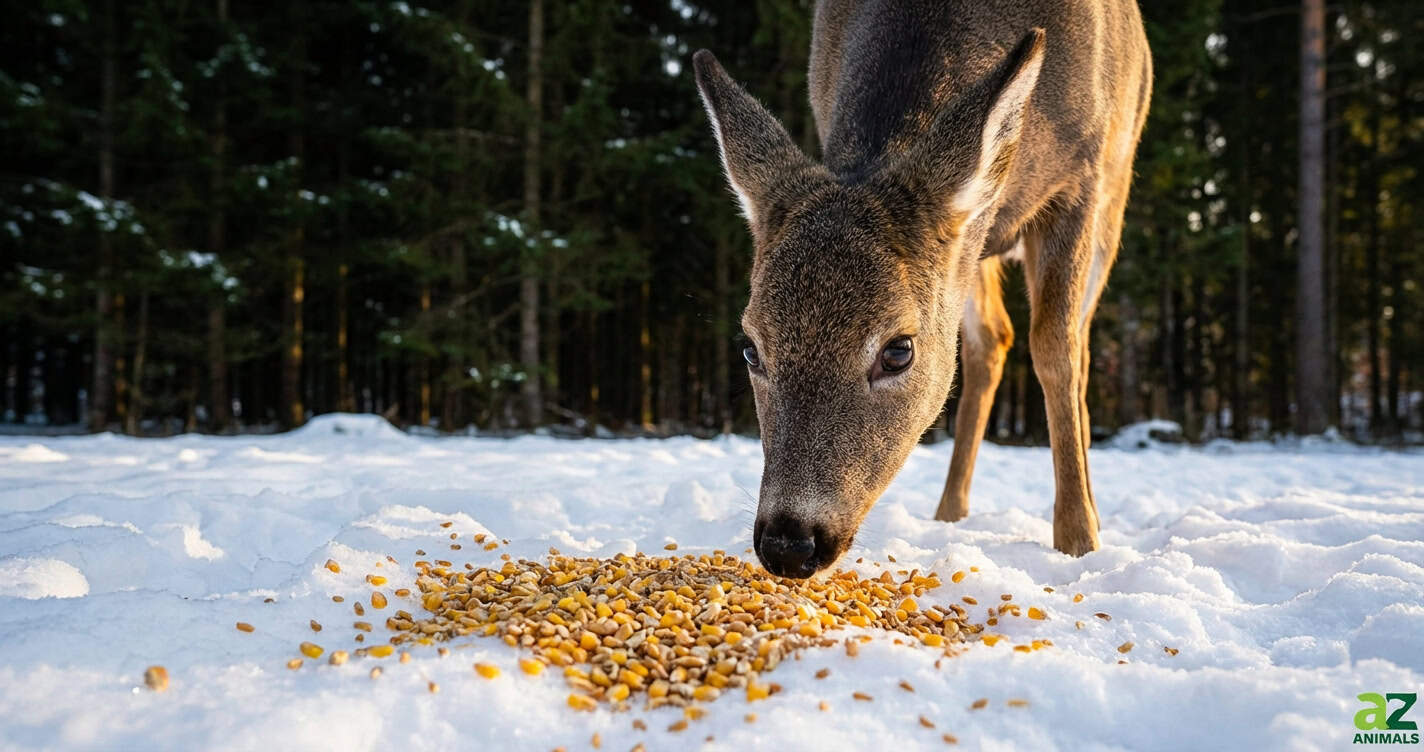
Avoid Feeding Animals
Never intentionally feed wildlife.
Animals that associate humans with food become dangerous over time.
Keep a Clean Campsite
Food scraps, trash, and strong odors attract animals.
Dispose of waste properly and clean cooking areas thoroughly.
Learn Local Wildlife Risks
Different regions have different concerns, including:
- Bears
- Snakes
- Coyotes
- Insects
- Mountain lions
Understanding local wildlife improves safety and preparedness.
Campsite Security and Survival Awareness
Prepared campers always think ahead.
Carry Basic Survival Gear
Important survival items include:
- Knife or multitool
- Flashlight
- First aid kit
- Fire starter
- Compass
- Emergency blanket
- Extra batteries
- Map
Even short camping trips can become emergencies unexpectedly.
Tell Someone Your Plans
Always inform someone where you are going and when you plan to return.
This simple step can save lives if something goes wrong.
Monitor Weather Conditions
Weather changes rapidly outdoors.
Portable weather radios or downloaded forecasts help campers stay informed.
Leave No Trace Principles
Responsible campers protect the outdoors for future generations.
The Leave No Trace philosophy encourages minimizing environmental impact.
Basic principles include:
- Pack out all trash
- Respect wildlife
- Avoid damaging vegetation
- Stay on established trails
- Minimize campfire impact
- Leave natural areas as you found them
Good campers leave campsites cleaner than they found them.
Common Beginner Camping Mistakes
Most camping mistakes are avoidable with preparation.
Common beginner errors include:
- Bringing too much gear
- Forgetting rain protection
- Poor food storage
- Improper fire safety
- Choosing unsafe campsites
- Underestimating cold temperatures
- Failing to purify water
- Not testing gear before the trip
Experience helps, but preparation matters even more.
Why Camping Builds Survival Skills
Camping teaches practical self-reliance in ways modern daily life often does not.
Outdoor experiences help people develop:
- Problem-solving skills
- Confidence
- Adaptability
- Fire-building ability
- Navigation skills
- Shelter setup knowledge
- Emergency preparedness habits
Even basic camping trips can become valuable survival training opportunities.
Final Thoughts
Setting up a campsite is more than simply pitching a tent.
A well-designed campsite improves safety, comfort, organization, and overall preparedness in the outdoors.
The more time you spend camping, the more you learn how small decisions affect your experience. Proper shelter placement, fire safety, food storage, and organization all play important roles in successful outdoor adventures.
You do not need expensive gear or years of wilderness experience to become a capable camper.
Start simple. Practice often. Learn from each trip.
Camping is one of the best ways to build confidence, preparedness, and survival knowledge while enjoying the outdoors.
The wilderness rewards preparation.
And every campsite is a chance to sharpen your skills.