The outdoors has a way of stripping life down to its essentials, and in that simplicity, every small trick can make a huge difference. Time spent in the wild taught me that survival is not just about strength or endurance but about efficiency, creativity, and awareness. A simple adjustment in how I gather wood, build shelter, or manage water can save hours of effort and reduce risk. Over time, I picked up practical bushcraft hacks that turn difficult situations into manageable ones, and these are the kind of skills that quietly make survival not just possible, but far more comfortable.
Fire Starting Tricks That Save Time And Energy
Starting a fire in less-than-ideal conditions can quickly become frustrating, especially when everything around is damp or the wind refuses to cooperate. One trick that consistently works for me is carrying a small stash of natural tinder that lights easily, such as dried grass mixed with tree resin or cotton soaked in wax. Even if the environment is wet, having reliable tinder gives me a strong head start. It eliminates the need to search endlessly for perfect materials when conditions are already working against me.
Another method I rely on is feathering sticks properly instead of rushing through the process. Shaving thin curls from dry inner wood creates a surface area that catches sparks more effectively. Taking a few extra minutes to prepare these shavings often means the difference between struggling for an hour and having a steady flame within minutes. Fire building is not about speed alone but about preparation and patience.
Wind management also plays a huge role in successful fire starting. Positioning the fire behind natural windbreaks like rocks or logs helps maintain heat and keeps sparks from being blown away. If natural barriers are not available, I improvise by stacking green branches or even using my pack as temporary protection. These small adjustments reduce wasted effort and make fire-starting far more reliable.

Smarter Ways To Collect And Purify Water
Water is always a priority, and finding it is only half the challenge. Making it safe to drink without advanced equipment requires a mix of awareness and simple techniques. One hack I often use is collecting morning dew by dragging a piece of cloth across grass and wringing it into a container. It may not yield large amounts quickly, but it can provide enough hydration in desperate situations.
Improvising a basic filtration system using layers of sand, charcoal, and cloth can significantly improve water quality before boiling. Charcoal, especially from a clean fire, helps remove impurities and improves taste. Even though boiling is still necessary, this step makes the water safer and more palatable, which is important for maintaining morale and health over time.
Another trick involves identifying natural indicators of water sources. Lush green vegetation, insect activity, and animal tracks often point toward nearby water. Instead of wandering aimlessly, paying attention to these signs conserves energy and increases the chances of success. Efficiency in water gathering can mean the difference between staying hydrated and exhausting valuable resources.
Shelter Building With Less Effort
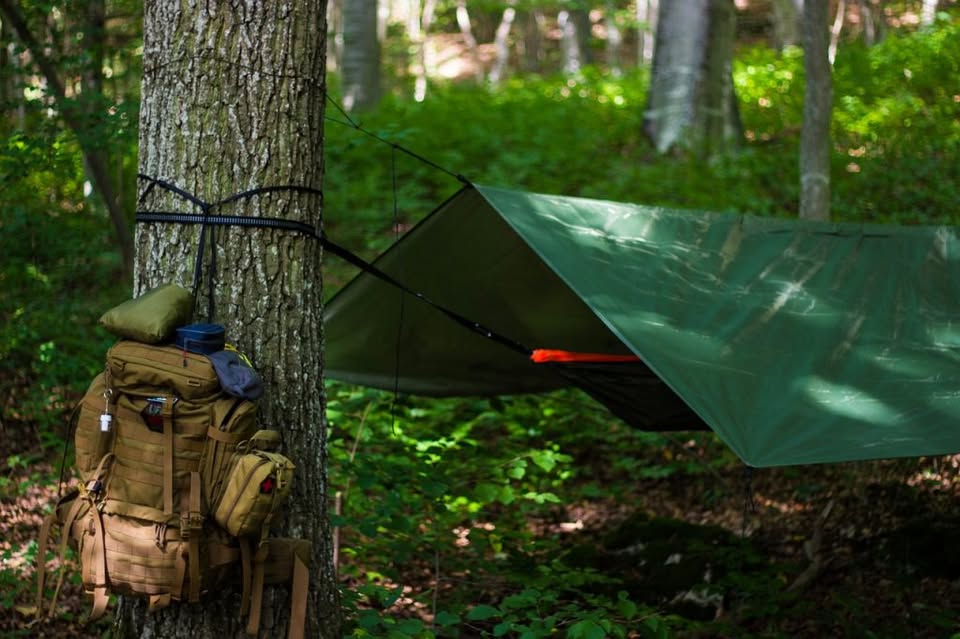
Building a shelter does not need to be a massive undertaking if the right approach is used. One of the most effective hacks is using what the environment already provides rather than starting from scratch. Fallen trees, rock formations, and dense bushes can act as the foundation for a shelter, reducing the amount of construction needed.
A simple lean-to structure, when positioned correctly, can provide excellent protection against wind and rain. Placing it opposite the direction of prevailing winds and adding layers of foliage improves insulation. The thicker the natural covering, the better it retains warmth, especially during cold nights. Small adjustments in placement and layering can significantly increase comfort.
Ground insulation is often overlooked but makes a huge difference in maintaining body heat. Lying directly on the ground drains warmth quickly, so adding a thick layer of leaves, pine needles, or even bark creates a barrier. Spending extra time on ground preparation pays off throughout the night by preventing heat loss and improving sleep quality.
Efficient Food Gathering Techniques
Finding food in the wild requires both knowledge and adaptability. One of the simplest hacks is focusing on reliable, easy-to-identify sources rather than taking risks with unfamiliar plants. Edible insects, for example, provide protein and are often easier to find than larger game. Roasting them over a fire improves both safety and taste.
Setting simple traps can also increase food availability without constant effort. A basic snare made from cordage can be placed along animal trails, allowing me to conserve energy while waiting for results. Positioning traps strategically based on signs like tracks or droppings increases the chances of success significantly.
Fishing can be made easier with improvised tools. Crafting a basic fishing line from natural fibers or using a sharpened stick as a spear allows for multiple approaches. Observing fish behavior and choosing the right time, such as early morning or dusk, improves efficiency. Combining patience with simple tools often leads to better outcomes than relying on brute force.
Tools And Gear Hacks For Survival
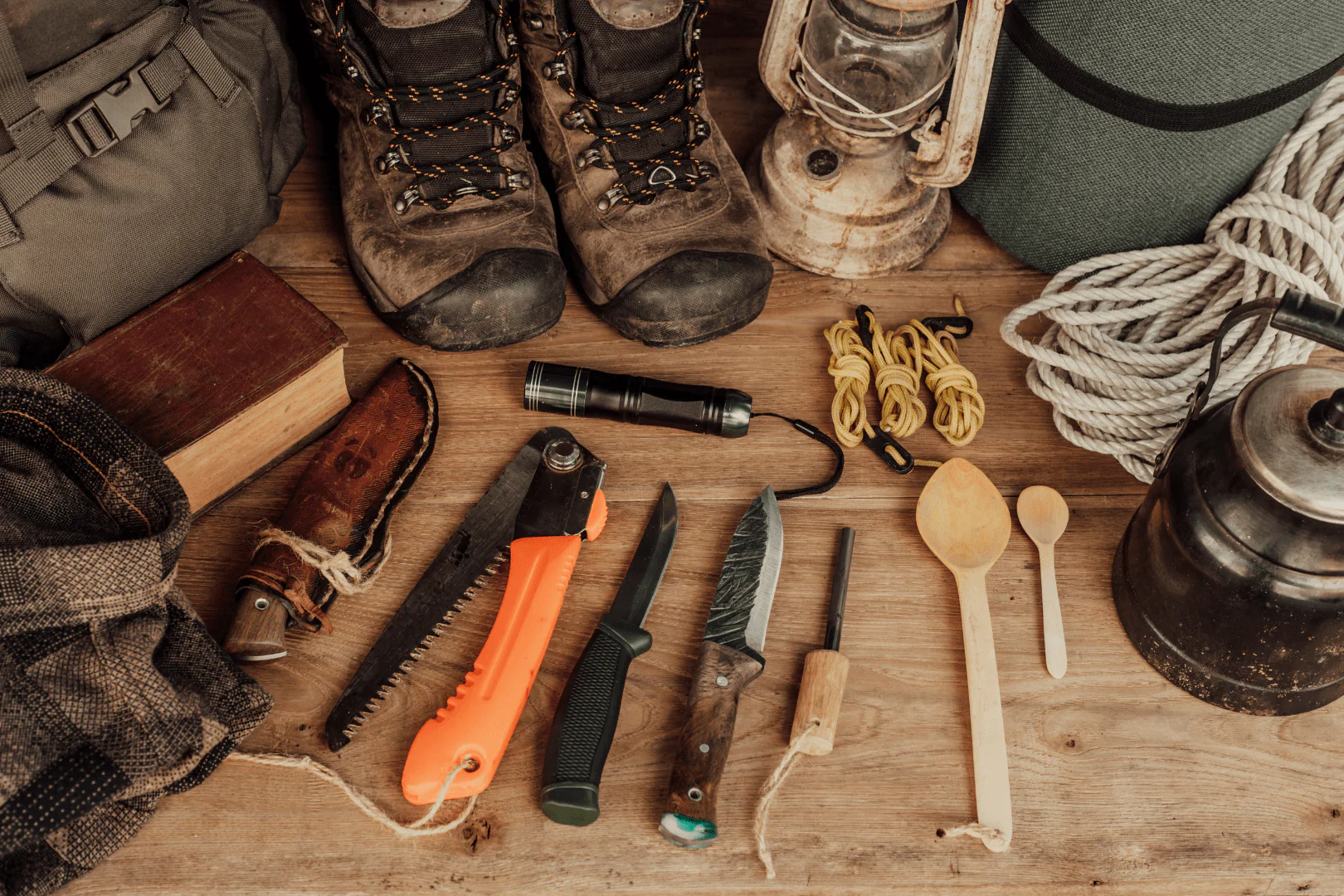
Carrying the right tools is important, but knowing how to maximize their use is even more valuable. A single knife, for instance, can serve multiple purposes when handled properly. From carving wood to preparing food and even creating sparks with the back of the blade, versatility is key.
Improvisation plays a major role in extending the usefulness of gear. A piece of paracord can be unraveled into smaller strands for finer tasks like sewing or fishing. Even broken equipment can often be repurposed rather than discarded. This mindset reduces waste and ensures that every item continues to serve a purpose.
Keeping tools dry and well-maintained is another simple but effective habit. Moisture can lead to rust or damage, making tools less reliable when they are needed most. Storing them in a protected area or wrapping them in cloth helps preserve their condition. Small maintenance efforts go a long way in ensuring long-term functionality.
Navigation Without Modern Devices
Losing direction in the wilderness can quickly escalate into a dangerous situation. One reliable method I use is observing the sun’s movement to determine general direction. The sun rises in the east and sets in the west, providing a basic but effective reference point throughout the day.
Natural landmarks also play an important role in navigation. Mountains, rivers, and unique tree formations can serve as guides when moving through unfamiliar terrain. Taking mental notes of these features helps maintain orientation and prevents unnecessary wandering.
Another helpful technique involves marking the path as I move. Small indicators like stacked stones or broken twigs create a trail that can be followed back if needed. This approach reduces the risk of getting lost and provides a sense of control in an otherwise unpredictable environment.
Staying Warm And Dry In Harsh Conditions
Cold and wet conditions can quickly drain energy and morale, making it essential to stay protected. Layering clothing is one of the simplest ways to retain heat. Instead of relying on a single thick layer, multiple thinner layers trap warmth more effectively and allow for adjustments based on activity level.
Drying wet clothing near a fire requires careful attention to avoid damage. Placing items at a safe distance and rotating them ensures even drying without burning. Managing moisture is critical because damp clothing can lead to rapid heat loss and discomfort.
Another trick involves using natural materials to enhance insulation. Stuffing clothing with dry leaves or grass can provide additional warmth in emergencies. While it may not be the most comfortable solution, it can make a significant difference in survival situations.
Managing Energy And Reducing Fatigue
Energy conservation is often overlooked but plays a crucial role in survival. Instead of rushing through tasks, pacing activities helps maintain stamina over longer periods. Breaking tasks into smaller steps prevents exhaustion and allows for better decision-making.
Prioritizing essential tasks ensures that energy is used efficiently. Securing water, shelter, and fire should always come before less critical activities. This approach creates a stable foundation and reduces unnecessary stress.
Rest is equally important and should not be neglected. Taking short breaks throughout the day helps maintain focus and prevents burnout. A well-rested mind and body are far more capable of handling challenges than one pushed to its limits.
Mental Resilience In The Wild
Survival is not just physical but also mental. Staying calm and focused during difficult situations allows for clearer thinking and better decisions. Panic often leads to mistakes, while a steady mindset helps navigate challenges effectively.
Setting small, achievable goals can make overwhelming situations feel manageable. Completing one task at a time builds confidence and creates momentum. This approach keeps morale high and prevents feelings of helplessness.
Maintaining a positive outlook, even in tough conditions, can have a powerful impact. Finding small comforts, like a warm fire or a successful meal, reinforces a sense of progress. These moments provide motivation to keep going and adapt to whatever the environment presents.
Adapting To Different Environments
Each environment presents unique challenges, and flexibility is essential. What works in a forest may not apply in a desert or mountainous region. Observing the surroundings and adjusting techniques accordingly ensures better outcomes.
In dense forests, focusing on shelter and fire becomes a priority due to moisture and limited sunlight. In open areas, managing exposure to the elements takes precedence. Recognizing these differences allows for more effective planning and execution.
Adapting also involves learning from experience. Mistakes provide valuable lessons that improve future decisions. Over time, these lessons build a deeper understanding of how to navigate and thrive in various conditions.
Small Hacks That Make A Big Difference
Some of the most useful bushcraft hacks are surprisingly simple. Using a reflective surface behind a fire can direct heat toward a shelter, increasing warmth without additional fuel. Hanging food away from the ground reduces the risk of attracting animals and keeps supplies safe.
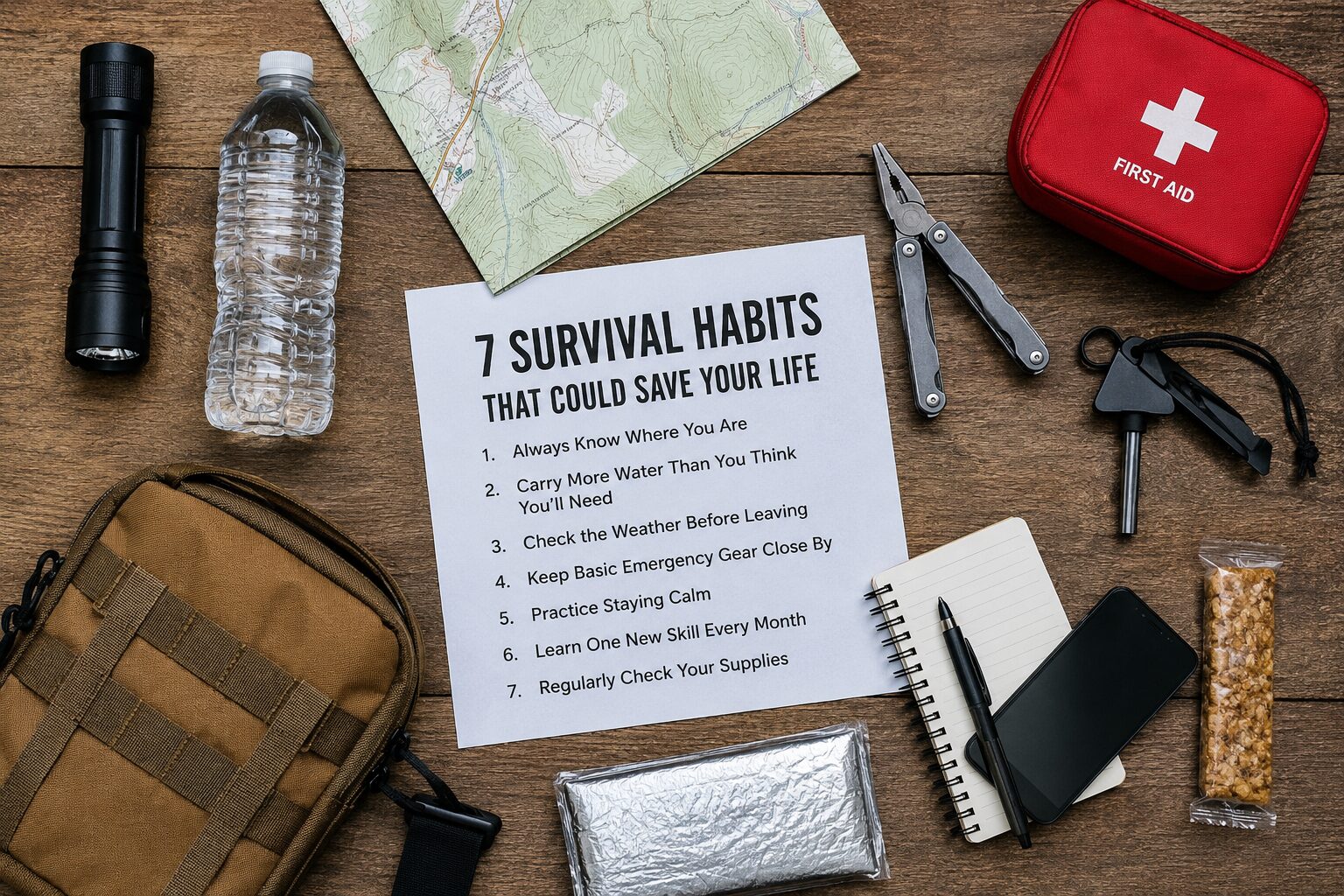
Collecting and storing resources whenever possible creates a buffer for unexpected situations. Extra firewood, water, or food can provide security and reduce stress. Preparation does not need to be complicated to be effective.
Even small habits, like organizing gear consistently, can save time and prevent frustration. Knowing exactly where each item is located eliminates unnecessary searching and allows for quicker responses. These seemingly minor details add up and make survival far more manageable.
The longer I spend practicing these techniques, the more I realize that survival is built on small, consistent actions rather than dramatic efforts. Each hack, no matter how simple, contributes to a larger system of efficiency and adaptability. With the right mindset and practical skills, the wilderness becomes less intimidating and more like a place where resourcefulness truly shines.