Economic instability is something I take seriously, not out of fear, but out of responsibility for my future and the people around me. The idea of a collapse might sound extreme, yet history has shown that financial systems can shift quickly and unexpectedly. I have learned that preparation is not about panic but about building resilience in practical, steady ways. By taking deliberate steps now, I can face uncertainty with more control and less anxiety, knowing that I am not entirely dependent on fragile systems.
Recognize The Warning Signs Early
I pay close attention to economic signals that often appear before major downturns. Rising inflation, increasing unemployment, supply chain disruptions, and growing national debt are not random events. They tend to build over time and eventually create pressure that can destabilize entire systems. Watching these indicators helps me avoid being caught off guard.
Beyond numbers, I also observe changes in everyday life. Prices creeping up at the grocery store or shortages of basic items can reveal more than headlines sometimes do. These small shifts remind me that preparation should begin before things become obvious to everyone else.
I avoid relying solely on mainstream narratives and instead compare multiple sources of information. This helps me form a clearer, more balanced view of what is happening. The goal is not to predict the exact moment of collapse but to recognize patterns early enough to act.

Reduce Dependence On A Single Income Source
Relying on one stream of income feels risky in an unstable economy. I make it a priority to diversify how I earn money, whether through freelance work, side businesses, or passive income streams. Even small additional sources can provide a safety net when the primary one is affected.
Building multiple income streams takes time, but starting early makes a huge difference. I focus on skills that are flexible and adaptable, such as digital services, online selling, or consulting. These options allow me to pivot quickly if my main job becomes unstable.
I also consider how resilient each income source is during economic downturns. Some industries suffer more than others, so I aim to balance my efforts across different sectors. This reduces the risk of losing everything at once.
Eliminate Debt And Strengthen Financial Control
Debt becomes a heavy burden when the economy weakens. I work toward reducing or eliminating it as much as possible, especially high-interest obligations like credit cards. The less I owe, the more freedom I have to navigate uncertain times.
I prioritize essential expenses and cut unnecessary spending wherever I can. This discipline not only helps me pay off debt faster but also trains me to live within my means. It becomes easier to adapt if income suddenly decreases.
Building an emergency fund is another critical step I focus on. Having several months’ worth of expenses saved gives me breathing room during disruptions. It allows me to make decisions calmly rather than out of desperation.
Build A Reliable Supply Of Essentials
I gradually stock up on essential items that I use regularly. This includes food, water, hygiene products, and basic medical supplies. I avoid panic buying and instead build my запас steadily over time.
Non-perishable foods are a key part of my preparation. I choose items with long shelf lives and rotate them to prevent waste. This ensures that what I store remains usable and fresh.
Water is equally important, and I make sure I have enough stored for emergencies. In addition, I consider simple ways to purify water if access becomes limited. These preparations give me peace of mind knowing that basic needs are covered.
Develop Practical Skills For Self-Sufficiency
Skills can be more valuable than money during a collapse. I focus on learning abilities that allow me to be more self-reliant, such as cooking from scratch, basic repairs, and food preservation techniques. These skills reduce my dependence on external systems.
Gardening is one area I invest time in, even on a small scale. Growing even a portion of my own food builds confidence and resilience. It also teaches patience and resourcefulness.
I also explore skills related to bartering and trade. In a disrupted economy, the ability to exchange goods and services directly becomes highly valuable. These capabilities strengthen my ability to adapt to different situations.
Secure Alternative Ways To Store Value
I avoid keeping all my resources in one form. Diversifying how I store value helps protect against sudden financial system failures. This includes holding cash, tangible assets, and other forms of wealth outside traditional banking systems.
Physical assets like tools, supplies, and durable goods can retain value even when currency loses purchasing power. I focus on items that have practical use rather than purely speculative value.
I also consider how accessible my resources are during emergencies. Having funds or assets that I can quickly access without relying on digital systems adds another layer of security.
Strengthen Community Connections
Isolation makes survival more difficult during challenging times. I actively build relationships with people around me, whether neighbors, friends, or local groups. A strong community can provide support, resources, and shared knowledge.
I contribute where I can, offering help and building trust over time. These connections often become reciprocal when needed most. Cooperation can make a significant difference in how well people navigate crises.
Sharing skills and resources within a community creates a network of resilience. It reduces the pressure on any single individual and increases overall stability.
Prepare For Disruptions In Services
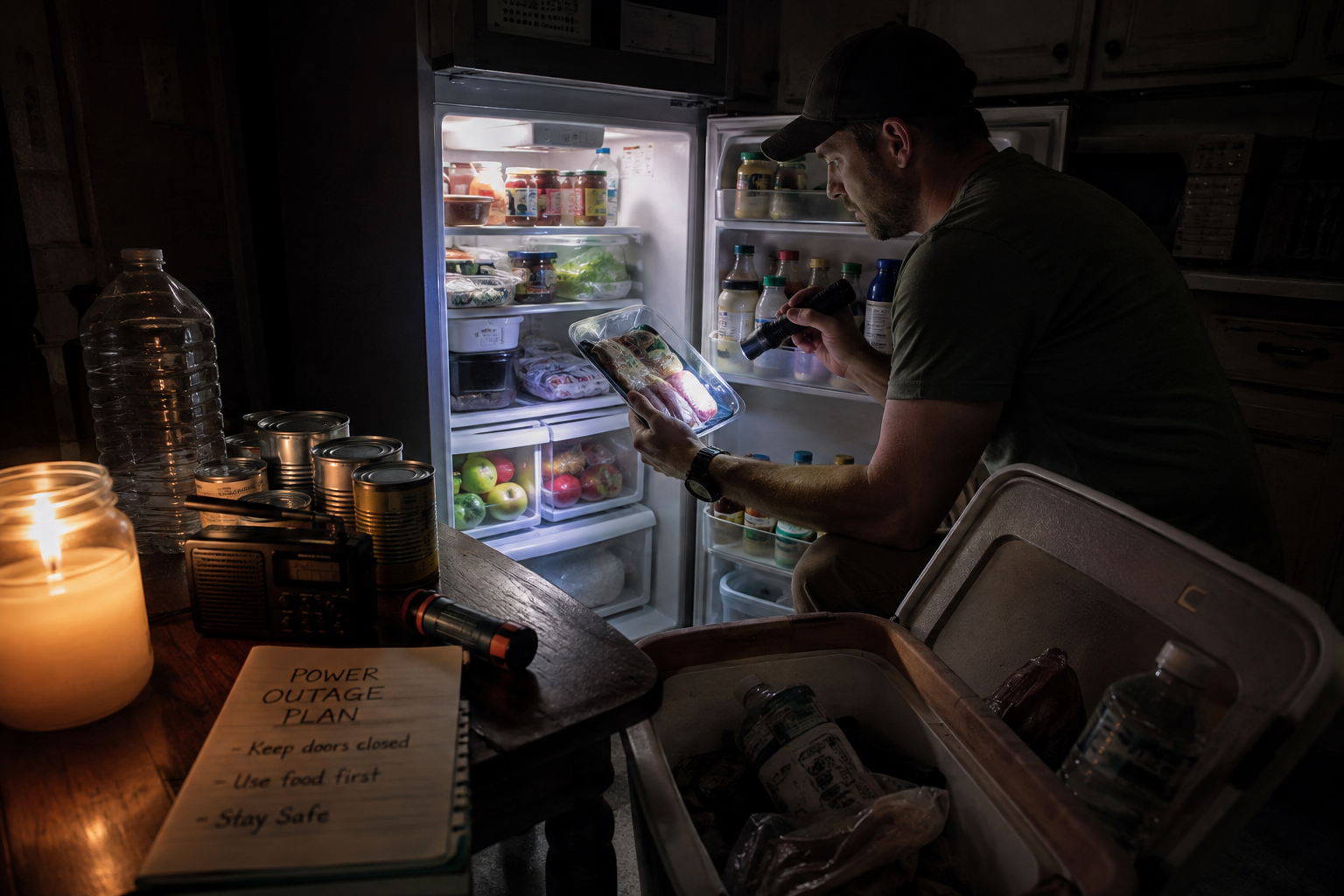
Essential services like electricity, transportation, and communication can become unreliable during economic collapse. I prepare for these possibilities by having backup options in place.
Simple tools such as flashlights, power banks, and alternative cooking methods can be extremely useful. These items do not need to be expensive, but they should be reliable and easy to use.
I also plan how to stay informed if regular communication channels fail. Having multiple ways to receive information helps me stay aware of what is happening and respond accordingly.
Protect Mental And Emotional Stability
Preparation is not only physical and financial but also mental. I focus on maintaining a calm and clear mindset, even when facing uncertainty. Panic can lead to poor decisions, so emotional resilience becomes just as important as practical readiness.
I limit exposure to overwhelming or sensational information. Instead, I stay informed in a balanced way that allows me to think rationally. This helps me remain focused on solutions rather than fear.
Maintaining routines and healthy habits supports my mental well-being. Regular exercise, proper rest, and meaningful activities keep me grounded during stressful times.
Create A Flexible Plan And Adjust Regularly
I treat preparation as an ongoing process rather than a one-time task. Circumstances change, and my plan needs to adapt accordingly. I regularly review my resources, skills, and strategies to ensure they remain effective.
Flexibility is key because no collapse follows an identical pattern. Being too rigid can limit my ability to respond to unexpected developments. I stay open to adjusting my approach based on new information.
I also test my preparedness in small ways, such as practicing using stored supplies or living on a reduced budget temporarily. These exercises reveal gaps and help me improve over time.
Final Thoughts On Staying Ready
Preparing for economic collapse is not about expecting the worst but about being ready for uncertainty. Each step I take strengthens my ability to handle disruptions without losing control. The process builds confidence and reduces dependence on systems that may not always be reliable.
By focusing on practical actions, I create a foundation that supports both stability and adaptability. Even if a full collapse never happens, these preparations still improve my everyday life. In the end, being prepared is less about fear and more about taking responsibility for my future with clarity and intention.