A power grid collapse can turn a normal day into a test of resilience within minutes. Lights go out, communication lines fail, and access to basic necessities becomes uncertain. I’ve spent time thinking through this scenario not out of fear, but out of a desire to stay capable and calm if it ever happens. Preparation is not about panic, it is about building confidence and control in situations where most people would feel lost.
Accepting The Reality Of A Grid Failure
A power grid collapse is not just a temporary blackout that lasts a few hours. It can stretch into days, weeks, or even longer depending on the cause and severity. I had to shift my mindset from expecting quick fixes to preparing for prolonged disruption. That change alone influenced every decision I made afterward.
Electricity supports almost everything in modern life, from water distribution to food storage and communication. Without it, daily routines fall apart quickly. I realized that preparing for a grid collapse meant preparing for a complete lifestyle shift, even if only temporarily.
I stopped thinking in terms of convenience and started thinking in terms of survival and sustainability. This helped me prioritize what truly matters when systems fail.

Securing A Reliable Water Supply
Water became my first and most important focus. Without electricity, pumps and filtration systems may stop working, making clean water scarce. I made sure to store enough water to last at least two weeks, calculating about one gallon per person per day.
Storing water alone is not enough because supplies can run out. I added water purification methods such as filters, purification tablets, and boiling techniques. These methods give me flexibility in case I need to collect water from alternative sources.
I also considered storage conditions carefully. Containers must be clean, sealed, and kept away from sunlight to prevent contamination. Taking these steps ensures that the water remains safe when I need it most.
Building A Long-Term Food Strategy
Food planning required more thought than just stocking up on snacks. I focused on non-perishable items that require little to no cooking, such as canned goods, dried foods, and ready-to-eat meals. This approach reduces dependency on fuel and complicated preparation.
I organized my supplies based on expiration dates and rotated them regularly. This way, nothing goes to waste and everything stays fresh. It also helped me become familiar with the meals I would rely on during an emergency.
Cooking without electricity was another factor I had to solve. I prepared alternative methods such as portable stoves and fuel sources, making sure I knew how to use them safely before any emergency happened.
Creating Backup Power Options
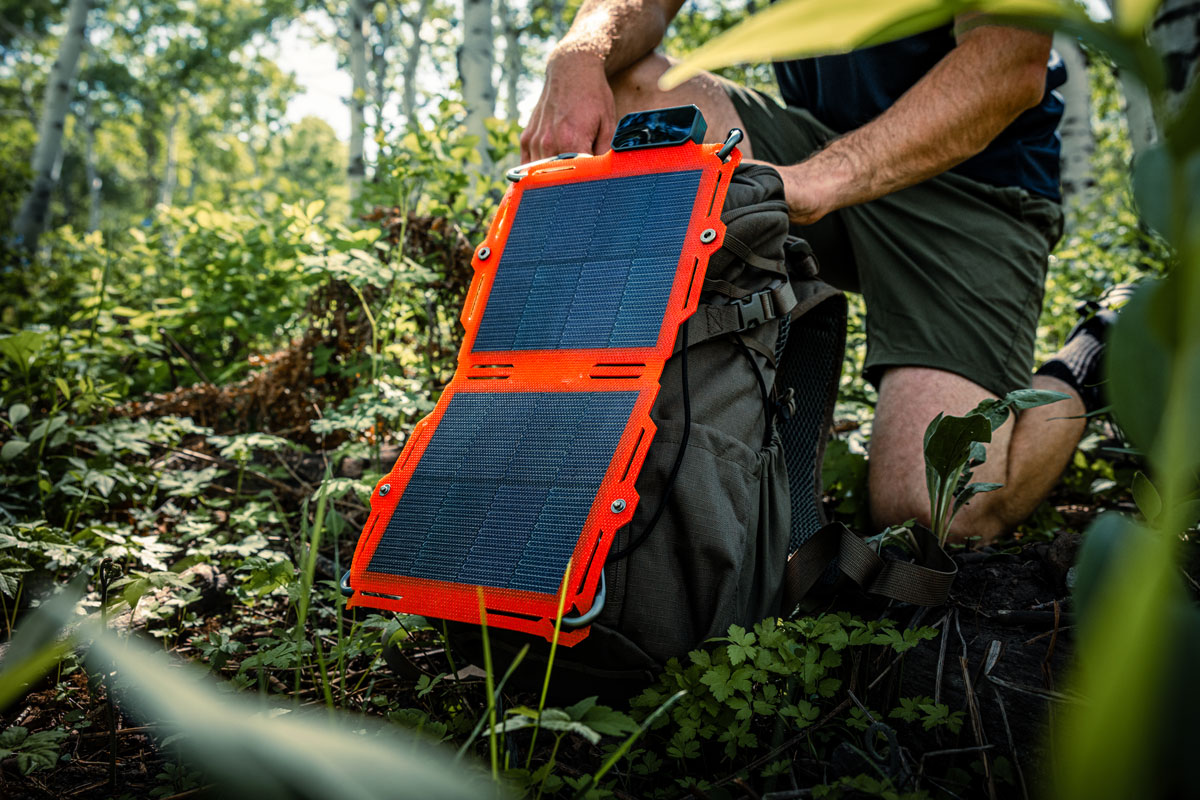
Living without electricity does not mean giving up all functionality. I explored backup power solutions that could support essential devices. Portable power stations and solar panels became key parts of my setup.
These systems allow me to charge phones, run small appliances, and maintain lighting. I focused on realistic expectations, knowing that backup power will not fully replace the grid. Instead, it provides just enough energy to stay connected and informed.
I also learned how to conserve power effectively. Limiting usage to essential tasks ensures that my backup systems last longer during extended outages.
Establishing Lighting And Visibility
Darkness changes everything, especially when a power grid collapse happens at night. I made sure to have multiple lighting options, including flashlights, lanterns, and candles. Each option serves a different purpose depending on the situation.
Battery-powered lights became my primary choice because they are safer and more reliable. I keep extra batteries stored properly to avoid leakage and damage. Rechargeable options also help reduce long-term dependency on disposable batteries.
Lighting is not just about convenience. It also improves safety by preventing accidents and making it easier to navigate unfamiliar conditions inside and outside the home.
Preparing For Communication Breakdown
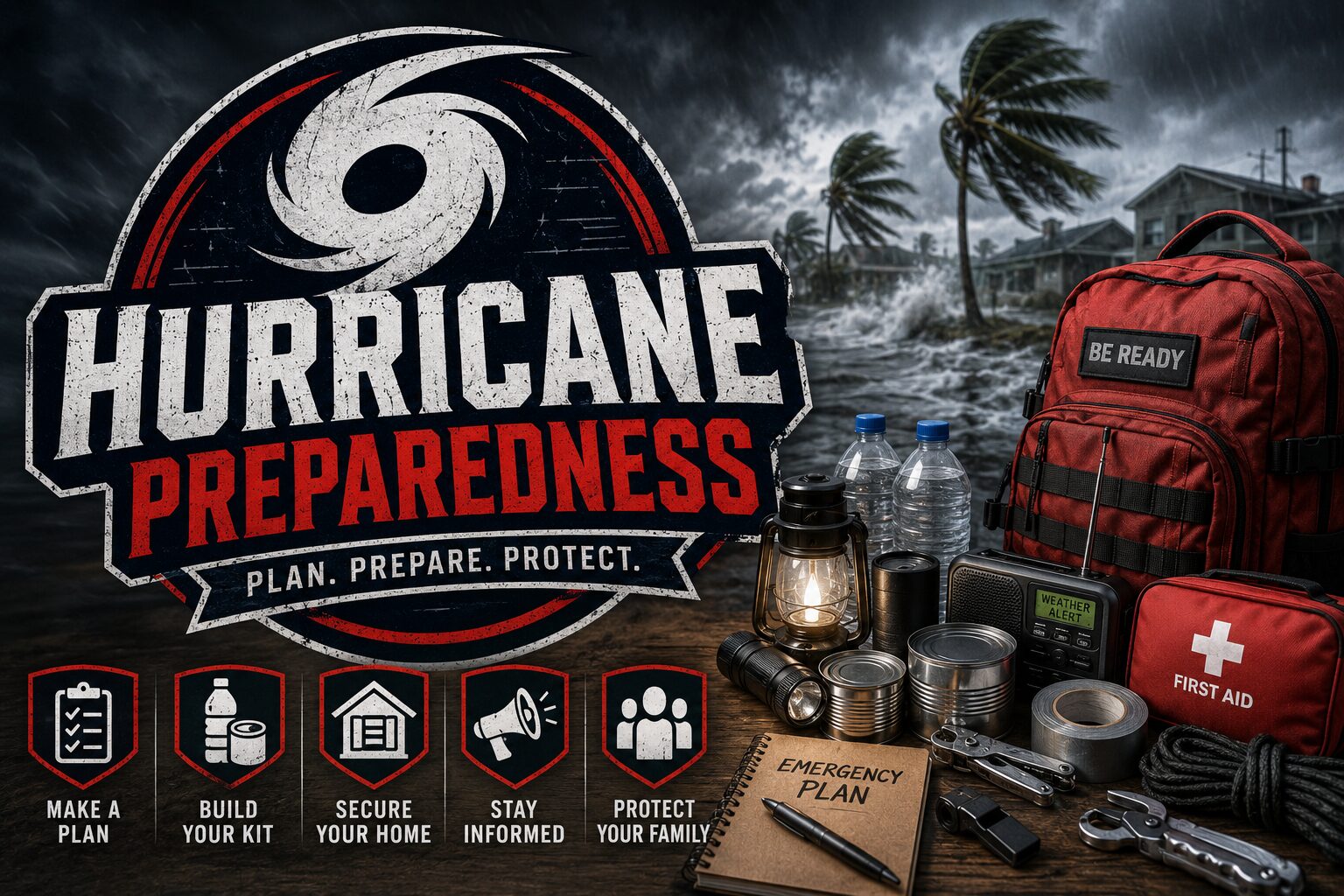
Communication systems often rely on electricity, which means they may fail during a grid collapse. I prepared for this by identifying alternative ways to stay informed. Battery-powered or hand-crank radios became essential tools in my kit.
These radios allow me to receive updates from emergency broadcasts even when internet and cellular networks are down. Staying informed helps me make better decisions and avoid unnecessary risks.
I also discussed plans with family members ahead of time. Establishing meeting points and communication strategies reduces confusion if we get separated during an emergency.
Maintaining Personal Safety And Security
A prolonged power outage can create uncertainty in communities. I took steps to improve my personal safety without becoming overly anxious. Simple measures like securing doors, reinforcing windows, and having basic self-defense tools made a difference.
Situational awareness became a priority. I paid attention to my surroundings and avoided unnecessary risks. Being alert helps prevent problems before they escalate.
I also focused on building trust with neighbors. A supportive community can provide additional security and assistance when needed, making it easier to navigate difficult situations together.
Managing Health And Hygiene
Health does not pause during a crisis, which means preparation must include hygiene and medical needs. I gathered basic medical supplies such as first aid kits, medications, and sanitation products. These items help handle minor injuries and maintain cleanliness.
Without running water or electricity, hygiene can become challenging. I prepared alternatives such as wet wipes, hand sanitizers, and portable sanitation solutions. These options help prevent illness and maintain a sense of normalcy.
I also paid attention to waste management. Proper disposal methods reduce health risks and keep living conditions manageable even during extended outages.
Planning For Temperature Changes
Electricity often controls heating and cooling systems, so losing it can make environments uncomfortable or even dangerous. I prepared for both cold and hot conditions depending on the season.
For colder situations, I gathered blankets, layered clothing, and safe heating options. Insulating living spaces helps retain warmth and reduce energy use. Small adjustments can make a significant difference in maintaining comfort.
In warmer conditions, I focused on ventilation and hydration. Staying cool prevents heat-related issues and improves overall well-being. Planning for temperature changes ensures that I remain adaptable regardless of the situation.
Organizing Essential Supplies
Preparation becomes more effective when everything is organized and accessible. I created designated storage areas for different categories such as food, water, tools, and medical supplies. This reduces stress and saves time during emergencies.
I labeled containers clearly so that I can find what I need quickly. This is especially important when visibility is low or when time is limited. Organization also helps me track inventory and identify what needs replenishment.
Regular checks became part of my routine. I review supplies periodically to ensure everything remains in good condition and ready for use.
Developing Practical Skills
Supplies alone are not enough without the skills to use them. I practiced basic survival techniques such as starting a fire, purifying water, and cooking without electricity. These skills increase confidence and reduce reliance on external help.
I also learned how to repair simple items and improvise solutions. Resourcefulness becomes valuable when access to tools and replacements is limited. Each skill adds another layer of preparedness.
Experience matters more than theory. Practicing these skills ahead of time ensures that I can perform them effectively under pressure.
Managing Mental And Emotional Resilience
A power grid collapse can be mentally exhausting, especially if it lasts longer than expected. I prepared myself by focusing on mindset and emotional stability. Staying calm allows me to think clearly and make better decisions.
I created simple routines to maintain structure during uncertain times. Even small habits can provide a sense of normalcy and reduce stress. Keeping busy with purposeful tasks also helps manage anxiety.
I reminded myself that preparation is not about eliminating fear completely. It is about having enough control to move forward despite it.
Creating A Family Emergency Plan
Preparation becomes more effective when everyone involved knows what to do. I developed a clear plan with my family, outlining roles and responsibilities. This reduces confusion and ensures that everyone contributes to the overall effort.
We discussed different scenarios and how to respond to each one. Having these conversations ahead of time makes it easier to act quickly during an actual event. It also builds confidence within the group.
We practiced parts of the plan to identify gaps and improve coordination. Repetition helps turn preparation into instinct.
Staying Adaptable In Changing Conditions
No plan is perfect, especially in unpredictable situations. I accepted that flexibility is essential when dealing with a power grid collapse. Being able to adapt quickly can make the difference between struggle and stability.
I focused on principles rather than rigid plans. This approach allows me to adjust based on available resources and changing conditions. It also encourages creative problem-solving when faced with unexpected challenges.
Preparation is an ongoing process. I continue to refine my approach as I learn more and gain experience.
Building A Sustainable Lifestyle Mindset
Preparing for a power grid collapse is not just about emergencies. It also encourages a more sustainable way of living. I started incorporating habits that reduce dependence on external systems even during normal times.
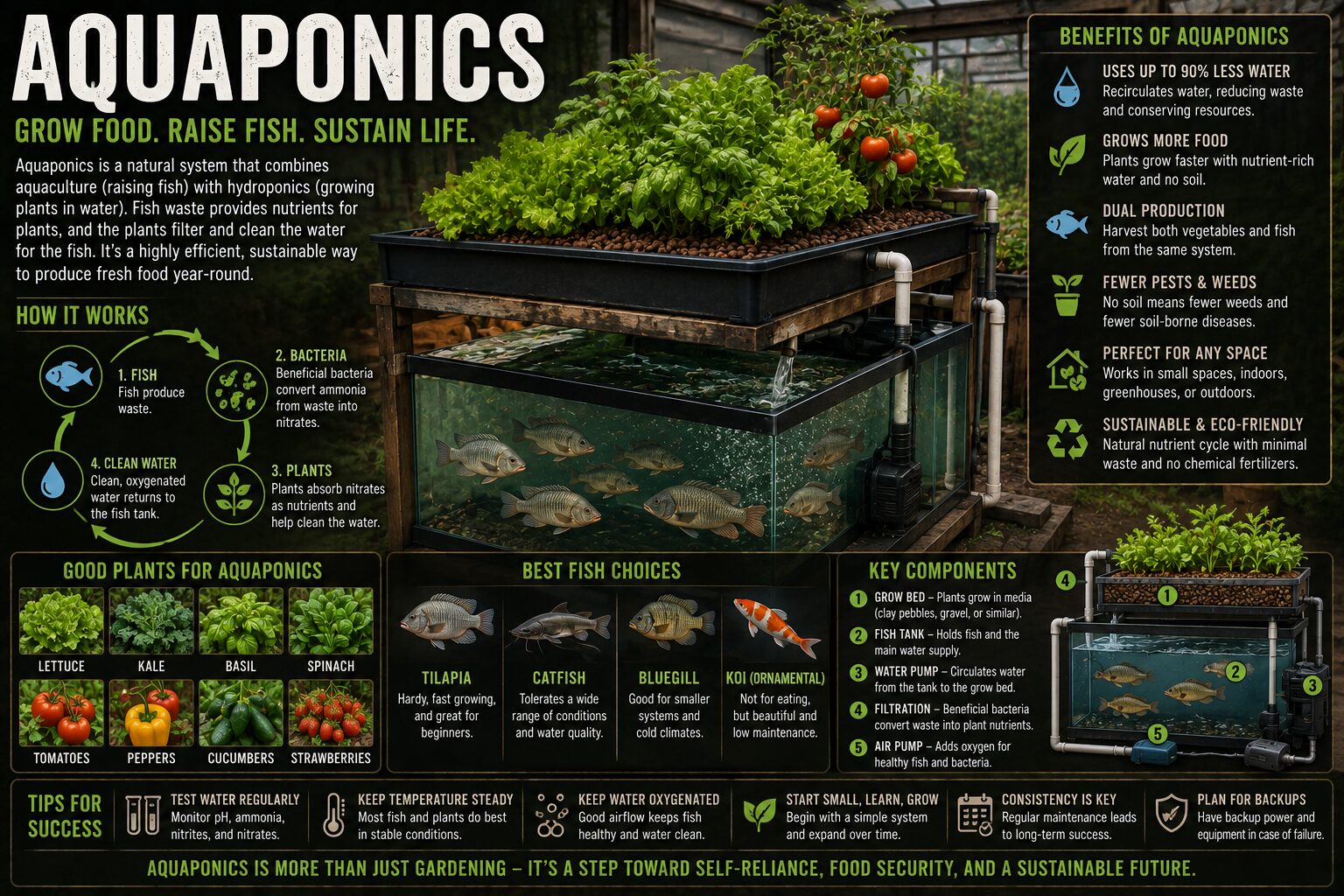
Simple practices like conserving energy, reducing waste, and growing some of my own food contribute to long-term resilience. These habits make the transition easier if a disruption occurs.
I found that preparation improves overall quality of life. It creates a sense of independence and confidence that extends beyond emergency scenarios.
Final Thoughts On Readiness
Preparing for a power grid collapse is not about expecting the worst at every moment. It is about being ready enough that the worst does not overwhelm you. I built my plan step by step, focusing on practical actions rather than unrealistic expectations.
Each layer of preparation adds stability and reduces uncertainty. From water and food to skills and mindset, everything works together to create a balanced approach. This process is not something I completed once and forgot, but something I continue to improve over time.
Confidence grows from preparation. Knowing that I have taken steps to protect myself and my family allows me to face uncertain situations with clarity and determination.