
Stepping into the outdoors has taught me that not all wilderness knowledge is built the same, even if it often gets grouped under a single idea of “surviving in the wild.” Over time, I’ve come to recognize a clear distinction between bushcraft and survival skills, not just in practice but in mindset, intention, and experience. Both disciplines demand awareness, adaptability, and respect for nature, yet they serve very different purposes. One focuses on thriving in the natural world with patience and skill, while the other is about getting through dangerous situations with urgency and efficiency. Exploring these differences has changed how I prepare, think, and move when I’m outside.
Defining Bushcraft in Practical Terms
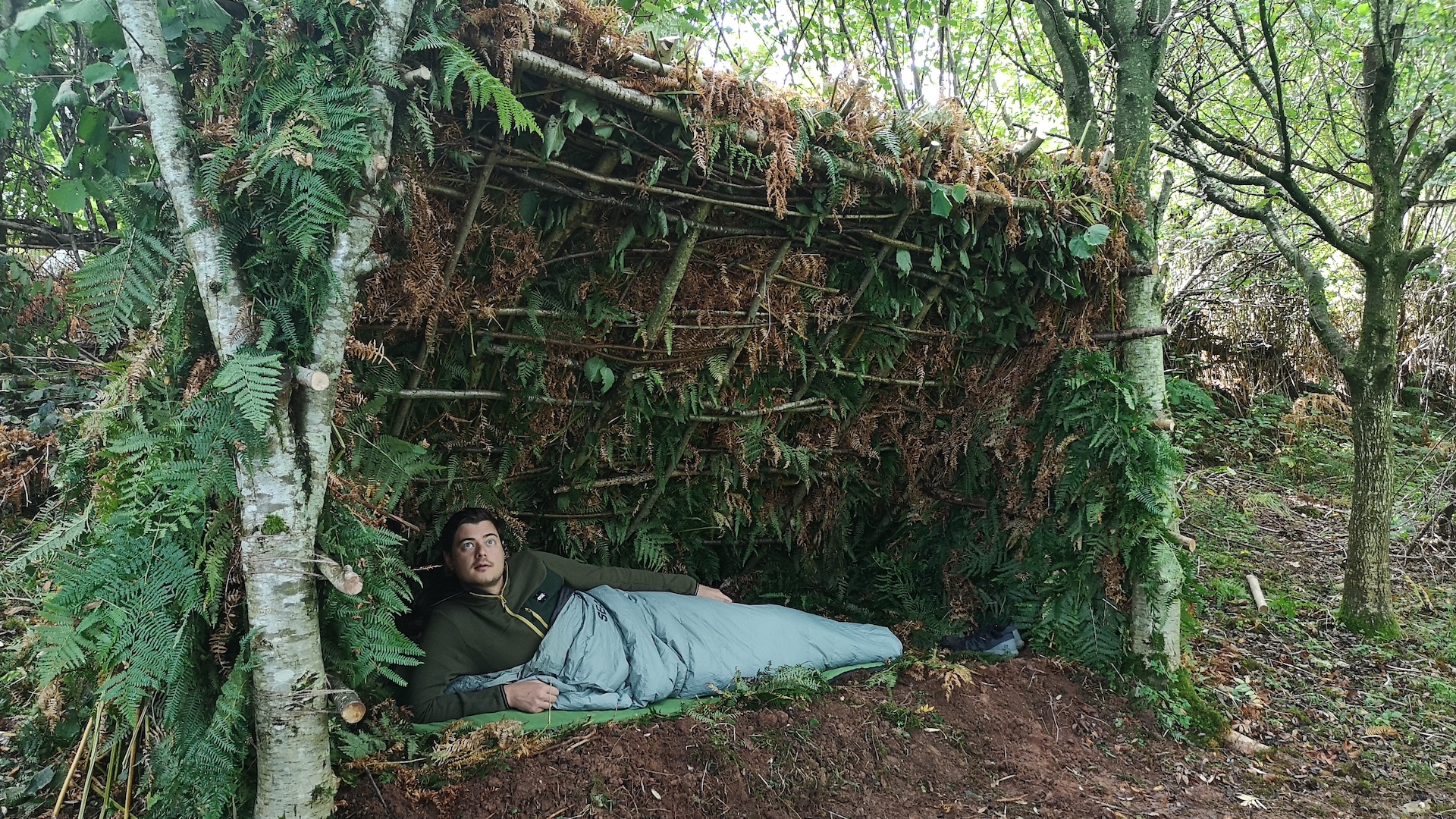
Bushcraft, in my experience, is a long-term relationship with the environment rather than a reaction to it. It revolves around living comfortably and sustainably in the wild using natural resources and traditional techniques. Skills like carving tools from wood, building shelters from available materials, and starting fires without modern tools are not just tasks but crafts refined over time. There’s a sense of rhythm in bushcraft that aligns closely with nature rather than working against it.
What stands out most about bushcraft is the intention behind every action. I don’t rush when practicing it because the goal is not immediate survival but ongoing comfort and self-reliance. Time becomes an ally instead of a threat, allowing space to observe surroundings and make thoughtful decisions. This approach transforms the wilderness from something intimidating into something familiar and even welcoming.
Another important aspect is the depth of knowledge required. Bushcraft demands an understanding of plants, weather patterns, animal behavior, and terrain. It’s not just about knowing what to do but knowing why something works. That deeper awareness builds confidence and reduces reliance on modern gear, which is often limited or unavailable in remote settings.

Survival Skills as Immediate Response
Survival skills, on the other hand, are rooted in urgency. They come into play when something has gone wrong, such as getting lost, injured, or stranded in an unfamiliar environment. The focus shifts entirely toward staying alive until rescue or escape is possible. Every action is driven by necessity, and decisions must often be made quickly with limited resources.
I’ve noticed that survival situations strip away any extra steps or comforts. There’s no time to craft the perfect shelter or experiment with different fire-starting methods. Instead, the goal is to create something functional as fast as possible. Improvisation becomes critical, and efficiency takes priority over perfection.
The mental state in survival scenarios is very different as well. Stress levels rise, and maintaining calm becomes just as important as any physical skill. Panic can lead to poor decisions, so controlling emotions is a fundamental part of survival training. This is where preparation and mindset truly show their value.
The Mindset Behind Each Discipline
The biggest difference I’ve experienced between bushcraft and survival skills lies in mindset. Bushcraft encourages patience, curiosity, and a sense of harmony with the environment. It’s about working with nature rather than trying to overcome it. This mindset allows for creativity and experimentation, which makes the experience both educational and fulfilling.
Survival, however, requires a more tactical and focused mindset. There’s little room for creativity when basic needs like shelter, water, and safety are at stake. The approach becomes more structured, often following proven methods designed to maximize chances of survival. It’s less about enjoying the process and more about enduring it.
Switching between these mindsets is not always easy. I’ve found that practicing bushcraft can actually improve survival readiness because it builds familiarity with natural materials and techniques. However, survival situations demand a level of decisiveness and mental resilience that goes beyond what bushcraft alone can teach.
Tools and Equipment Differences
Another clear distinction appears in the tools and equipment used. In bushcraft, I often rely on a few essential tools like a knife, an axe, and perhaps a saw. These tools are used repeatedly to create other tools, structures, and resources from the environment. The emphasis is on versatility and long-term use.
Survival situations, however, may limit access to tools entirely. I’ve had to think about what I would do if I lost my gear or had nothing but what I was carrying at the moment. This forces a different kind of preparation, focusing on adaptability and making use of whatever is available, even if it’s far from ideal.
There’s also a philosophical difference in how tools are viewed. In bushcraft, tools are extensions of skill and craftsmanship. In survival, tools are simply means to an end, valued for their immediate utility rather than their refinement or durability.
Time as a Defining Factor
Time plays a crucial role in separating these two disciplines. Bushcraft assumes that time is available, allowing for careful planning and execution. I can spend hours building a shelter that is comfortable, durable, and well-insulated. This investment pays off over days or even weeks spent in the wild.
Survival situations rarely offer that luxury. Time becomes a limiting factor, often dictated by weather conditions, daylight, or physical condition. Quick decisions and rapid actions are necessary, even if they result in less-than-ideal outcomes. The priority is to meet basic needs as quickly as possible.
This difference changes how I approach tasks. In bushcraft, I might refine a technique repeatedly to improve it. In survival, I focus on doing something that works immediately, even if it’s rough or temporary. That shift in approach highlights the contrast between preparation and reaction.
Learning Through Experience
My journey with both bushcraft and survival skills has been shaped largely by experience rather than theory. Reading about techniques is helpful, but applying them in real environments reveals their true value. Mistakes become powerful lessons, especially when they expose gaps in knowledge or preparation.
Bushcraft has taught me patience and attention to detail. Spending time in nature without pressure allows me to observe subtle changes and understand how different elements interact. This knowledge builds a strong foundation that supports both comfort and safety in the wild.
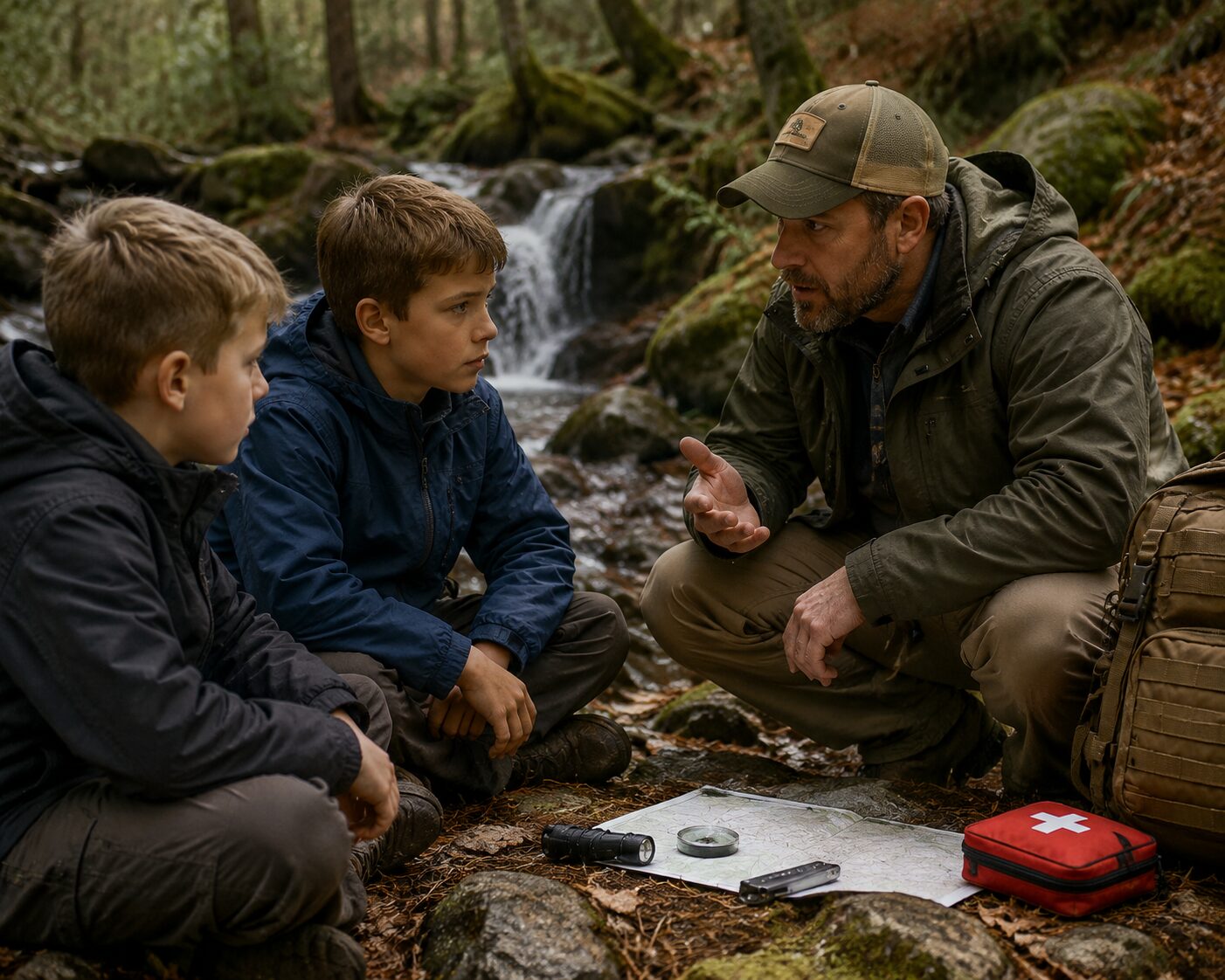
Survival training, on the other hand, has pushed me to think quickly and act decisively. Simulated scenarios have shown me how easy it is to overlook simple but critical steps under stress. These experiences reinforce the importance of staying calm and focused, even in challenging situations.
The Role of Environment
The environment plays a significant role in shaping both bushcraft and survival practices. Different terrains and climates require different approaches, and adapting to these conditions is essential. In bushcraft, I take time to study the environment and choose the best methods for living comfortably within it.
Survival situations often remove that luxury. I may find myself in an unfamiliar setting with little time to assess the surroundings. This makes adaptability even more important, as I have to rely on general principles rather than specific knowledge of the area.
Despite these differences, both disciplines benefit from environmental awareness. Recognizing signs of weather changes, understanding water sources, and identifying safe shelter locations are valuable skills in any situation. The more familiar I am with these elements, the better prepared I feel.
Physical and Mental Demands
Both bushcraft and survival skills require physical effort, but the type of effort differs significantly. Bushcraft involves steady, sustained work that can be physically demanding but is often balanced with periods of rest and reflection. This makes it more manageable over longer periods.
Survival situations can be physically exhausting in a different way. The need for quick action and constant vigilance can drain energy rapidly. Combined with stress and limited resources, this can make even simple tasks feel overwhelming.
Mental resilience becomes a critical factor in both cases. Bushcraft encourages a calm and methodical approach, while survival demands the ability to stay composed under pressure. Developing both types of resilience has been one of the most valuable aspects of my outdoor experiences.
Why Both Skills Matter
I’ve come to realize that bushcraft and survival skills are not opposing ideas but complementary ones. Each discipline fills gaps that the other leaves behind. Bushcraft builds a strong foundation of knowledge and comfort, while survival skills prepare me for unexpected challenges.
Relying on only one of these skill sets can leave me vulnerable. Bushcraft alone may not prepare me for emergencies, while survival skills without bushcraft knowledge can limit my ability to adapt and thrive. Combining both creates a more balanced and effective approach to outdoor living.
This balance also changes how I prepare for trips. I think about both long-term comfort and emergency readiness, ensuring that I have the skills and mindset needed for different scenarios. This dual focus adds confidence and reduces uncertainty.
Final Thoughts on the Difference
The distinction between bushcraft and survival skills becomes clearer the more time I spend practicing both. Bushcraft is about living well in the wild, taking time to build, create, and connect with the environment. Survival skills are about staying alive when things don’t go as planned, relying on quick thinking and decisive action.
Both disciplines have shaped how I see the outdoors. They’ve taught me that preparation is not just about gear but about mindset and adaptability. The wilderness can be both a place of peace and a place of challenge, depending on how I approach it.
Recognizing the difference between these two skill sets has made me more capable and aware. It has also deepened my respect for nature and the knowledge required to navigate it safely. That awareness continues to grow with every experience, reminding me that there is always more to learn.