There’s nothing quite like heading into the outdoors with everything you need on your back, setting up camp, cooking over a stove, and spending a night away from the noise of everyday life.
But even experienced campers forget things.
A missing lighter, wet sleeping bag, dead flashlight or lack of clean drinking water can quickly turn a relaxing camping trip into a miserable one.
That’s why having a reliable camping checklist is one of the easiest ways to prepare for an outdoor adventure.

Whether you’re heading to an established campground for the weekend or planning a more remote backcountry trip, this Survival Boys camping checklist will help you cover the essentials.
1. Shelter and Sleeping Gear
Your shelter is your first line of defense against rain, wind, insects and changing temperatures.
Start with:
- Tent
- Tent poles and stakes
- Groundsheet or footprint
- Sleeping bag
- Sleeping pad or camping mattress
- Pillow
- Extra blanket for colder conditions
- Tarp or emergency shelter
For a family or group trip, the Automatic Tent Outdoor 3-4 People Thickened Rainproof Camping Tent is one option to consider. For sleeping comfort, the 2 Person Self-inflating Camping Mattress can provide additional cushioning at camp.
If you need a sleeping bag, the Camping Thin Portable Envelope Cotton Sleeping Bag is another item worth considering for your camping kit.
Before leaving home, set your tent up once. Check the poles, stakes, zippers and guy lines.
A five-minute equipment check at home is much better than discovering something is missing after dark.
2. Clothing
The right clothing can make a huge difference outdoors.
Don’t simply pack according to the weather you expect. Pack for the weather you might encounter.
A basic clothing checklist includes:
- Moisture-wicking base layer
- T-shirts
- Long-sleeve shirt
- Hiking trousers or durable pants
- Shorts for warm weather
- Fleece or warm mid-layer
- Waterproof jacket
- Extra socks
- Underwear
- Hat or beanie
- Gloves when appropriate
- Sturdy hiking boots
- Camp shoes or sandals
One of the best camping habits is bringing an extra pair of socks.
Wet feet can become miserable surprisingly quickly, particularly on longer hikes.
Pack clothing in a waterproof bag or dry sack when possible. If rain moves in, having one completely dry set of clothes can make a huge difference.
3. Food and Cooking Equipment
You don’t need a gourmet kitchen in the woods, but you do need a dependable way to prepare food.
Consider packing:
- Camping stove
- Fuel
- Lighter or waterproof matches
- Cooking pot or pan
- Mug
- Plate or bowl
- Spoon, fork or spork
- Knife
- Water bottles
- Water filter or purifier
- Food storage containers
- Trash bags
- Biodegradable soap
- Small sponge
For a more complete cooking setup, the 16 Camping Cookware Sets from Outlast Camp is designed for outdoor cooking and includes multiple pieces for preparing meals at camp.
Plan your meals before you leave.
Simple food is often the best camping food. Oatmeal, dehydrated meals, pasta, rice, sandwiches, trail mix, nuts and energy bars are all easy options.
Don’t Forget Water
Water deserves special attention.
Always bring enough drinking water for your trip or have a reliable method of treating water from a natural source.
One option is the Multistage Outdoor Water Purifier for Emergency Camping Wilderness Survival, which is designed for outdoor water treatment and uses multiple filtration stages.
Never assume that a stream, lake or spring is safe to drink from simply because the water looks clean.
4. Fire and Camp Tools
A fire can provide warmth, light and a place to cook, but fire safety should always come first.
Your basic fire and camp-tool checklist might include:
- Multiple fire-starting methods
- Waterproof matches
- Lighter
- Fire starter
- Small saw
- Camp hatchet where legal and appropriate
- Work gloves
- Folding shovel
- Bucket or container for water
- Multi-tool
It’s smart to carry at least two different ways to start a fire.
For example, carry a lighter as your primary method and waterproof matches or another fire starter as a backup.
You can also browse My Survival Outlet for additional survival and preparedness equipment to round out your camp kit.
Before building a fire, check local regulations and campground rules. During dry conditions, fires may be restricted or completely prohibited.
5. Navigation and Communication
Getting lost is one of the easiest ways for a fun camping trip to become a serious situation.
Don’t rely entirely on your phone.
Pack:
- Paper map
- Compass
- Fully charged phone
- Portable power bank
- GPS device if appropriate
- Whistle
- Headlamp
- Spare batteries
A physical compass remains an important backup when batteries die or cell service disappears.
The M2 Outdoor Professional Geological Compass is one compass option available from Outlast Camp.
For nighttime navigation, the 1Pc Motion Sensor LED Headlamp provides hands-free lighting and multiple lighting modes.
Before your trip, tell someone where you’re going and when you expect to return.
If your plans change significantly, let them know.
6. First Aid and Emergency Gear
Your first-aid kit doesn’t need to be enormous, but it should cover common problems.
A useful kit can include:
- Adhesive bandages
- Gauze
- Medical tape
- Antiseptic wipes
- Blister treatment
- Tweezers
- Small scissors
- Pain reliever
- Personal medications
- Disposable gloves
- Elastic bandage
- Emergency blanket
For a more comprehensive emergency kit, the 125 In 1 Survival Kit combines survival equipment and first-aid supplies in one kit.
Another option is the SE Tactical First Aid Kits Outdoor Emergency Kit for campers who want a dedicated first-aid and emergency kit.
Remember that a commercial survival kit shouldn’t replace knowledge and preparation. Know how to use the equipment you’re carrying.
7. Personal and Hygiene Items
Camping doesn’t mean you have to abandon basic hygiene.
Pack:
- Toothbrush
- Toothpaste
- Toilet paper
- Hand sanitizer
- Biodegradable soap
- Small towel
- Wet wipes
- Sunscreen
- Insect repellent
- Lip balm
- Personal medications
- Quick-dry towel
Keep toiletries packed in a waterproof bag.
That way, if something leaks—or your backpack gets wet—you won’t end up with toothpaste covering everything else.
8. Backpack and Organization
A good camping checklist isn’t just about what you bring. It’s also about how you pack it.
Keep frequently used items where you can reach them quickly.
Your rain jacket shouldn’t be buried underneath your sleeping bag. Your water bottle should be accessible, and your first-aid kit should be easy to locate.
Useful organization and carrying gear includes:
- Backpack
- Dry bags
- Waterproof stuff sacks
- Packing cubes
- Zip-top bags
- Small repair kit
- Gear tape
- Paracord or utility cord
For longer hikes, the 40L Mountaineering Bag Hiking Camping Backpack offers a larger pack option for carrying camping equipment.
For even more capacity, the Large Capacity Hiking Backpack Camping Travel is listed with a 56–75L capacity.
Use waterproof bags for anything that absolutely cannot get wet, such as matches, electronics, maps and spare clothing.
9. Don’t Forget the Small Stuff
It’s often the little things that make the biggest difference.
Before leaving, double-check:
- Sunglasses
- Watch
- Camera
- Power bank
- Charging cables
- Earplugs
- Multi-tool
- Gear tape
- Extra cord
- Car keys
- Wallet
- Identification
- Campsite reservation information
A headlamp, compass and emergency kit can be especially useful when something unexpected happens.
The 125Pcs Survival Kits Professional Emergency Survival Gear Tactical First Aid Kit is another compact option worth considering when building a preparedness kit.
Make a habit of checking your pockets, vehicle and campsite before leaving.
10. Pack for the Worst Reasonable Scenario
You don’t need to prepare for every disaster imaginable.
Instead, think about what could realistically go wrong on your particular trip.
Heading out for one night at an established campground? Your gear requirements will be very different from a three-day backcountry trip.
Ask yourself:
What happens if it rains?
What happens if it gets colder than expected?
What happens if my phone dies?
What happens if I get injured?
What happens if I have to stay an extra night?
Those questions help you identify the gear that actually matters.
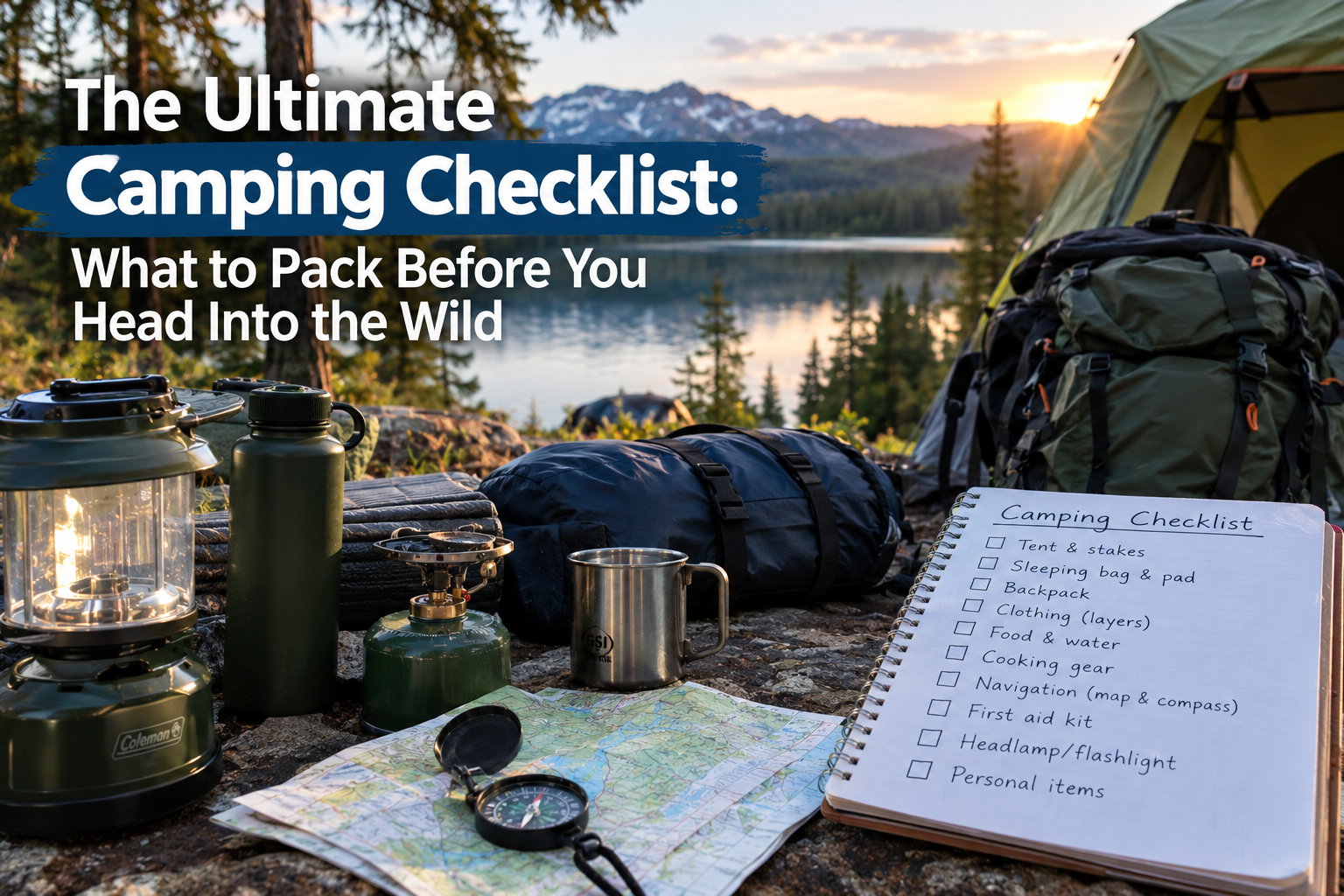
The Survival Boys Camping Checklist
Before you close the front door, run through this quick checklist:
Shelter
- ☐ Tent and poles
- ☐ Stakes
- ☐ Groundsheet
- ☐ Sleeping bag
- ☐ Sleeping pad
Clothing
- ☐ Warm layers
- ☐ Waterproof jacket
- ☐ Extra socks
- ☐ Suitable footwear
- ☐ Hat and gloves if needed
Food & Water
- ☐ Food
- ☐ Water
- ☐ Water filter/purification
- ☐ Stove and fuel
- ☐ Cooking equipment
- ☐ Fire-starting equipment
Navigation
- ☐ Map
- ☐ Compass
- ☐ Phone
- ☐ Power bank
- ☐ Headlamp
- ☐ Whistle
Safety
- ☐ First-aid kit
- ☐ Emergency blanket
- ☐ Emergency shelter
- ☐ Repair kit
Personal
- ☐ Toiletries
- ☐ Toilet paper
- ☐ Sunscreen
- ☐ Insect repellent
- ☐ Medications
Before You Leave
- ☐ Check the weather
- ☐ Check fire restrictions
- ☐ Check campground rules
- ☐ Tell someone your plans
- ☐ Check your equipment
- ☐ Leave No Trace
Final Thoughts
Good camping isn’t about owning the most expensive gear or filling your backpack with every gadget available.
It’s about being prepared.
Bring reliable shelter, enough food and water, suitable clothing, navigation equipment, basic first aid and multiple ways to deal with common problems.
Know where you’re going. Understand the conditions. Have a backup plan.
The right gear can make camping more comfortable, but knowledge and preparation are what make you truly capable outdoors.
For campers building their gear collection, Outlast Camp offers camping and survival equipment including tents, sleeping gear, cookware, hydration equipment, backpacks, compasses, headlamps and survival kits.
You can also visit My Survival Outlet for additional survival, preparedness, food, water and emergency supplies.
Once you’ve got the essentials covered, you can concentrate on what camping is really about: getting outside, learning useful skills, exploring new places and enjoying the freedom of the outdoors.
Pack smart. Stay prepared. Get outside.
— Survival Boys